Understanding the 315mm Diameter Conveyor Pulley
A 315mm diameter conveyor pulley is a mid-sized drum component used to drive, tension, or redirect a conveyor belt in bulk material handling systems. With a nominal diameter of 315mm, this pulley sits between smaller tail pulleys and larger drive pulleys, making it a versatile choice for medium-capacity conveyors. Whether you are upgrading a quarry line or specifying components for a cement plant, understanding how this pulley is built and where it fits helps you make a sound selection. For related components such as conveyor belt, idler roller, and conveyor bracket, always match specifications to the actual duty.
Construction and Surface Options
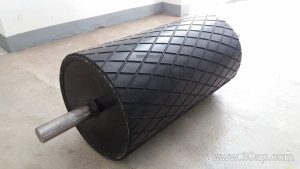
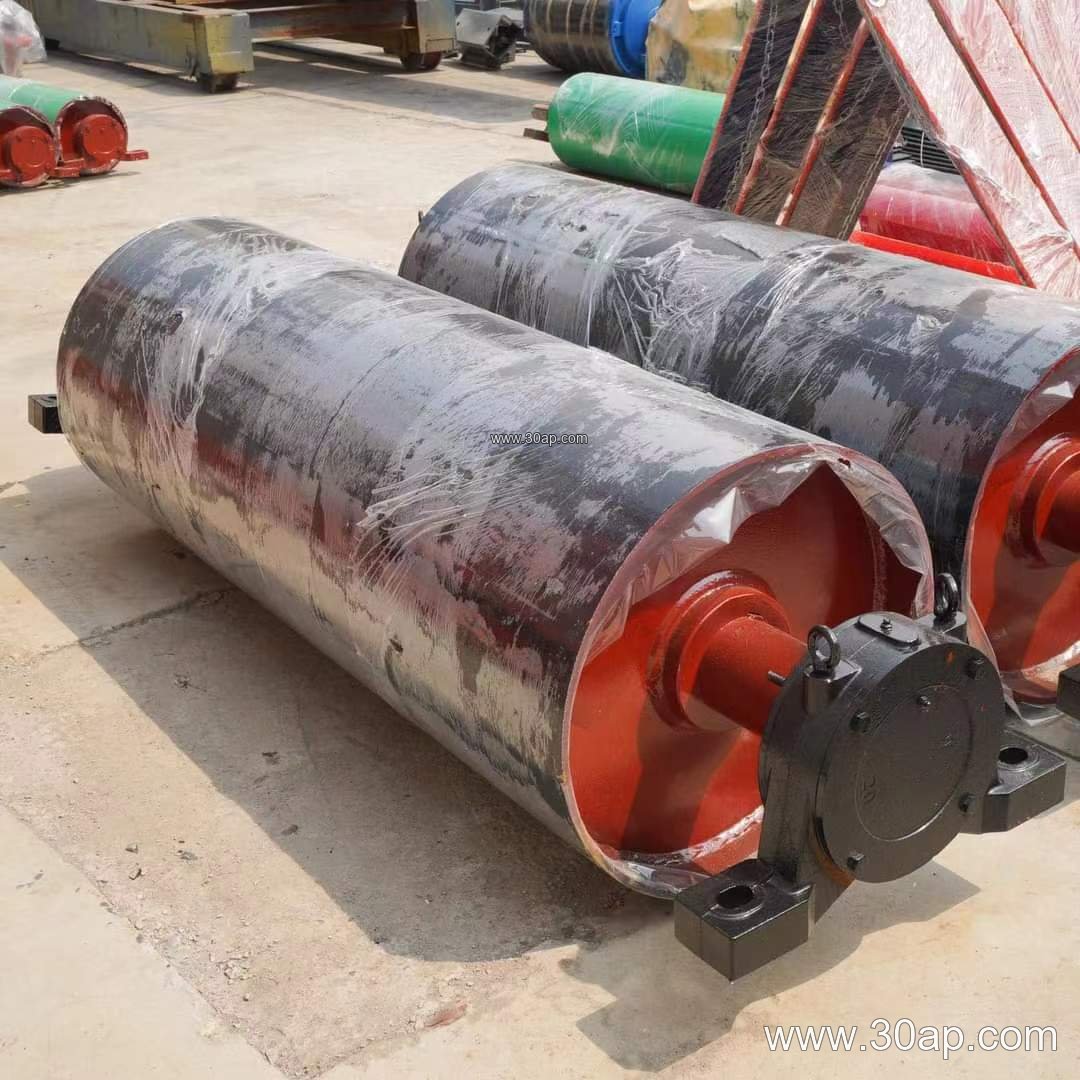
The 315mm diameter conveyor pulley typically features a welded steel drum with a shaft sized by torque and load—common shaft diameters range from Ø80 to Ø120mm, though the final value is determined by design. The drum face width usually exceeds the belt width; for example, a B800 belt often pairs with a 950mm face, while a B1000 belt may use a 1150mm face. Surface configurations include plain, rubber lagged (cold-bonded or hot-vulcanized), diamond grooved, herringbone, and ceramic lagging. Lagging thickness commonly ranges from 8mm to 15mm, with 10mm or 12mm being frequent choices for moderate abrasion. The pulley may be supplied as a drive pulley, tail pulley, bend pulley, or take-up pulley—each position has distinct loading and traction requirements, and these subtypes are not interchangeable.
Where It Fits in the Conveyor System
In a stone crushing plant, a 315mm diameter conveyor pulley often serves as a bend or tail pulley on secondary conveyors, guiding the belt around curves or maintaining tension. In a coal washing plant, it may be used as a drive pulley on a medium-duty belt where space is limited. The pulley works in concert with the conveyor belt, idler rollers, and conveyor brackets to keep material moving smoothly. For abrasive materials such as iron ore or limestone, a lagged surface improves grip and reduces belt slip. When handling hot clinker in a cement plant, verify that the lagging compound suits elevated temperatures. This pulley size is also seen in port bulk terminals and aggregate yards, provided the belt width and tension are compatible.
Key Parameters at a Glance
Use the following reference values as a starting point; actual dimensions depend on the conveyor design and load calculations.
| Parameter | Common Range / Example |
|---|---|
| Nominal diameter | 315 mm |
| Belt width compatibility | B650 to B1200 (face width adjusted accordingly) |
| Face width examples | B650 ≈ 750 mm; B800 ≈ 950 mm; B1000 ≈ 1150 mm; B1200 ≈ 1400 mm |
| Shaft diameter | Ø80, Ø90, Ø100, Ø120 mm (by torque and load) |
| Lagging thickness | 8, 10, 12, 15 mm |
| Surface types | Plain, rubber lagged, diamond, herringbone, ceramic |
Note that belt width does not dictate a single pulley diameter; a 315mm pulley may be used with several belt widths as long as the face width and shaft strength are correctly specified.
Buyer Checklist
- Confirm the pulley position: drive, tail, bend, or take-up. Each has different traction and load profiles.
- Match the belt width to the pulley face width, not the other way around.
- Select lagging based on material abrasiveness and moisture. For high-abrasion ore, consider ceramic or thick rubber lagging.
- Verify shaft diameter against calculated torque—never assume a fixed shaft size from belt width alone.
- Check compatibility with the conveyor belt type, such as EP conveyor belt or steel cord conveyor belt, and ensure the pulley surface will not damage the belt cover.
- For flame or heat environments, specify appropriate lagging and consider the belt’s fire resistance rating.
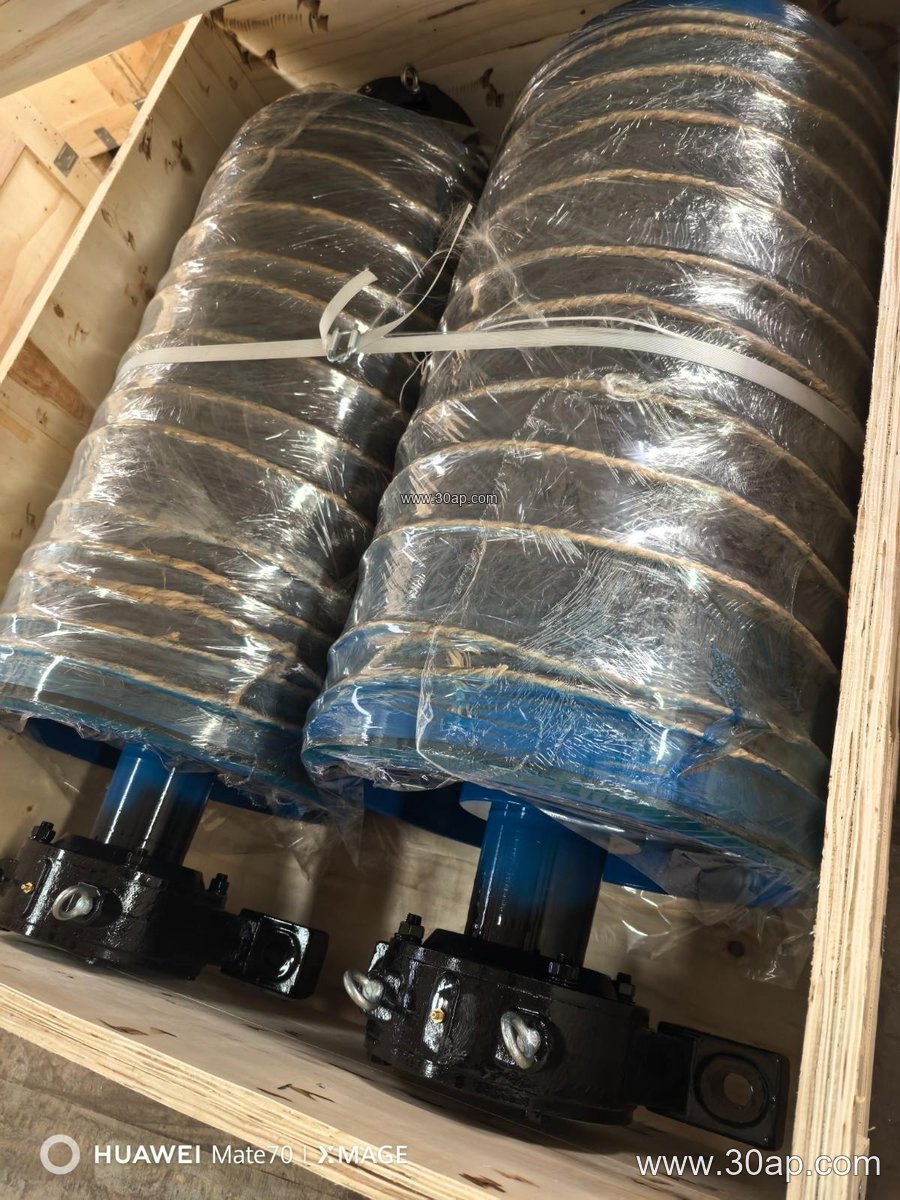
When sourcing a 315mm diameter conveyor pulley, request a dimensional drawing and material certificate. The pulley should be balanced and the lagging bonded uniformly. In sand and gravel lines, a slightly thicker lagging may extend service life, while in clean, low-abrasion applications a plain surface can suffice. Always review the interaction between pulley, belt, and idler roller to avoid premature wear.
Maintenance and Long-Term Reliability
Regular inspection of the 315mm diameter conveyor pulley includes checking lagging wear, shaft alignment, and bearing condition. Misalignment accelerates belt edge wear and can damage the pulley face. In dusty environments such as a quarry or coal yard, keep the pulley area clean and verify that the conveyor bracket supports are secure. If the lagging shows uneven wear, consider re-lagging rather than replacing the entire pulley. Proper tensioning of the conveyor belt reduces slip and extends pulley life. For heavy-duty mining conveyor belt systems, a spare pulley with matched specifications can minimize downtime.
In summary, the 315mm diameter conveyor pulley is a practical component for medium-duty conveyors across industries like aggregate processing, coal handling, and cement manufacturing. By understanding its construction, surface options, and compatibility with the belt and other components, buyers can specify a pulley that delivers reliable service.