What an Endless Conveyor Belt Is
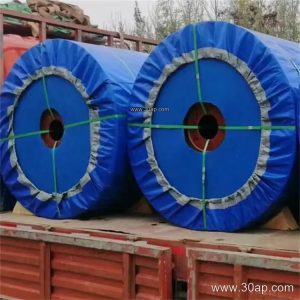
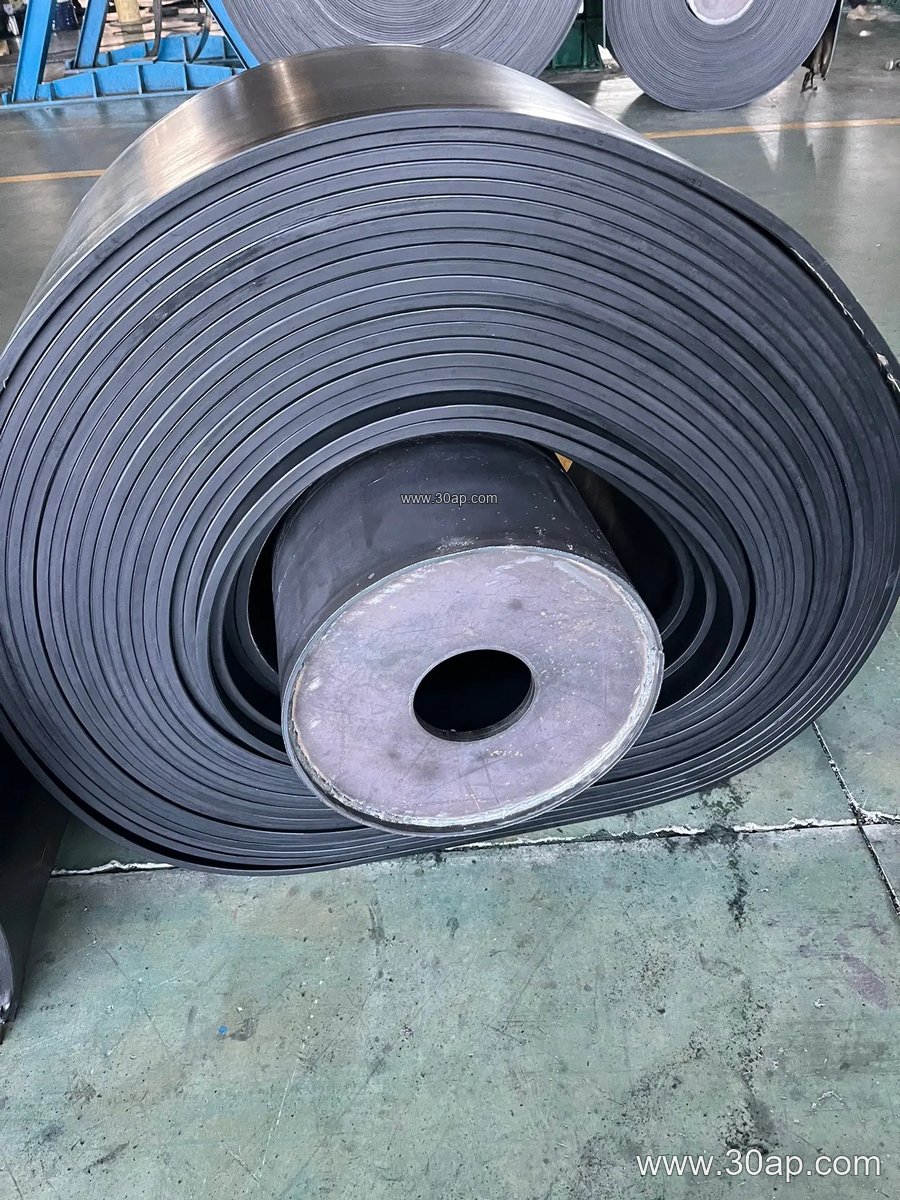
An endless conveyor belt is a belt that has been joined into a continuous loop before it leaves the factory or before it is fitted to the conveyor frame. Instead of closing the loop on site with mechanical fasteners or a field splice, the belt arrives as a finished ring with a vulcanized joint. The result is a smooth, uniform carrying surface with no hinge pins, no overlapping plates and no protruding fastener edges. In a quarry, a coal preparation plant or a cement clinker line, that smooth joint matters because scrapers, ploughs and transition idlers all run against it many times per shift.
Buyers often describe the same product as a spliced endless belt, a jointed endless belt or a factory-made endless loop. These are equivalent names for the same item. The belt body itself may be an EP Conveyor Belt, an NN Conveyor Belt, a Steel Cord Conveyor Belt or a PVC/PVG belt; the endless construction refers to how the loop is closed, not to the carcass family.
How the Loop Is Built
Production starts with a flat belt slit to the required width. The two ends are squared, stepped and prepared, then joined under heat and pressure so the carcass plies and the cover rubber bond into one continuous body. For fabric carcasses the joint is usually a stepped finger or bias splice; for steel cord belts the cords are arranged in a staggered pattern and vulcanized so that load is transferred gradually across the joint.
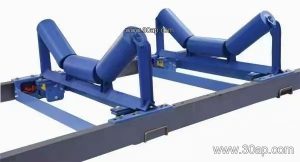
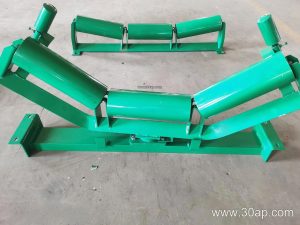
Because the splice is made in a press, the joint thickness and cover continuity are controlled far better than a field repair made in a dusty transfer house. A well-made endless belt runs with less joint slap, which reduces noise and impact on the conveyor pulley and the idler roller set along the line.
Where These Belts Are Used
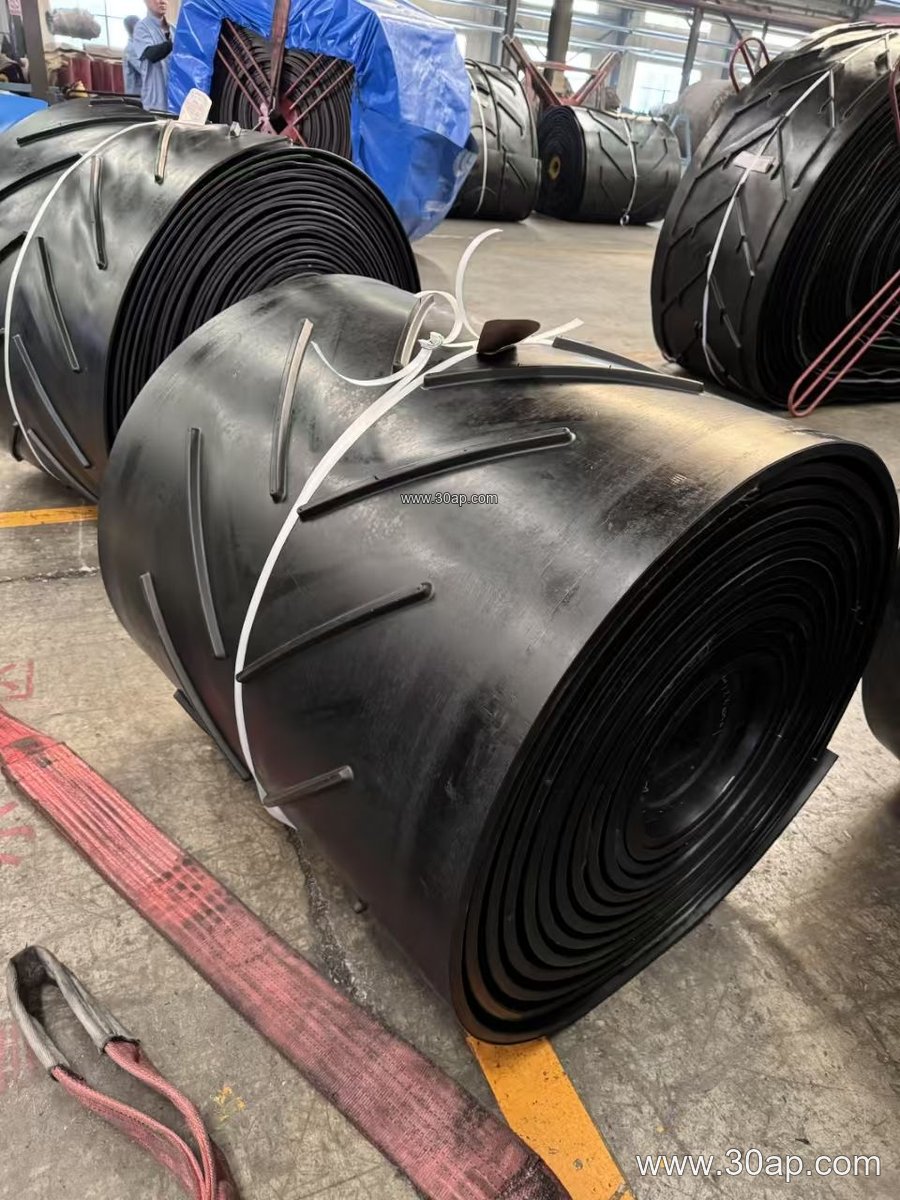
Fixed-length circuits are the natural home for endless belts. Typical examples include:
- Coal Mining Conveyor Belt loops on drift and incline conveyors, where flame retardant and anti-static covers are usually specified.
- Cement plant clinker and raw meal lines, often with Heat Resistant Conveyor Belt grades after the cooler.
- Power plant coal yard and limestone handling circuits.
- Sand and gravel plants, crusher discharge and screening decks using Abrasion Resistant Conveyor Belt covers.
- Port and ship loading conveyors, where a long, splice-free run reduces downtime risk.
Short center distances, shuttle conveyors, weighbridge belts and package handling lines also benefit from a factory loop, since a mechanical splice on a short belt is a large share of the total running length. Longer overland systems are more often supplied as open lengths and spliced on site, because transport and installation of a very long endless loop becomes impractical.
Construction Options That Affect the Choice
The loop is only one decision. The carcass and cover determine what the belt can carry and where it can run. Common reference values are shown below; actual figures are set by the belt design and should be confirmed with the supplier.
| Item | Common reference range |
|---|---|
| Carcass type | EP fabric, NN nylon fabric, steel cord, PVC, PVG |
| EP strength grades | EP200, EP315, EP400, EP500, EP630, EP800, EP1000, EP1250 |
| Belt width | B500, B650, B800, B1000, B1200, B1400, B1600, B1800 |
| Cover thickness (top + bottom) | 3+1.5, 4+2, 5+2, 6+2, 8+3 mm |
| Fabric plies | 2 to 6 layers, depending on duty |
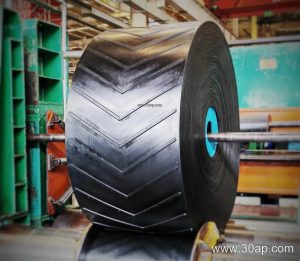
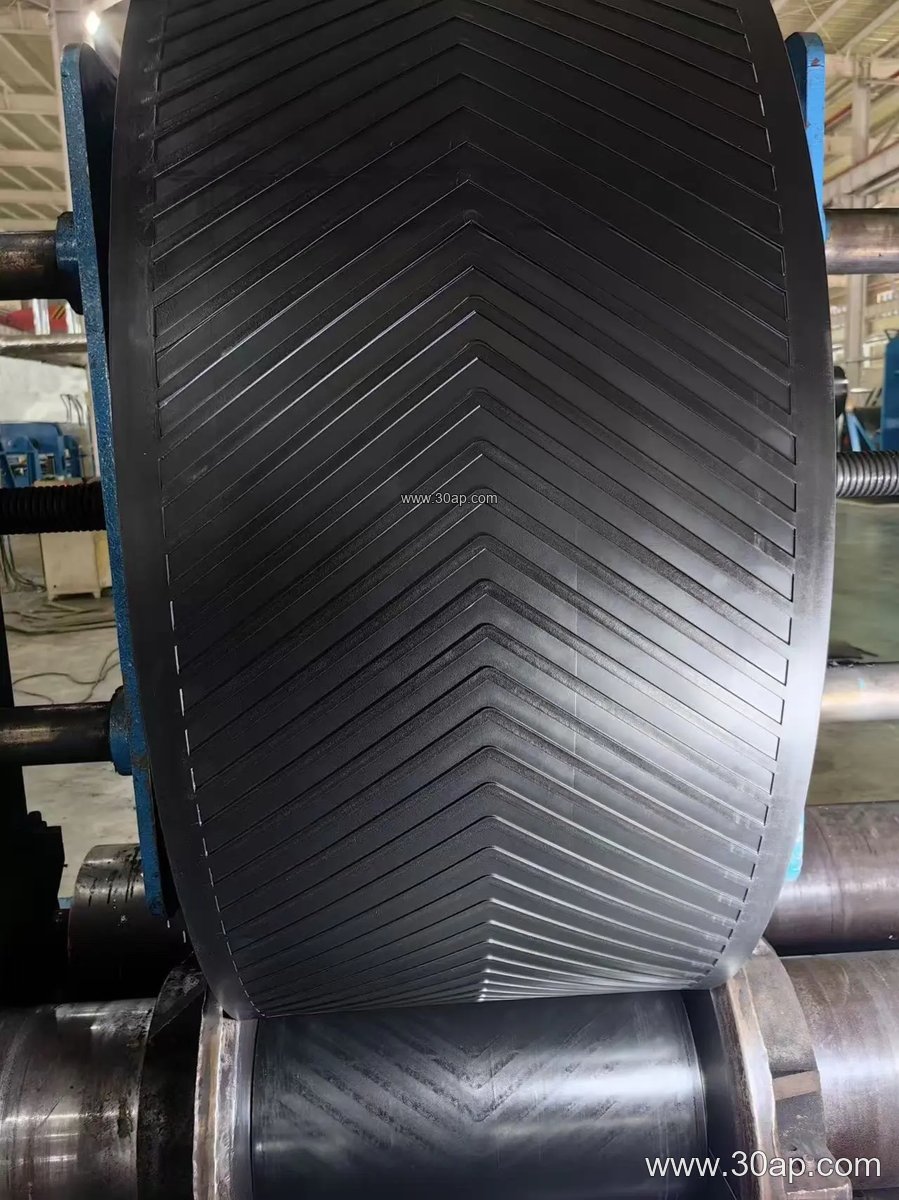
Surface form is a separate choice. A Chevron Conveyor Belt loop suits inclines where material would otherwise slide back; a Corrugated Sidewall Conveyor Belt with cleats handles steep, confined routes; a Skirted Conveyor Belt contains material at the edges. Each of these can be supplied endless, but they are different belt types, not substitutes for a plain loop.
Buyer Checklist Before Ordering
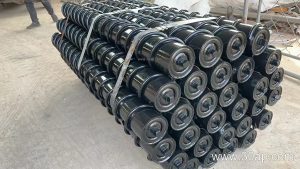
An endless belt is made to a fixed length, so the dimensional data must be right the first time. Provide the center-to-center distance, the pulley diameters at the drive, tail and bend positions, and the take-up travel available. Remember that drive pulley, tail pulley and bend pulley are separate components with separate duties and are not interchangeable; the belt must tolerate the smallest pulley it wraps, which is usually the bend or snub pulley.
State the conveyed material, lump size, temperature and any oil or chemical exposure. A Belt for iron ore or hard rock usually needs a high abrasion resistant cover, while a coal loop in an underground roadway generally calls for flame retardant and anti-static properties. Food Grade Conveyor Belt and Cold Resistant Conveyor Belt loops follow their own cover rules.
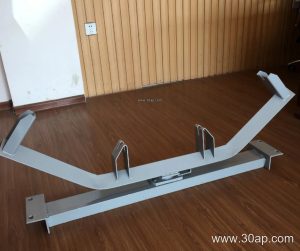
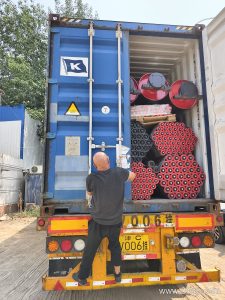
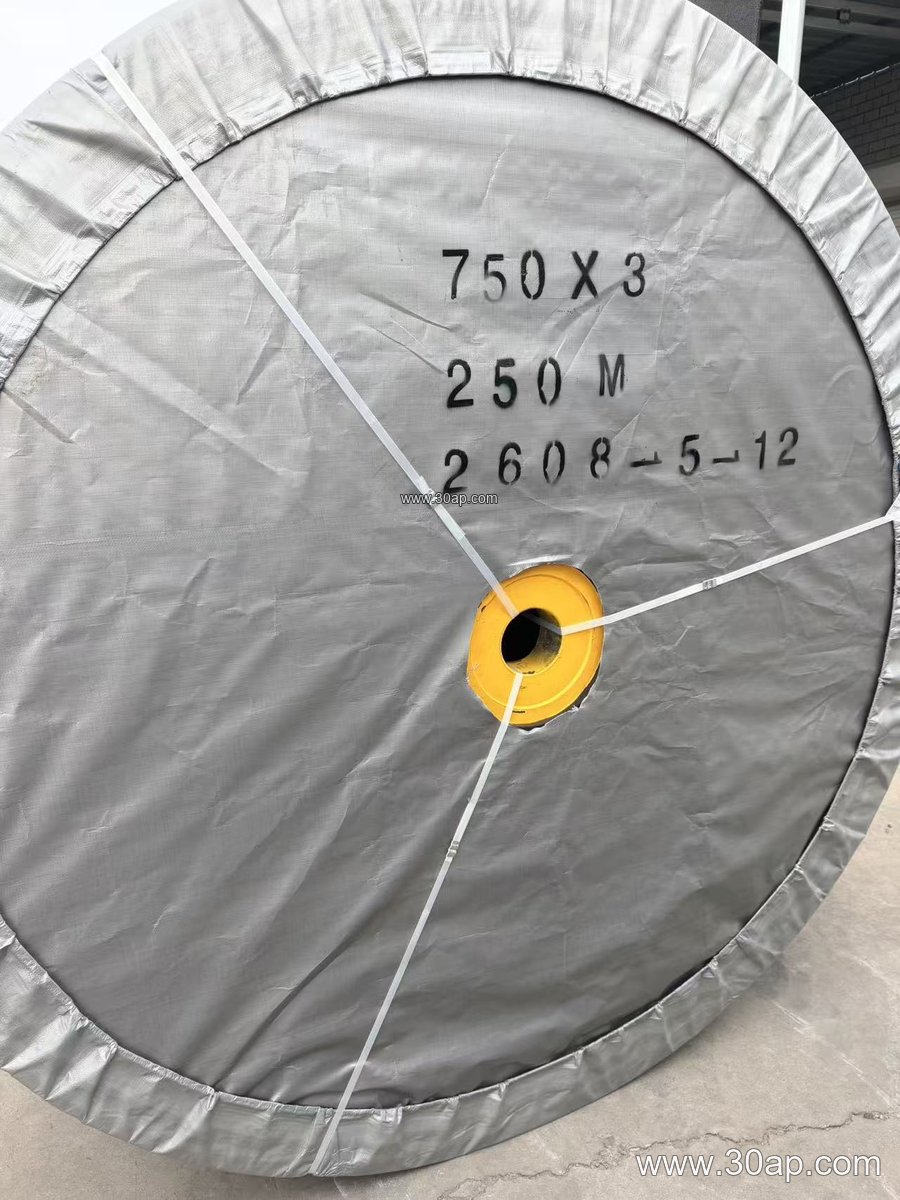
Confirm how the loop will be installed. An endless belt cannot be threaded through a closed frame like an open belt; the conveyor must allow the loop to be slipped over the pulleys, which may mean removable brackets, a split frame or an accessible side. Check that the conveyor bracket layout and the idler roller spacing leave room for the loop and for the splice to pass freely. Finally, ask for the joint position to be marked and for the belt to be packed on a suitable core or in a folded crate so the loop is not kinked in transit.