What a Custom Conveyor Bracket Really Does
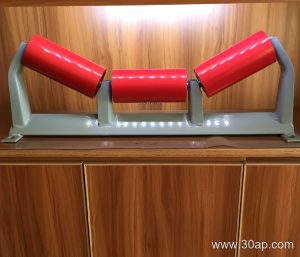
A custom conveyor bracket is the fabricated support that holds idlers in the correct position under or over the belt. It is not a catalog afterthought; it is the interface between the conveyor structure and the rotating components. In a quarry line or a cement plant, a poorly fitted bracket shows up quickly as belt misalignment, edge wear, and premature idler failure. Because every conveyor has its own frame geometry, trough angle, and loading conditions, a made-to-fit bracket often outperforms a generic one.
The same product is also called a custom idler bracket or bespoke conveyor idler support. These names describe one item, not separate hardware families. Drive pulleys, tail pulleys, and bend pulleys are different components entirely and are never substituted for a bracket.
Construction and Common Forms
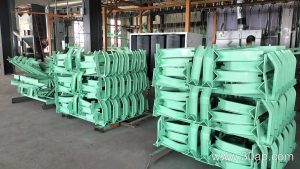
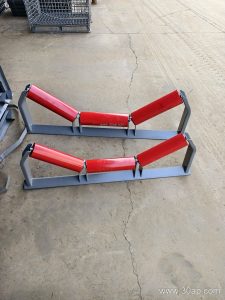
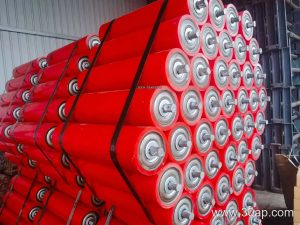
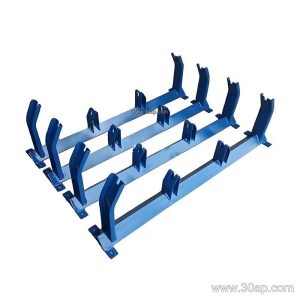
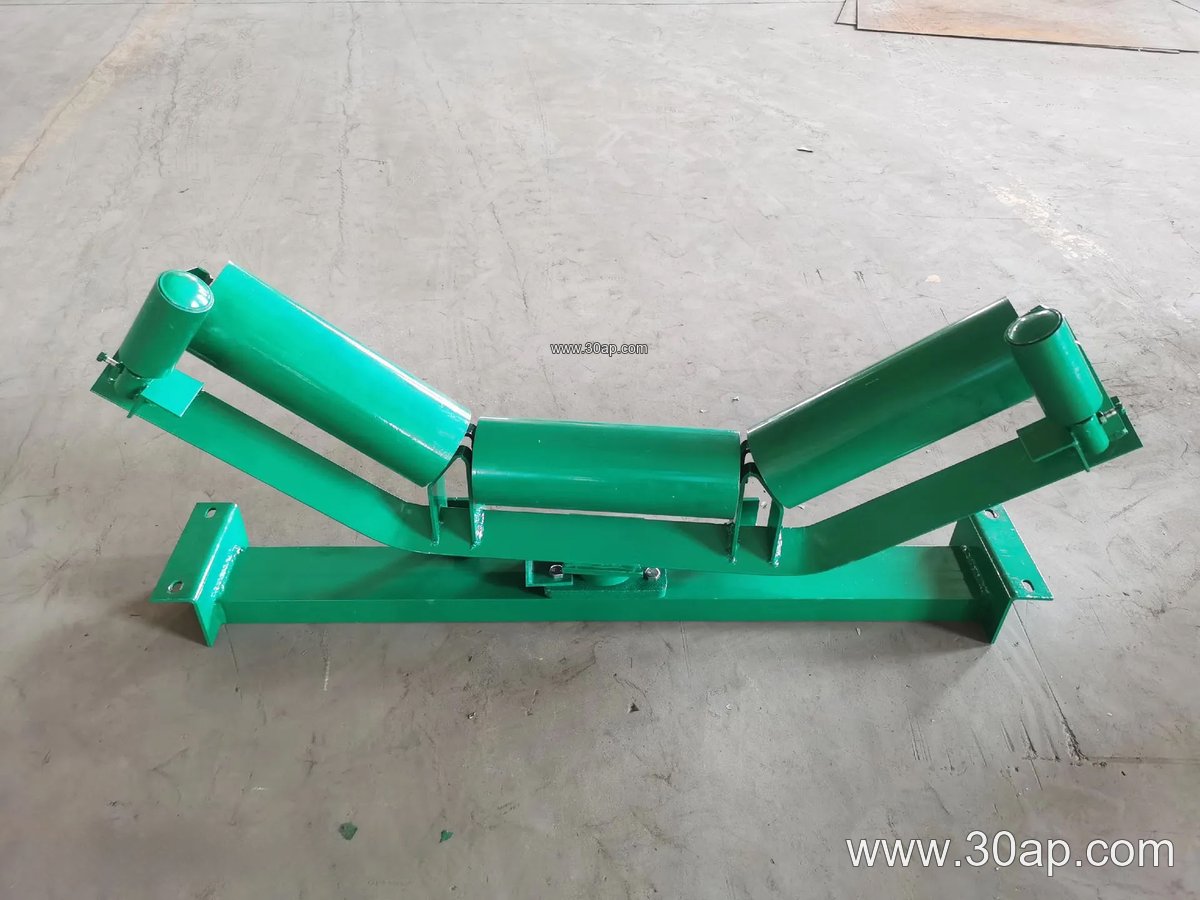
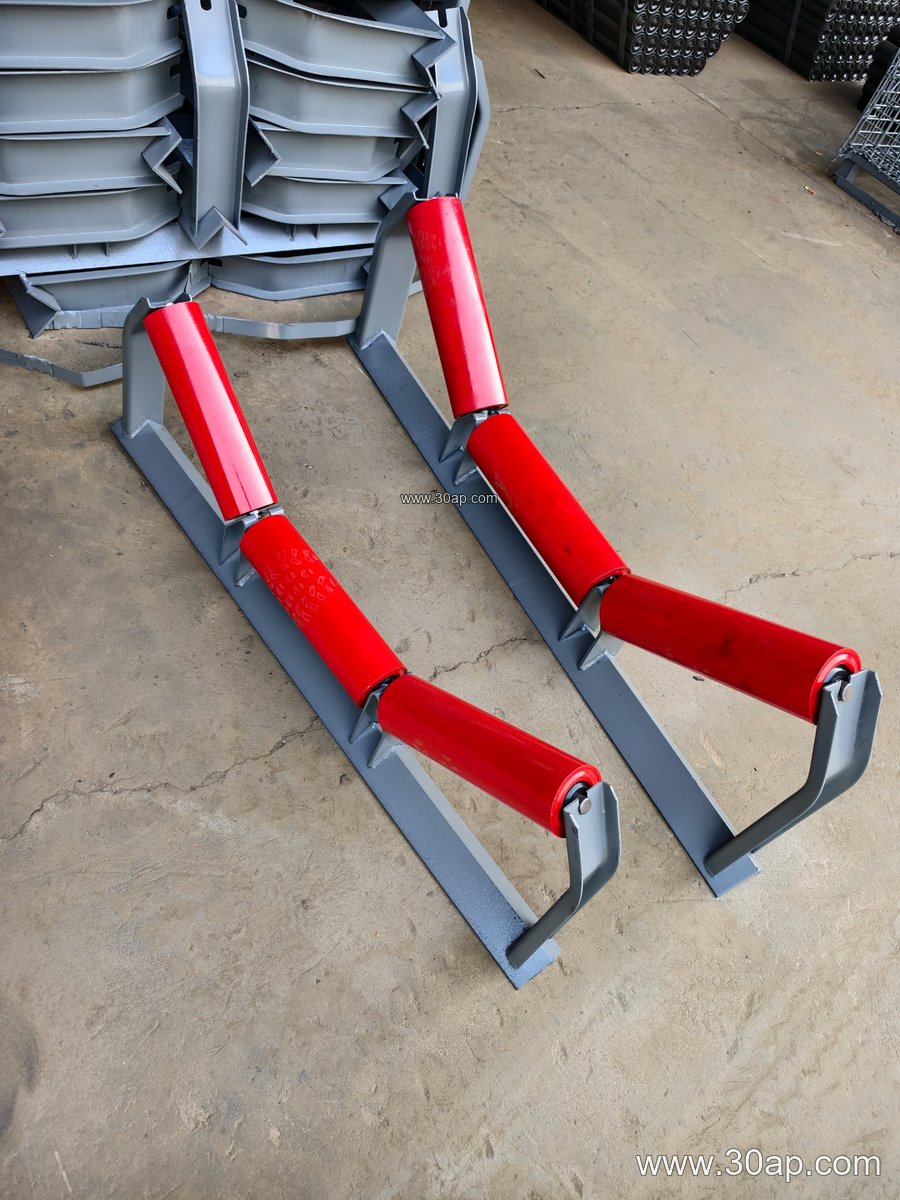
Most brackets are built from angle steel, channel steel, or folded steel plate. The fabrication approach depends on load and environment. A light aggregate conveyor may use folded plate, while a heavy-duty mining conveyor bracket is more likely to use channel sections with reinforced gussets. Common types include trough brackets, transition brackets, return brackets, V-return brackets, impact brackets, self-aligning brackets, and adjustable brackets.
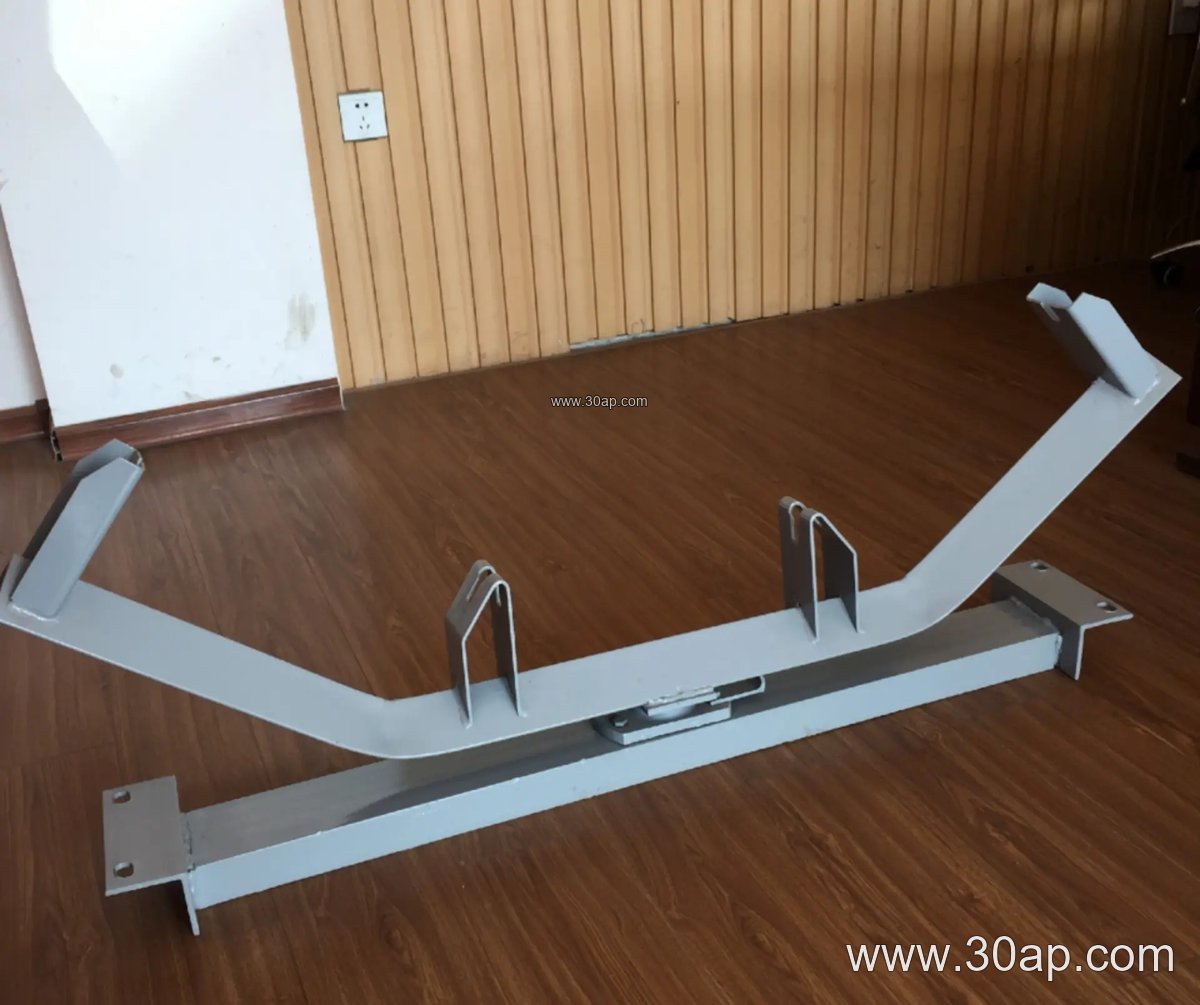
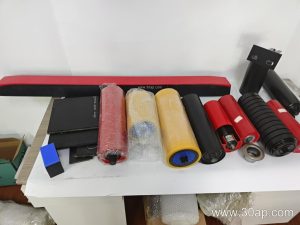
Trough angle is a key variable. Common values are 20, 30, 35, and 45 degrees, and adjustable designs can move between these positions. Forward tilt of about 1.5 to 2 degrees is also used to help center the belt. Roller diameter usually follows the belt width and load, with common sizes such as Ø89, Ø108, Ø133, Ø159, and Ø194. A bracket might be described as B800, 35 degrees, Ø108, or B1200, 45 degrees, Ø133, but these are examples rather than fixed rules. A given belt width can work with more than one trough angle or roller diameter.
Where These Brackets Are Used
In a limestone mine or crushing and screening plant, dust and impact are constant. Impact brackets under the loading point protect the belt and the idlers. In a coal washing plant or power station coal yard, flame retardant conveyor belt and anti-static conveyor belt are common, and the brackets must keep the belt centered through transfer points. In a port or steel plant, long overland conveyors rely on stable return brackets to reduce tracking problems.
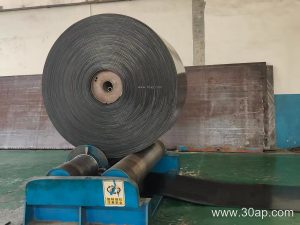
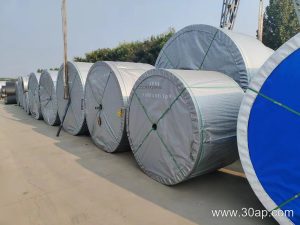
The bracket also works with the belt itself. A heavy-duty mining conveyor belt or abrasion resistant conveyor belt carries more load, so the bracket spacing and stiffness matter. Where a pipe conveyor belt or corrugated sidewall conveyor belt is used, the bracket geometry is usually designed around the belt profile rather than a standard trough.
Selection Points for Buyers
Buyers should confirm the belt width, trough angle, roller diameter, and mounting hole spacing before ordering. Hole spacing and crossbeam length change with belt width and trough angle, so they should be confirmed by design rather than assumed. The table below shows reference combinations, not universal specifications.
| Reference | Belt Width | Trough Angle | Roller Diameter |
|---|---|---|---|
| Example A | B650 | 30 degrees | Ø89 |
| Example B | B800 | 35 degrees | Ø108 |
| Example C | B1200 | 45 degrees | Ø133 |
| Example D | B1600 | 35 degrees | Ø159 |
Also check the frame material, surface treatment, and whether the bracket is fixed or adjustable. Adjustable brackets cost more but simplify alignment during commissioning. For a food grade conveyor belt or a cold resistant conveyor belt application, the bracket finish and material should suit the environment as well.
Installation and Maintenance Notes
Alignment starts at the bracket. Check that brackets are square to the frame and at the same height across the conveyor. A slight difference can cause the belt to run to one side, especially with a chevron conveyor belt or an endless conveyor belt that has little room for correction. Inspect for loose bolts, bent crossbeams, and worn idler seats during routine shutdowns. Replacing a damaged bracket early is cheaper than replacing a damaged conveyor pulley or a torn belt.
For more conveyor component guidance, visit conveyor-bracket.com and review matching idler roller and conveyor pulley options before finalizing the bracket drawing.