What a Power Plant Conveyor Belt Does
A power plant conveyor belt is the moving surface that carries coal from unloading points to bunkers, moves limestone into the boiler feed path, and removes bottom ash or fly ash to disposal areas. In a coal-fired station the belt often runs long distances, through transfer towers and galleries, and must keep working in dusty, warm and sometimes damp conditions. The same equipment appears in biomass plants and cement-adjacent captive power units, where fuel and additive streams are handled on similar layouts.
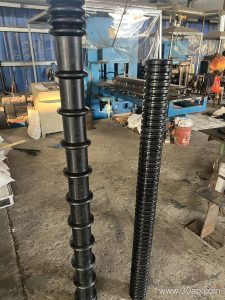
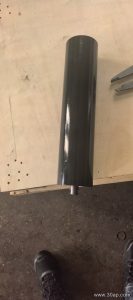
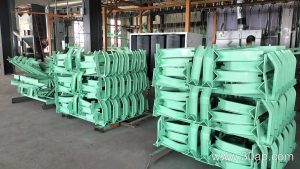
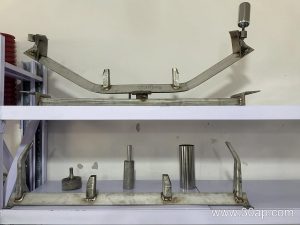
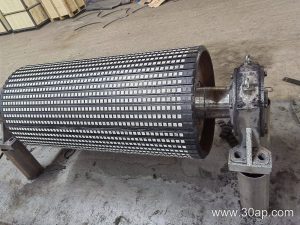
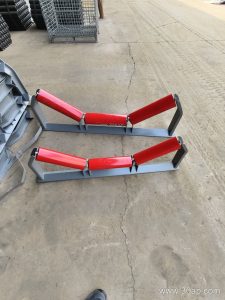
Because the belt is only one part of the line, it has to match the pulleys, idler roller sets and conveyor bracket frames around it. A mismatch in width, cover thickness or tensile grade shows up quickly as edge wear, spillage or tracking problems.
Construction of the Belt
Most belts used in power generation are fabric core or steel cord constructions. The carcass provides tensile strength, while the top and bottom rubber covers protect it from abrasion, heat and moisture.
Fabric core options
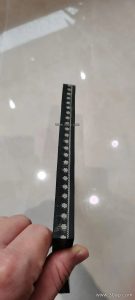
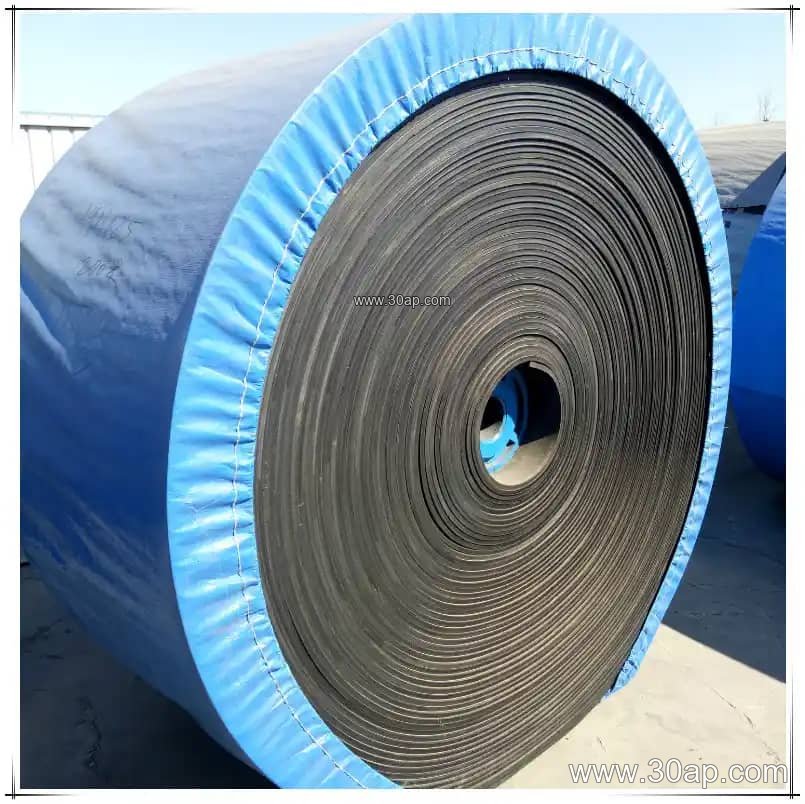
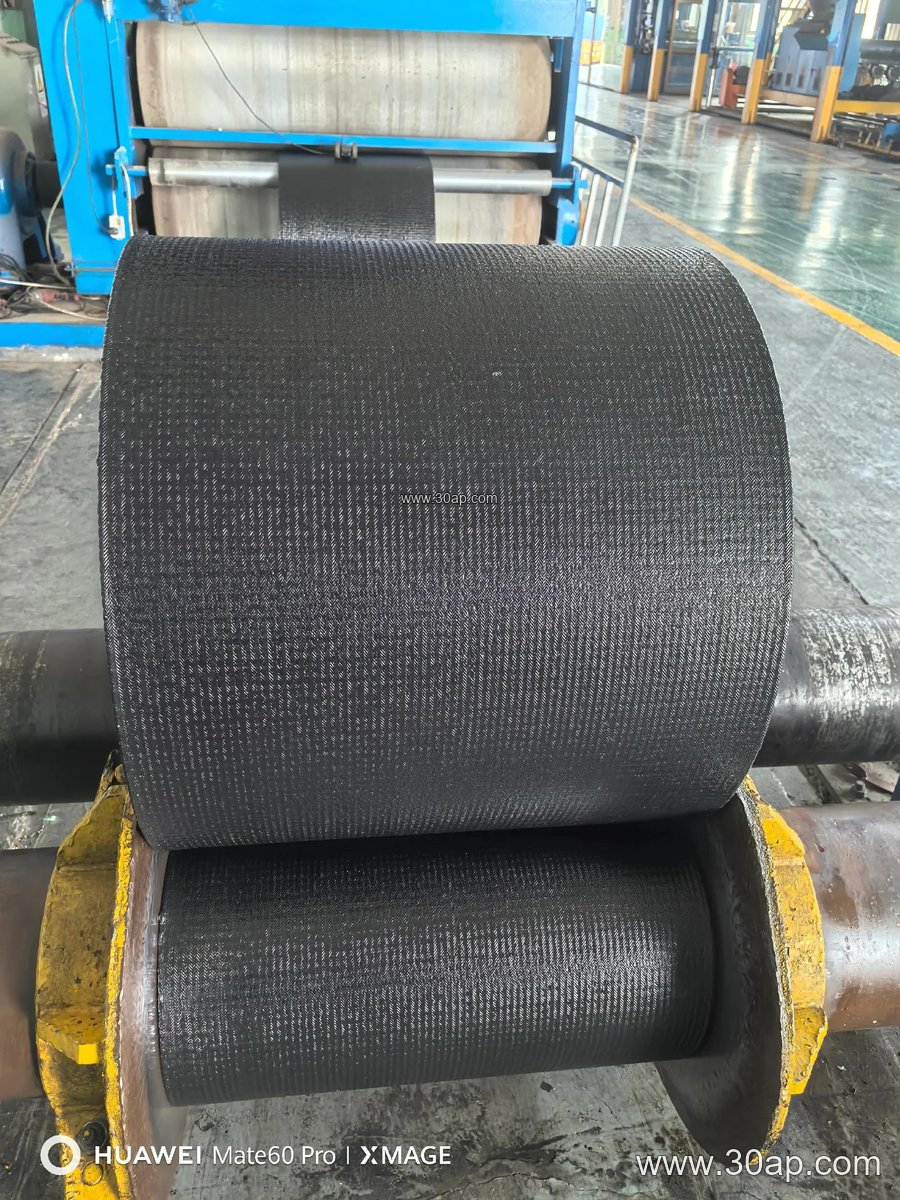
EP conveyor belt (polyester/nylon) is a common choice for coal and ash lines because it stretches little and resists moisture. NN conveyor belt, with nylon in both warp and weft, offers high flexibility and impact absorption. Multi-ply fabric core belt with two to six plies suits medium-duty runs; heavier lines often move to steel cord conveyor belt, where a single layer of steel wires carries very high tension over long distances.
Covers and special grades
Cover thickness is usually stated as top plus bottom, for example 4+2 mm or 6+2 mm. For coal with a fire risk, flame retardant conveyor belt and anti-static conveyor belt grades are specified together. Ash lines that run warm may need heat resistant conveyor belt or high temperature conveyor belt compounds. Fuel oil spillage zones may call for oil resistant conveyor belt, while outdoor yards in cold regions use cold resistant conveyor belt.
Typical Specifications
The values below are common reference points, not fixed requirements. Final selection depends on the conveyor design, load and environment.
| Parameter | Common reference range |
|---|---|
| Belt width | B500, B650, B800, B1000, B1200, B1400, B1600, B1800, B2000 |
| EP strength grades | EP200, EP315, EP400, EP500, EP630, EP800, EP1000, EP1250, EP1600 |
| Steel cord grades | ST1000, ST1250, ST1600, ST2000, ST2500 |
| Cover thickness | 3+1.5, 4+2, 5+2, 6+2, 8+3 mm |
| Carcass plies | 2 to 6 layers, fabric core |
A 1200mm wide belt on a coal yard line and a 1800mm wide belt on a main fuel trunk may both be EP1000 or EP1250 grade, but the cover and pulley matching differ. Belt width does not dictate one shaft diameter for the conveyor pulley; that comes from the drive and tension calculations.
Where the Belt Is Used
- Coal unloading and stockyard reclaim lines
- Boiler feed and bunker charging conveyors
- Limestone and gypsum handling
- Bottom ash and fly ash transfer
- Biomass fuel yards in co-firing plants
Similar belts also work in mining, quarry, cement and port bulk handling. A coal mining conveyor belt and a power plant belt may share grade names, but the plant layout usually adds heat exposure and tighter fire rules.
Buyer Checklist
Before ordering, confirm the belt width, carcass type and strength grade against the conveyor design. Check whether the line needs a flame retardant conveyor belt, anti-static grade or oil resistant cover. Ask how the belt will be joined: an endless conveyor belt splice made on site needs enough length and a suitable press. Review the condition of the idler roller and conveyor pulley surfaces, since worn rollers wear covers faster. For steep inclines, chevron conveyor belt or corrugated sidewall conveyor belt may be considered, but these are separate designs and should not be substituted for a flat belt without a layout review.
Store spare belts flat and dry, keep them off the ground, and rotate stock so older rolls are used first. During operation, watch for edge damage, cover cracking and material buildup at transfer points. Most plant belt problems start at the loading chute and the tail area, not in the middle of the run.
Explore more conveyor belt, idler roller and conveyor pulley guidance at zzconveyorbelt.com before finalizing a specification.