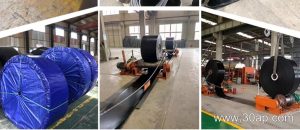
What a 2000mm Conveyor Belt Is
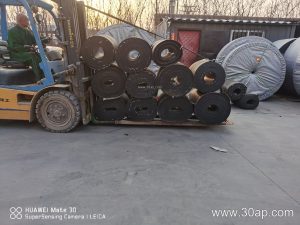
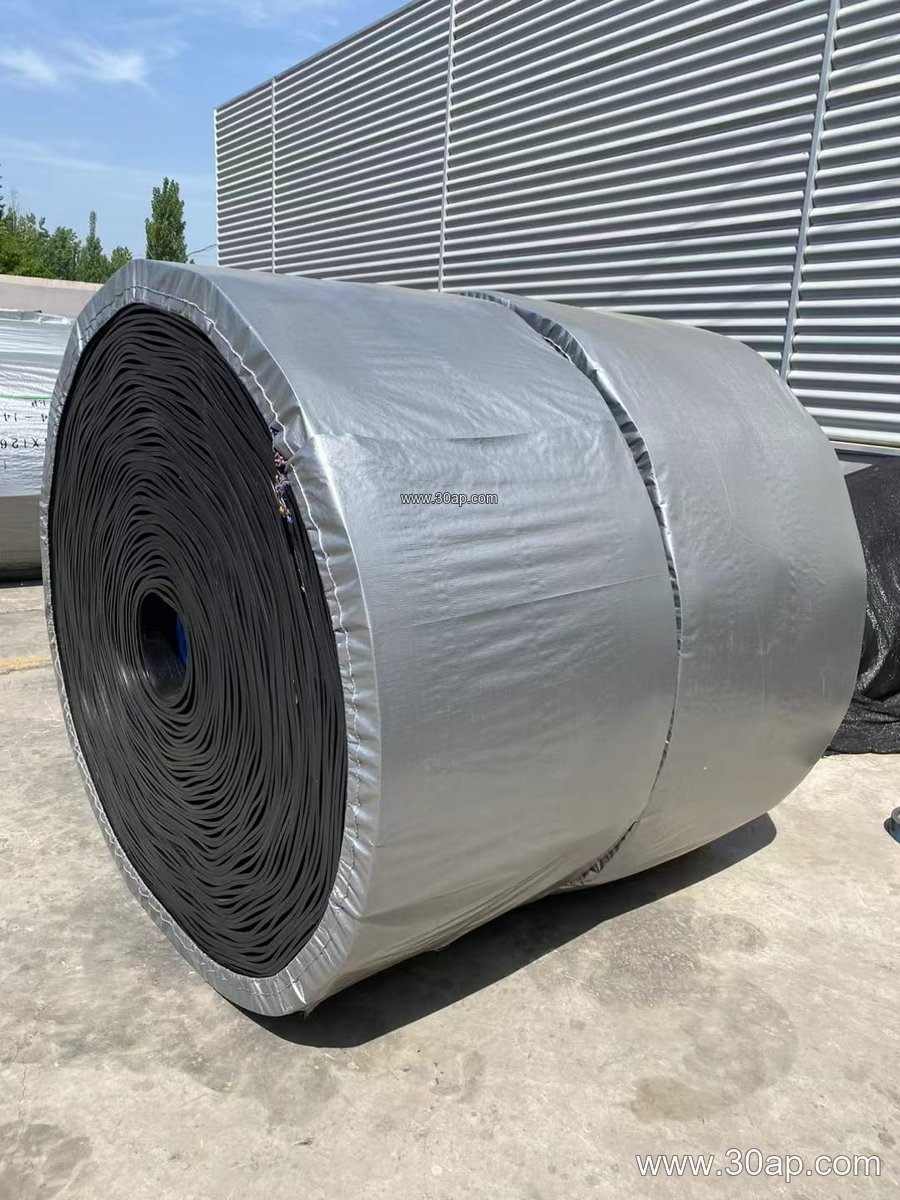
A 2000mm conveyor belt is a wide-width belt designed for conveying lines that must move large volumes of bulk material in a single pass. With a nominal width of two meters, it sits at the upper end of common belt widths and is often described as a wide conveyor belt or extra-wide conveyor belt. It is not a separate product family; it is a belt built to the same construction principles as narrower belts, only scaled up in width, mass, and load capacity.
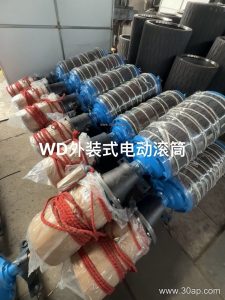
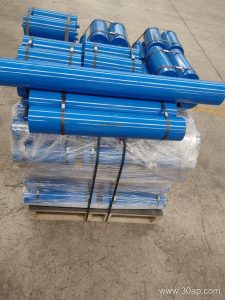
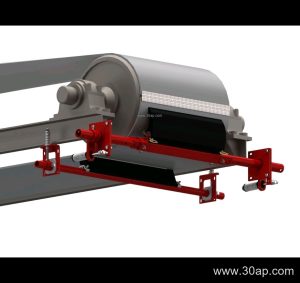
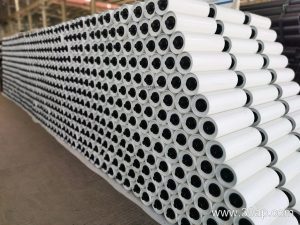
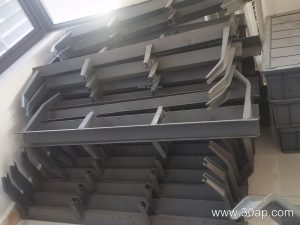
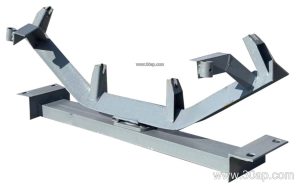
Because the belt is wide, every part of the conveyor frame must be matched to it. Idler roller sets, conveyor pulleys, and conveyor brackets are sized and spaced according to the belt width and the load it carries, not the other way around. A 2000mm belt does not dictate one fixed pulley diameter or shaft size; those values follow the conveyor design, belt tension, and duty.
Construction and Common Specifications
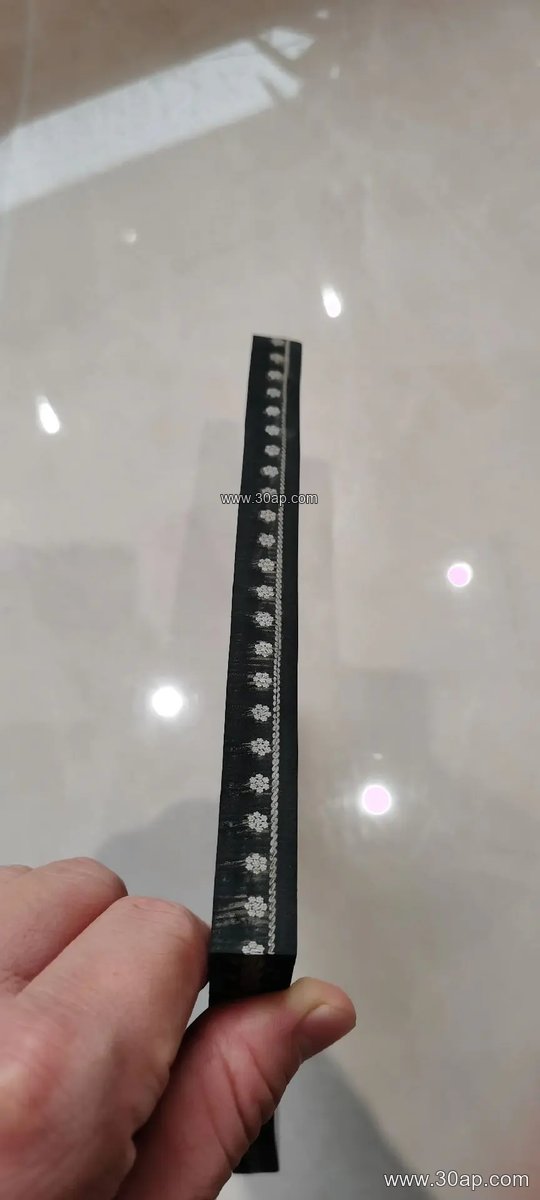
Most belts at this width are fabric-cored or steel-cord reinforced. Fabric Core Conveyor Belt constructions use multiple plies of EP or NN fabric, while Steel Cord Conveyor Belt constructions use brass-plated steel cords for very long runs and high tension. Cover rubber grade is chosen for the cargo: abrasion resistant grades for rock and ore, heat resistant grades near clinker or sinter, oil resistant grades for oily feedstock, and flame retardant grades in coal mining and underground coal mining service.
Reference data below is indicative only and varies between manufacturers. Final values are confirmed by design.
| Parameter | Common reference values |
|---|---|
| Belt width | 2000 mm (B2000) |
| Fabric core grades | EP200, EP315, EP400, EP500, EP630, EP800, EP1000 |
| Steel cord grades | ST1000, ST1250, ST1600, ST2000 |
| Number of fabric plies | Typically 2 to 6 |
| Cover thickness | Commonly 4+2, 5+2, 6+2, 8+3 mm |
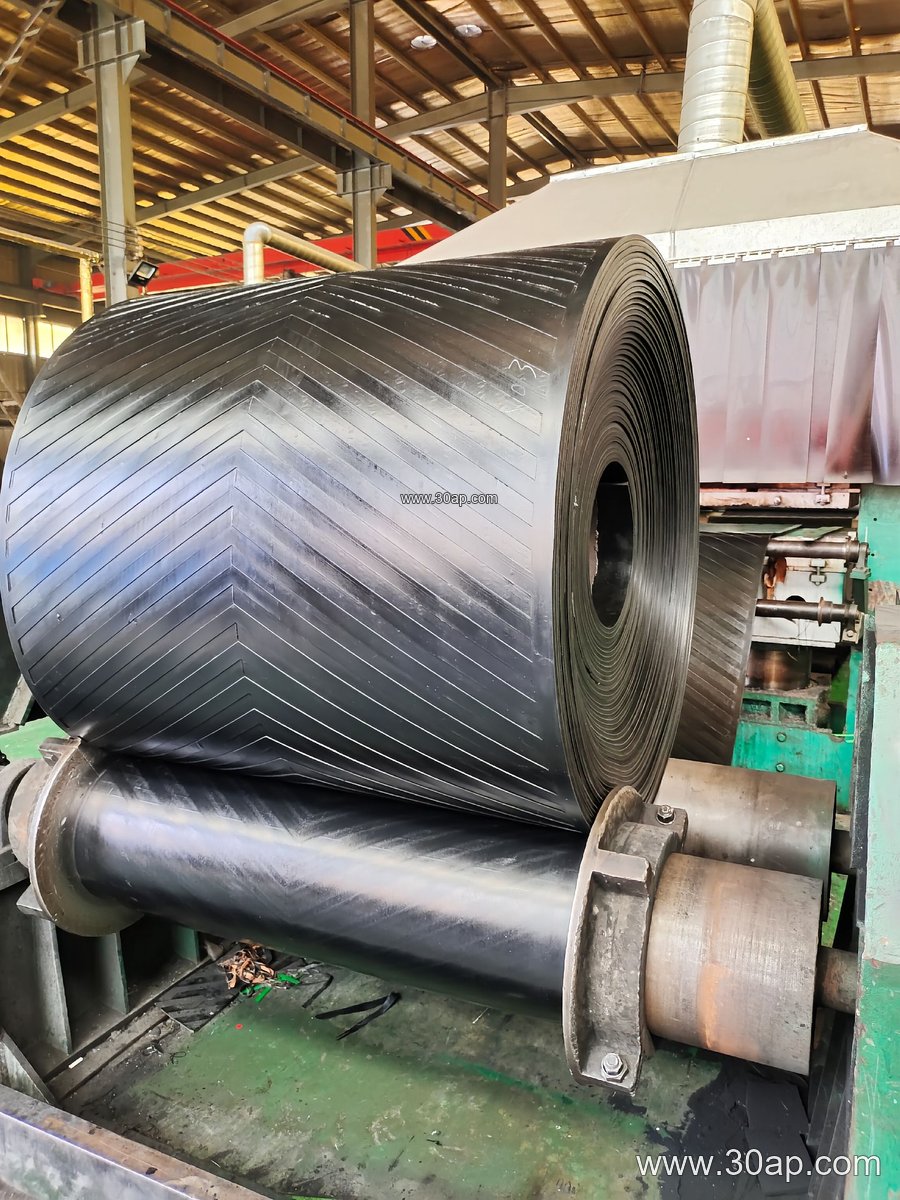
| Surface forms | Smooth, Chevron Conveyor Belt, Corrugated Sidewall Conveyor Belt, Skirted Conveyor Belt |
Special constructions such as Pipe Conveyor Belt and Endless Conveyor Belt are produced to order and are not standard stock items at this width.
Where the Width Pays Off
Wide belts are common in cement plants feeding kiln and raw mill circuits, in power plant coal yards, in iron ore and copper ore terminals, and in quarry and aggregate plants where crusher discharge must be spread across a stockpile. A 2000mm belt reduces the number of parallel lines needed for a given tonnage, which simplifies transfer points and maintenance access. In mining conveyor belt service, the width also lowers material depth on the belt, which reduces spillage and edge wear when loading is controlled.
At ports and ship loading conveyor systems, the same width supports high instantaneous rates. For more product information, visit www.beltconveyorsystem.com or check the roller and pulley pages at www.beltconveyorsystem.com for matching components.
Selecting and Maintaining a Belt This Wide
- Confirm the actual duty: tonnage, lump size, drop height, and operating temperature. A 2000mm belt sized for coal may be under-strength for coarse rock unless the carcass grade is raised.
- Match the belt to the troughing angle and idler roller spacing. Wide belts need adequate support to avoid sag between idlers.
- Check pulley face width and lagging. Drive, tail, and bend pulleys are different components with different roles and are not interchangeable.
- Use impact resistant grades at transfer points and abrasion resistant covers where the cargo is sharp.
- Plan splicing. A wide belt needs a press or vulcanizer long enough for the full width, and splice quality strongly affects belt life.
- Track alignment early. Edge damage on a 2000mm belt is expensive, so correct misalignment before it becomes a habit.
Buyers should ask for the carcass construction, cover grade, cover thickness, and splice method in writing, and should confirm that the quoted belt suits the conveyor’s calculated tension rather than assuming that width alone defines performance. For cold climates, a Cold Resistant Conveyor Belt compound may be needed; for dusty coal service, an Anti-Static Conveyor Belt grade is often specified alongside flame retardancy.
Practical Notes
A 2000mm conveyor belt is a heavy, high-value component, and its performance depends as much on the conveyor as on the belt itself. Keep spare idler rollers and a spare conveyor pulley on hand, inspect edges and splices monthly, and record cover wear so replacement can be planned rather than forced by a failure. Treated as part of a system, a wide belt delivers steady throughput in the toughest bulk handling environments.