What a Parallel Return Idler Does on a Conveyor
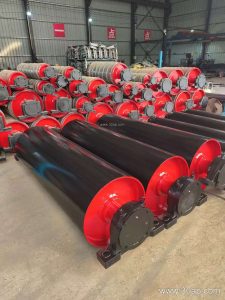
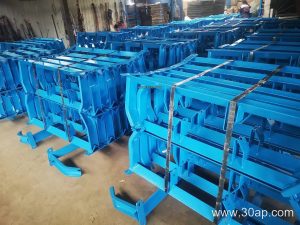
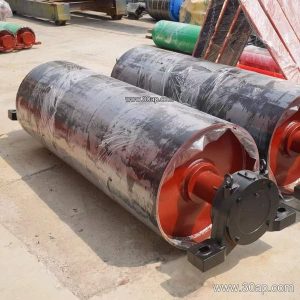
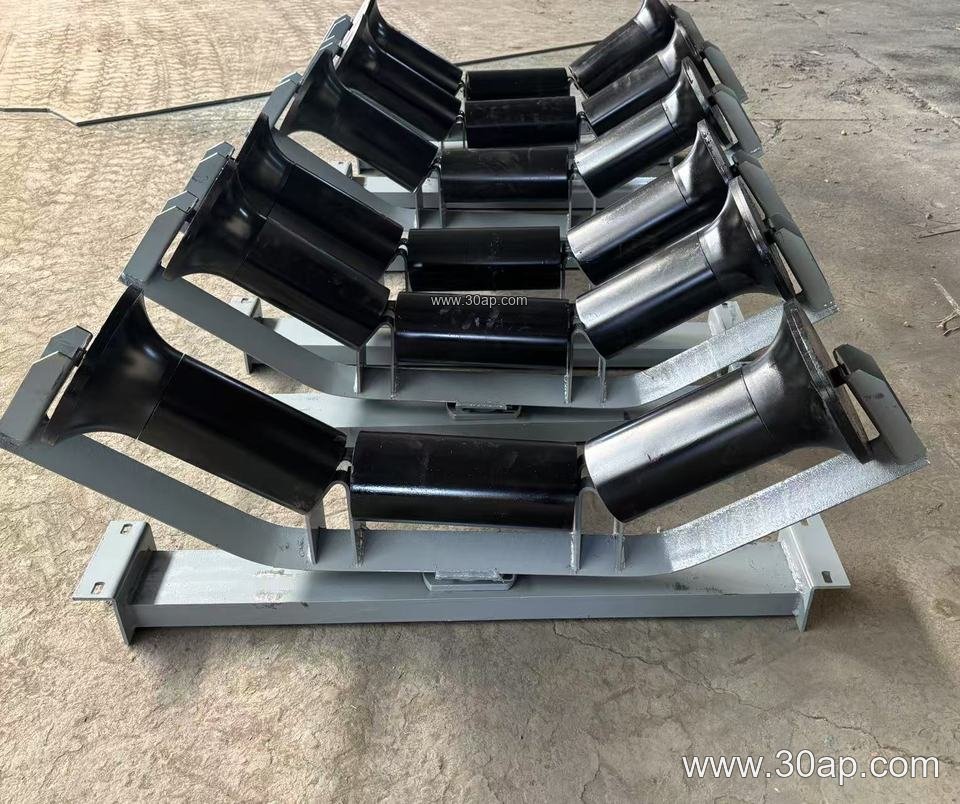
A parallel return idler is the flat, single-roller support that carries the empty side of a conveyor belt on its way back to the tail. Unlike a troughing idler set on the carrying side, this return roller sits horizontally under the belt, keeping the belt from sagging between pulleys. In a quarry, a coal washing plant, or a cement kiln feed line, the return run is often overlooked until belt tracking problems appear. The parallel return idler, also called a flat return roller, is the simplest and most common form of lower idler. It works together with the conveyor pulley at the drive and tail ends, and with conveyor brackets that hold the roller in place along the frame.
Construction Details and Common Sizes
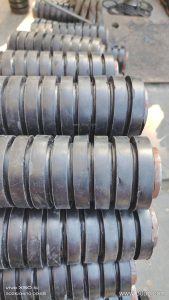
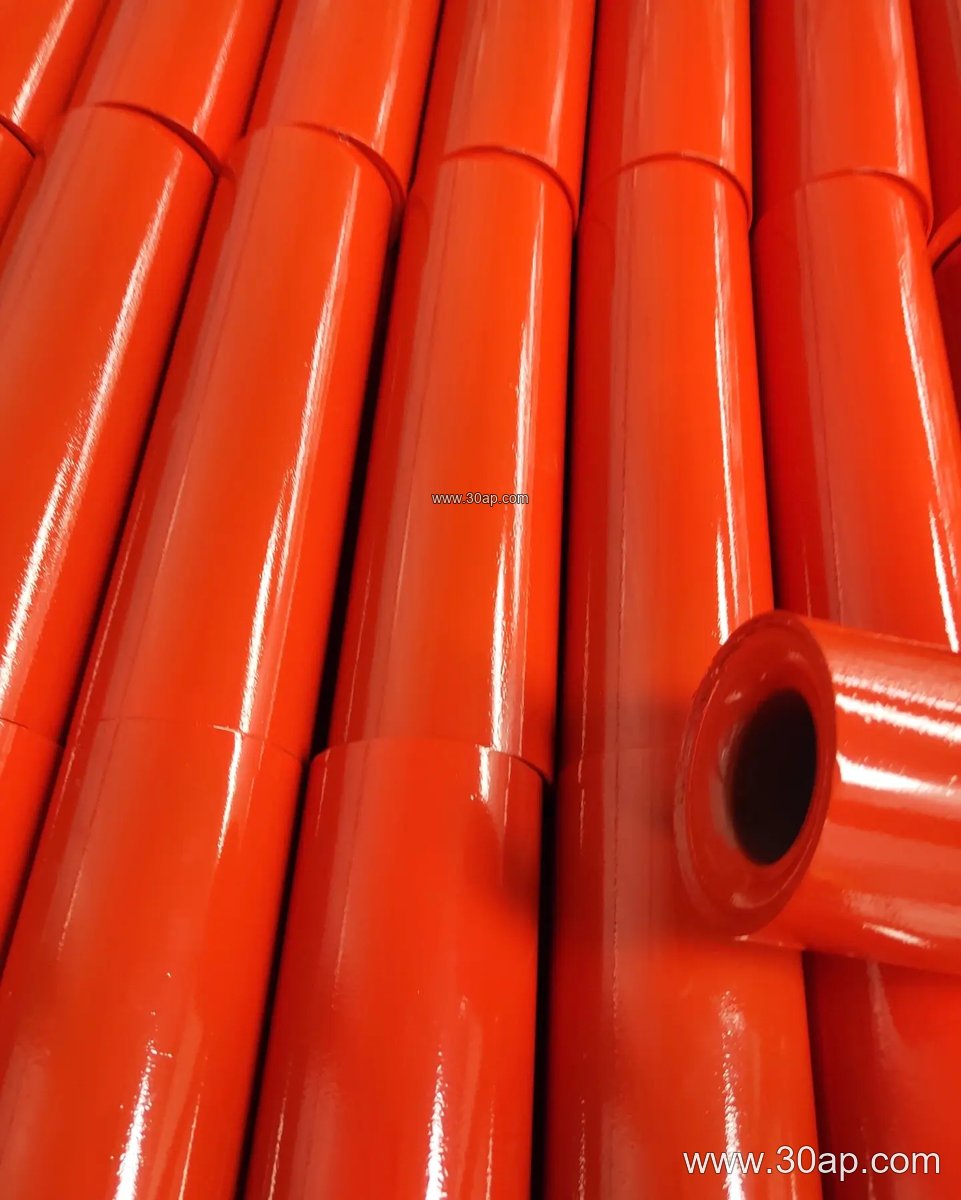
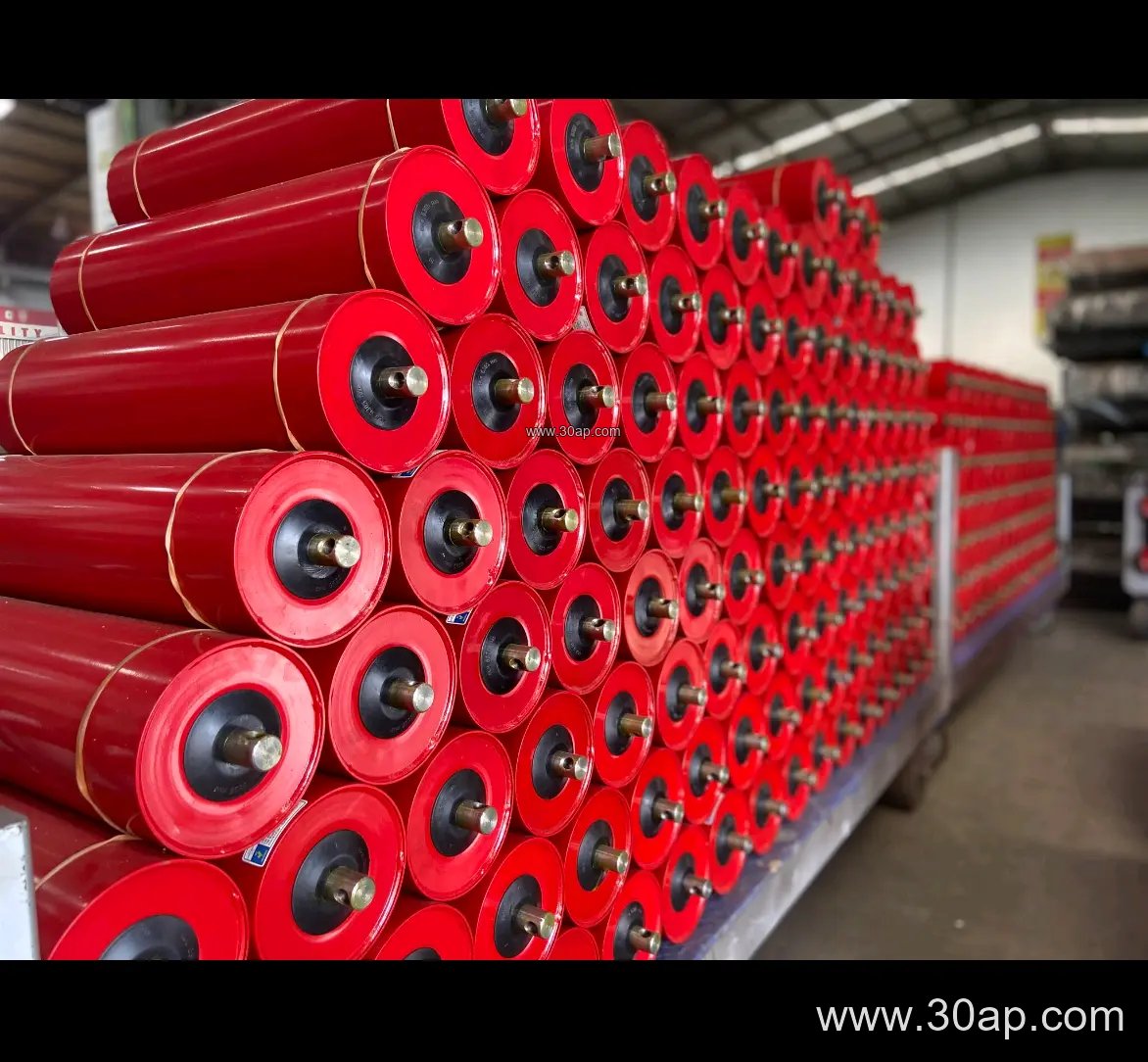
Most parallel return idlers use a steel tube shell with pressed bearing housings at each end. The shaft is usually cold-drawn, and the bearings are deep-groove ball types protected by labyrinth seals. Roller surfaces can be plain steel, nylon-coated, or fitted with rubber rings for light impact and noise reduction. The table below shows typical reference sizes; actual selection depends on belt width, load, and frame design.
| Roller Diameter (mm) | Common Belt Width (mm) | Typical Bearing | Notes |
|---|---|---|---|
| Ø63 | B400–B500 | 6204 | Light-duty return run |
| Ø76 | B500–B650 | 6205 | Small aggregate lines |
| Ø89 | B650–B800 | 6205 / 6305 | General quarry use |
| Ø102 | B800–B1000 | 6305 | Medium belt tension |
| Ø108 | B800–B1000 | 6305 / 6306 | Common in cement plants |
| Ø127 | B1000–B1200 | 6306 | Heavier return loads |
| Ø133 | B1200–B1400 | 6306 / 6308 | Power plant coal lines |
| Ø159 | B1400–B1600 | 6308 | Mining and port conveyors |
| Ø178 | B1600–B1800 | 6310 | Heavy-duty bulk material |
| Ø194 | B1800–B2000 | 6310 | Large stone crushing lines |
| Ø219 | B2000–B2400 | 6310 | Extra-wide belt support |
The roller length changes with belt width and frame type. For a flat return idler, the face length is usually a little wider than the belt. These values are examples, not fixed matches; a B1000 belt may use different roller diameters depending on the conveyor design. Bearings such as 6204 or 6308 are chosen by load and speed, not by roller diameter alone.
Where Parallel Return Idlers Are Used
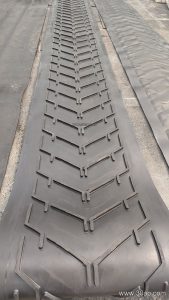
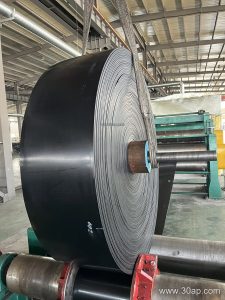
You will find parallel return idlers in nearly every bulk handling line that uses a fabric core conveyor belt or a steel cord conveyor belt. In an iron ore terminal, they support the empty belt after the discharge pulley. In a limestone quarry, they keep the return run stable under a 1200mm wide conveyor belt. The roller also appears in sand and gravel plants, fertilizer handling, and tunnel spoil removal. Because the return side carries no material, the parallel idler mainly resists belt weight and any sticking material. In dusty or wet conditions, a well-sealed bearing makes a real difference to service life.
Buyer Checklist for Return Rollers
Before ordering, confirm the belt width, the frame gap, and the roller diameter that fits your existing brackets. Check the shaft end type—common designs include flattened ends, threaded ends, or through-shaft with pins. Ask about the seal arrangement and bearing brand only if the conveyor runs in a wet or abrasive environment. For a coal mining conveyor belt with flame retardant properties, the return idler itself is usually steel; the belt specification does not change the roller size. Keep a few spare rollers on site, because a seized return idler can wear the belt edge and damage the conveyor pulley. The parallel return idler is not interchangeable with a V-type return roller or a training idler; each has a different job on the return run.
Maintenance and Comparison Notes
Inspect return idlers during routine belt checks. Listen for squealing bearings, look for a roller that has stopped turning, and check for material build-up on the shell. A flat return roller is easy to replace if the brackets are undamaged. Compared with a V-shaped return idler, the parallel type gives full-width support but less self-centering effect. That is why some long overland conveyors use a mix of parallel and training return rollers. The choice depends on belt tracking history, not on a single rule. For heavy-duty mining conveyor belts and high abrasion resistant conveyor belts, the return idler should match the belt load and the environment. Always confirm dimensions against the actual conveyor frame before installation.