What a Rubber Spiral Idler Does on a Conveyor
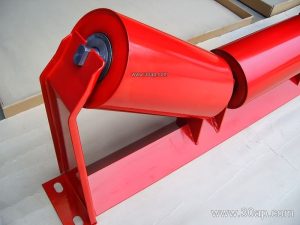
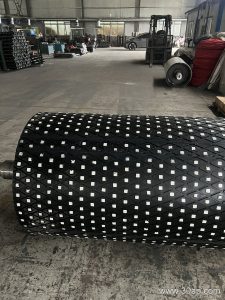
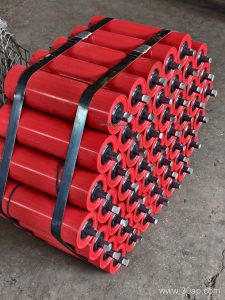
A rubber spiral idler is a return-side roller wrapped with a helical rubber profile. It supports the empty belt on its way back to the tail pulley and, because the spiral rubber contacts the belt instead of a bare steel shell, it tends to shed sticky material rather than build up a lumpy coating. In plants handling wet or dusty bulk solids, that self-cleaning action is often the reason this roller is chosen over a plain flat return roller. The product is also called a rubber spiral roller or rubber helical return idler, and those names refer to the same item.
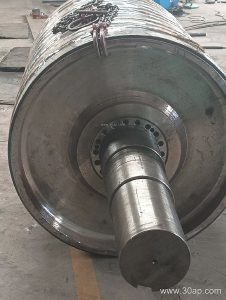
It is not a drive pulley, tail pulley or bend pulley. Those are conveyor pulleys that transmit power or change belt direction, and they are never interchangeable with a return idler. The rubber spiral idler is a conveyor idler roller that rotates freely under the belt, usually mounted in a conveyor bracket on the return run.
How the Roller Is Built
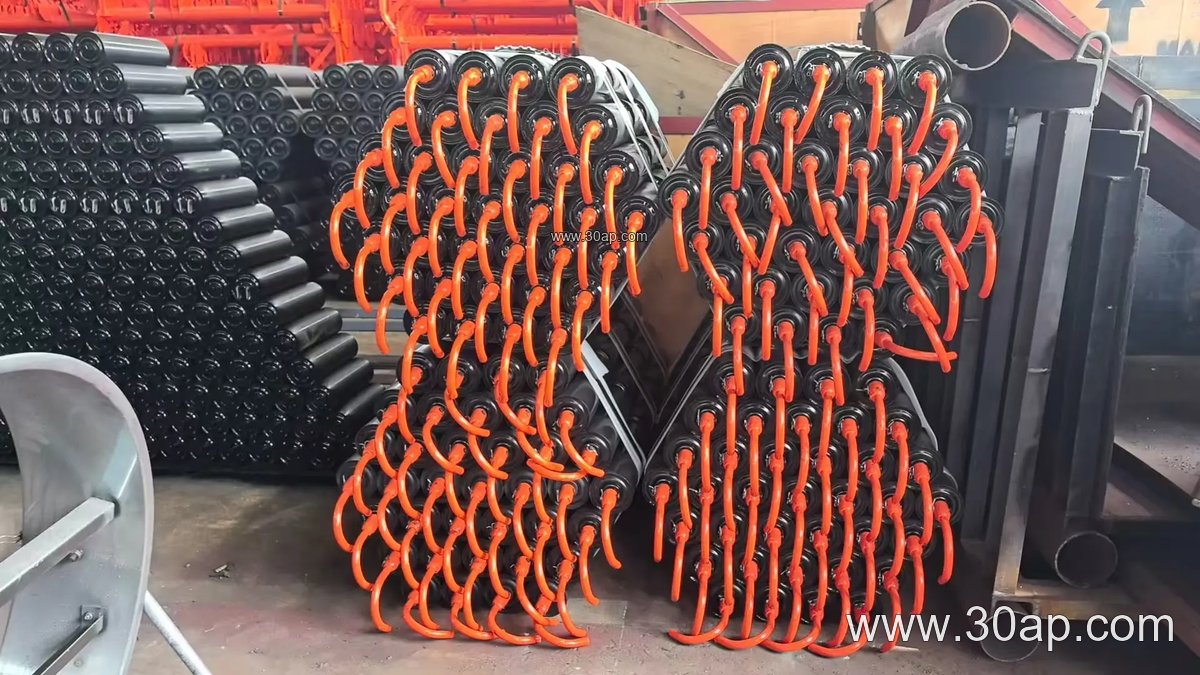
The core is a steel tube sized to the belt width and load, fitted with bearing housings at each end. A rubber spiral is bonded or vulcanized onto the shell in a continuous helix. Common bearing sizes for return rollers include 6204, 6205, 6305, 6306 and 6308, matched to the shaft and load by the designer rather than fixed by belt width alone. Shaft diameter is determined by the idler frame and load calculation, not by a single belt width.
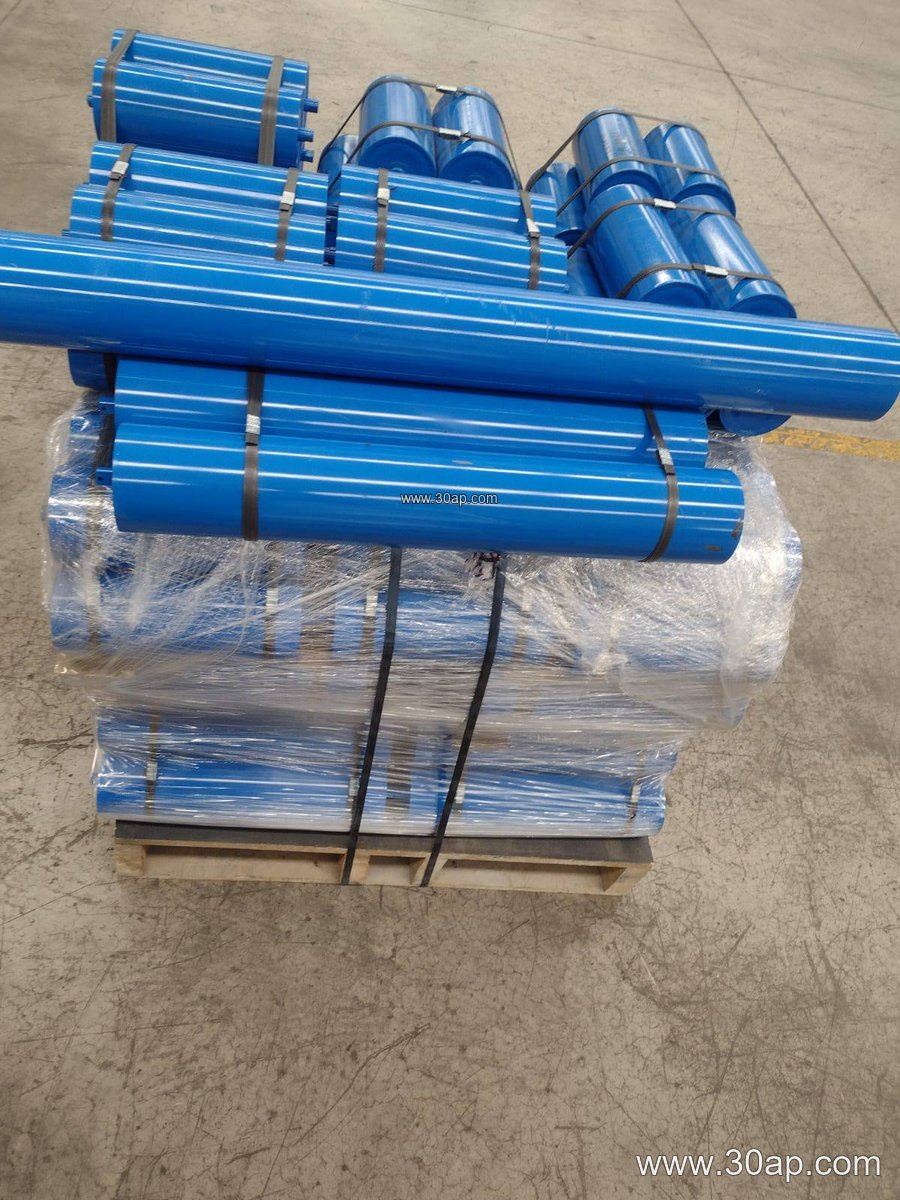
Common roller diameters for this family include Ø89, Ø102, Ø108, Ø127, Ø133 and Ø159 mm, with larger sizes used on heavy return runs. Belt widths typically range from B500 to B2000, and roller length follows the belt width, trough angle and frame form. For reference, a three-roll troughing set might use a middle roll of about 200 mm at B500, 315 mm at B800, 465 mm at B1200 and 600 mm at B1600, but side rolls and return rolls can differ, so these are examples only.
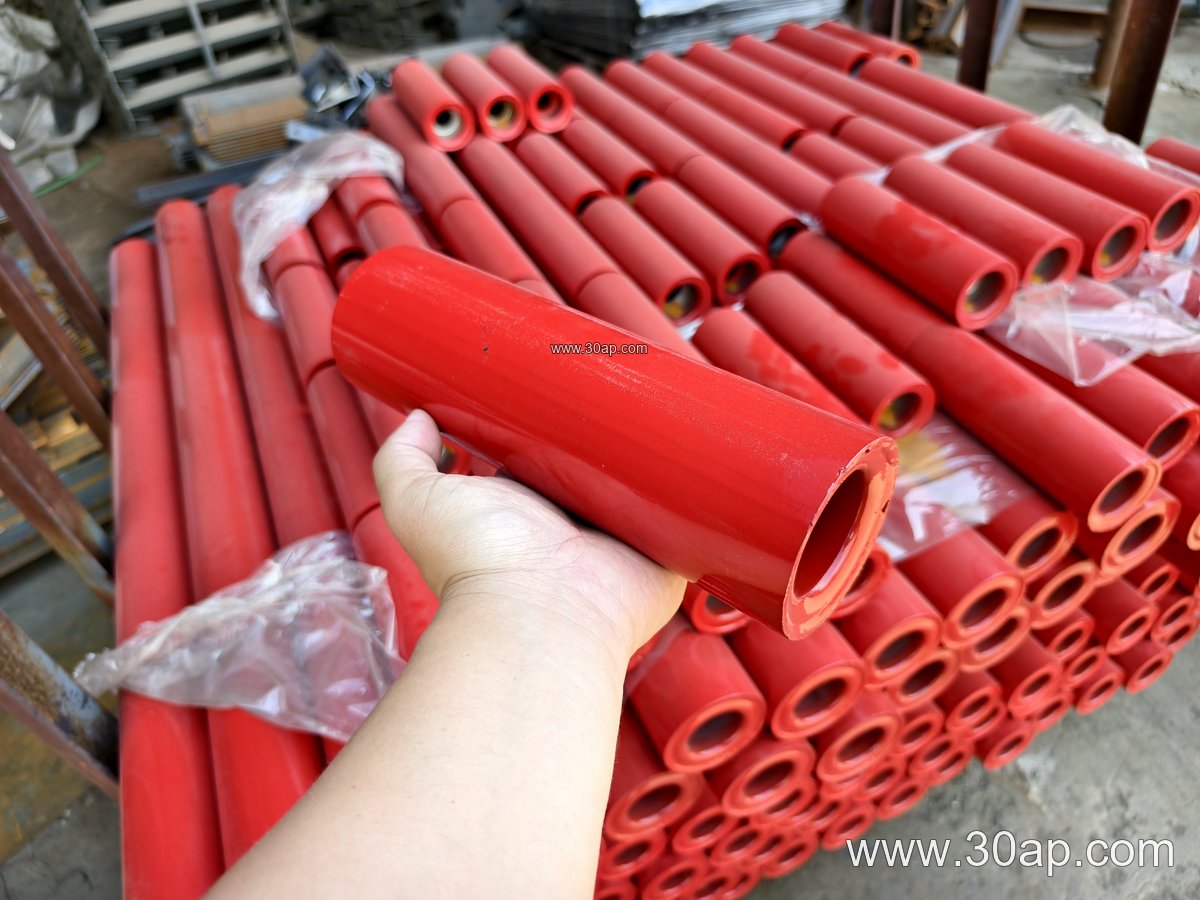
Where It Fits in the Plant
The rubber spiral idler is most at home on the return strand of a belt carrying damp, sticky or fibrous material. In a coal preparation plant or a cement plant, fine dust and moisture can cling to a smooth steel return roller and create an out-of-balance lump that damages the belt edge. The spiral profile breaks that contact and lets material fall away. In a quarry or aggregate line, the same roller helps keep the return run cleaner under a crusher conveyor belt handling damp sand and stone.
It is also used in power plant coal handling, fertilizer plants and port bulk terminals where spillage and humidity are routine. The roller does not replace a conveyor pulley at the head or tail; it works alongside them. On a long overland conveyor, a steel cord conveyor belt may run over many return idlers, and a rubber spiral roller is one option for the sections where carryback is heaviest.
Selection Points for Buyers
Buyers should confirm the belt width, the return idler frame dimensions, the shaft end type and the roller diameter before ordering. The rubber spiral idler should match the bracket spacing and the belt speed, and the rubber hardness and profile should suit the material. For abrasive ore or heavy stone, a wear-resistant rubber compound helps; for coal mining conveyors, flame retardant properties may be required on the belt and sometimes on the roller covering, so check the specification rather than assume.
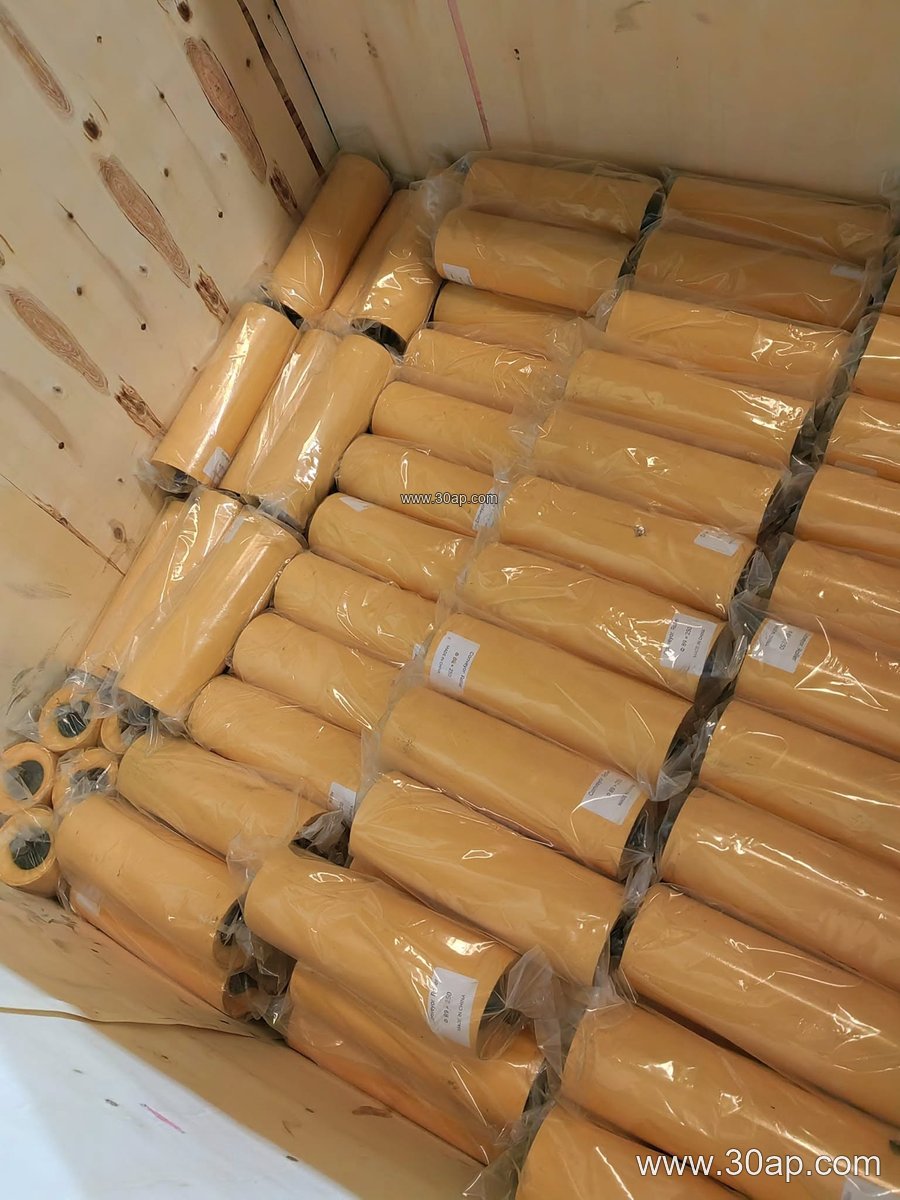
| Parameter | Common reference |
|---|---|
| Roller diameter | Ø89, Ø102, Ø108, Ø127, Ø133, Ø159 mm |
| Belt width | B500 to B2000 mm |
| Bearing | 6204, 6205, 6305, 6306, 6308 |
| Surface | Rubber spiral on steel tube |
| Mounting | Return idler bracket |
Because the spiral rubber is a wear part, buyers should ask about the bonding method and the rubber thickness. A poorly bonded spiral can peel under a heavy belt, and a very hard compound may not shed material as well as a softer one. The roller should turn freely by hand and the seal should keep dust out of the bearing.
Maintenance and Compatibility
Inspect the rubber spiral idler for worn or missing rubber, seized bearings and material build-up. A roller that stops turning will flat-spot the belt and wear the spiral quickly. Replace it with the same diameter and shaft end, and check the conveyor bracket for alignment. The roller works with a range of belts, including abrasion resistant conveyor belt, heat resistant conveyor belt and flame retardant conveyor belt, but the belt specification does not change the idler mounting. For sticky carryback, a rubber spiral return roller is often a practical upgrade over a plain steel return roller, while a V-return idler may be used where belt training is the main concern. Keep the two roles separate when specifying.