What a Sand and Gravel Conveyor Idler Does on the Line
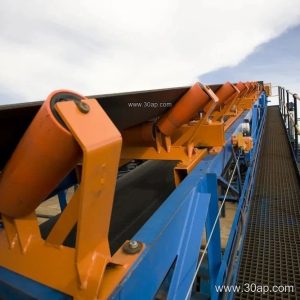
A sand and gravel conveyor idler is the rotating support that carries the belt and its load between the head and tail of a conveyor. In an aggregate plant, that load is heavy, abrasive and often wet, so the idler is less of an accessory and more of a wear part that decides how smoothly the whole circuit runs. The same basic roller appears in a quarry conveyor belt line, a crusher conveyor belt discharge, and the transfer belts that feed a screening deck. If the rollers drag or seize, the belt scuffs, the motor pulls harder, and spillage increases.
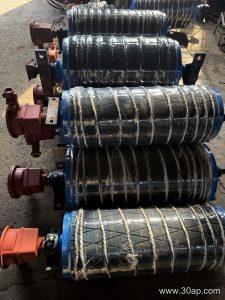
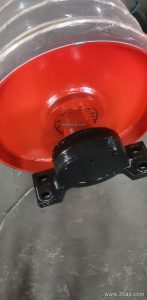
The product is also called a conveyor roller or carrying roller. Those names describe the same item; they do not describe a drive pulley, a tail pulley or a bend pulley, which are different components with different jobs.
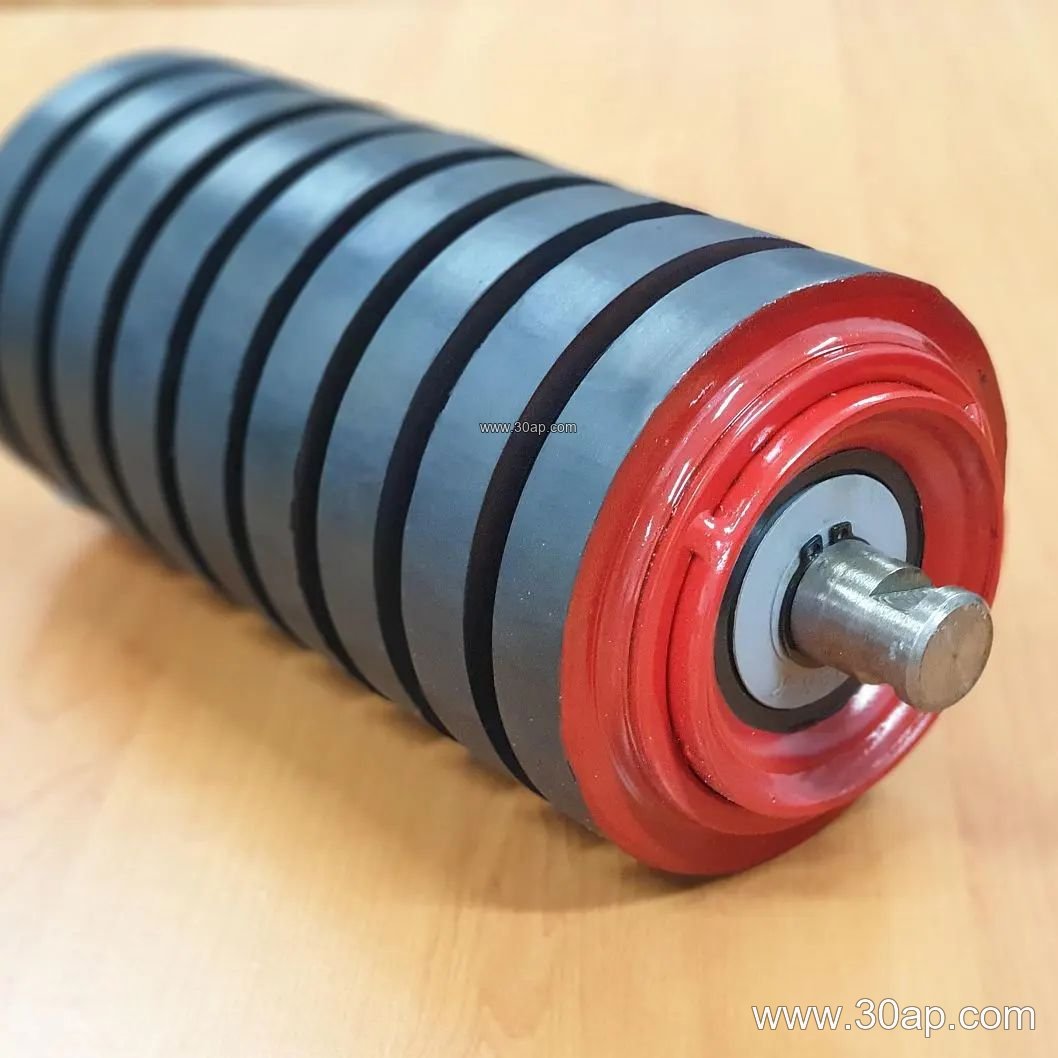
How the Roller Is Built
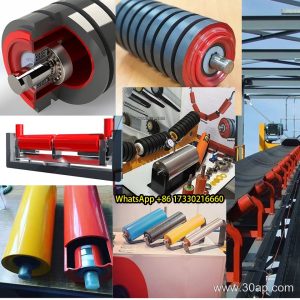
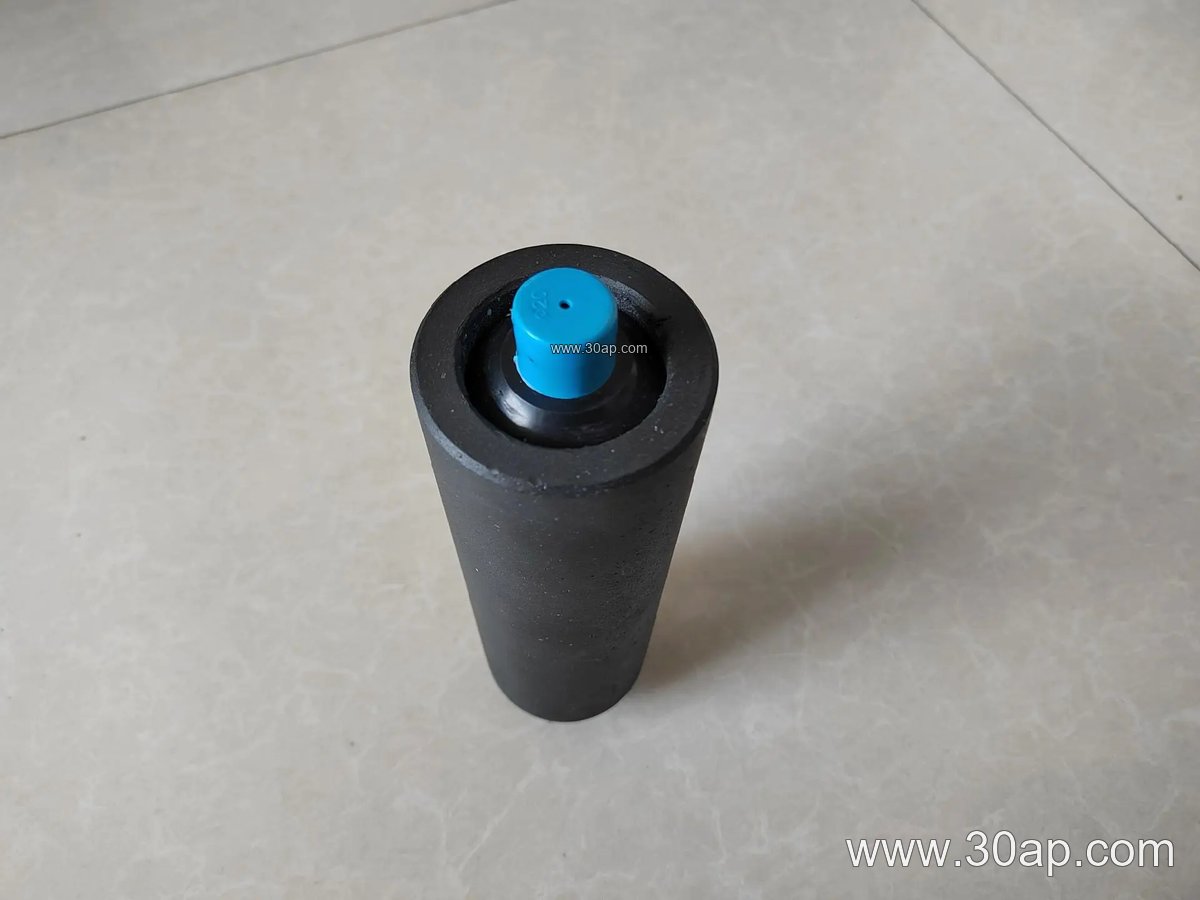
Most units combine a steel tube shell, a through shaft, sealed bearing housings at each end, and a set of end caps. The shell is usually welded steel pipe, though nylon, ceramic and rubber-covered surfaces appear where abrasion or build-up is a concern. Bearing sizes commonly range from 6204 and 6205 on smaller rollers up to 6308 and 6310 on heavy stations; the correct bearing follows the load and the shaft design, not the belt width alone.
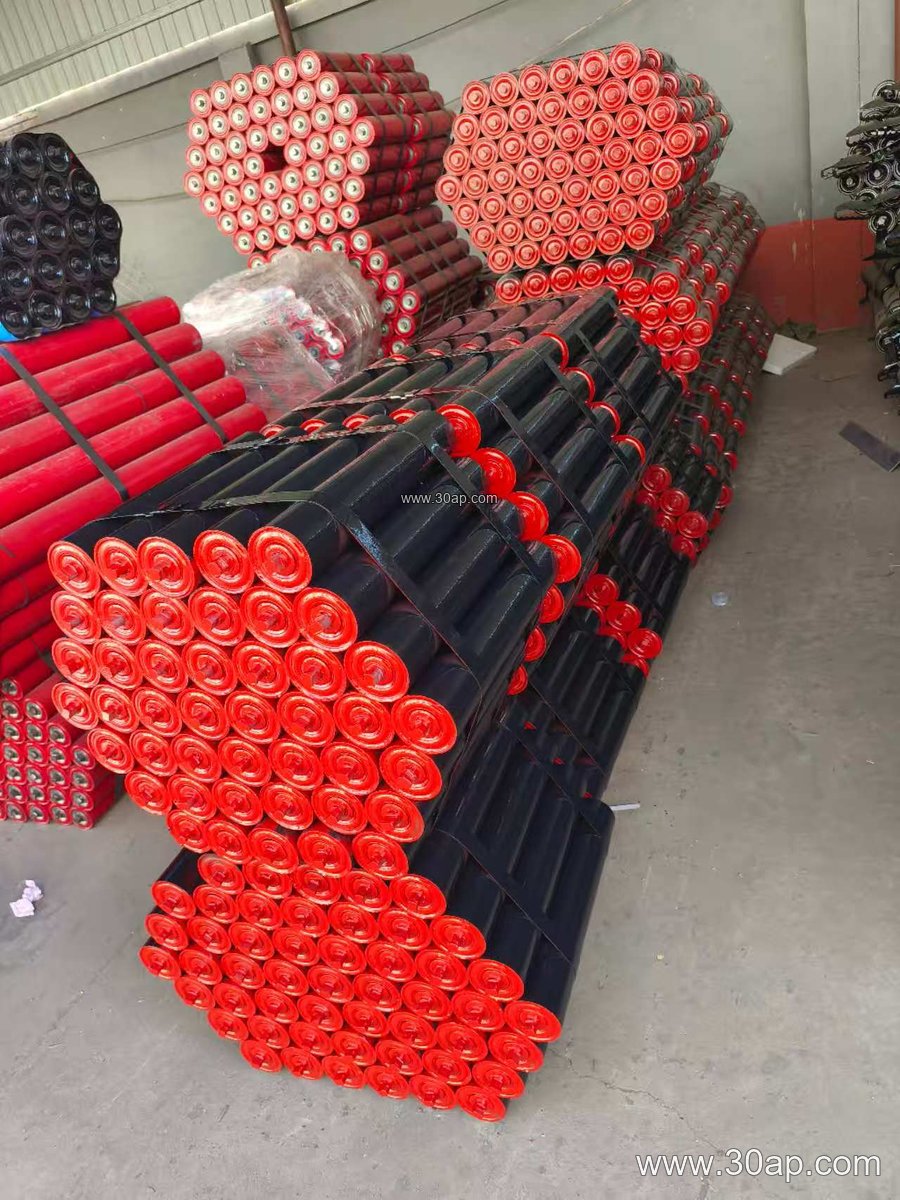
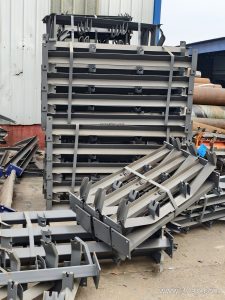
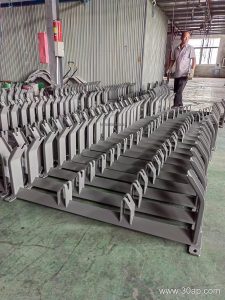
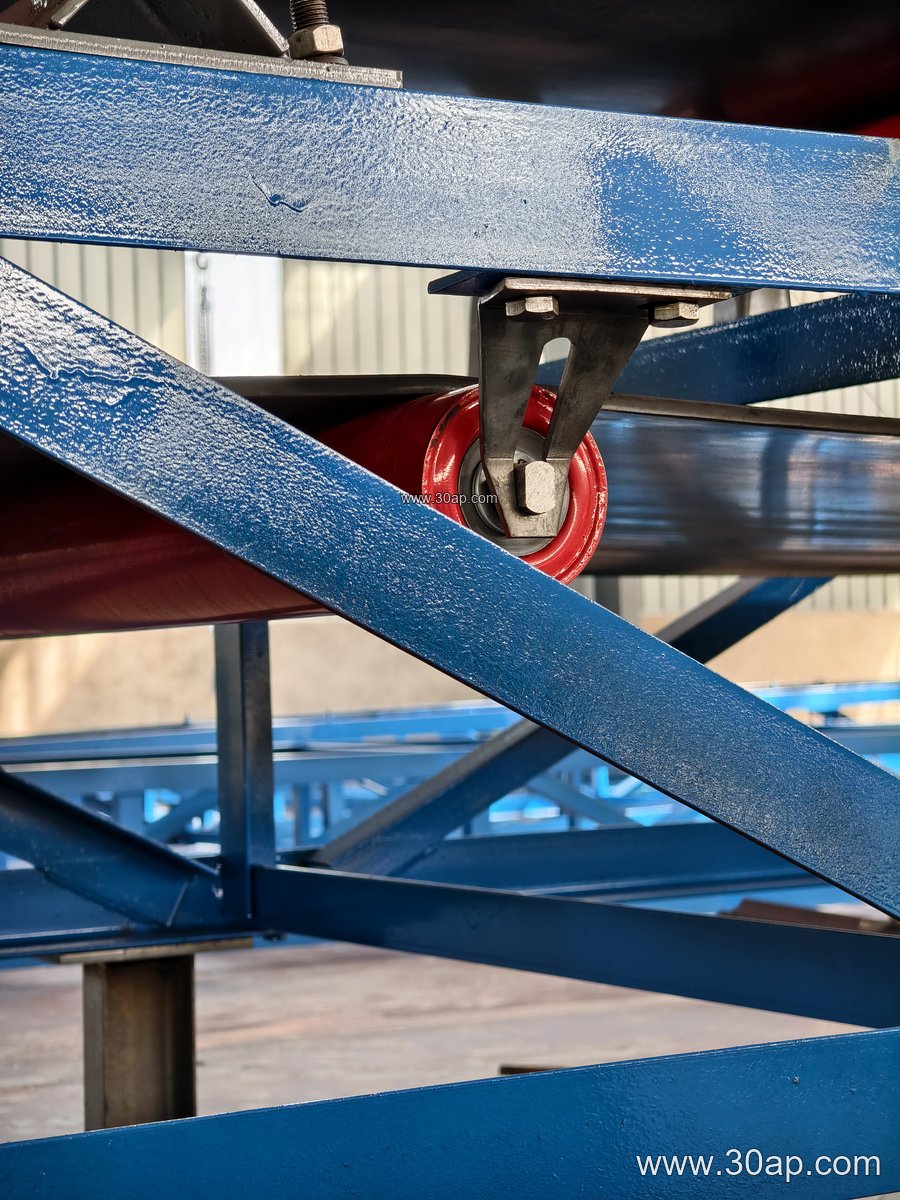
Sealing matters as much as the tube. Dust from crushed stone, lime and ore fines works into unsealed housings quickly. Labyrinth seals and grease retention features are what separate a long-life roller from one that howls after a few months. A conveyor bracket holds the idler in place, and frame alignment affects how evenly the load is shared across a three-roll set.
Common Arrangements in Aggregate Service
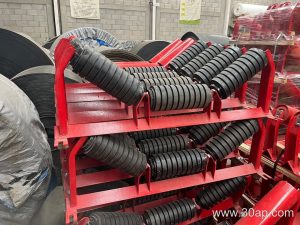
Troughing idlers set the belt into a curve so material stays centered. Three-roll trough sets are the norm on main belts, with trough angles of 20, 30, 35 or 45 degrees. Return idlers support the empty strand, and V-return or flat return forms are common depending on belt width and training needs. Impact idlers with rubber rings sit under crusher discharge points where lumps fall hard. Transition idlers ease the belt from flat to troughed profile near pulleys.
Roller diameters in this sector typically run from about Ø89 and Ø102 up to Ø159 and Ø178, with larger sizes on high-tonnage lines. Belt widths commonly span B500 through B1400 and beyond. For a three-roll trough set, roller length is often around 200 mm at B500, 315 mm at B800, 465 mm at B1200 and 600 mm at B1600, but side rollers and center rollers can differ, so these are examples rather than fixed pairings.
Where These Rollers Work
Sand and gravel plants are the obvious home, but the same idler turns up in limestone quarries, iron ore and copper ore handling, coal preparation plants, cement plants, power station coal yards and port bulk terminals. A conveyor belt moving damp sand behaves differently from one carrying blasted rock, so roller spacing and seal quality should follow the duty. On a quarry conveyor belt, fines and grit are constant, and on an ore conveyor belt the lumps are heavier and sharper.
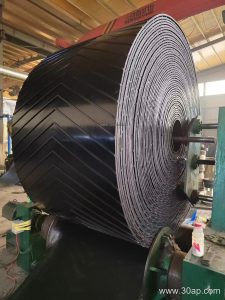
The belt itself is part of the picture. An abrasion resistant conveyor belt or a heavy-duty mining conveyor belt may tolerate a slightly worn roller, but a seized idler will still damage the cover. Matching roller quality to belt value is sensible; a high-strength conveyor belt such as an EP conveyor belt or steel cord conveyor belt deserves stations that will not chew its edges.
What Buyers Should Check
- Roller diameter and shell thickness for the load, not only the belt width.
- Bearing size and seal type for dusty or wet conditions.
- Trough angle and roll length that suit the existing frame and belt.
- Surface choice: plain steel, rubber ring for impact, or ceramic for sticky abrasion.
- Spacing along the line, since too-wide gaps sag the belt between stations.
Ask for dimensional drawings and bearing details rather than a single size claim. A sand and gravel conveyor idler that fits the frame, seals properly and matches the duty will outlast a cheaper unit that ignores site conditions. For related components, see the conveyor pulley and conveyor bracket selections at yonghangconveyor.com, and compare roller options before ordering a full belt line.