What the Belt Does in a Sand Making Circuit
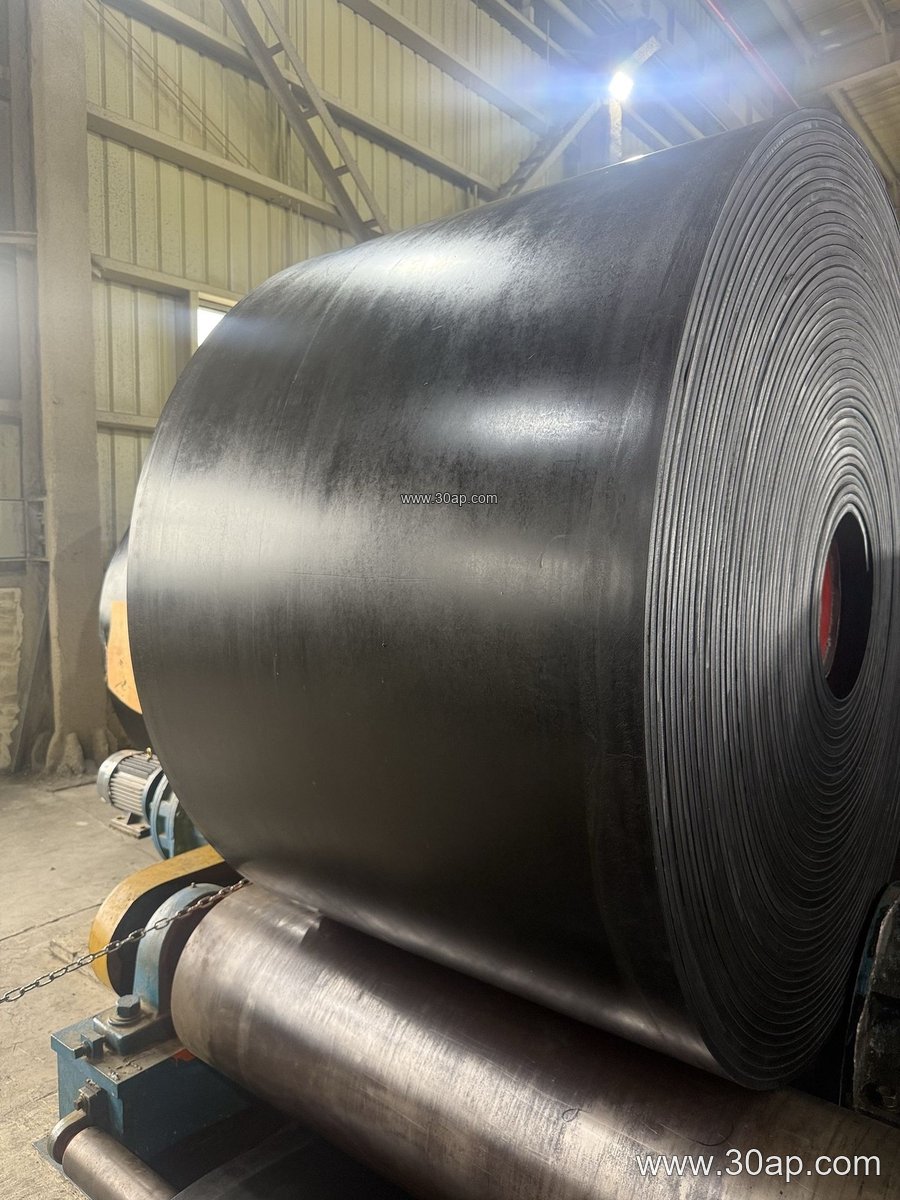
A Sand Making Plant Conveyor Belt moves crushed rock, manufactured sand, and screened aggregate between the jaw or cone crusher, the VSI sand maker, the vibrating screen, and the stockpile. The duty is abrasive and often dusty, so the belt is usually an abrasion resistant conveyor belt with a heavy rubber cover. In a typical sand and gravel plant the belt may run 500mm to 1200mm wide depending on tonnage, while a large quarry line may use a 1400mm or 1600mm belt to carry the recirculating load.
Construction of the Belt
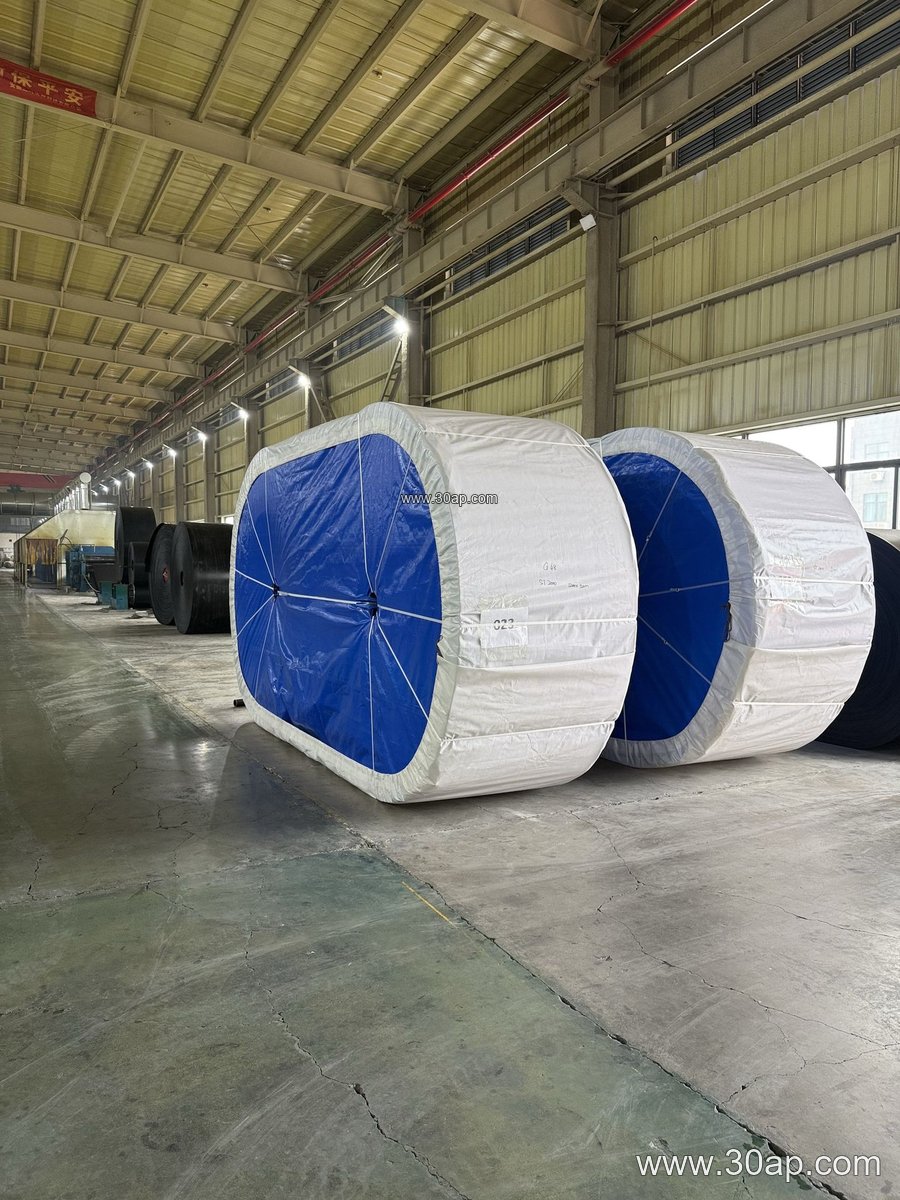
The carcass carries tension and the covers protect it. For sand making, an EP conveyor belt (polyester warp, nylon weft) is a common choice because it stretches less than an NN conveyor belt under start-stop loads. A multi-ply fabric core conveyor belt with two to four plies suits medium duty, and a steel cord conveyor belt is reserved for very long or high-tension trunk lines. Cover thickness is normally quoted as top plus bottom, for example 4+2 mm or 6+2 mm, and the top cover takes the impact at the crusher discharge.
Common Reference Data
Values below are typical references, not fixed rules. Final figures follow the conveyor design and the manufacturer’s data sheet.
- Type: EP200, EP315, EP400, EP500, EP630, EP800
- Width: B500, B650, B800, B1000, B1200
- Cover: 3+1.5, 4+2, 5+2, 6+2 mm
- Ply: 2 to 6 layers
Pulleys, Idlers and the Belt Path
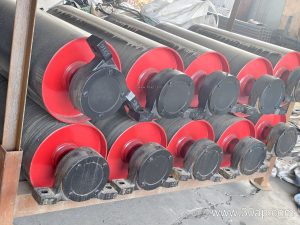
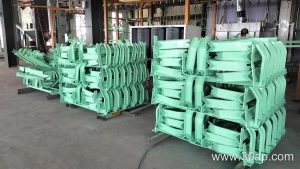
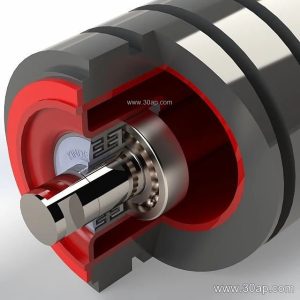
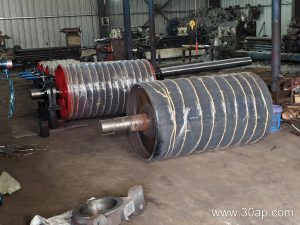
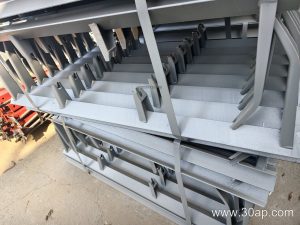
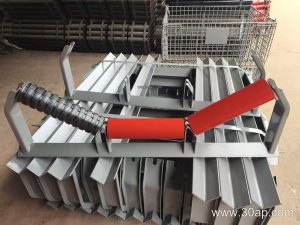
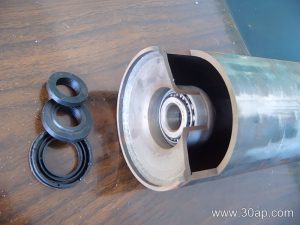
The belt runs over a drive pulley at the head, a tail pulley at the feed, and bend pulleys on the return or tension section. These are separate components with separate duties: the drive pulley transmits torque, the tail pulley supports the belt at loading, and a bend pulley changes direction, so none of them can be substituted for another. Troughed idler roller sets support the carrying side, return rollers support the empty side, and conveyor bracket frames hold both. A worn idler or a misaligned pulley quickly damages the belt edge, which is why alignment checks belong in every shift routine at a sand plant, quarry, or cement works.
Loading Points and Belt Protection
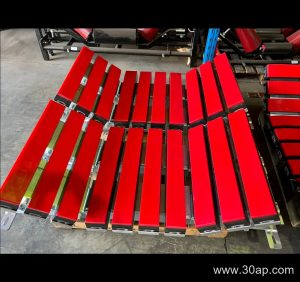
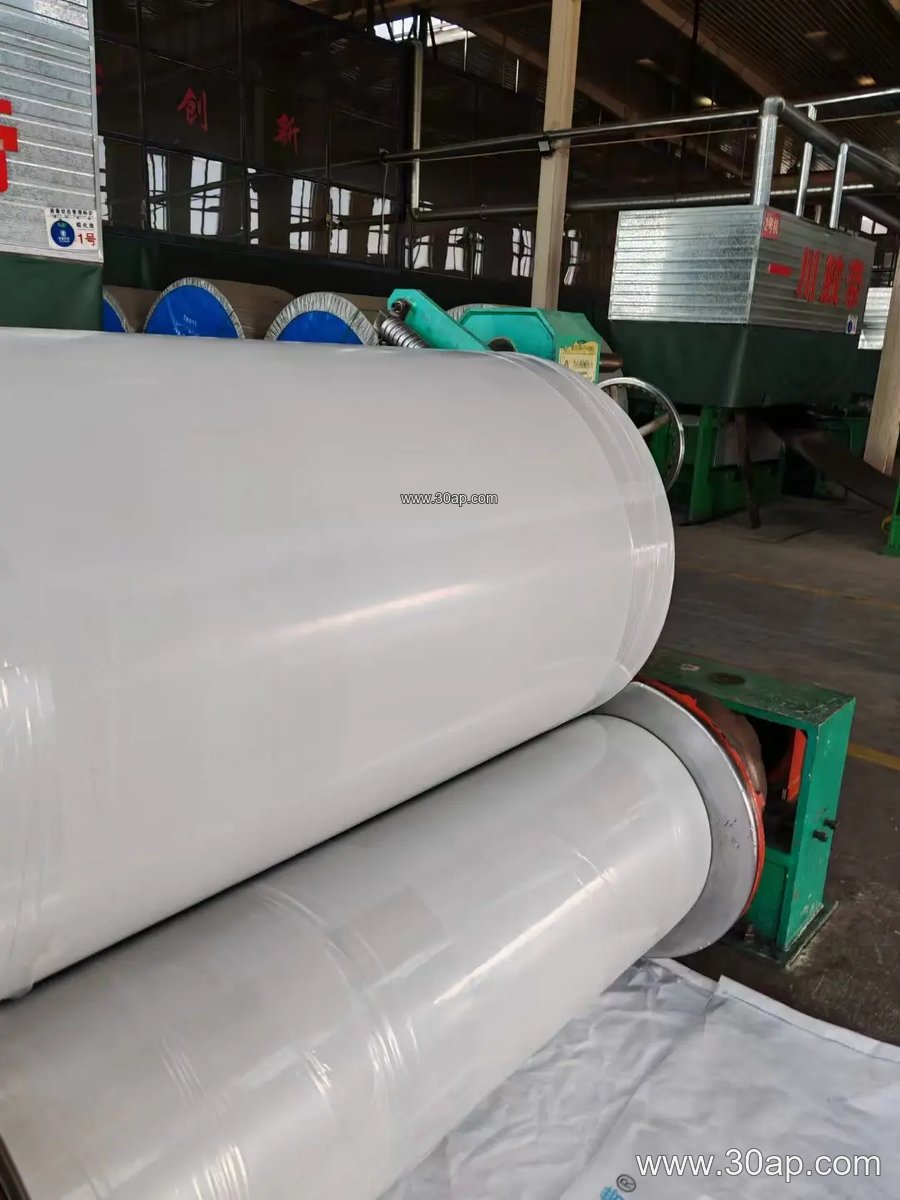
Rock leaving a crusher arrives with impact and sharp edges. Impact idlers, skirt rubber, and a short section of thicker cover reduce damage at the chute. If the layout rises steeply, a chevron conveyor belt or a corrugated sidewall belt can hold material on the incline, while a pipe conveyor belt encloses the load for dust control. For dusty sand circuits, anti-static and flame retardant grades are often specified where electrical equipment or enclosed galleries are present; heat resistant grades matter only if hot material enters the line.
Where Else These Belts Work
The same belt family serves coal handling, cement plants, power plant coal yards, iron ore and copper ore terminals, port ship loading, and recycling lines. A coal mining conveyor belt needs flame retardant and anti-static properties, while a quarry conveyor belt or aggregate conveyor belt emphasizes abrasion resistance. Buyers comparing a crusher conveyor belt for hard rock with a belt for washed sand should check cover grade, ply count, and tensile rating rather than width alone. On long overland runs, a high strength conveyor belt such as ST1250 or ST1600 may be quoted instead of fabric plies.
Buyer Checklist
- Confirm the design tension and choose between EP1000, EP1250, or a steel cord option; a 1000mm belt does not dictate one pulley diameter, and shaft size comes from the conveyor design.
- Match cover grade to the material: abrasive sand, wet slurry, oily feed, or hot clinker.
- Check belt width against the chute opening and the idler trough angle.
- Ask for the splice method, since an endless conveyor belt joint must suit the plant’s downtime window.
- Plan spare idlers, pulley lagging, and skirt rubber together with the belt order.
For more detail on belt and component selection, visit beltpros.com for conveyor belt guidance and idlerpros.com for idler roller data. A well matched sand making plant conveyor belt, supported by sound pulleys and rollers, keeps the whole crushing and screening circuit running.