What a Steel Cord Conveyor Belt Is
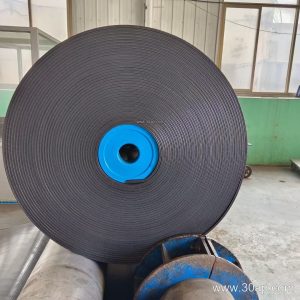
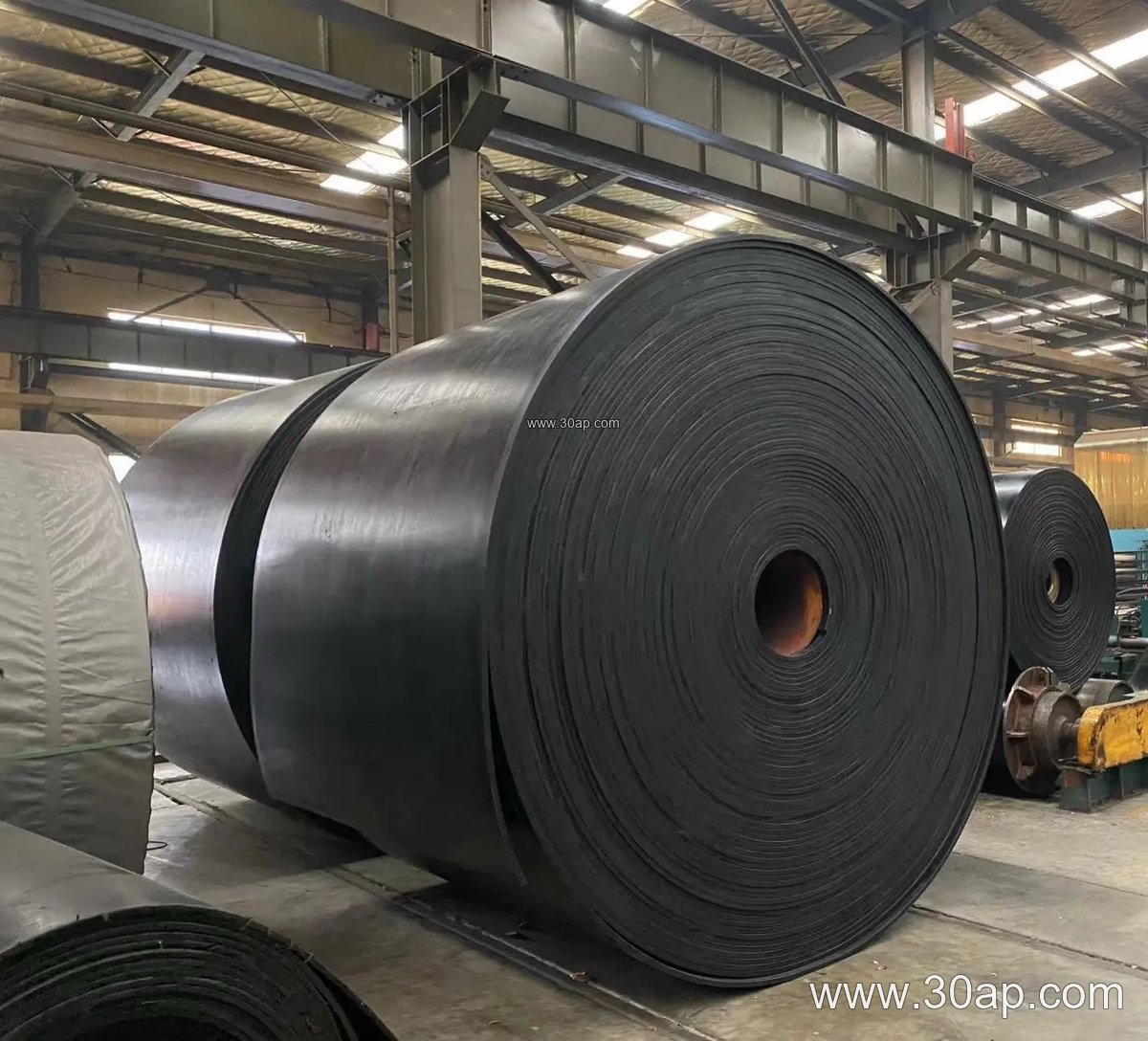
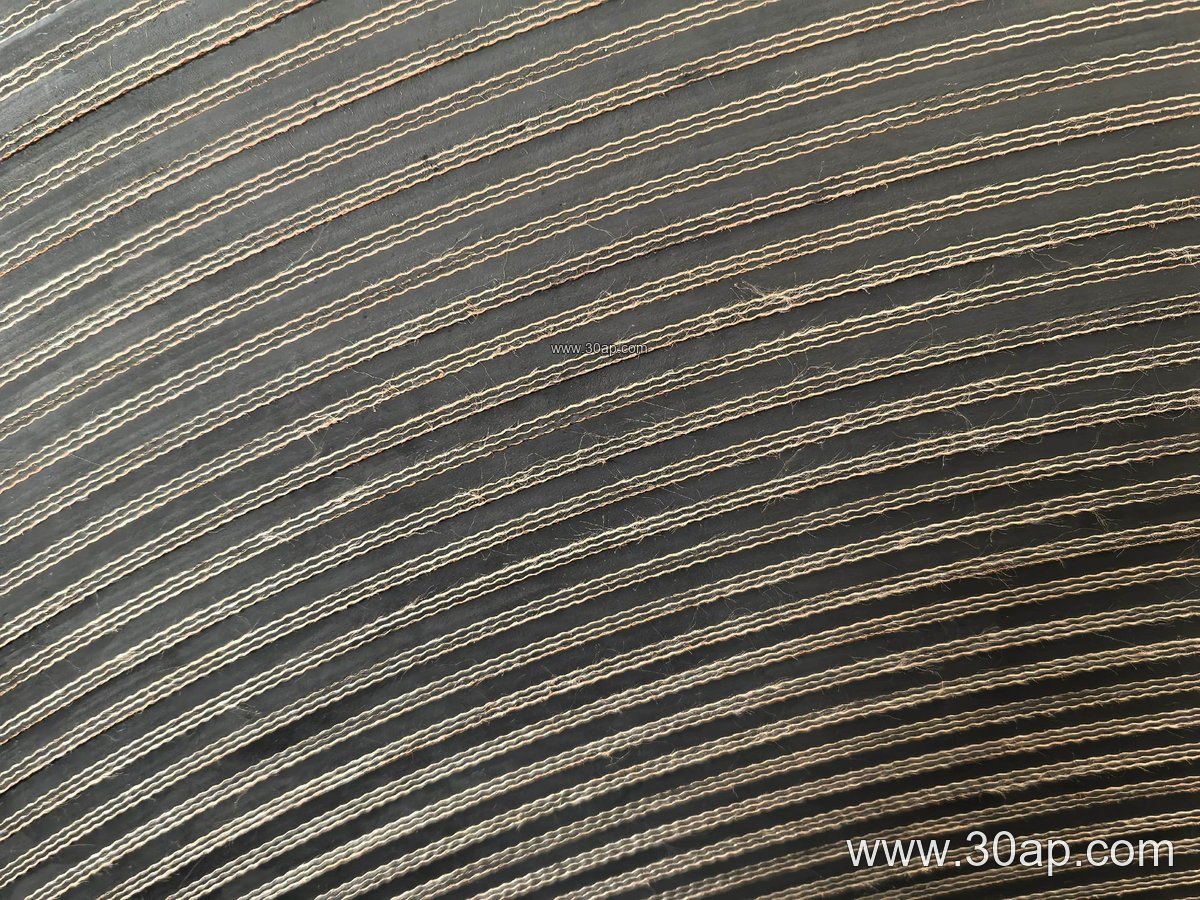
A steel cord conveyor belt is a heavy-duty rubber belt reinforced with parallel steel cords running longitudinally. These cords act as the tension-bearing skeleton, giving the belt high strength and low elongation. This construction makes it suitable for long-distance, high-capacity conveying in mines, cement plants, power stations, ports, and aggregate operations. Unlike fabric-core belts such as EP conveyor belt or NN conveyor belt, the steel cord version handles much higher tensions and wider spans without excessive stretch.
Construction and Key Components
The belt consists of steel cords embedded in a rubber core, with top and bottom cover rubber protecting the carcass. The cords are usually brass-plated for adhesion. Cover compounds are selected for abrasion resistance, heat resistance, flame retardancy, or oil resistance depending on the service environment. The belt edges are often protected with a rubber edge strip. Common cover thickness combinations include 4+2 mm, 5+2 mm, 6+2 mm, and 8+3 mm, while overall belt thickness and cord pitch are specified by the manufacturer. Widths typically range from 800 mm to 2200 mm, with ST1000, ST1250, ST1600, ST2000, ST2500, and ST3150 being common strength designations. These values are reference data; actual selection depends on conveyor design, load, and safety factors.
Where It Is Used
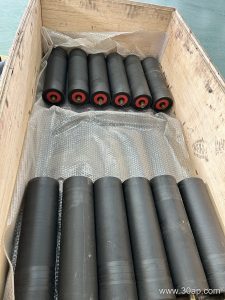
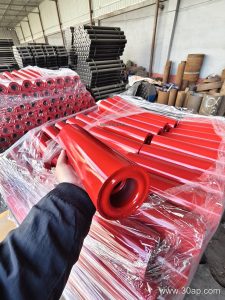
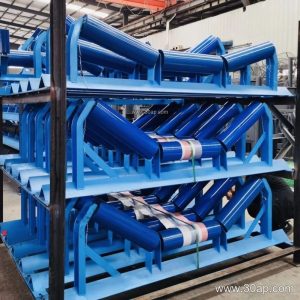
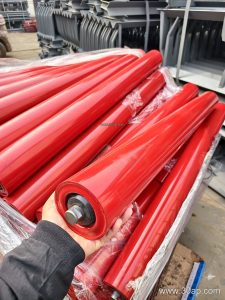
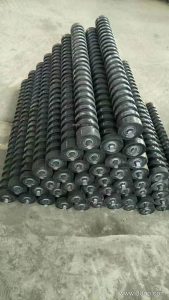
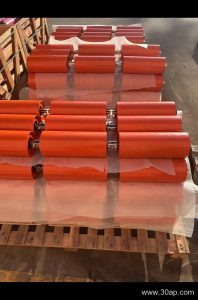
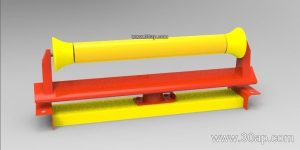
Steel cord belts are found in underground coal mining, open-pit mines, cement plants, steel plants, power plants, and port ship-loading systems. They carry bulk materials such as coal, ore, limestone, clinker, and aggregate. In a typical conveyor, the belt runs over idler rollers and around a drive pulley and tail pulley, with conveyor brackets supporting the structure. The high strength of the steel cord belt allows fewer transfer points and reduced maintenance compared with multi-ply fabric belts. For environments requiring flame resistance, a flame retardant conveyor belt version with steel cord carcass is available. Similarly, heat resistant and abrasion resistant grades are produced for specific conditions.
Subtypes and Comparisons
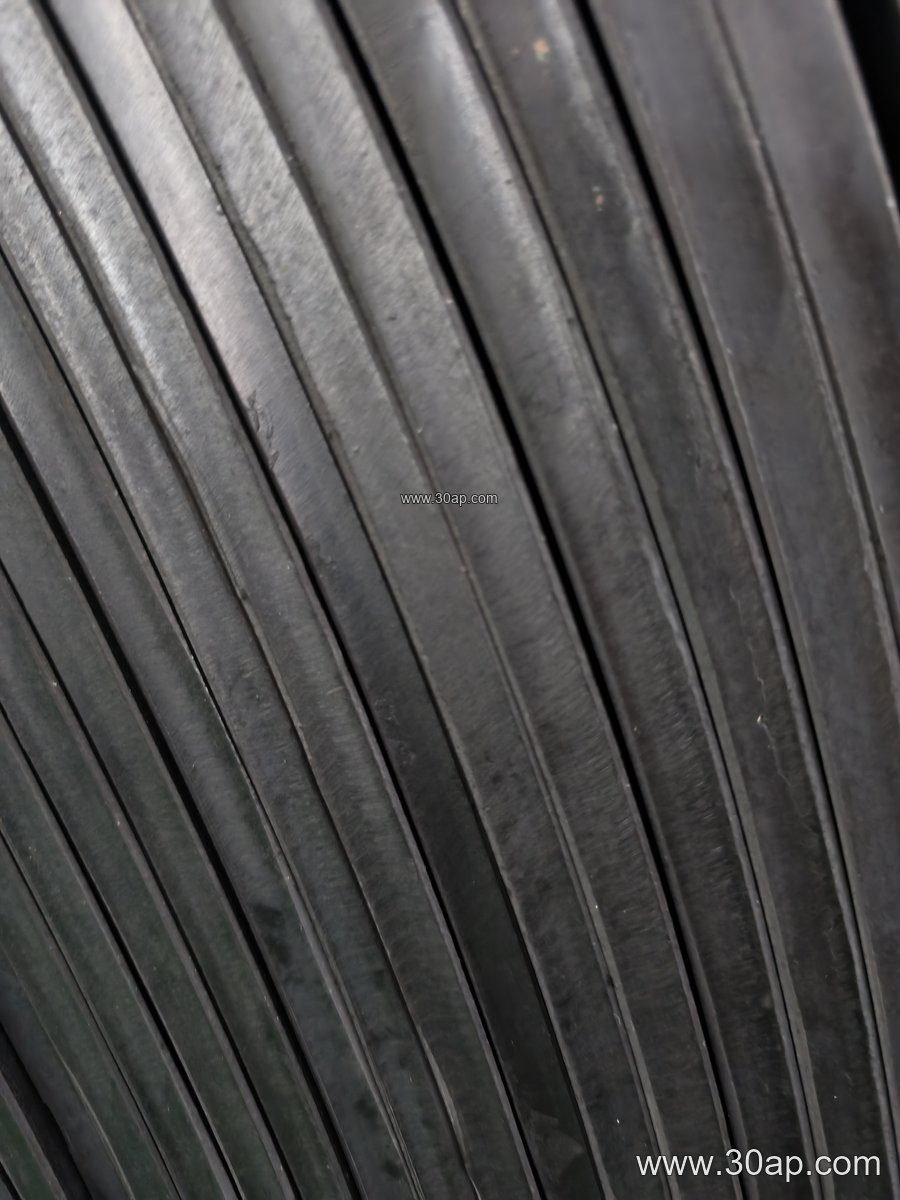
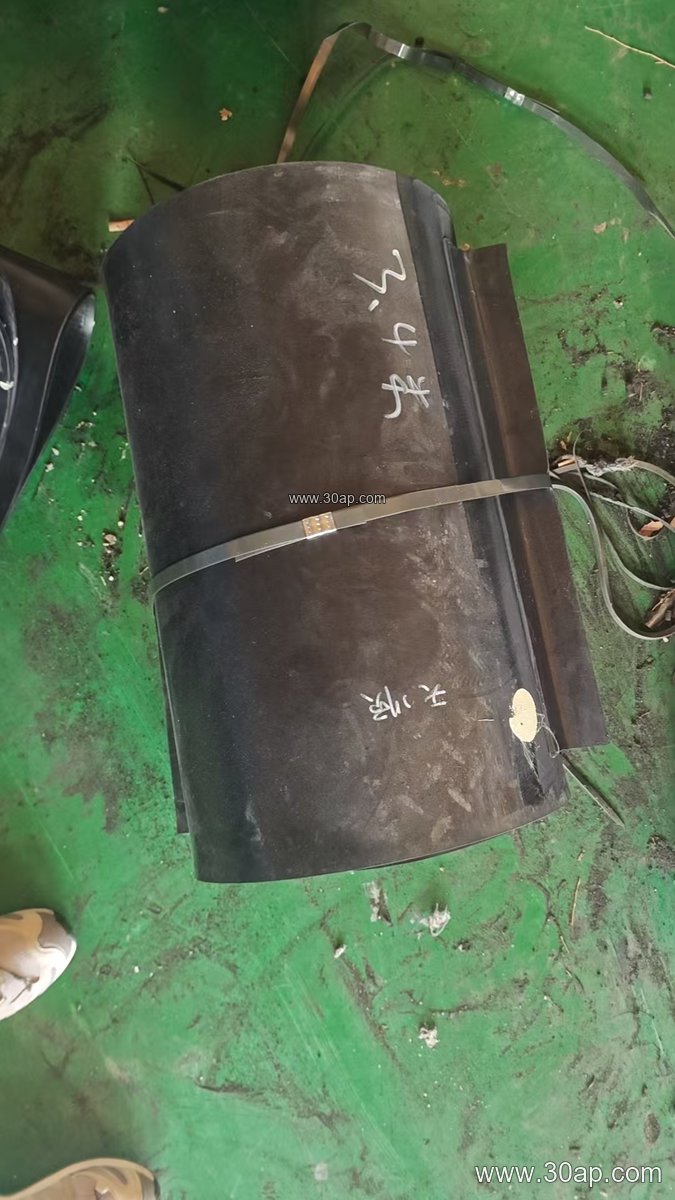
While steel cord belts excel at high tension and long distance, fabric-core belts like EP conveyor belt or NN conveyor belt are often more economical for shorter conveyors. Specialized belts such as chevron conveyor belt, corrugated sidewall conveyor belt, and pipe conveyor belt serve different purposes but can also be built with steel cord reinforcement when high strength is needed. For underground coal mining, PVG conveyor belt is common, but steel cord belts are preferred for main haulage where tension demands are high. Heat resistant conveyor belt and oil resistant conveyor belt constructions are also available with steel cord carcass. The choice depends on the conveyor profile, material, and operating environment.
Buyer Checklist
- Confirm the required belt strength (e.g., ST1000, ST1600) and width (e.g., 1000 mm, 1200 mm, 1400 mm) based on conveyor design.
- Specify cover rubber grade and thickness for abrasion, heat, oil, or flame resistance.
- Check cord pitch and number of cords per width; these affect flexibility and splice method.
- Consider impact resistance at loading points; impact idler roller or cushion idlers may be needed.
- Ensure proper pulley diameter and lagging for the belt thickness and cord construction.
- Plan for splicing: steel cord belts require specialized splicing equipment and skilled technicians.
For reliable operation, match the belt to the conveyor system and maintain proper tension and alignment. Regular inspection of idler rollers, pulleys, and brackets helps prevent belt damage. Whether for a quarry conveyor belt or a heavy-duty mining conveyor belt, a steel cord conveyor belt offers a robust solution for demanding bulk material handling.