What the Ø159 Impact Idler Does
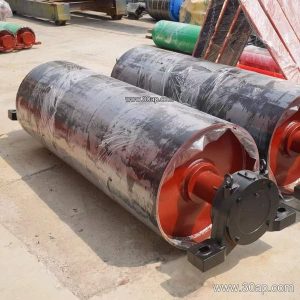
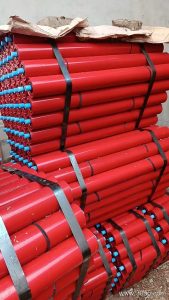
The Ø159 impact idler is a heavy-duty carrying roller built to absorb the shock of falling material at conveyor transfer points. In a quarry, a coal preparation plant, or a copper ore handling line, the belt often receives lumps of rock or ore with significant force. Standard carrying idlers may develop flat spots, cracked shells, or bearing damage under that kind of punishment. The impact idler uses a larger roller diameter and a shock-absorbing surface to spread the load and protect both the idler and the belt.
Where it sits in the conveyor structure
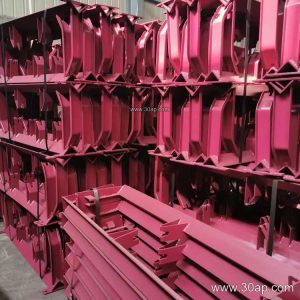
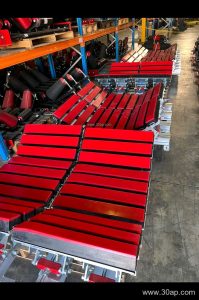
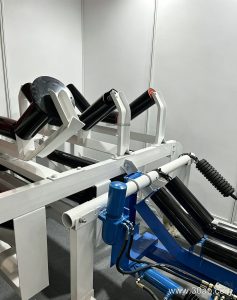
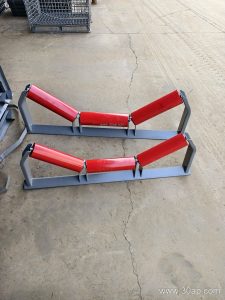
These rollers are installed in the impact zone, usually directly beneath the chute or crusher discharge. They are mounted in a conveyor bracket or impact frame, often in a three-roll trough arrangement, with the center roll taking the main hit and the side rolls supporting the belt edges. The 159 mm diameter gives more surface contact and a stronger shell than smaller rollers, which helps when the material includes sharp, heavy fragments.
Construction and Surface Options
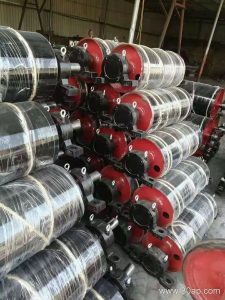
The body is typically a thick-walled steel tube, fitted with sealed bearings and a shaft sized for the load. The most recognizable feature is the rubber ring or rubber disc surface. Rubber rings cushion the fall, reduce noise, and allow some deflection without permanent deformation. Some designs use a continuous rubber sleeve instead of separate rings. Bearing selection is matched to the roller diameter and duty; common bearings in this size range include 6308 and 6310, but the final choice depends on the conveyor design and load calculation.
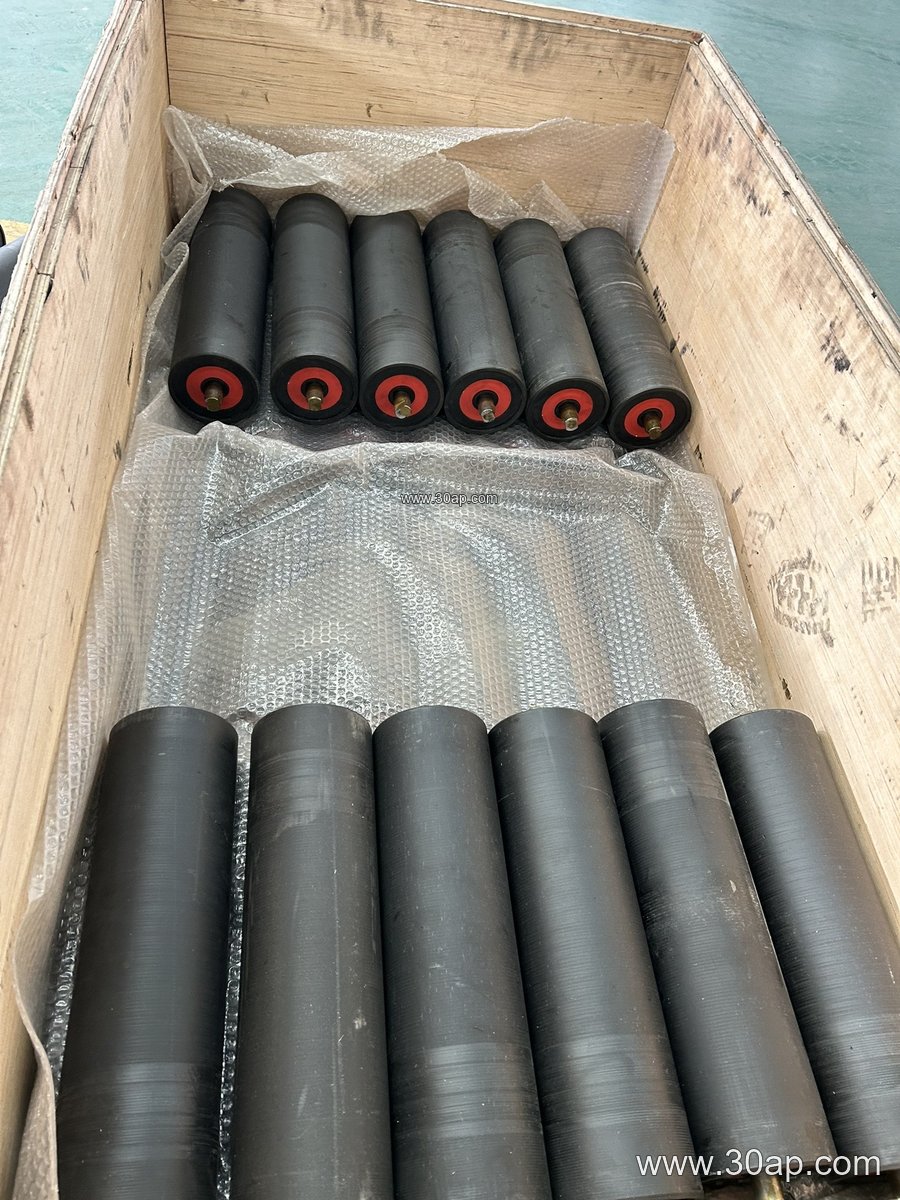
Sealing matters as much in an impact idler as in any other roller. Dust, grit, and moisture from crushed stone or coal fines can destroy a bearing quickly. A good labyrinth seal and proper grease retention extend service life. Buyers should confirm the sealing arrangement, the rubber hardness, and the shaft end fixing method before ordering.
Matching Diameter and Belt Width
The Ø159 idler is not tied to one belt width. It can appear on B800, B1000, B1200, and wider belts, depending on the conveyor capacity and the drop height. Roller length changes with belt width and trough angle. For a three-roll trough set, common roll lengths are roughly 315 mm for B800, 380 mm for B1000, 465 mm for B1200, and 530 mm for B1400. These are reference examples, not fixed combinations. The side rolls and center roll may differ, and the impact frame design often dictates the exact dimensions.
| Reference item | Common range or example |
|---|---|
| Roller diameter | Ø159 mm |
| Belt width examples | B800, B1000, B1200, B1400 |
| Trough angle | 20°, 30°, 35°, 45° |
| Roll surface | Rubber ring, rubber disc, steel tube |
| Bearing examples | 6308, 6310 |
| Roll length example | About 315 mm for B800 three-roll set |
Do not assume that a given belt width automatically sets the shaft diameter. Shaft size follows the load rating, the frame, and the conveyor manufacturer’s design. The idler must fit the existing bracket and align with the adjacent carrying idlers.
Applications Across Bulk Handling
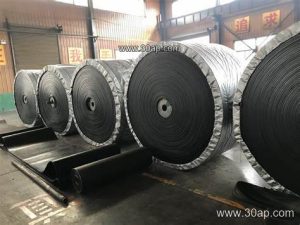
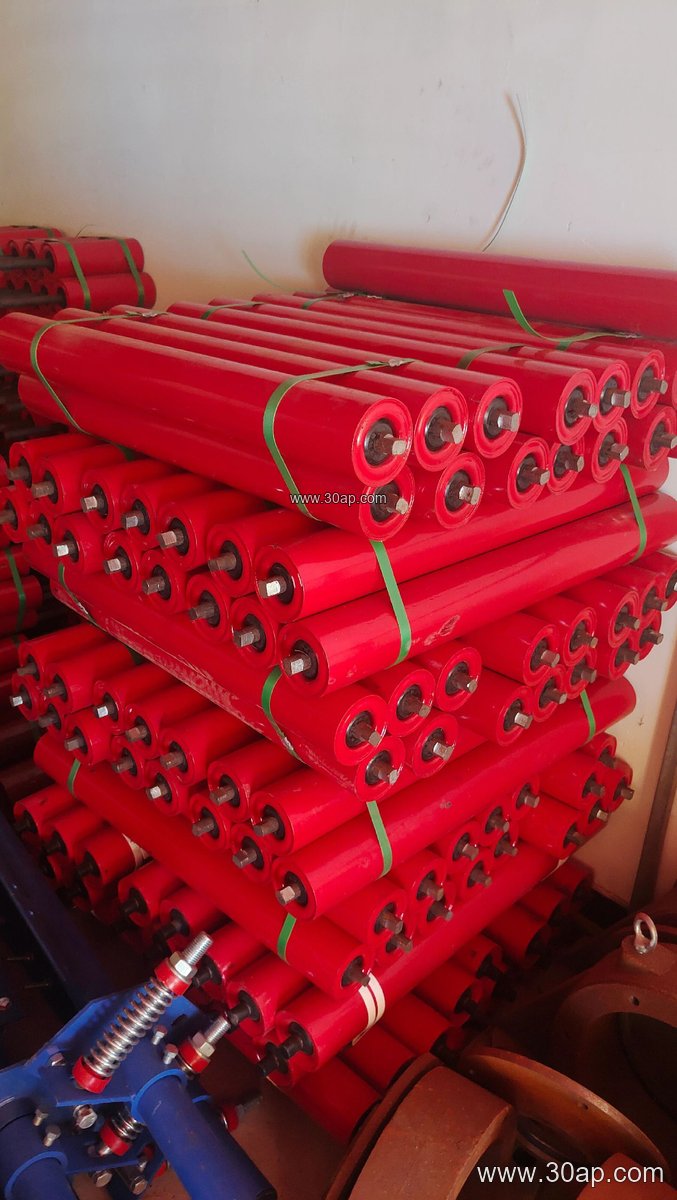
Impact idlers are common in aggregate plants, limestone mines, iron ore operations, and cement works. They also appear in power plant coal handling, port ship loading, and tunnel muck removal. The material may arrive on a rubber conveyor belt, an EP conveyor belt, or a steel cord conveyor belt, and the impact roller should be selected to suit the belt’s load and speed. In a crusher discharge area, a heavy-duty mining conveyor belt may carry sharp rock, so the impact idler’s rubber surface helps prevent belt cover damage as well as roller damage.
In coal mining, flame retardant conveyor belt and anti-static conveyor belt grades are often used underground, and the impact idlers should be compatible with the same environment. In cement plants and quarries, abrasion resistant conveyor belt is common, and the impact zone is where the belt cover takes the most punishment. A properly chosen Ø159 impact idler reduces that wear and keeps the belt tracking stable.
Buyer Checklist
- Confirm the drop height and lump size at the loading point.
- Check the existing bracket dimensions and the required roll length.
- Specify the rubber ring hardness and whether a rubber disc or sleeve is preferred.
- Ask for the bearing type, seal design, and lubrication method.
- Match the idler to the belt width, trough angle, and conveyor speed.
- Consider the environment: dust, moisture, coal fines, or corrosive splash.
An impact idler is a small part of the conveyor, but it protects the belt and the structure at the point of greatest stress. Choosing the right Ø159 impact idler for the loading zone is a practical way to reduce downtime and extend the life of the conveyor belt and its supporting components.