What a Belt Guide Roller Does
A belt guide roller is a specialized idler used to keep a conveyor belt centered and aligned as it travels. Unlike standard carrying or return idlers that mainly support the belt and its load, this roller applies gentle side force or steering action to correct tracking deviations. In quarries, coal preparation plants, and cement works, a well-placed guide roller can reduce edge damage and spillage without overcomplicating the conveyor frame. It is often grouped with self-aligning idlers, but its role is specifically to guide rather than to carry the full material load.
Although sometimes called a belt training roller or tracking roller, the belt guide roller remains a distinct accessory. It should not be confused with a drive pulley, tail pulley, or bend pulley, which transmit power and change belt direction. Those are conveyor pulleys, not guide rollers.
Construction and Common Configurations
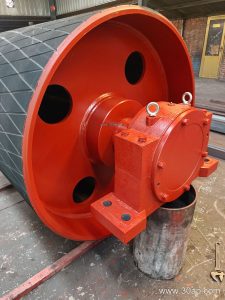
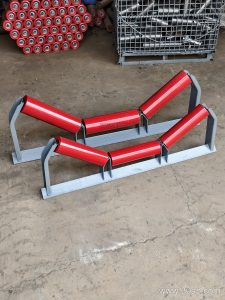
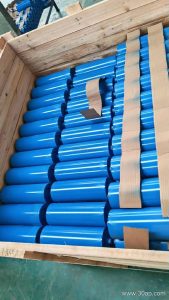
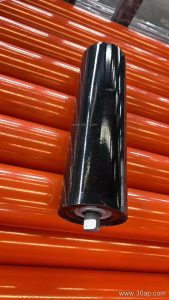
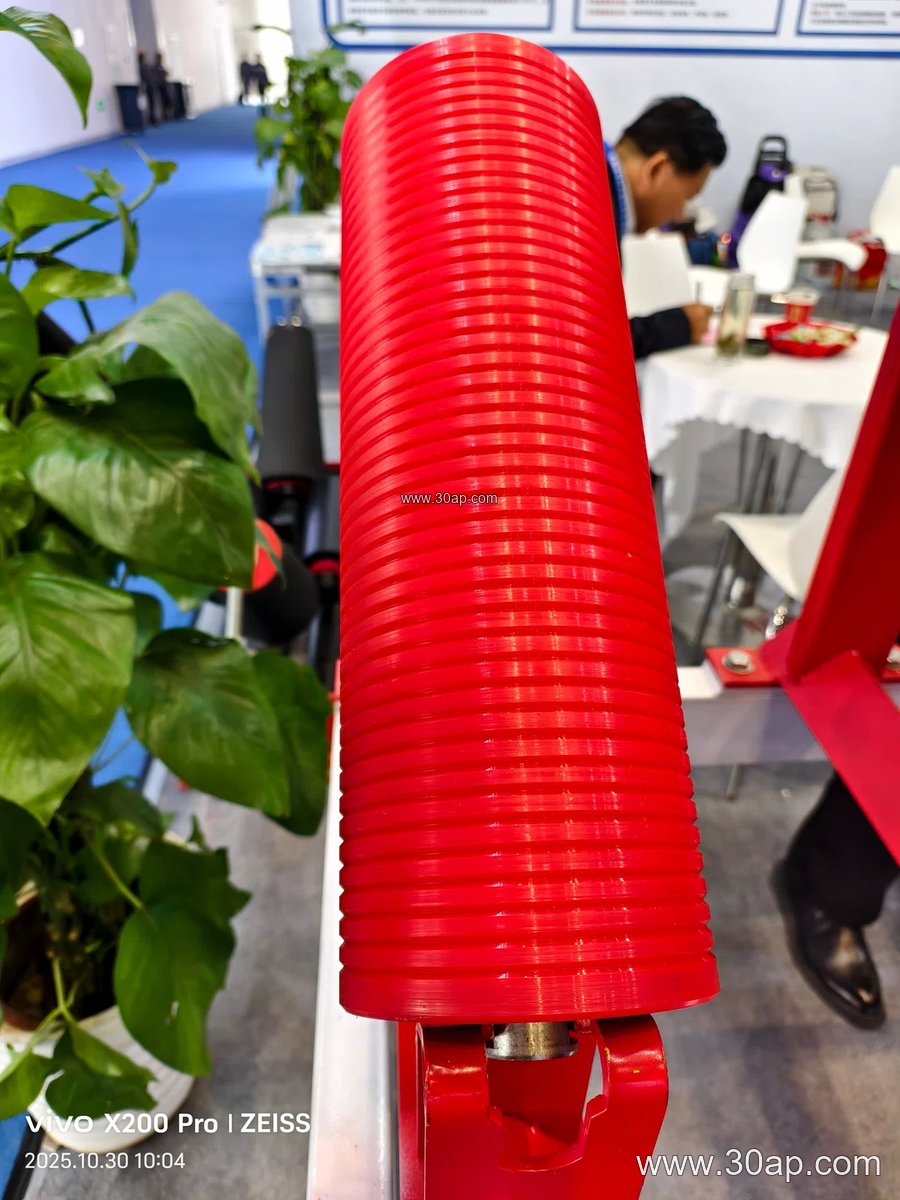
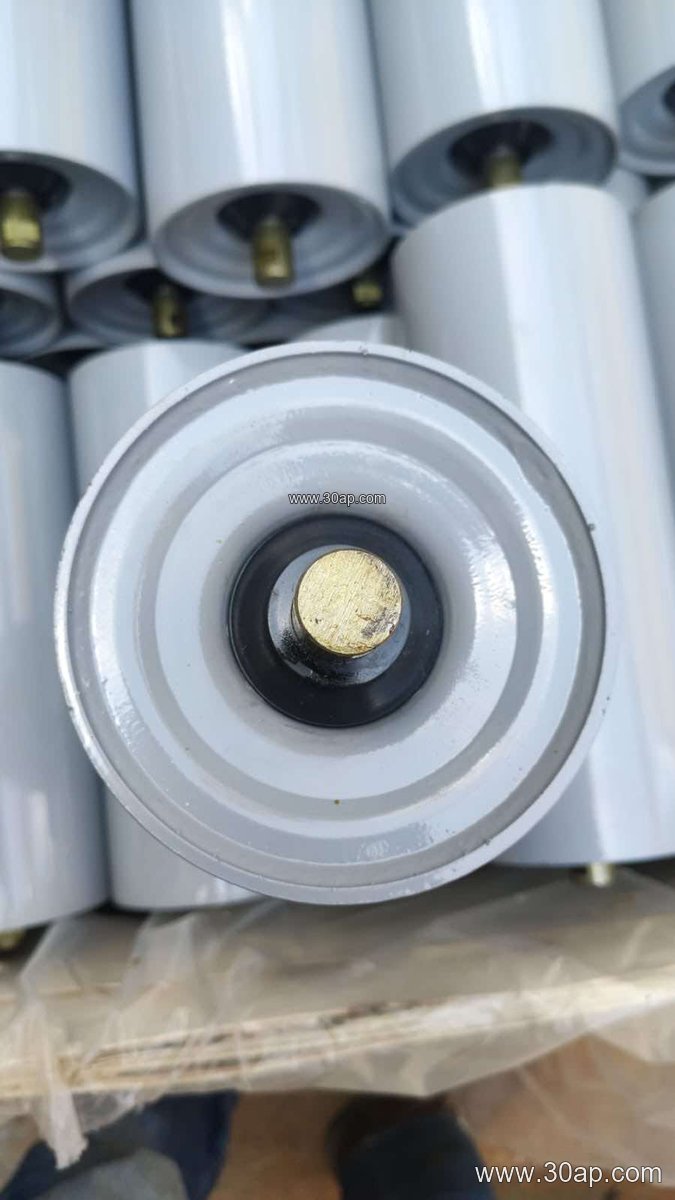
Most belt guide rollers use a steel tube shell fitted with sealed bearings and a shaft. The roller surface may be plain steel, nylon, rubber-covered, or ceramic-coated depending on the environment. For dusty or wet conditions, good labyrinth seals help protect the bearing. Common bearing sizes include 6204, 6205, 6305, 6306, 6308, and 6310, matched to the roller diameter and load rather than to belt width alone.
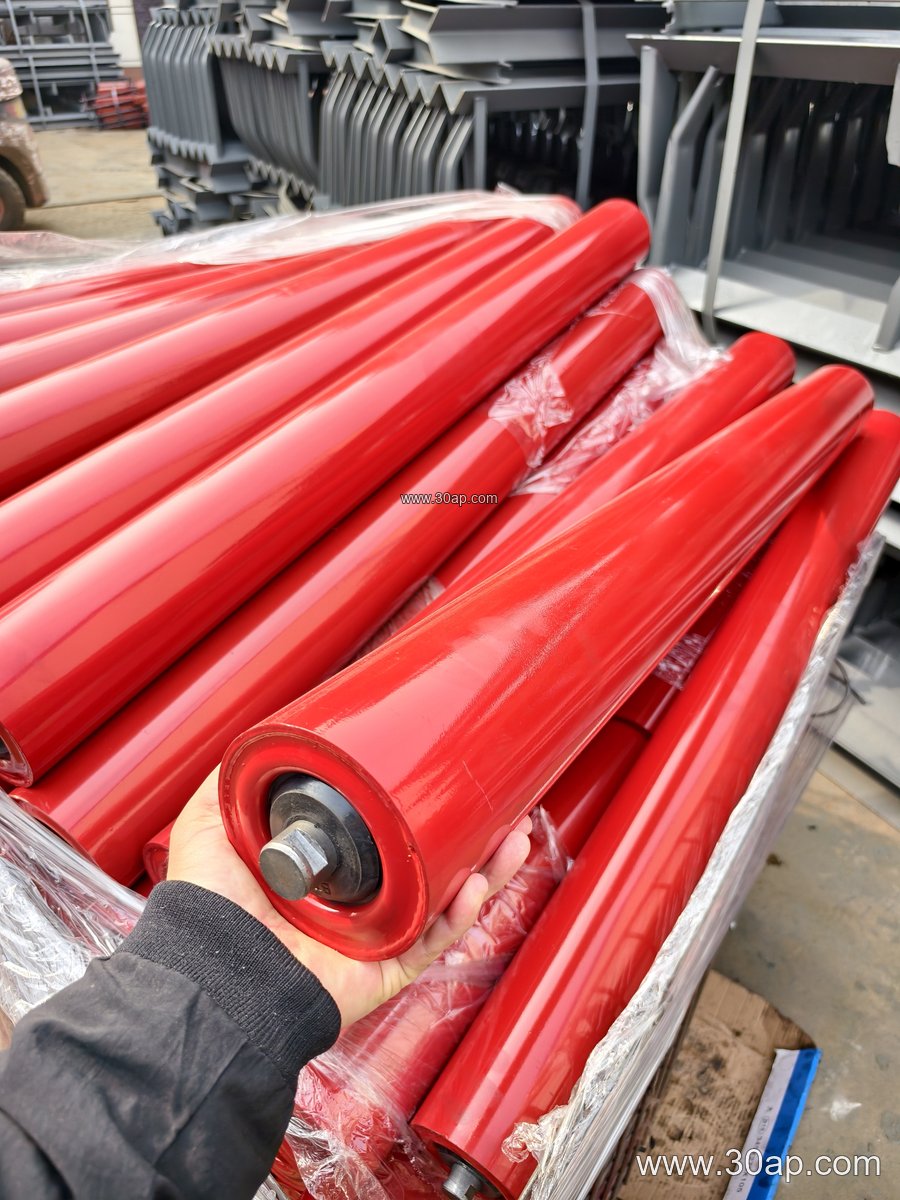
Guide rollers are often arranged in pairs or small groups at an angle to the belt edge. Some designs use a vertical roller that contacts the belt edge directly; others use a slightly tilted horizontal roller that steers the belt back to center. The mounting brackets and conveyor bracket interfaces should be checked for compatibility with the existing frame.
Typical Roller Diameters
Common diameters for guide and aligning rollers include Ø63, Ø76, Ø89, Ø102, Ø108, Ø127, Ø133, Ø159, and larger sizes for heavy-duty frames. The correct diameter depends on belt speed, load, and available space, not on a fixed rule linked to belt width.
Where Belt Guide Rollers Are Used
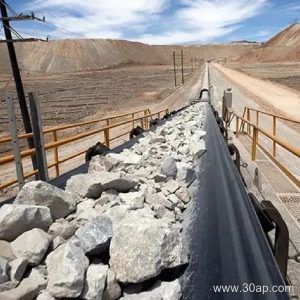
In a limestone quarry or aggregate line, a belt guide roller is often installed just after the loading point or before a transfer chute where the belt is prone to wander. In a coal handling plant, it helps keep the belt centered on the return side, especially where structure misalignment or uneven loading occurs. Cement plants also use them on clinker and raw material conveyors to protect belt edges from rubbing against the frame.
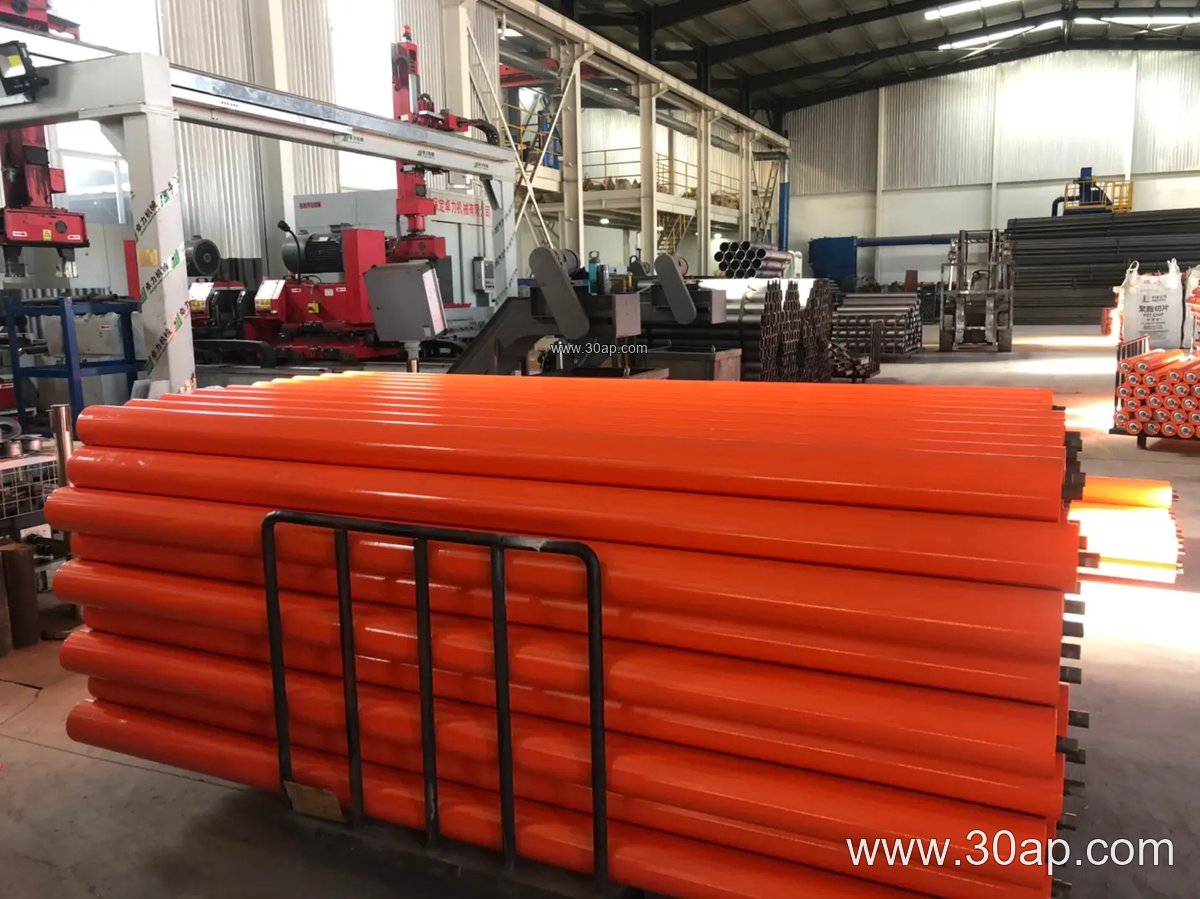
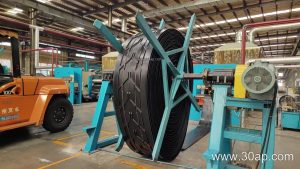
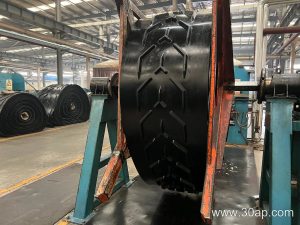
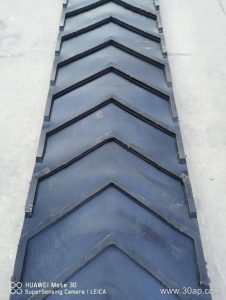
They are less common on very short conveyors, but on long overland or yard conveyors, a few well-positioned guide rollers can improve tracking without the cost of a full self-aligning idler station. When used with a rubber conveyor belt or an EP conveyor belt, the guide roller should have a smooth surface to avoid edge abrasion. For abrasive materials such as iron ore or copper ore, a rubber-covered or ceramic roller surface may last longer.
Selection and Sizing Notes
Buyers should match the guide roller to the belt width and the conveyor structure. Belt widths from B400 to B2400 are common in bulk handling, but the roller length and mounting position are determined by the frame design and the required adjustment range. A three-roll troughing set may use roller lengths around 200 mm for B500, 250 mm for B650, 315 mm for B800, and 380 mm for B1000, but these are examples for carrying idlers, not fixed rules for guide rollers.
The following table lists reference data often used when specifying guide rollers and related idlers. Values are typical and should be confirmed against the actual conveyor design.
| Parameter | Common Range or Example | Note |
|---|---|---|
| Roller diameter | Ø63, Ø76, Ø89, Ø102, Ø108, Ø127, Ø133, Ø159, Ø178, Ø194, Ø219 | Selected by load and frame space |
| Belt width | B400, B500, B650, B800, B1000, B1200, B1400, B1600, B1800, B2000, B2200, B2400 | Roller length varies with frame |
| Bearing | 6204, 6205, 6305, 6306, 6308, 6310 | Not fixed to one diameter |
| Surface form | Steel, nylon, rubber ring, ceramic | Choose for abrasion and build-up |
| Trough angle (related idlers) | 20°, 30°, 35°, 45° | Guide rollers may be vertical or angled |
For a belt guide roller, the mounting height and angle are often more important than the roller diameter. A small adjustment slot on the conveyor bracket can make installation and fine-tuning much easier. Avoid over-tightening the guide roller against the belt edge, as this can cause edge wear and increased motor load.
Maintenance and Buyer Checklist
Check the guide roller for free rotation, seal condition, and surface wear during routine inspections. A seized guide roller can act like a fixed scraper and damage the belt edge. In dusty plants, cleaning around the roller and bracket helps prevent material build-up that pushes the belt off-center.
When purchasing, confirm the shaft size, mounting centers, and bearing type with the supplier. Ask whether the roller is designed for the actual belt speed and material. For flame retardant or heat resistant conveyor belts, the guide roller material should also suit the environment. A belt guide roller is a small component, but correct selection helps extend the life of the conveyor belt and reduce unplanned stops in mining, quarrying, and cement operations.