What the NN300 Conveyor Belt Is
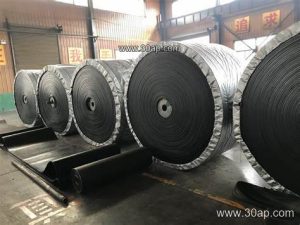
The NN300 Conveyor Belt is a multi-ply fabric core belt built around nylon (NN) warp and weft cords. The designation refers to a nominal tensile strength class of 300 N/mm per ply, which places it in the middle of the common nylon belt range. It is an NN Conveyor Belt in the full sense: a Fabric Core Conveyor Belt with good flexibility, strong troughability, and reliable performance on long, fairly demanding runs. Buyers often compare it with an EP Conveyor Belt, since both are fabric reinforced; the nylon carcass generally offers higher elongation and better impact absorption, while polyester-based constructions tend to hold length more firmly.
When a Steel Cord Conveyor Belt is not justified by the duty, the NN300 Conveyor Belt remains a practical choice for Mining Conveyor Belt and Bulk Material Conveyor Belt service. It is widely stocked by belting suppliers and can be fabricated into an Endless Conveyor Belt for crushing and screening circuits.
Construction and Cover Compounds
The carcass usually contains two to six plies of nylon fabric, bonded with skim rubber and protected by top and bottom cover layers. Cover thickness is selected by the application rather than fixed by the strength class. Common cover combinations include 3+1.5 mm, 4+2 mm, 5+2 mm, 6+2 mm, and 8+3 mm. For abrasive rock and ore, a thicker Abrasion Resistant Conveyor Belt cover is normal; for hot clinker or sinter, a Heat Resistant Conveyor Belt compound may be specified.
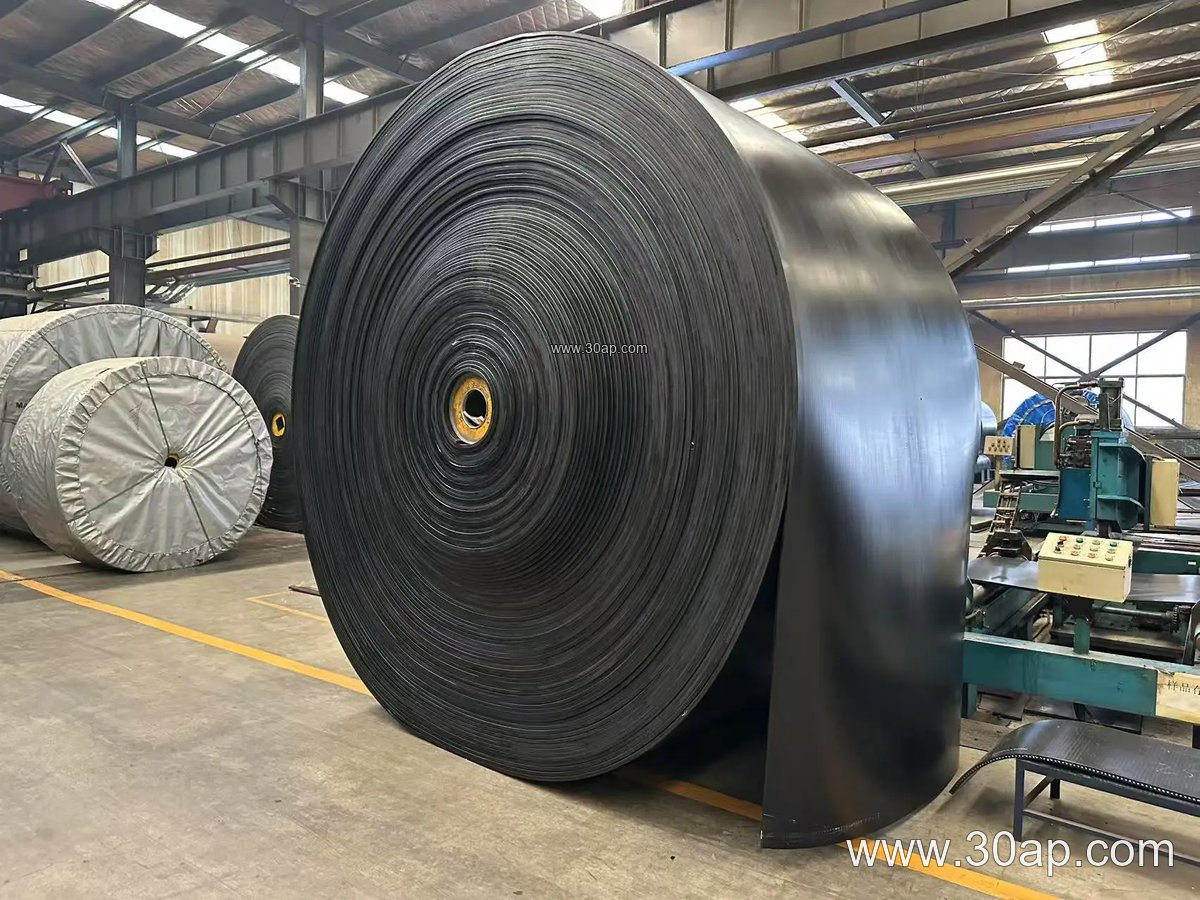
- Nylon carcass for flexibility and impact resistance
- Rubber covers matched to abrasion, heat, oil, or flame requirements
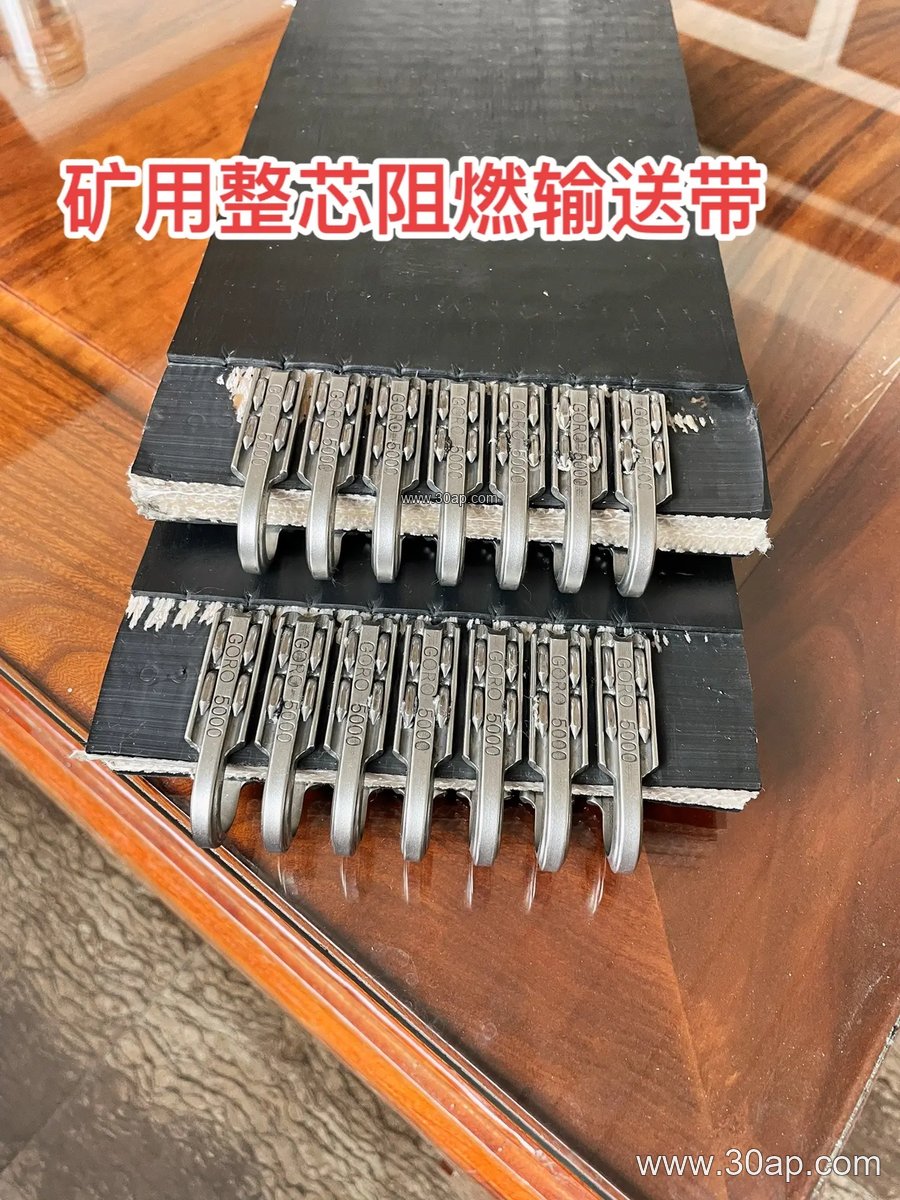
- Optional Flame Retardant Conveyor Belt or Anti-Static Conveyor Belt construction for underground work
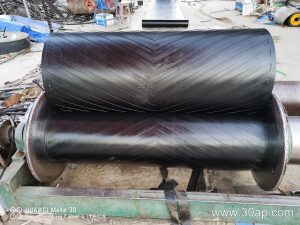
- Optional Chevron Conveyor Belt or Corrugated Sidewall Conveyor Belt profiles for inclined haulage
Because the NN300 Conveyor Belt is a fabric type, it is not interchangeable with a Steel Cord Conveyor Belt in high-tension mainline duty, and it should not be confused with PVC or PVG constructions used in some coal faces. Each has its own place.
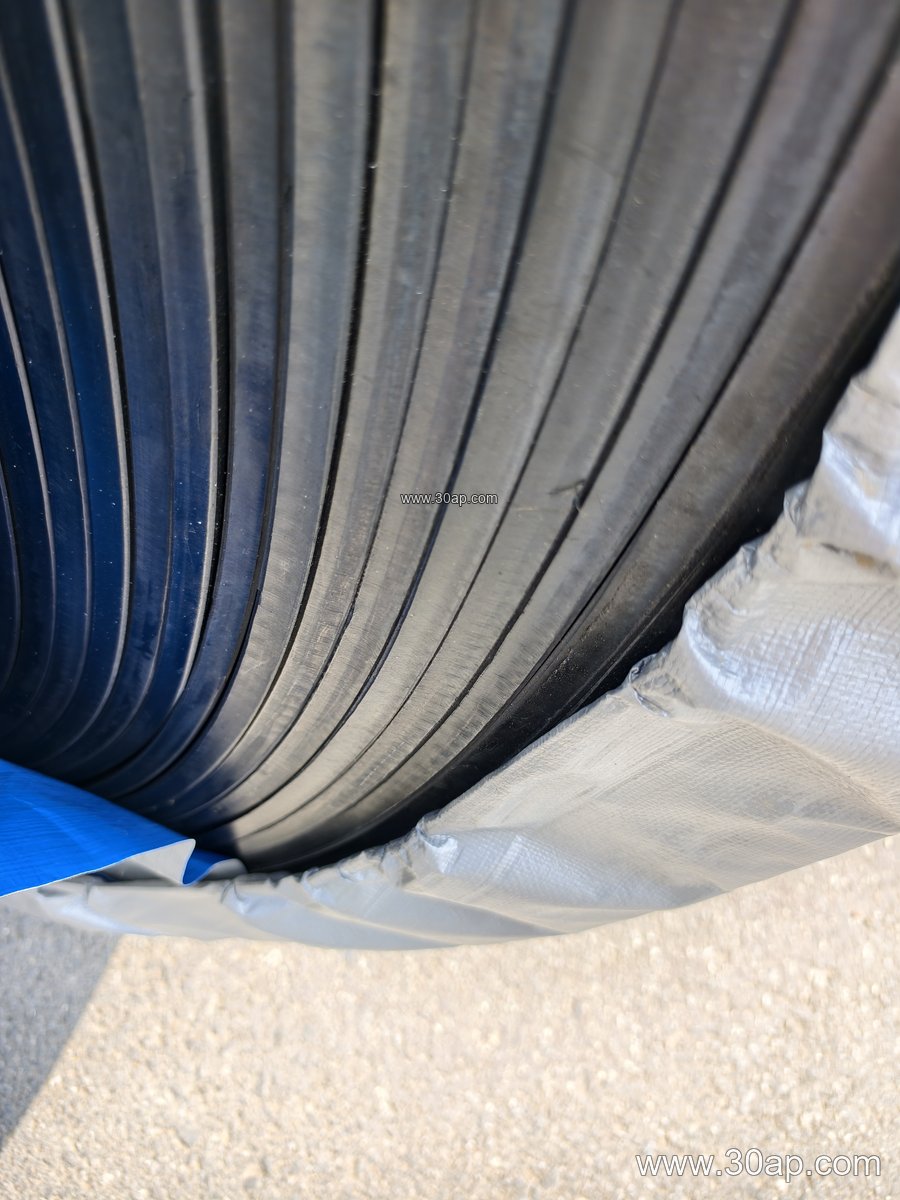
Typical Sizes and Reference Data
Widths for fabric belts commonly run from B500 to B2000, and the belt width must be matched to the conveyor design, not chosen in isolation. A 650mm Conveyor Belt may suit a small aggregate line, while a 1200mm Wide Conveyor Belt or 1400mm belt fits larger quarry and port systems. The table below gives reference values; final specifications are set by the belt designer and may differ between manufacturers.
| Parameter | Typical Reference Range |
|---|---|
| Strength class | NN100, NN200, NN300, NN400 |
| Belt width | B500, B650, B800, B1000, B1200, B1400, B1600, B1800, B2000 |
| Number of plies | 2 to 6 |
| Cover thickness | 3+1.5, 4+2, 5+2, 6+2, 8+3 mm |
| Cover type | Abrasion resistant, heat resistant, oil resistant, flame retardant, anti-static, cold resistant |
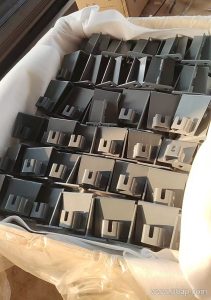
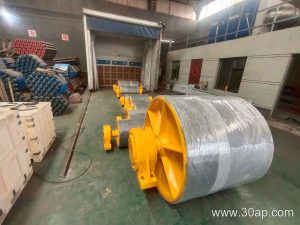
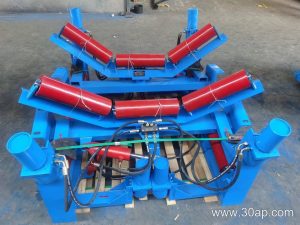
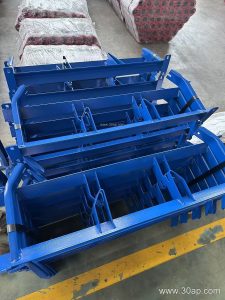
These figures are reference data, not a supply promise. A 1000mm or 1200mm belt can be paired with different pulley diameters depending on tension and shaft design; belt width alone does not fix the pulley size. Drive pulleys, tail pulleys, and bend pulleys each have separate duties and are selected accordingly, with conveyor pulley, idler roller, and conveyor bracket hardware chosen to suit the frame.
Where It Fits in the Plant
The NN300 Conveyor Belt appears across mining, cement, power, and aggregate operations. In a Coal Mining Conveyor Belt system, flame-retardant and anti-static versions are often requested. In a Cement Plant Conveyor Belt line, heat-resistant covers handle clinker while standard NN belts move limestone and additives. Quarry Conveyor Belt and Crusher Conveyor Belt duties benefit from the nylon carcass absorbing shock at transfer points. Power Plant Conveyor Belt systems use it for coal and ash handling, and Port Conveyor Belt or Ship Loading Conveyor Belt installations use wider fabric belts for high-volume loading.
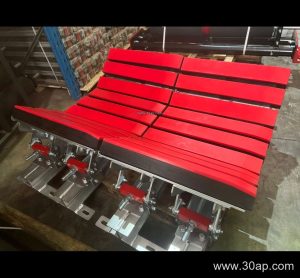
Other industries include sand making plants, stone crushing lines, recycling facilities, and construction material yards. In all of these, the belt works alongside conveyor pulley assemblies, idler rollers, and support brackets, so alignment and loading conditions matter as much as the belt itself.
Selection and Maintenance Notes
Choose the strength class from the calculated belt tension, then confirm cover grade against the material. For iron ore, copper ore, or gold mining conveyor duty, high abrasion resistance is usually the first requirement. For underground coal work, flame resistance and anti-static properties come first. Cold Resistant Conveyor Belt grades help in freezing climates, and Oil Resistant Conveyor Belt covers protect the carcass from hydrocarbon attack.
During installation, check pulley alignment, idler roller condition, and skirt clearance. Keep the belt tracked and avoid over-tensioning, which shortens splice life. Stock a spare length of the same NN300 Conveyor Belt specification so repairs do not force a mismatched splice. For a quotation, provide belt width, strength class, ply count, cover thickness, and the operating environment.