What a Conveyor Idler Bracket Does on the Line
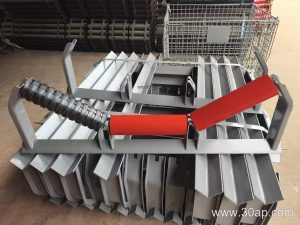
A conveyor idler bracket is the structural interface that holds each idler roller at the correct height, angle, and spacing along a conveyor frame. It transfers the weight of the belt and material into the stringer or main frame, and it sets the trough profile that keeps bulk material centered. In a quarry, cement plant, or power plant coal yard, the bracket is often the first component inspected after a belt misalignment report, because a bent or loose bracket changes the idler position and disturbs the whole belt path.
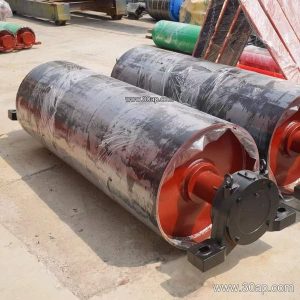
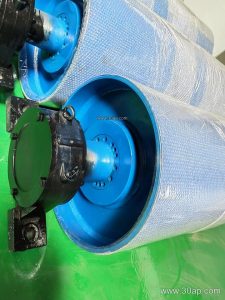
The bracket is not a pulley. Drive pulleys, tail pulleys, and bend pulleys transmit or redirect belt tension, while the idler bracket only supports the carrying and return sides of the conveyor belt. Mixing these roles leads to wrong spare parts and poor maintenance decisions.
Construction and Common Configurations
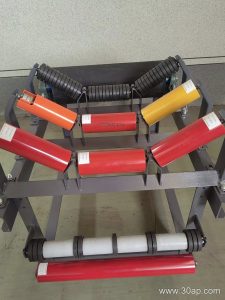
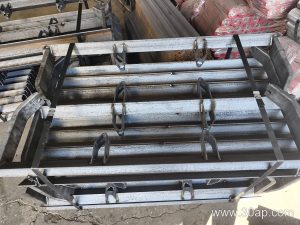
Most brackets are fabricated from angle steel, channel steel, or bent steel plate. The frame may be fixed or adjustable. Adjustable types allow the trough angle to be set between common values such as 20, 30, 35, and 45 degrees, which helps when a line handles different material loads. Forward-leaning brackets, often around 1.5 to 2 degrees, are used to encourage belt tracking. Return-side brackets may be flat or V-shaped, and impact brackets are used under loading points where the belt receives falling material.
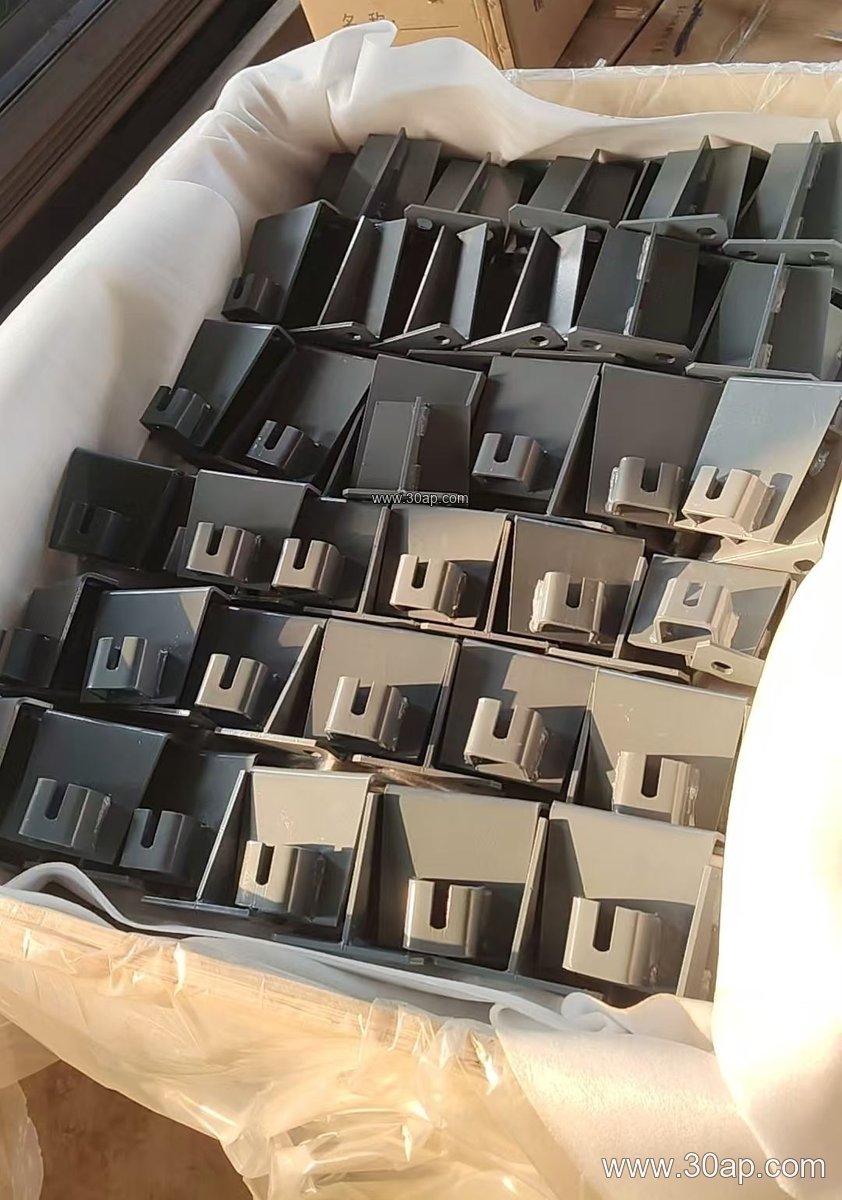
Bracket dimensions follow belt width and idler diameter. Common belt widths include B500, B650, B800, B1000, B1200, B1400, B1600, and B1800. Common idler diameters include Ø89, Ø108, Ø133, Ø159, and Ø194. A typical combination might be written as B800, 35 degrees, Ø108, or B1200, 45 degrees, Ø133. These are reference combinations, not fixed rules. Hole spacing and crossbeam length are determined by the actual belt width, trough angle, and frame design.
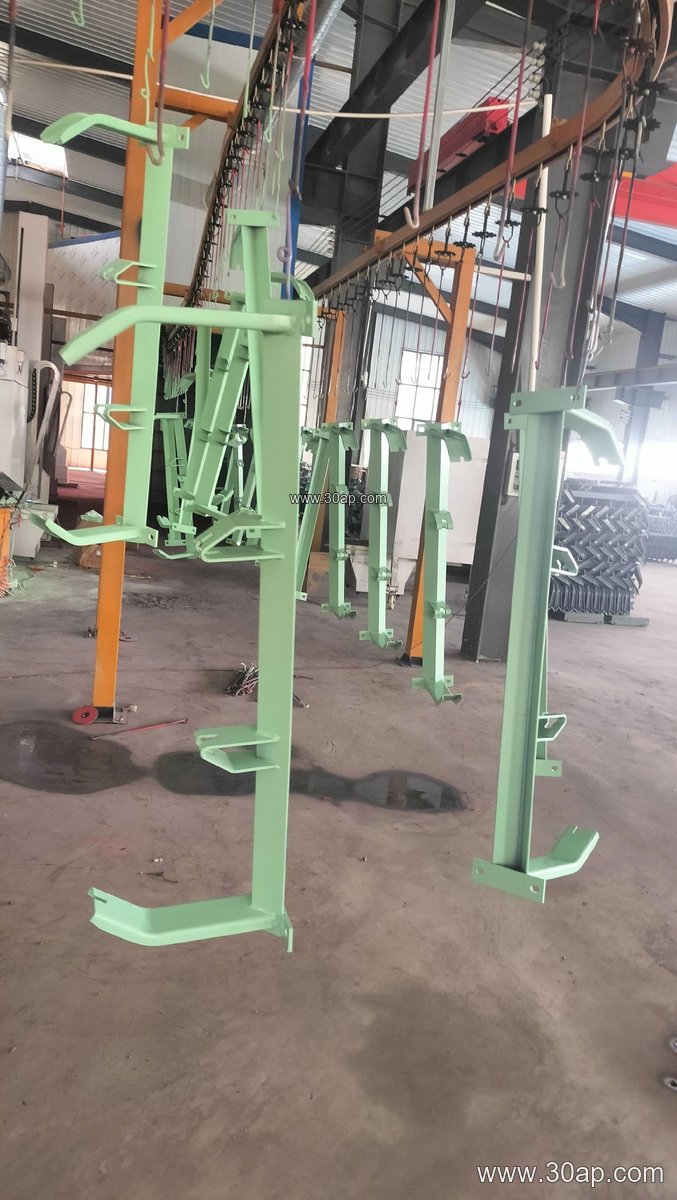
Reference Data for Bracket Planning
| Parameter | Common Reference Values |
|---|---|
| Belt width | B500, B650, B800, B1000, B1200, B1400, B1600, B1800 |
| Trough angle | 20°, 30°, 35°, 45° (adjustable brackets can be set between these) |
| Idler diameter | Ø89, Ø108, Ø133, Ø159, Ø194 |
| Material | Angle steel, channel steel, bent steel plate |
| Bracket types | Troughing, transition, return, V-return, impact, self-aligning, forward-leaning, suspended, adjustable |
Where These Brackets Are Used
In a limestone quarry or sand and gravel line, troughing brackets support the belt through the crushing and screening section. In a coal washing plant or power plant coal handling system, flame retardant and anti-static belt grades are common, and the brackets must resist vibration and fine dust. Cement plants use them on clinker and raw meal lines, while steel plants and sintering plants rely on heavy-duty brackets under high-temperature or abrasive loads. Ports and ship loading conveyors use wider belts, where bracket alignment is critical for belt tracking over long spans.
The bracket works together with the conveyor belt, idler roller, and conveyor pulley. A heavy-duty mining conveyor belt or abrasion resistant conveyor belt may require more frequent bracket inspection because the belt carries sharp rock and ore. In underground mining and underground coal mining applications, compact bracket designs help fit within restricted frame space.
Buyer Checklist Before Ordering
- Confirm the belt width and the required trough angle, not just the idler diameter.
- State whether the bracket is fixed or adjustable, and whether it is for the carrying side or return side.
- Check the mounting hole pattern and crossbeam length against the existing frame, since these vary with design.
- Match the bracket material to the environment: dusty cement plant, wet coal washing plant, or abrasive iron ore yard.
- Ask for the bracket drawing with the idler spacing, because the same belt width can use different idler diameters and angles.
For a new conveyor project, the bracket should be selected together with the idler roller and conveyor pulley layout. For replacement work, take measurements from the existing stringer and compare them with the new bracket drawing before installation. More conveyor component references are available at www.guibuyu.com for belt, idler, and pulley planning.