What a Three-Roll Idler Bracket Does
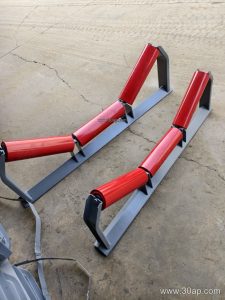
A three-roll idler bracket is the support frame that holds three idler rollers in a trough shape so a conveyor belt can carry bulk material without spilling. It is the mounting hardware, not the roller itself: the bracket sets the trough angle, keeps the roll positions aligned, and transfers the load from the belt and material into the conveyor structure. In a quarry, a coal handling plant, or a cement kiln feed line, these brackets repeat along the entire length of the conveyor, so their alignment and strength directly affect belt tracking and wear.
Buyers often call this part a troughing idler frame or a three-roller support bracket. Those names describe the same assembly. It should not be confused with a drive pulley, tail pulley, or bend pulley, which are drum components at the ends or curves of the system and serve a completely different purpose.
How the Bracket Is Built
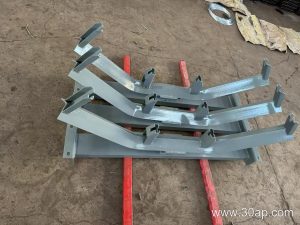
Most three-roll idler brackets are fabricated from angle steel, channel steel, or folded steel plate. The cross beam carries three mounting positions: a center roll seat and two side roll seats set at the required trough angle. Side brackets may be fixed or adjustable, and the frame usually includes bolt holes for attaching to the conveyor stringer.
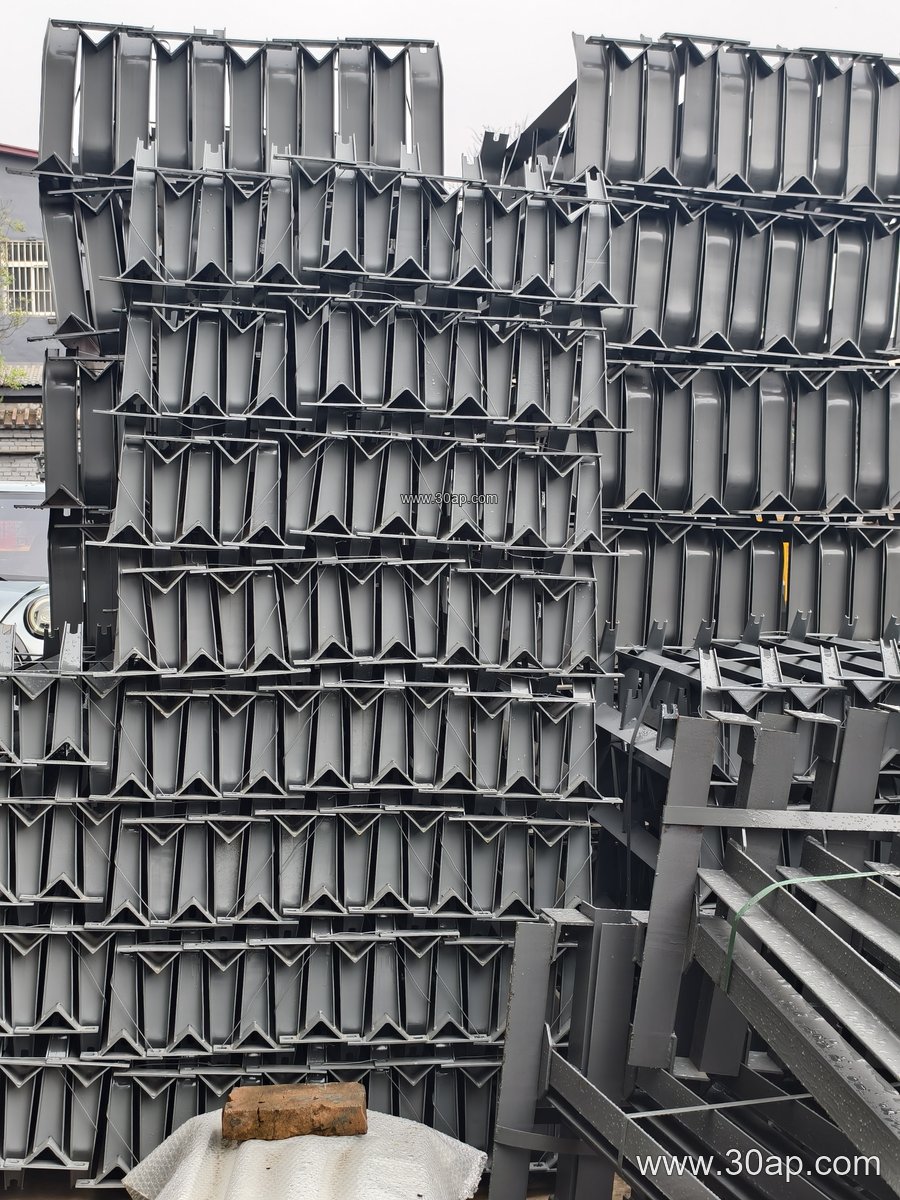
- Fixed bracket: the trough angle is set at fabrication, common for stable, long-run conveying lines.
- Adjustable bracket: the side roll positions can be changed between typical angles such as 20, 30, 35, and 45 degrees.
- Transition bracket: used near the loading point or at the change from flat to troughed belt, easing the belt into the trough.
- Impact bracket: a heavier frame placed under the loading zone to absorb material drop energy.
Surface treatment matters in wet or dusty service. Galvanized or painted finishes are common, and the mounting holes should match the stringer spacing confirmed at order stage.
Where Three-Roll Idler Brackets Are Used
These brackets appear wherever a belt must be shaped into a trough. In a limestone quarry, they carry crushed rock on a quarry conveyor belt toward the screening plant. In a coal preparation facility, a flame retardant conveyor belt runs over three-roll brackets through transfer houses and galleries. Power plant coal yards, iron ore stockyards, and aggregate lines use the same basic frame with different roll diameters and trough angles.
The bracket works together with the idler roller, the conveyor belt, and the conveyor pulley at the head and tail. A well-aligned bracket set keeps the belt centered, reduces edge wear, and protects the splice. On a long overland line carrying a steel cord conveyor belt, bracket spacing and roll alignment are especially important because belt tension is high and misalignment is costly.
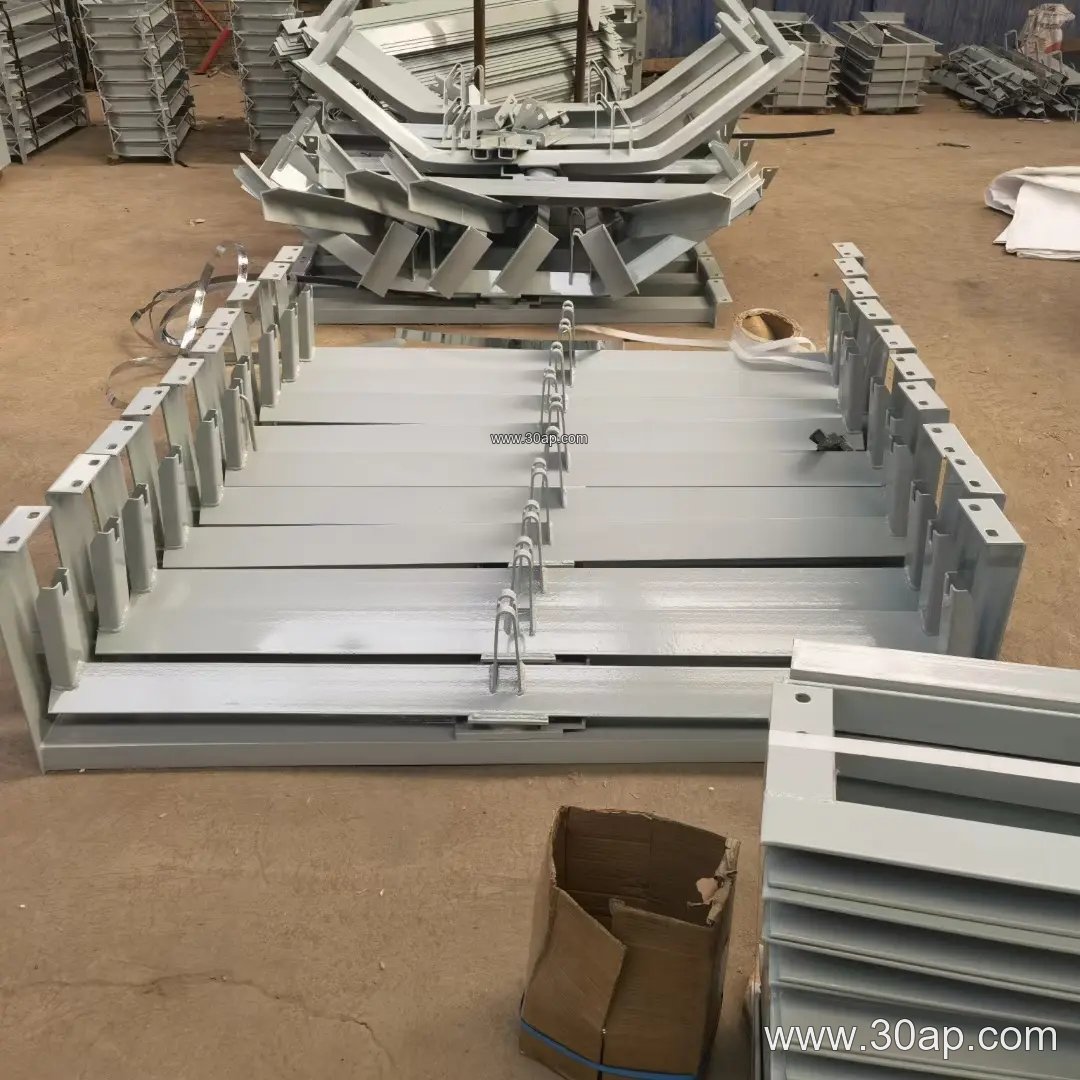
Matching Bracket, Belt Width, and Roll Diameter
There is no single bracket size for every conveyor. Belt width, trough angle, roll diameter, and frame length are selected together. The table below shows typical reference combinations; actual values are confirmed by design.
| Belt width | Common trough angle | Typical roll diameter | Typical bracket use |
|---|---|---|---|
| B500 | 20–30 degrees | Ø89 | Light aggregate, small transfer lines |
| B650 | 30 degrees | Ø89 / Ø108 | Sand and gravel, small cement lines |
| B800 | 35 degrees | Ø108 | General bulk handling, crusher feed |
| B1000 | 35–45 degrees | Ø108 / Ø133 | Coal handling, ore transport |
| B1200 | 45 degrees | Ø133 | Heavy-duty mining and port lines |
| B1400–B1600 | 35–45 degrees | Ø133 / Ø159 | High-capacity stockyard and plant conveyors |
| B1800–B2000 | 35–45 degrees | Ø159 / Ø194 | Large tonnage bulk terminals |
A wider belt does not automatically require a larger roll, and a given belt width can work with more than one trough angle. The bracket must be sized to the actual idler roll diameter and the stringer hole pattern. For example, an 800mm conveyor belt may run on Ø108 rolls at 35 degrees, while a 1200mm wide conveyor belt in a port application may use Ø133 rolls at 45 degrees. These are reference examples, not fixed rules.
What Buyers Should Check Before Ordering
- Belt width and trough angle: confirm both, since the frame length and roll seats follow them.
- Roll diameter and bearing type: the bracket seat must fit the chosen idler roller.
- Fixed or adjustable: choose adjustable frames where the line may need angle changes or where belt training is difficult.
- Material and finish: angle steel or folded plate, with coating suited to dust, moisture, or corrosive atmosphere.
- Mounting dimensions: hole spacing and beam length should be confirmed against the conveyor stringer drawing.
- Loading zone: use impact-rated frames under chutes and transfer points.
For a coal mining conveyor belt or an ore conveyor belt system, bracket quality affects the whole line. A simple frame that is undersized or poorly aligned will wear belt edges and increase idler replacement frequency. Ordering the correct three-roll idler bracket for the belt width, trough angle, and roll diameter is a small decision with a long service impact.