What a Heavy-Duty Conveyor Belt Is
A heavy-duty conveyor belt is a robust conveyor belt built for continuous transport of abrasive, heavy, or high-impact bulk materials in industries such as mining, coal preparation, cement plants, power stations, quarries, and sand and gravel yards. Unlike a standard belt, it combines a strong tension-bearing carcass with thick rubber covers and, where needed, specialized compounds for heat, oil, flame, or cold resistance. The same product may also be called a heavy-duty rubber conveyor belt or a high-strength conveyor belt, depending on the construction emphasis.
Construction and Key Components
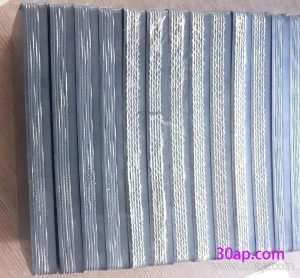
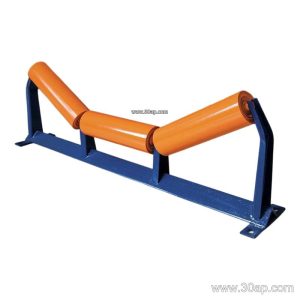
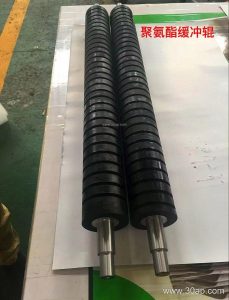
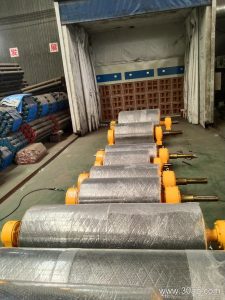
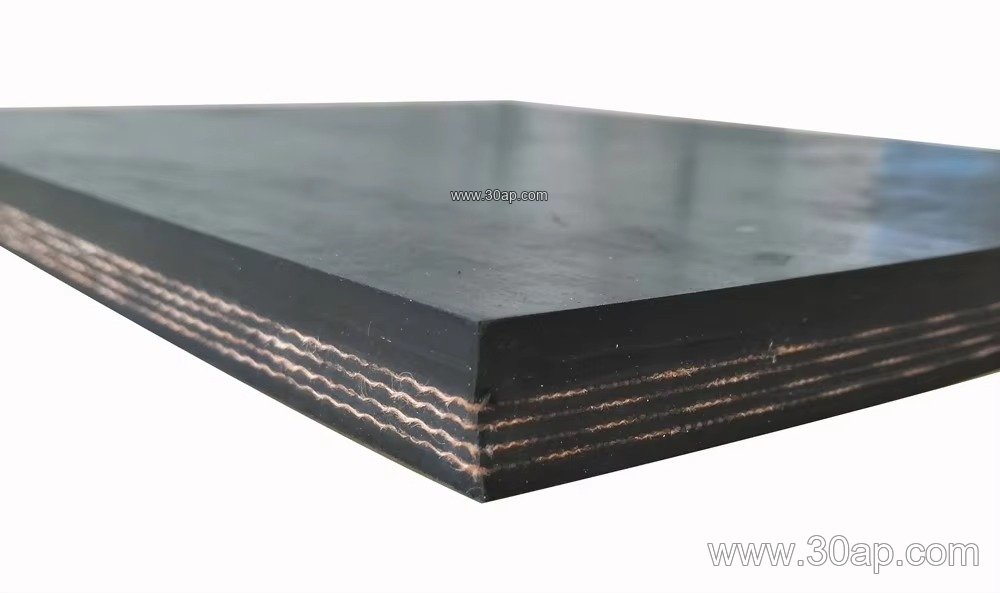
The carcass carries the tension. Common options include multi-ply fabric cores such as EP conveyor belt and NN conveyor belt, and steel cord conveyor belt for very high strength and long center distances. Cover rubber protects the carcass from abrasion, impact, and environmental attack. A heavy-duty belt usually has thicker top and bottom covers, often in ranges such as 5+2 mm, 6+2 mm, or 8+3 mm, with 2 to 6 fabric plies typical for fabric-core designs. The belt works with conveyor pulleys, idler rollers, and conveyor brackets; drive, tail, and bend pulleys each have distinct roles and are not interchangeable.
Common Heavy-Duty Belt Types
Selection starts with the material and the environment. The table below lists common constructions and typical use cases; values are indicative and should be confirmed by design.
| Belt Type | Typical Strength Range | Common Widths | Typical Duty |
|---|---|---|---|
| EP conveyor belt (EP200–EP2000) | EP200 to EP2000 | B500–B2000 | General bulk material, quarry, aggregate |
| NN conveyor belt (NN100–NN400) | NN100 to NN400 | B500–B1600 | Medium-duty plant conveyors |
| Steel cord conveyor belt (ST1000–ST3150) | ST1000 to ST3150 | B800–B2000 | Long overland and high-tonnage mining |
| Abrasion resistant conveyor belt | Fabric or steel cord | B500–B1800 | Crusher feed, ore, rock, aggregate |
| Heat resistant conveyor belt | Fabric or steel cord | B650–B1600 | Cement, clinker, sinter, power plant |
| Flame retardant conveyor belt | PVG or fabric | B650–B1400 | Coal mining, underground mining |
| Oil resistant conveyor belt | Fabric or steel cord | B500–B1400 | Recycling, oily bulk materials |
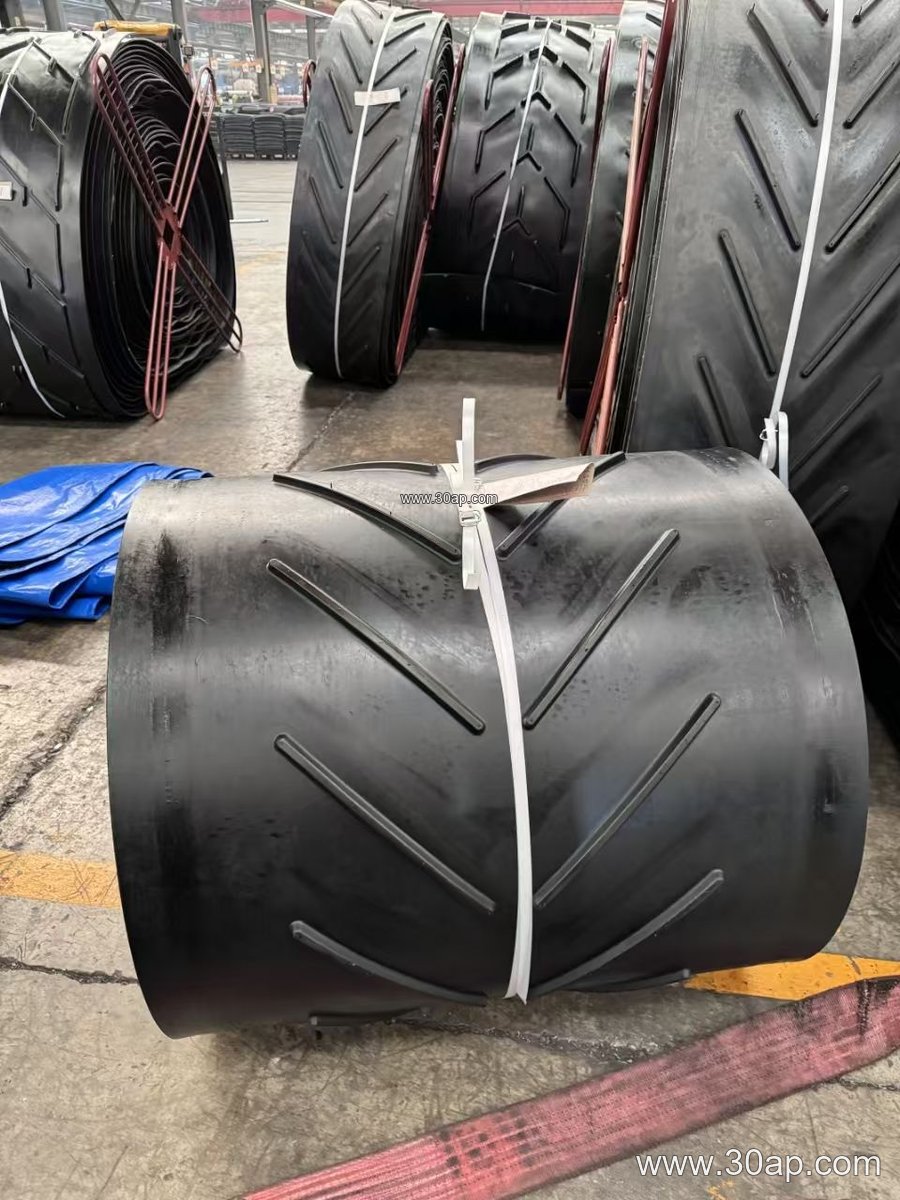
| Chevron conveyor belt | Fabric core | B500–B1200 | Inclined conveying, aggregate |
| Corrugated sidewall conveyor belt | Fabric core | B500–B1200 | Steep incline, confined space |
Special grades such as cold resistant, anti-static, and acid resistant belts are available when the site conditions demand them. For underground coal mining, PVG conveyor belt grades like PVG800 and PVG800S are often specified for flame retardant and anti-static performance.
Where Heavy-Duty Belts Are Used
In a coal mining conveyor belt system, the belt must resist cutting, abrasion, and flame propagation. In a cement plant conveyor belt, heat resistant and abrasion resistant covers handle clinker and limestone. A quarry conveyor belt or crusher conveyor belt carries rock and ore with high impact. Power plant conveyor belt lines move coal and ash, while port conveyor belt and ship loading conveyor belt systems require high strength and reliable splices. Sand making plant and stone crushing circuits rely on abrasion resistant conveyor belt grades to reduce downtime.
Buyer Checklist
- Material and lump size: define the bulk material, maximum lump size, and impact points to choose cover thickness and carcass type.
- Strength and width: calculate the required belt tension, then select a strength class and width; common widths include 800mm, 1000mm, 1200mm, 1400mm, and 1600mm conveyor belt, with wider options such as 1800mm and 2000mm for large systems.
- Environmental grade: confirm heat, oil, flame, cold, or chemical exposure and specify the appropriate resistant compound.
- Pulley and idler compatibility: match belt thickness and tension to conveyor pulley diameters, idler roller spacing, and conveyor bracket layout; do not assume one belt width fits a single pulley size.
- Splice and delivery: decide between endless conveyor belt (spliced on site) and open-length supply, and confirm edge condition and cover thickness.
For more information on heavy-duty conveyor belt, conveyor pulley, and idler roller options, visit our site at www.example.com/heavy-duty-conveyor-belt.