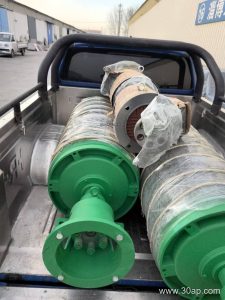
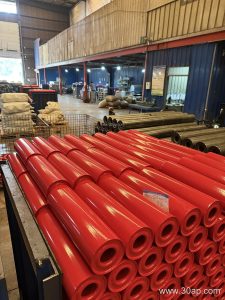
What the Ø127 Heavy-Duty Idler Is
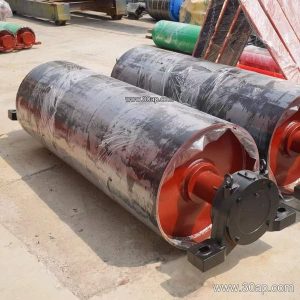
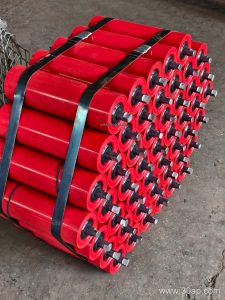
The Ø127 heavy-duty idler is a carrying or return roller built around a 127 mm nominal roll diameter and a reinforced construction intended for continuous duty on bulk material conveyors. In plant language it is often shortened to a 127 mm heavy-duty idler roller or a Ø127 heavy-duty carrying roller, and it belongs to the idler family rather than to the pulley family. Drive pulleys, tail pulleys and bend pulleys all transmit or redirect belt tension; an idler such as this one supports the conveyor belt and controls its path along the run.
The larger-than-standard shell gives the Ø127 heavy-duty idler useful stiffness and load capacity on wide belts and high-tonnage lines. It suits quarry conveyors, crushing and screening circuits, cement plant clinker transport, power station coal handling and port bulk terminals where the belt is wide and the material is abrasive.
Construction and Bearing Details
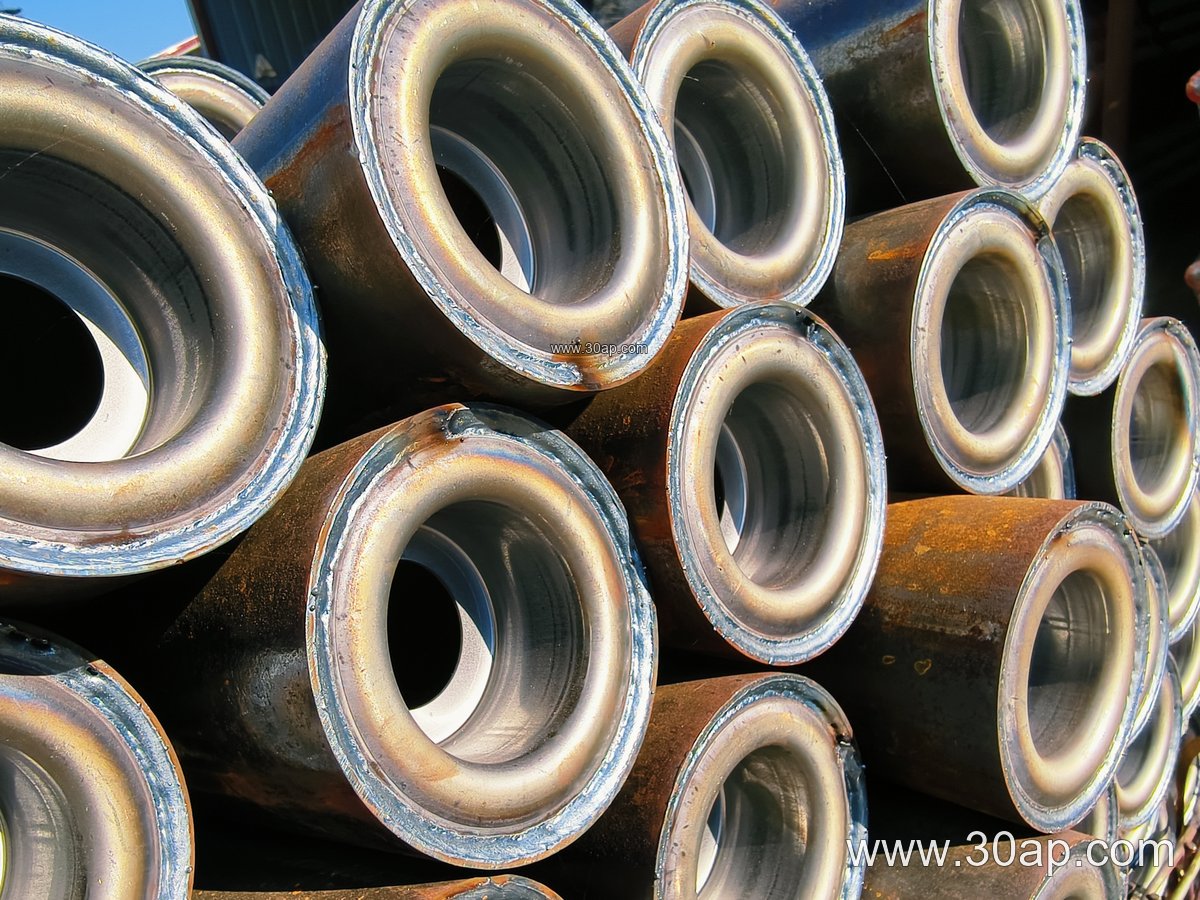
A typical heavy-duty idler uses a thick-walled steel tube shell, a pressed or machined end disc, and a shaft that is sized by the idler manufacturer to match the load case rather than by belt width alone. The shaft diameter is not a fixed function of belt width, so the roller drawing and the frame bracket should be read together before ordering.
- Shell: steel tube, sometimes fitted with rubber rings for impact absorption or with ceramic or nylon surfacing where belt protection and wear life matter.
- Bearings: common sizes in this class include 6305, 6306, 6308 and 6310, selected according to load and speed. A single bearing size is never tied to one roll diameter.
- Sealing: labyrinth or multi-stage seals with grease retention are usual on dusty circuits such as a coal mining conveyor belt line or an ore conveyor belt transfer point.
- Roller length: determined by belt width, trough angle and the idler set form. For three-roll troughing sets, common roller lengths run from about 200 mm at B500 up to roughly 750 mm at B2000, with side rollers and centre rollers able to differ.
Where It Fits on the Conveyor
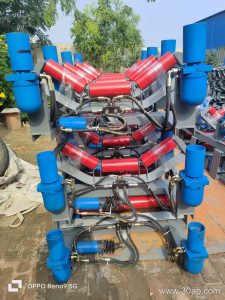
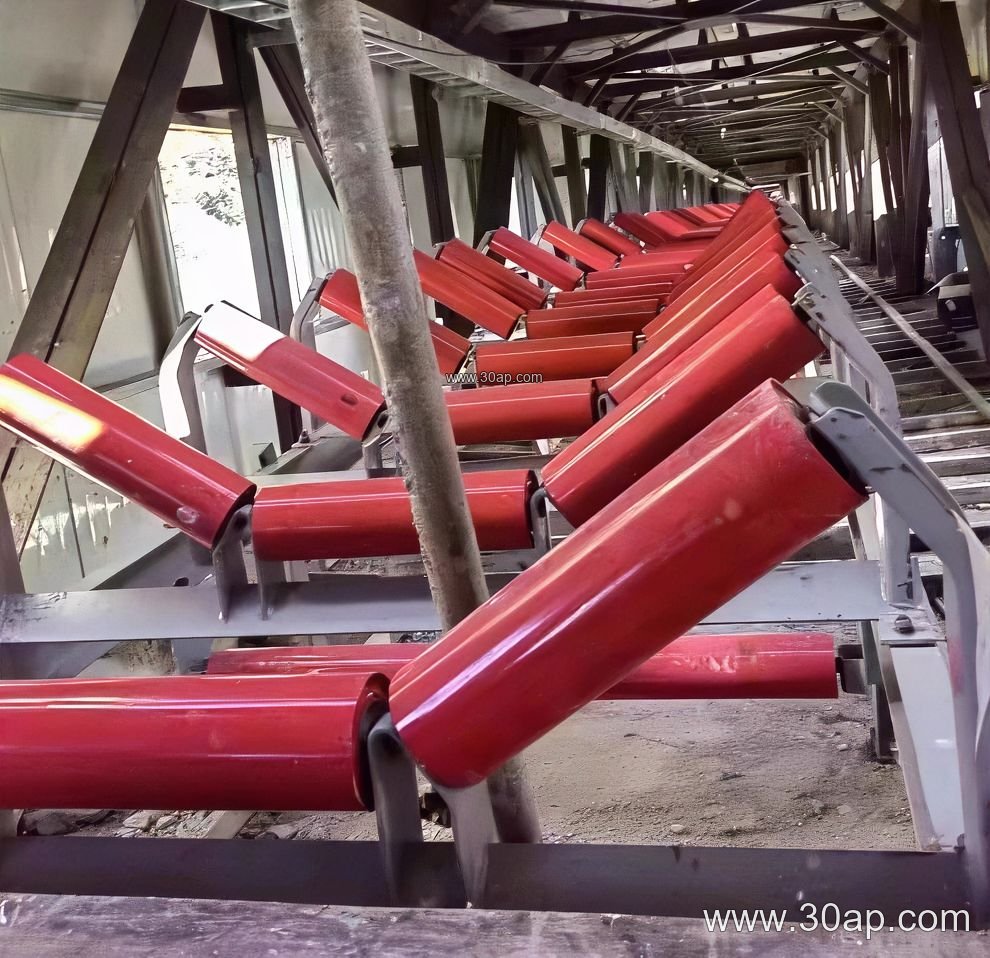
The Ø127 heavy-duty idler is most often used in troughing sets on the carrying side, where three rolls form a 20, 30, 35 or 45 degree trough that shapes the belt into a shallow channel. That shape keeps a heavy load of rock, clinker or iron ore centred and reduces spillage. On the return side, a flat or V-return roll of the same diameter may be used to support the empty belt.
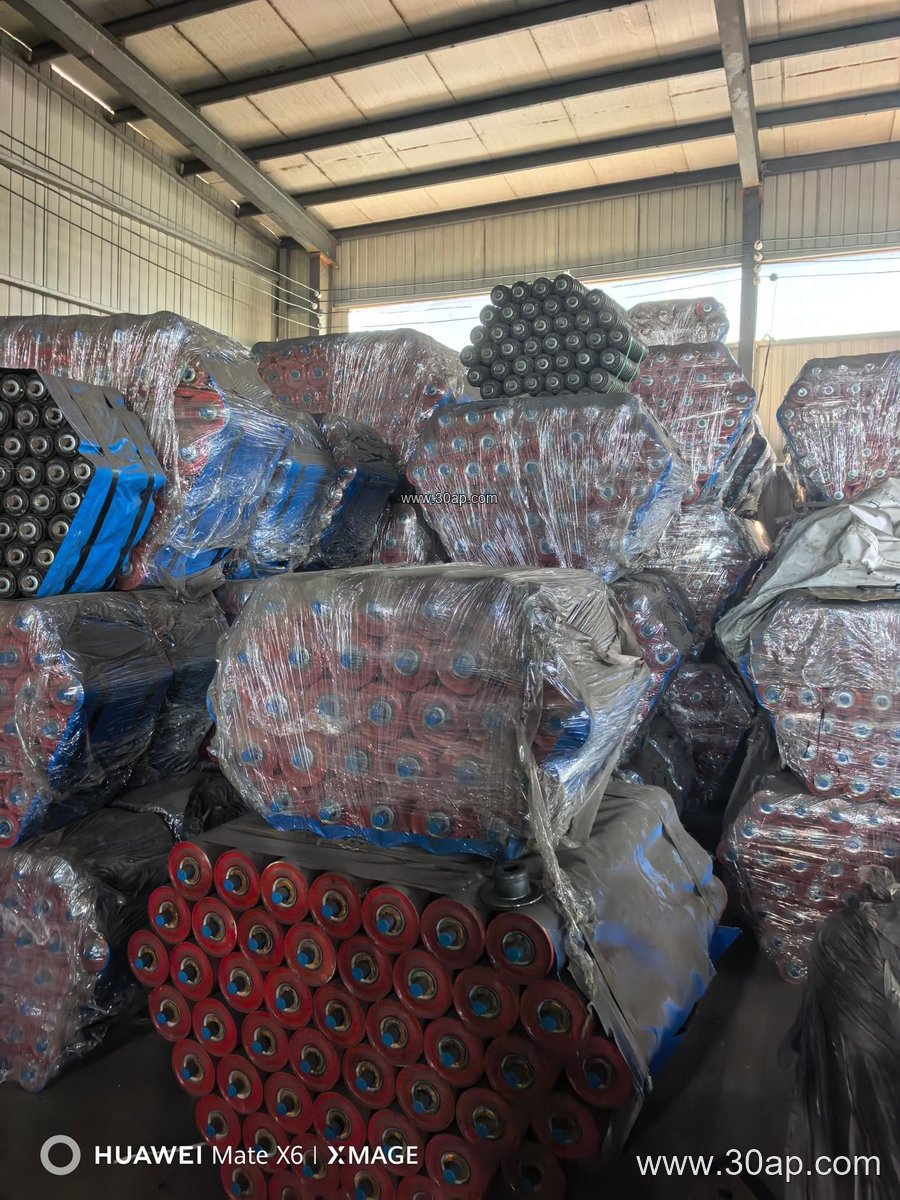
Heavy-duty carrying idlers are also common at loading points, though impact rollers with rubber rings are usually preferred directly under the chute. For comparison, a self-aligning idler with tapered rolls corrects belt drift on long runs, while the Ø127 heavy-duty idler mainly provides support and load capacity. The two can appear on the same conveyor in different sections.
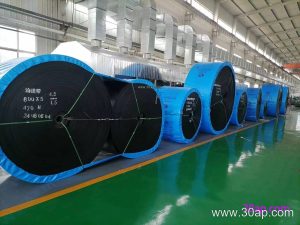
Matching equipment matters as much as the roller. The conveyor bracket must accept the shaft end, the frame height must match the roll, and the belt specification should suit the duty. A heavy-duty mining conveyor belt or an abrasion resistant conveyor belt with a fabric core is a frequent partner on these lines; where the belt is very wide, an EP conveyor belt or a steel cord conveyor belt may be selected by the conveyor designer.
Reference Dimensions at a Glance
The following values are typical examples only and are not a supply commitment. Final dimensions come from the idler drawing and the conveyor design.
| Item | Common Reference | Notes |
|---|---|---|
| Roll diameter | Ø127 mm | Nominal shell outside diameter |
| Belt width range | B800 to B2000 | Wider belts usually need heavier frames |
| Trough angle | 20, 30, 35, 45 degrees | Material and belt stiffness influence choice |
| Bearing sizes seen | 6305, 6306, 6308, 6310 | Selected per load and speed |
| Roller length, three-roll set | About 315 mm at B800, 380 mm at B1000, 465 mm at B1200, 530 mm at B1400, 600 mm at B1600 | Centre and side rolls may differ |
| Roll surface | Steel, nylon, ceramic, rubber ring | Rubber rings for impact zones |
Buyer Checklist
Before ordering a Ø127 heavy-duty idler, confirm the belt width and trough angle, the idler set form (single, two-roll or three-roll), the mounting frame and bracket dimensions, and the shaft end type. Ask for the bearing size, seal arrangement and shell wall thickness on the drawing. On abrasive duties such as a quarry conveyor belt or a crusher conveyor belt, specify the wear surface and check whether impact rollers are needed at the transfer point.
For maintenance, keep spare rollers for the highest-wear positions, check seal condition during shutdowns, and confirm that replacement idlers match the original shaft and bracket. A roller that fits the frame but not the load case will wear quickly, so the specification should be reviewed whenever belt speed or tonnage changes. Buyers can reach the supplier through the contact page at www.jsdstbelt.com for idler and conveyor belt questions.