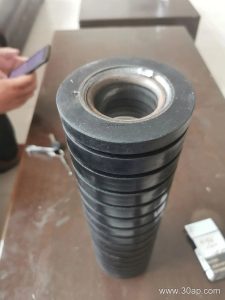
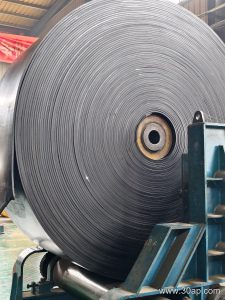
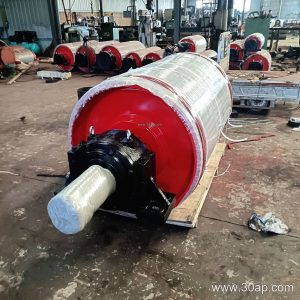
What a Drive Lagged Pulley Does
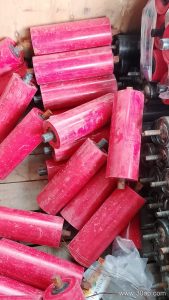
A drive lagged pulley is the head pulley that transmits motor torque to the conveyor belt. It sits at the discharge end of the conveyor, and its rubber or ceramic covering — the lagging — raises the friction coefficient between the pulley shell and the belt. Without that covering, a smooth steel shell would slip under high torque, especially in wet or dusty conditions. This is why the drive pulley is almost always lagged, while a tail pulley or bend pulley may run bare or with a lighter covering.
The lagging is not a cosmetic layer. It protects the pulley shell from abrasion, improves grip, and helps shed water and fines. In a quarry conveyor or a coal mining conveyor, a drive lagged pulley with the right surface form can mean the difference between steady production and repeated belt slip.
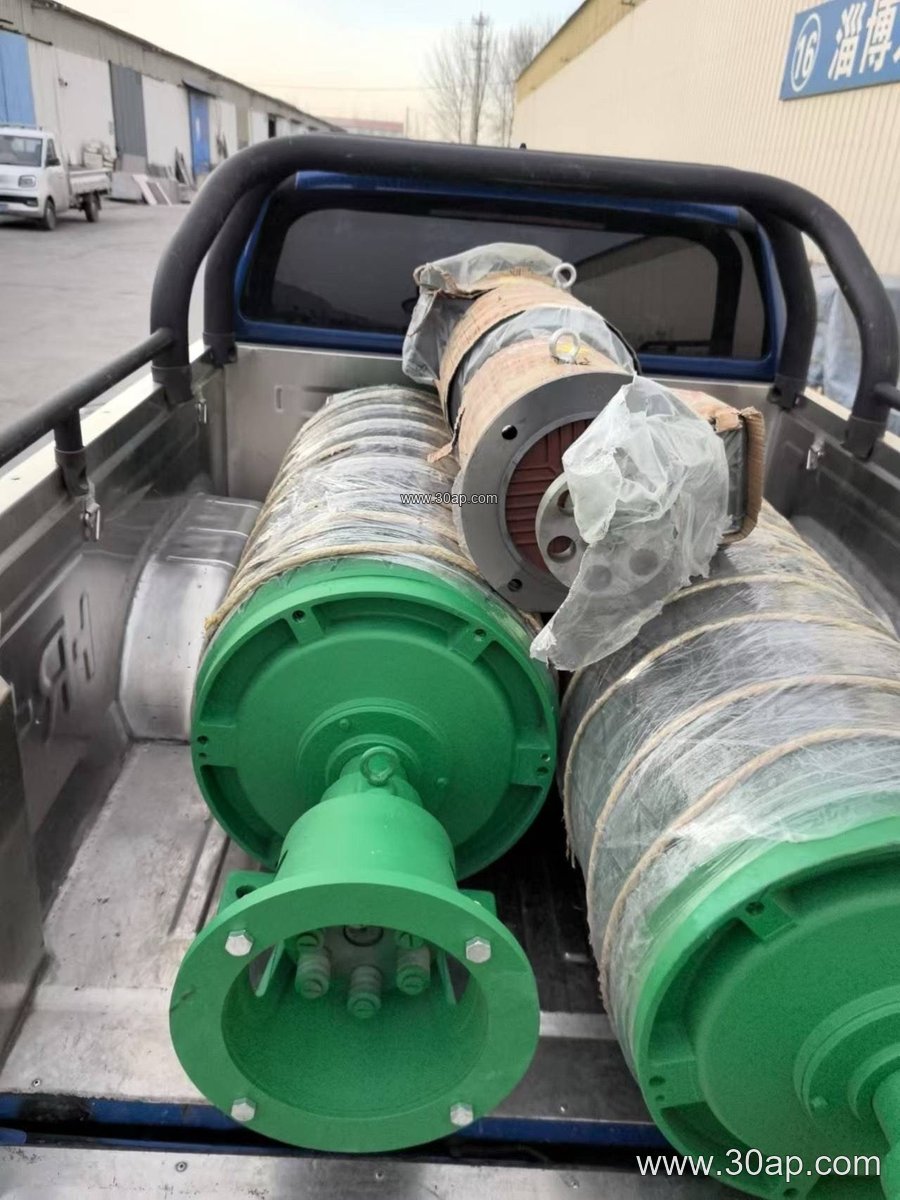
Construction and Surface Options
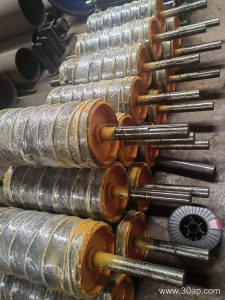
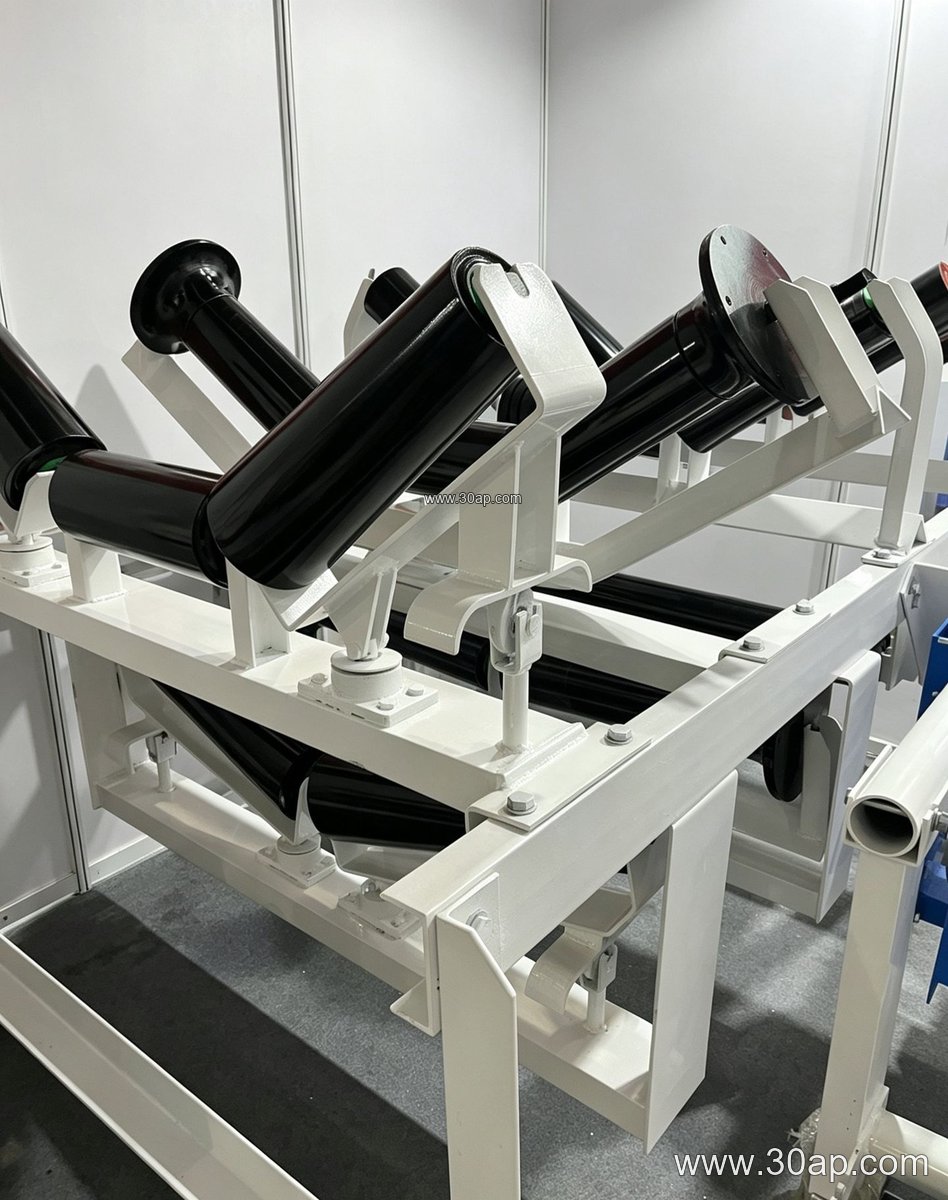
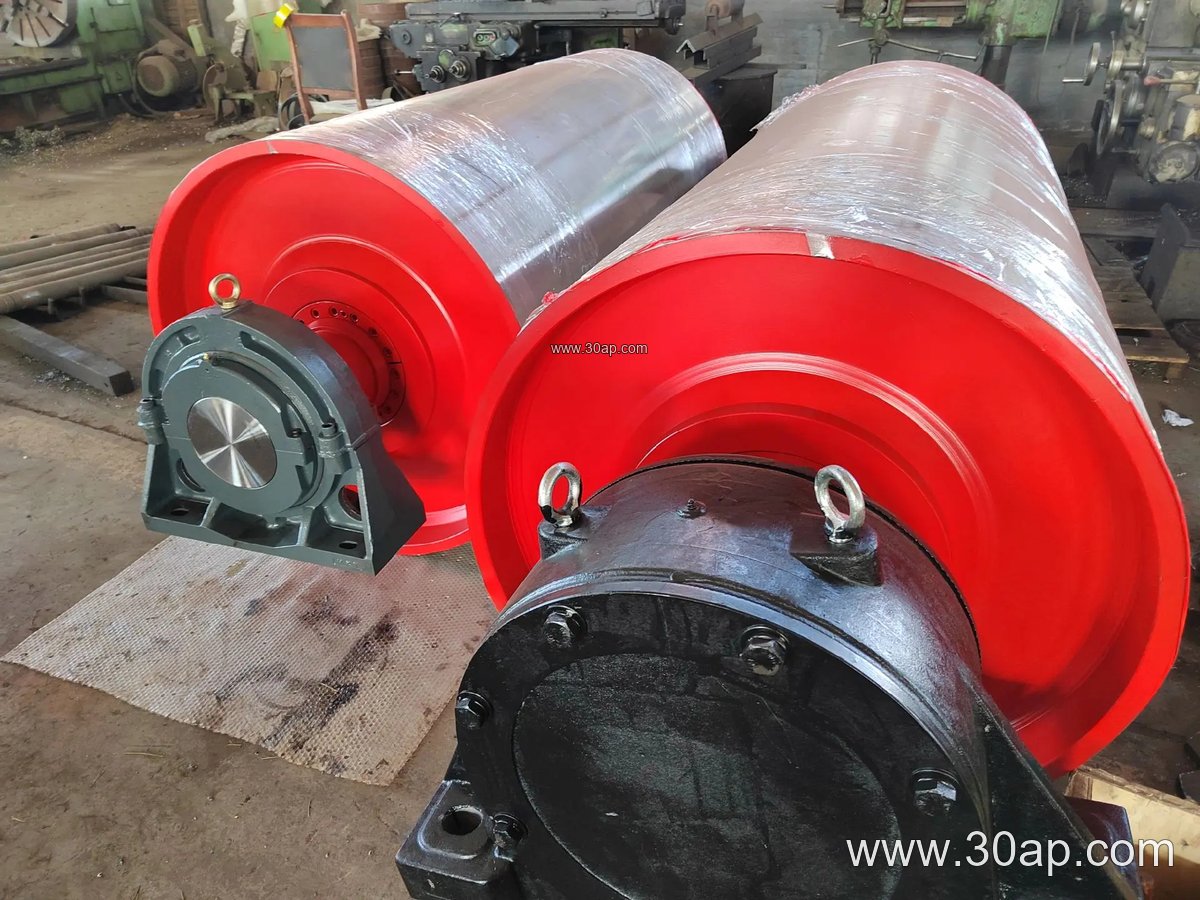
A typical drive lagged pulley consists of a cylindrical shell, two end discs, a shaft, and bearing housings mounted on a conveyor bracket. The shell is usually machined to a slight crown so the belt tracks toward the center. Lagging is applied in several ways:
- Vulcanized rubber lagging — hot-bonded to the shell, common for heavy-duty mining conveyor belts and long overland systems.
- Cold-bonded rubber — practical for refurbishment in the field.
- Diamond or herringbone grooving — improves water drainage and grip in wet, muddy service.
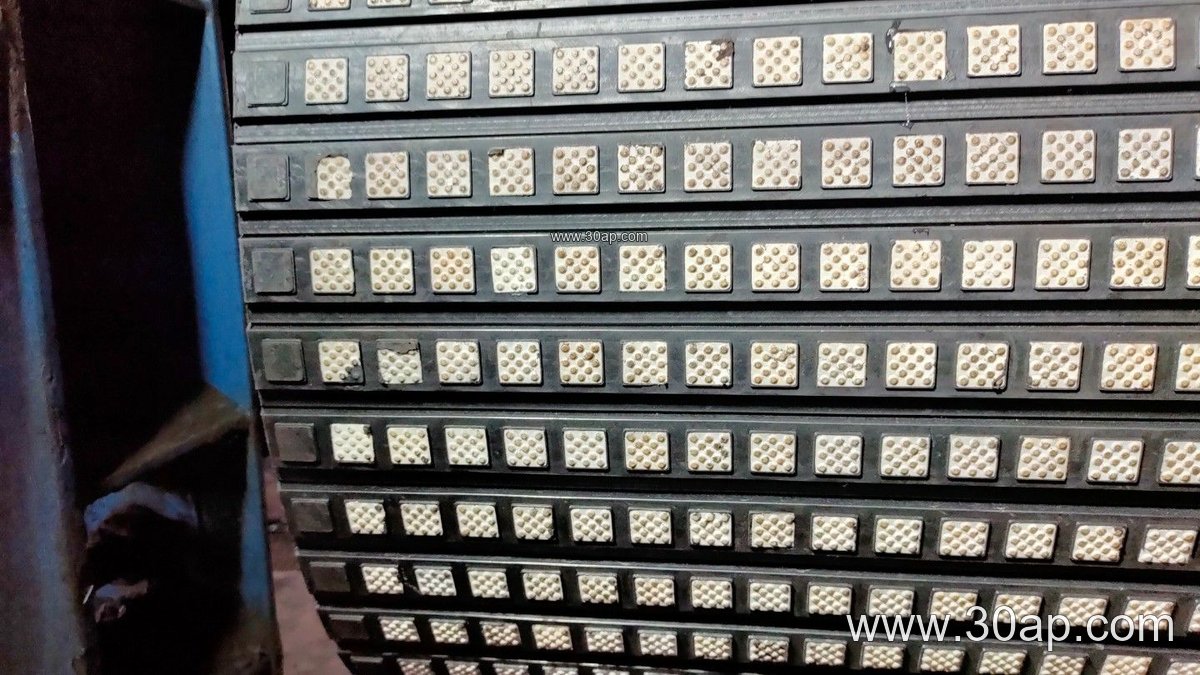
- Ceramic lagging — used where abrasive ore or sinter puts extreme wear on the shell.
Lagging thickness commonly ranges from 8 mm to 20 mm. A drive pulley on a high-tension system may use 15 mm or 20 mm rubber, while a smaller unit might use 8 mm or 10 mm. The right choice depends on belt tension, torque, and the material being carried, not on a single fixed rule.
Matching Pulley Diameter to Belt Width and Duty
Belt width and pulley diameter are related but not locked together. A wider belt needs a wider pulley face, but the diameter is set by the belt’s bending radius, the number of plies, and the torque the drive must transmit. Common combinations include B800 × Ø500, B1200 × Ø1000, and B1400 × Ø800, but many other pairings are valid. The table below shows typical reference values, not mandatory matches.
| Belt width | Typical pulley face width | Common diameter range |
|---|---|---|
| B400 | about 500 mm | Ø200 – Ø400 |
| B650 | about 750 mm | Ø315 – Ø630 |
| B800 | about 950 mm | Ø400 – Ø800 |
| B1000 | about 1150 mm | Ø500 – Ø1000 |
| B1200 | about 1400 mm | Ø630 – Ø1000 |
| B1400 | about 1600 mm | Ø800 – Ø1250 |
| B1600 | about 1800 mm | Ø800 – Ø1400 |
Shaft diameter is determined by torque and radial load. Common shaft sizes range from Ø50 to Ø200 mm, but a given belt width does not imply a fixed shaft size. The pulley, bearings, and conveyor bracket must be checked together as a system.
Where It Fits in the Conveyor
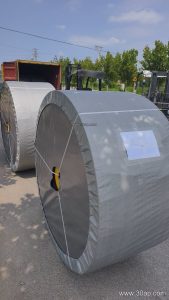
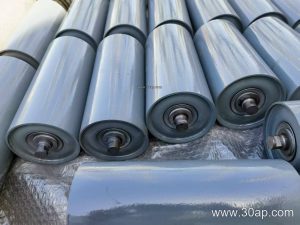
The drive lagged pulley is normally at the head, but it can also be a drive pulley at an intermediate point in a long system. It works together with the conveyor belt, idler roller sets, and return rollers. A tail pulley or bend pulley handles redirection; it does not transmit drive torque, so it is not interchangeable with the drive pulley.
In a cement plant clinker line, a drive lagged pulley on a heat resistant conveyor belt must cope with hot material and fine dust. In a coal mining conveyor or underground coal mining conveyor, flame retardant and anti-static belt grades are common, and the pulley lagging should be selected for wet, gritty conditions. In a port bulk material conveyor handling iron ore or copper ore, ceramic or thick rubber lagging helps extend shell life.
Buyer Checklist
- Confirm belt width, belt type (EP conveyor belt, NN conveyor belt, steel cord conveyor belt, or multi-ply fabric core), and minimum pulley diameter allowed by the belt manufacturer.
- Specify lagging material, thickness, and surface pattern for the actual material and moisture level.
- Provide torque, belt tension, and shaft load so the shaft and bearings can be sized correctly.
- Check the conveyor bracket and bearing housing dimensions against the existing frame.
- For replacement, measure the old pulley face width, diameter, shaft extension, and keyway rather than relying on belt width alone.
A drive lagged pulley is a small part of the conveyor but a critical one. Getting the lagging, diameter, and shaft sizing right keeps the belt running without slip and reduces downtime in quarry, mining, cement, and power plant service.