What a Conveyor Bracket Assembly Does
A conveyor bracket assembly is the structural link between the conveyor frame and the rotating components that carry the belt. It holds idler rollers at the correct angle and height, keeps the belt profile stable, and transfers loads from the material and belt into the main steel structure. In a quarry, cement plant, or power plant coal yard, these assemblies are the quiet workhorses that determine how well a belt tracks and how long rollers last.
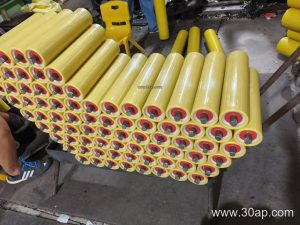
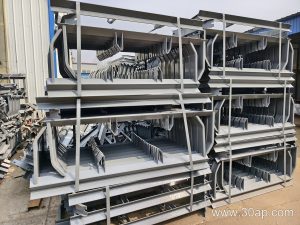
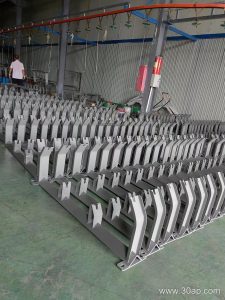
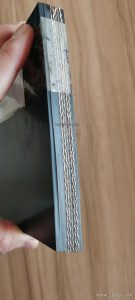
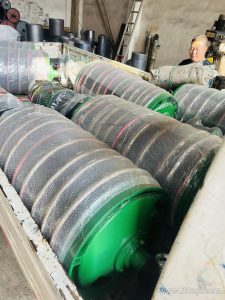
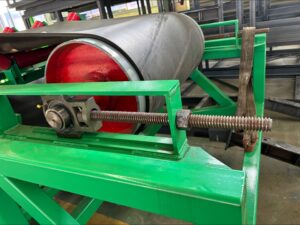
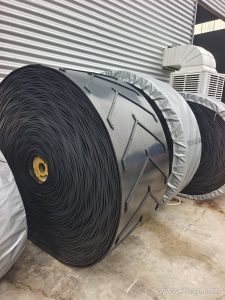
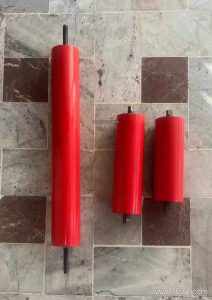
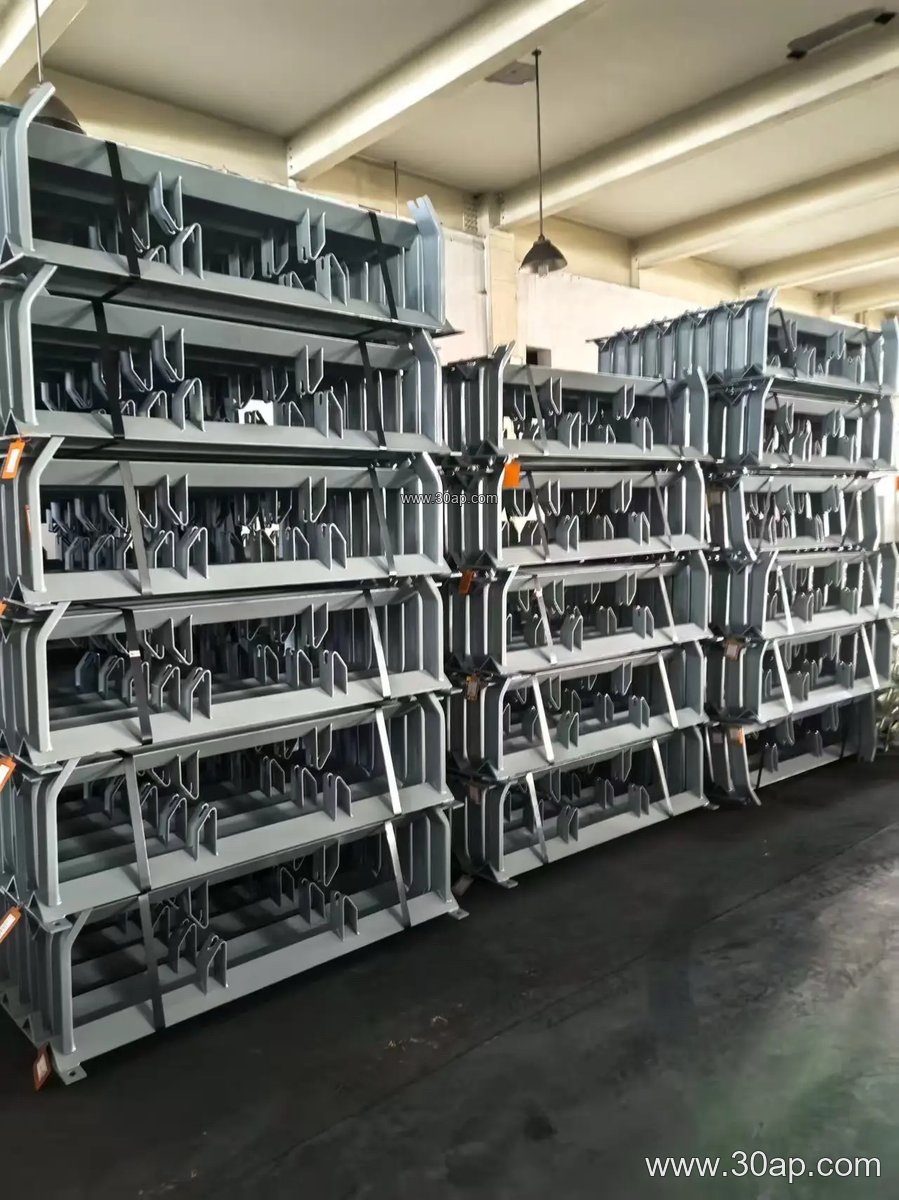
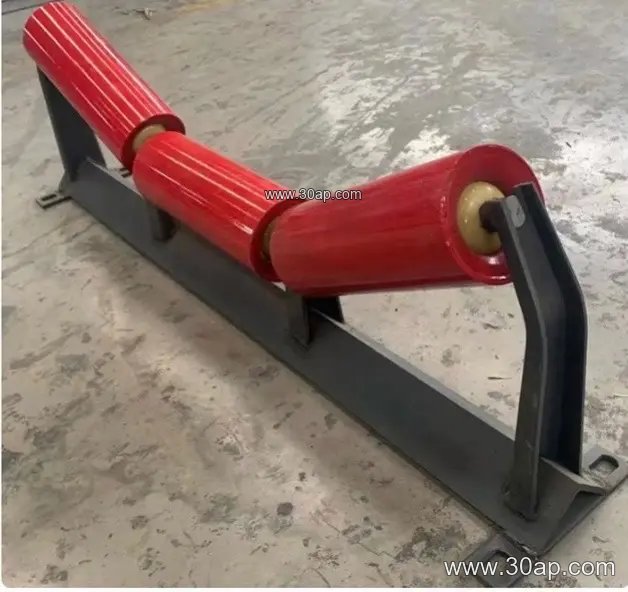
The assembly is more than a single bracket. It typically includes the bracket body, mounting plates, cross beams, and fastening points that position the rollers. Together with the conveyor belt, idler roller, and conveyor pulley, the bracket assembly sets the geometry of the entire conveying line.
Construction and Common Forms
Most assemblies are fabricated from angle steel, channel steel, or folded steel plate. The choice depends on load and environment: heavier sections for primary crushed ore, lighter folded designs for sand and gravel lines. Common forms include troughing bracket assemblies, return brackets, transition brackets, impact brackets, and self-aligning brackets. Adjustable versions allow the trough angle to be set on site.
Typical Reference Data
The values below are common reference ranges, not fixed rules. Actual dimensions follow the conveyor design.
| Parameter | Common Options |
|---|---|
| Belt width | B500, B650, B800, B1000, B1200, B1400, B1600, B1800, B2000 |
| Trough angle | 20°, 30°, 35°, 45° (adjustable brackets cover a range) |
| Roller diameter | Ø89, Ø108, Ø133, Ø159, Ø194 |
| Material | Angle steel, channel steel, folded plate |
| Mounting hole spacing | Determined by belt width and trough angle |
For example, a B800 line might use a 35° troughing assembly with Ø108 rollers, while a B1200 primary crusher discharge may call for 45° and Ø133. These are illustrative combinations; many other pairings are valid.
Where These Assemblies Are Used
In a limestone quarry, troughing bracket assemblies support the belt through the crushing and screening circuit. In a coal-fired power plant, return and impact brackets keep the belt stable at transfer points where coal drops from chutes. The same assemblies appear in cement plants, steel sinter lines, port ship loaders, and aggregate yards. In each case, the bracket assembly works with the conveyor belt and idler roller to maintain belt shape and reduce spillage.
Heavy-duty mining conveyor belts and abrasion resistant conveyor belts place higher loads on brackets, so sturdier channel-steel designs are common. In underground coal mining, flame retardant conveyor belts are paired with brackets that resist corrosion and dust buildup.
Selection and Maintenance Notes
Buyers should match the bracket assembly to belt width, trough angle, and roller diameter as a set, not as isolated numbers. A wider belt does not automatically mean a larger roller; the design engineer balances load, belt stiffness, and transition length. Adjustable brackets are useful where belt training needs fine-tuning after installation. For impact zones, impact bracket assemblies with rubber cushions protect both the bracket and the belt.
- Check that mounting hole spacing matches the frame and roller ends.
- Confirm trough angle range if the belt may be re-tensioned or re-profiled.
- Consider corrosion protection for wash-down or coastal port environments.
- Inspect fasteners and bracket alignment during routine roller replacement.
For more information on matching brackets with conveyor belt, idler roller, and conveyor pulley choices, visit www.wearproofconveyor.com or review our conveyor bracket range at www.wearproofconveyor.com/conveyor-bracket. Properly selected assemblies keep the belt centered, extend roller life, and reduce downtime in demanding bulk material handling operations.