What a 1400mm Diameter Conveyor Pulley Is
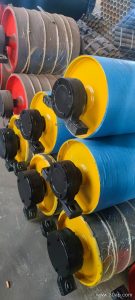
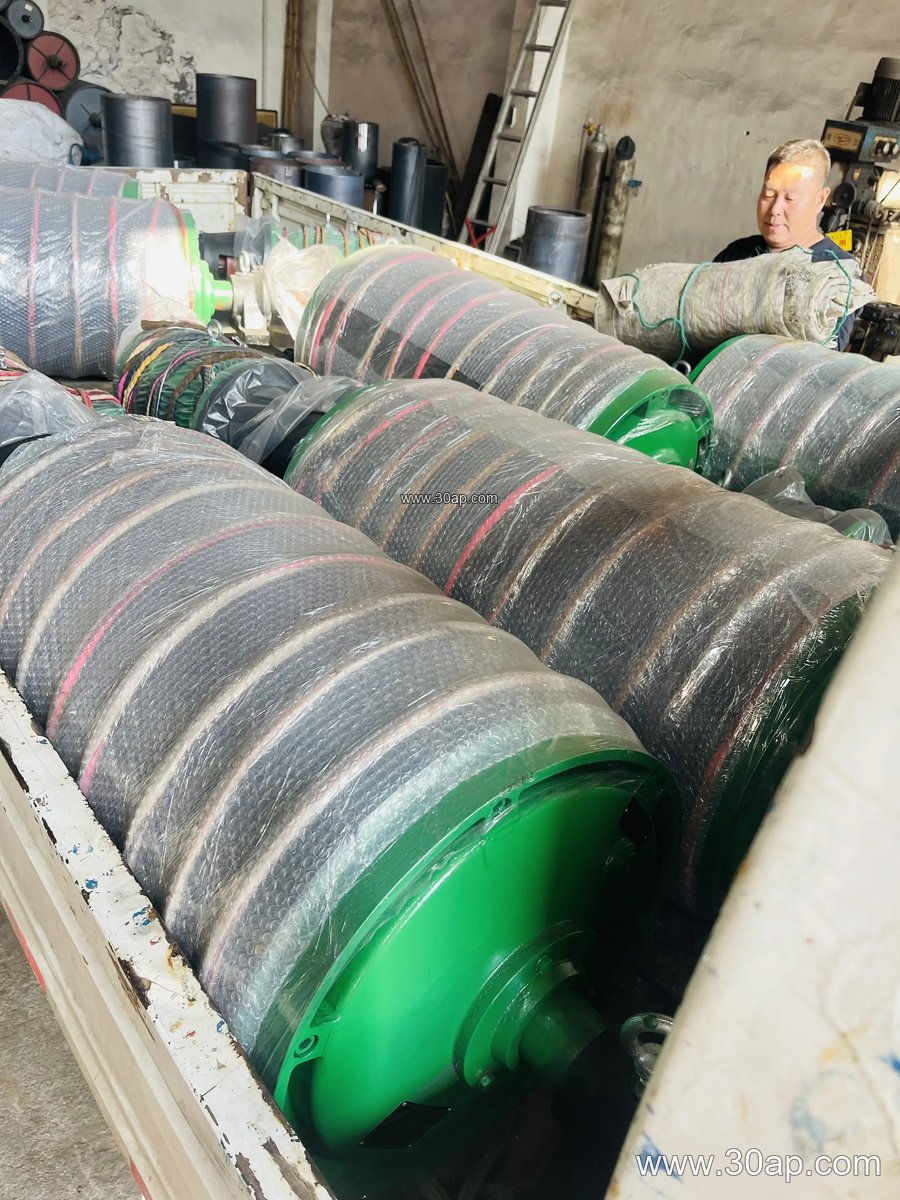
A 1400mm diameter conveyor pulley is a large-drum pulley built for high-tension, high-capacity belt systems. At this diameter, the pulley is usually a drive or head pulley on a main haulage conveyor, though it can also appear as a tail or bend pulley where the layout demands a generous wrap angle and low belt bending stress. It is not a small accessory component; it is a structural part of the conveyor that must carry belt tension, radial loads, and torque over a long service life. Buyers often search for this size as a 1400mm diameter conveyor pulley or a Ø1400 conveyor drum, and both refer to the same product.
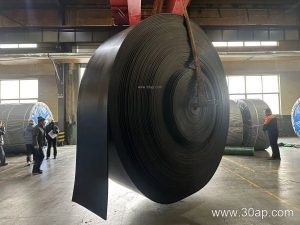
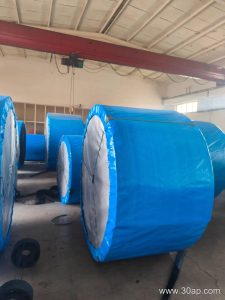
Because of its size, a Ø1400 drum is normally matched with wide belts, frequently in the B1400 to B1800 range, and with heavy-duty tension members such as steel cord or high-strength fabric constructions. Typical belts in these systems include steel cord conveyor belt grades like ST1600 or ST2000, and heavy EP or NN fabric core belts where tension permits. The pulley and belt must be selected together, since belt stiffness, splice length, and troughability all influence how the drum should be designed.
Construction and Key Components
A pulley of this diameter is generally fabricated from a rolled steel shell, welded to end discs and a hub, with the shaft pressed and keyed or shrink-fitted into the hub. Larger drums often use a segmented or dished end plate design to manage stress at the shell-to-disc junction. Surface options are chosen to suit the duty:
- Plain machined shell for tail or bend positions where traction is not the main concern
- Rubber lagging, cold-bonded or hot-vulcanized, typically 8 to 20 mm thick
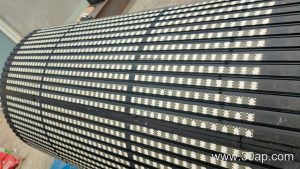
- Diamond or chevron grooved lagging for improved water and fines shedding on drive pulleys
- Ceramic lagging for high-traction, abrasive service such as iron ore or copper ore handling
The shaft diameter is determined by torque and bending load, not by belt width alone. Common shaft sizes on a drum this large might fall in the Ø160 to Ø200 range, but the final value must come from the pulley manufacturer’s calculation. Bearing housings, locking assemblies, and the conveyor bracket interface should be reviewed as a system, because a 1400mm drum transmits significant radial force into the conveyor frame.
Where This Size Fits in a Plant
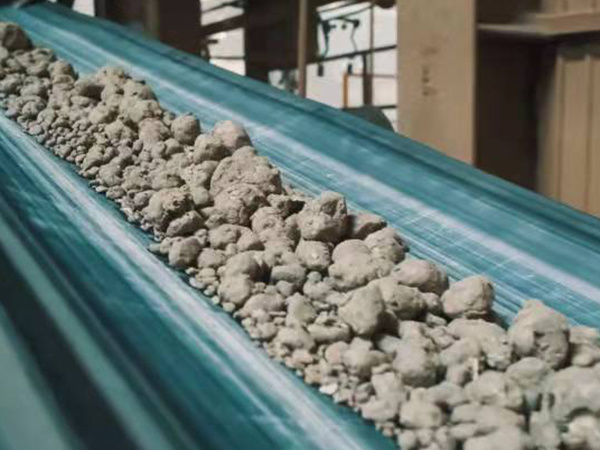
Large-diameter drums are common in primary crushing circuits at a quarry or limestone mine, where a wide belt carries run-of-mine rock from the crusher to the stockpile. They also appear in coal preparation plants and power plant coal handling systems on main feed conveyors, and in port bulk terminals where high belt speeds and long centers require low belt fatigue. In cement plants, a Ø1400 pulley may serve on clinker or raw meal transport lines, often paired with heat resistant conveyor belt where material temperature is a concern.
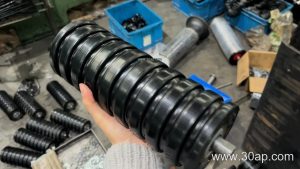
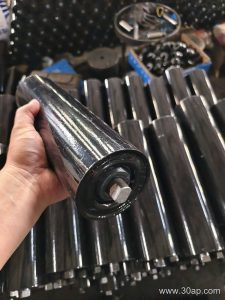
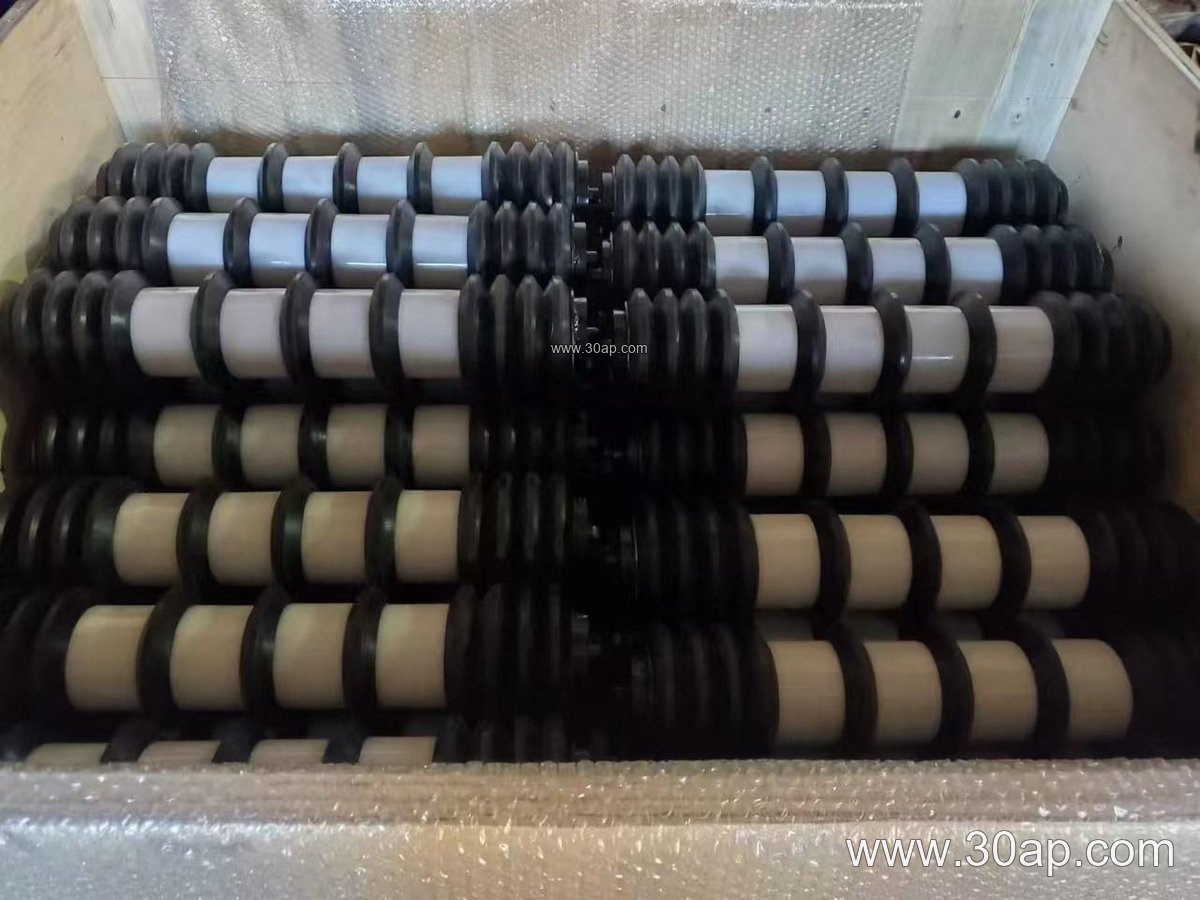
The drum is usually installed at the head or drive station, with the conveyor belt running over it under tension. Nearby equipment typically includes troughing idler roller sets, return rollers, and a sturdy conveyor bracket assembly. In dusty or wet conditions, lagging choice and drainage around the pulley become important for keeping traction stable.
Specification Notes for Buyers
The table below shows reference values commonly discussed for large pulleys. These are indicative only and should not be treated as fixed supply commitments.
| Parameter | Typical Reference |
|---|---|
| Pulley diameter | Ø1400 mm |
| Belt width match (example) | B1400, B1600, B1800 |
| Shell face width (example) | About 1600 mm for B1400 |
| Lagging thickness | 8, 10, 12, 15, 20 mm |
| Lagging type | Plain, rubber, diamond, chevron, ceramic |
| Shaft diameter | By torque and load calculation |
| Pulley type | Drive, head, tail, bend, take-up |
A common combination seen in design documents is B1400 × Ø1400 or B1600 × Ø1400, but a given belt width does not mandate one diameter. The drum size should follow belt tension, wrap angle, belt construction, and space available.
Selection and Maintenance Advice
When specifying a 1400mm diameter conveyor pulley, confirm the belt’s rated tension, the required wrap angle, and the lagging friction coefficient needed to transmit drive torque without slip. Check that the shaft and bearings are sized for the actual loads, and that the pulley can be removed through the available access in the conveyor frame. For abrasive duties such as aggregate or ore, ceramic or thick rubber lagging usually lasts longer than plain steel. For coal mining conveyor belt systems, flame retardant and anti-static properties of the belt are separate requirements from the pulley itself, but both must be compatible in the same installation.
During operation, inspect lagging wear, check bolt tightness on bearing housings, and monitor for belt tracking problems that can overload one side of the drum. Keep the area around the pulley clear so that spillage does not build up against the shell. A well-matched drum and belt pair, supported by quality idler roller sets and a rigid conveyor bracket, will deliver steady performance in demanding plants.