What a Ceramic Lagged Pulley Is and Why It Matters
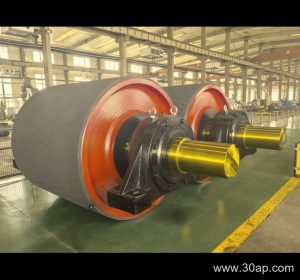
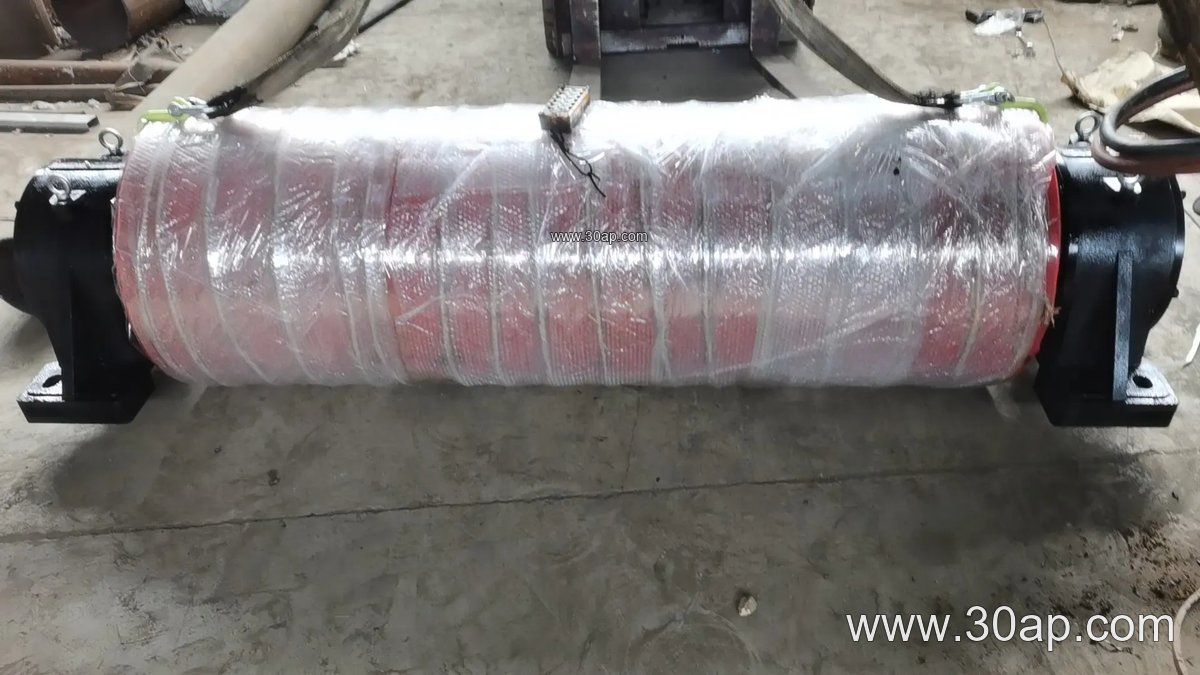
In bulk material handling, the drive pulley is the component that transfers motion to the conveyor belt. When the belt carries abrasive loads such as crushed stone, iron ore, or cement clinker, the pulley surface can wear quickly, leading to belt slip and unplanned downtime. A wear-resistant ceramic lagged pulley addresses this by bonding small ceramic tiles onto the pulley shell, creating a hard, textured surface that grips the belt while resisting abrasion. This ceramic lagging is also known as ceramic pulley lagging or ceramic rubber lagging, and it is a specialized form of conveyor pulley surface protection. Unlike standard rubber lagging, the ceramic elements provide a much higher wear life in harsh conditions.
Construction and Key Components
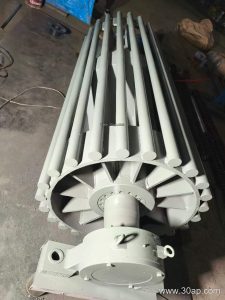
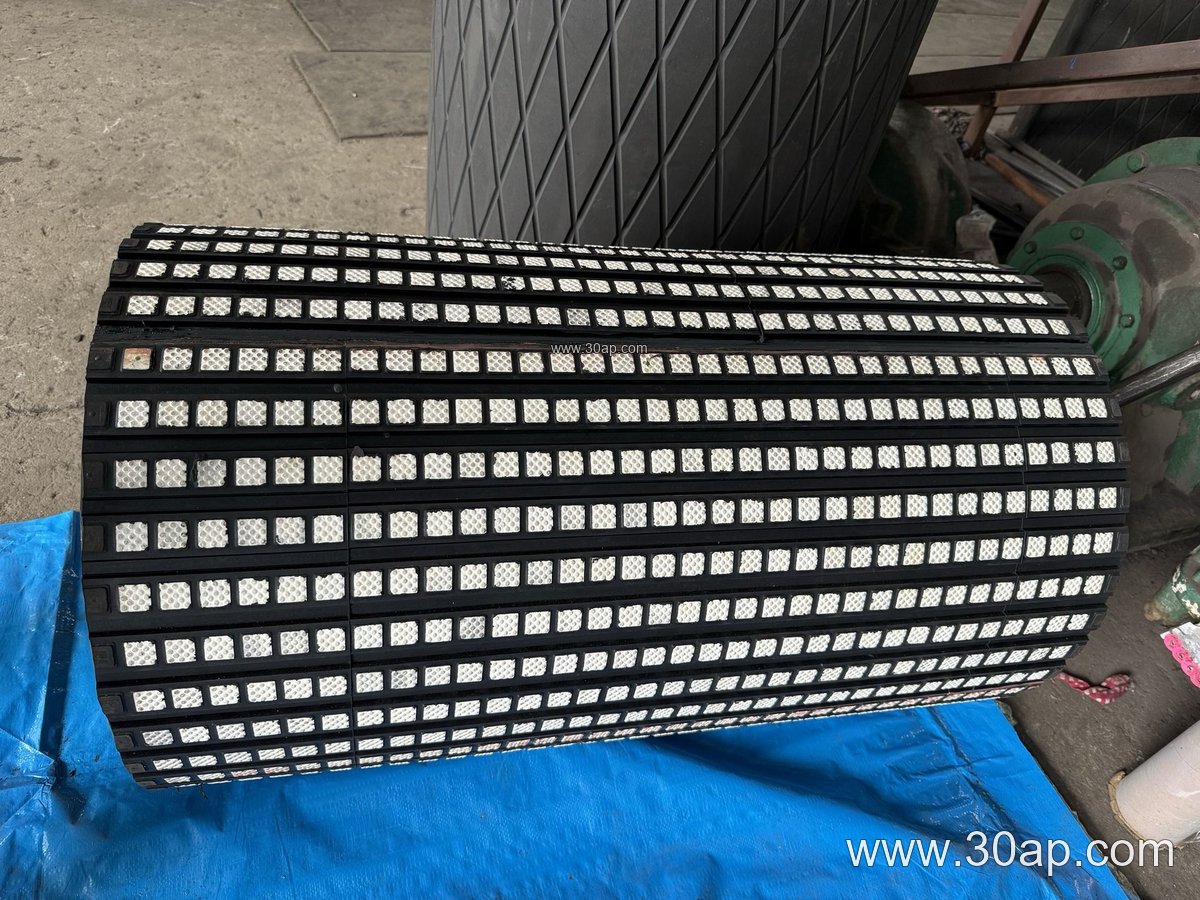
A ceramic lagged pulley typically consists of a steel drum, a layer of rubber or epoxy bonding agent, and embedded ceramic tiles. The tiles are often alumina-based and arranged in a pattern that improves friction and allows for water and debris drainage. The pulley body is machined for balance and fitted with shafts, hubs, and bearing housings. The ceramic lagging is applied either in strips or as pre-formed sheets, with thicknesses commonly ranging from 8 mm to 20 mm depending on the application. The bond between ceramic and rubber is critical; a good quality lagging will keep the tiles in place even under high torque and repeated belt cycles.
Where It Is Used
This type of pulley is frequently found in quarry and aggregate operations, where dust and sharp particles are constant threats. It is also used in coal preparation plants and port bulk terminals handling abrasive materials. In these environments, the drive pulley must maintain grip on the conveyor belt without frequent retreading. A wear-resistant ceramic lagged pulley can extend service intervals compared to plain steel or rubber-lagged pulleys, especially when the belt is exposed to wet or oily conditions that reduce friction. It is important to note that drive pulleys, tail pulleys, and bend pulleys serve different roles; the ceramic lagging is most often applied to drive pulleys and sometimes to bend or snub pulleys where additional traction is needed.
Specification and Selection Considerations
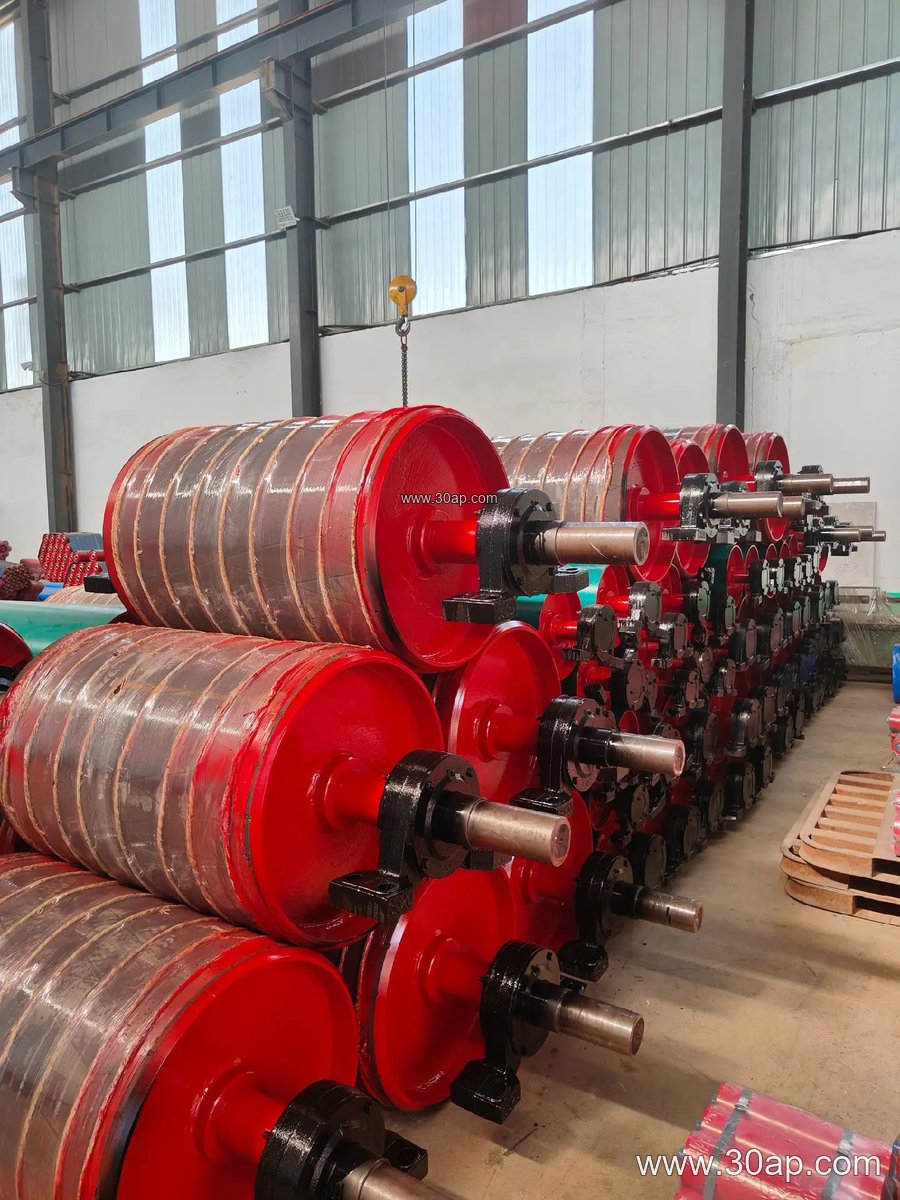
When selecting a ceramic lagged pulley, engineers consider belt width, pulley diameter, shaft load, and the required lagging thickness. Common belt widths include B800, B1000, B1200, and B1400, while pulley diameters may range from Ø500 to Ø1250 or larger. The pulley face width is usually slightly wider than the belt, for example a B1000 belt might use a pulley face of about 1150 mm. The shaft diameter is determined by torque and load calculations, not simply by belt width. Below is a reference table of typical combinations; these are examples, not fixed rules.
| Belt Width (mm) | Pulley Diameter (mm) | Lagging Thickness (mm) | Typical Application |
|---|---|---|---|
| B800 | Ø500 | 10–15 | Aggregate conveyor |
| B1000 | Ø800 | 12–15 | Coal mining conveyor |
| B1200 | Ø1000 | 15–20 | Iron ore conveyor |
| B1400 | Ø1250 | 15–20 | Port bulk terminal |
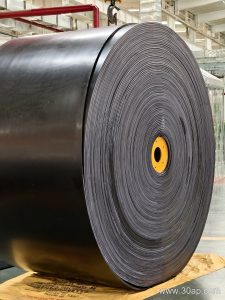
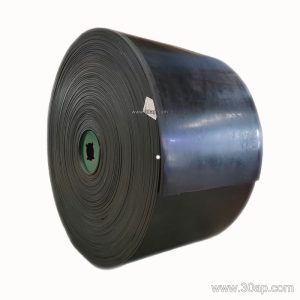
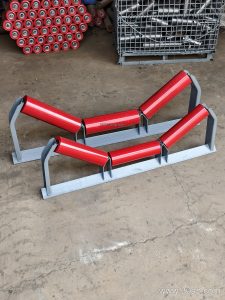
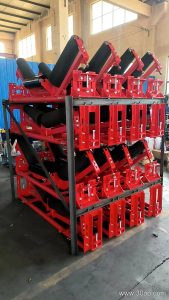
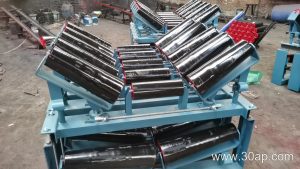
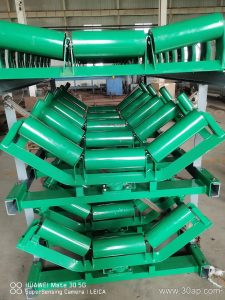
Other factors include the conveyor belt type: a heavy-duty abrasion resistant conveyor belt may require a more aggressive lagging pattern, while a heat resistant conveyor belt may need a ceramic lagging that can withstand elevated temperatures. The pulley should be balanced and the lagging applied uniformly to avoid belt tracking issues. Buyers should also consider the conveyor bracket and idler roller compatibility, as well as access for maintenance.
Maintenance and Buyer Tips
Ceramic lagged pulleys are generally low-maintenance, but periodic inspection is advised to check for cracked or missing tiles. Keeping the belt clean and aligned reduces stress on the lagging. When replacing a pulley, ensure the new unit matches the shaft diameter and keyway of the existing drive. It is also wise to review the entire conveyor system, including the conveyor pulley alignment and the condition of the conveyor belt, to avoid premature wear. For harsh environments, specify a ceramic lagging with high alumina content and a robust rubber bond. Always consult with the pulley manufacturer for exact dimensions and load ratings; do not assume that one belt width corresponds to a single pulley diameter.
Final Thoughts
A wear-resistant ceramic lagged pulley is a practical upgrade for conveyor systems handling abrasive bulk materials. By understanding its construction, typical applications, and the parameters that influence selection, plant operators can improve reliability and reduce maintenance costs. Whether in a sand and gravel plant or a cement kiln line, the right ceramic lagging can make a noticeable difference in conveyor performance.