What the EP1500 Conveyor Belt Is
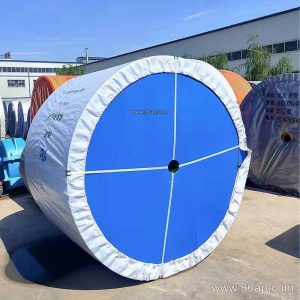
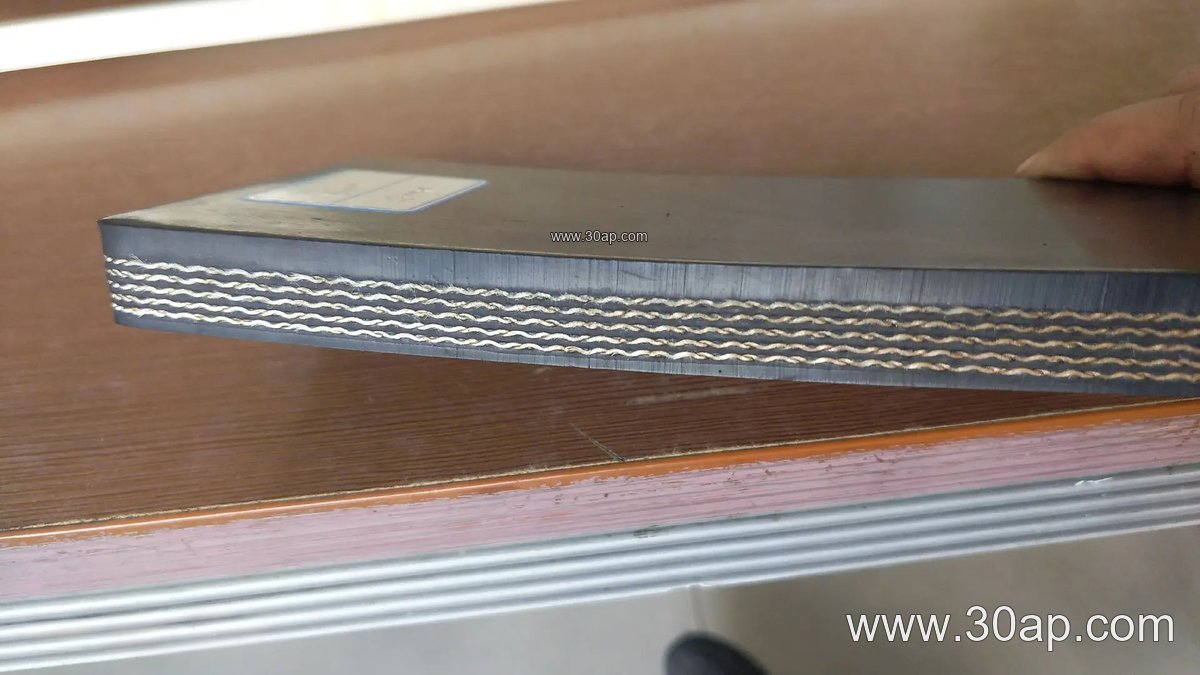
An EP1500 conveyor belt is a multi-ply fabric core belt built on polyester-cotton (EP) fabric, with a rated breaking strength commonly expressed as 1500 N/mm per ply. It sits in the upper middle of the EP range, above EP1000 and EP1250 and below EP1600 and EP2000, which makes it a practical choice for long main haulage lines and high-tonnage transfer points where a steel cord belt would be overkill but lighter fabric grades would run short on safety margin.
This article covers the EP1500 grade specifically. For very long overland routes or extremely high tensions, a steel cord construction is the usual alternative, while NN belts remain common in lighter duties. Those comparisons help position the product but do not replace it.
How the Belt Is Built
The carcass consists of several EP fabric plies bonded together, typically two to six layers depending on the duty. Top and bottom rubber covers protect the carcass from abrasion, impact and moisture. Cover thickness is usually quoted as a pair, for example 5+2 mm, 6+2 mm or 8+3 mm, with the first figure being the carrying side.
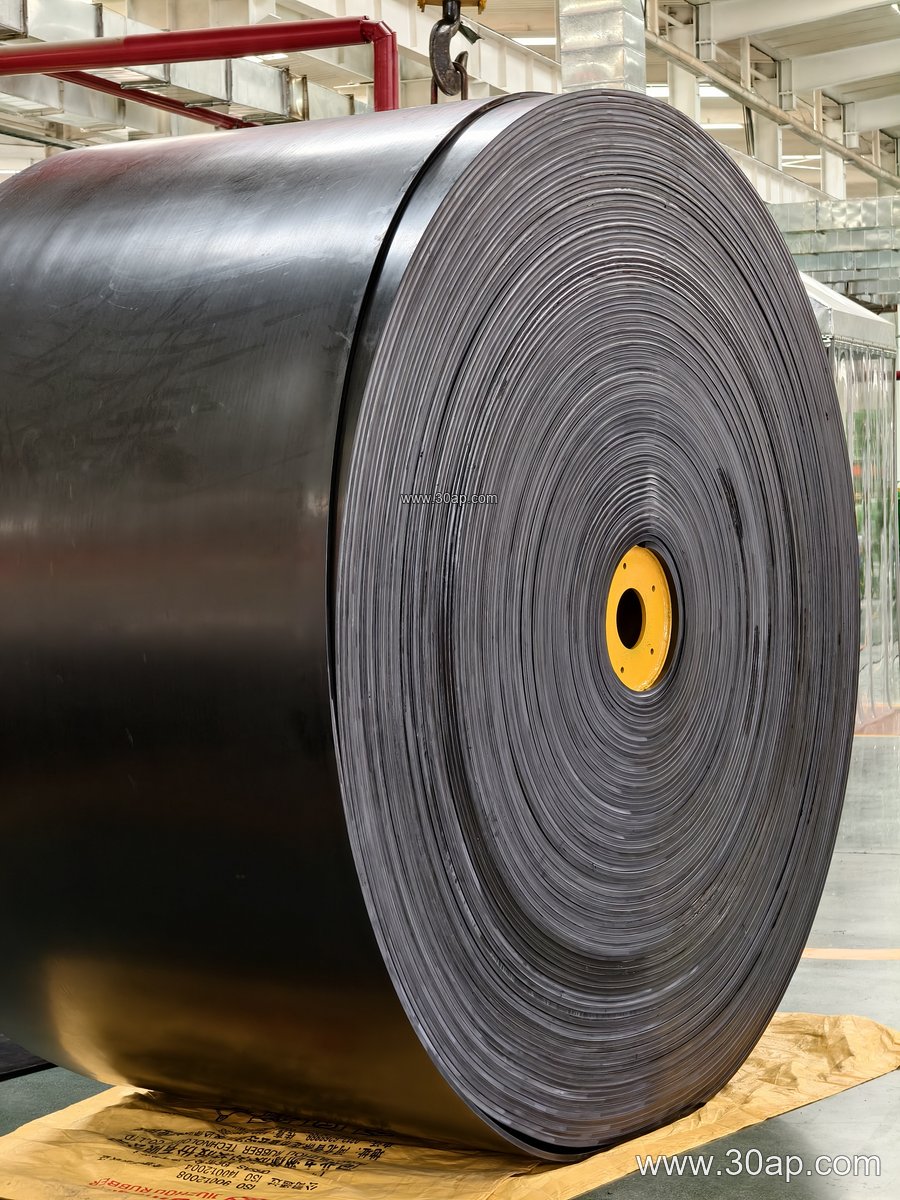
- EP fabric carcass for low elongation and good troughability
- Rubber covers selected for abrasion, heat, oil or flame resistance
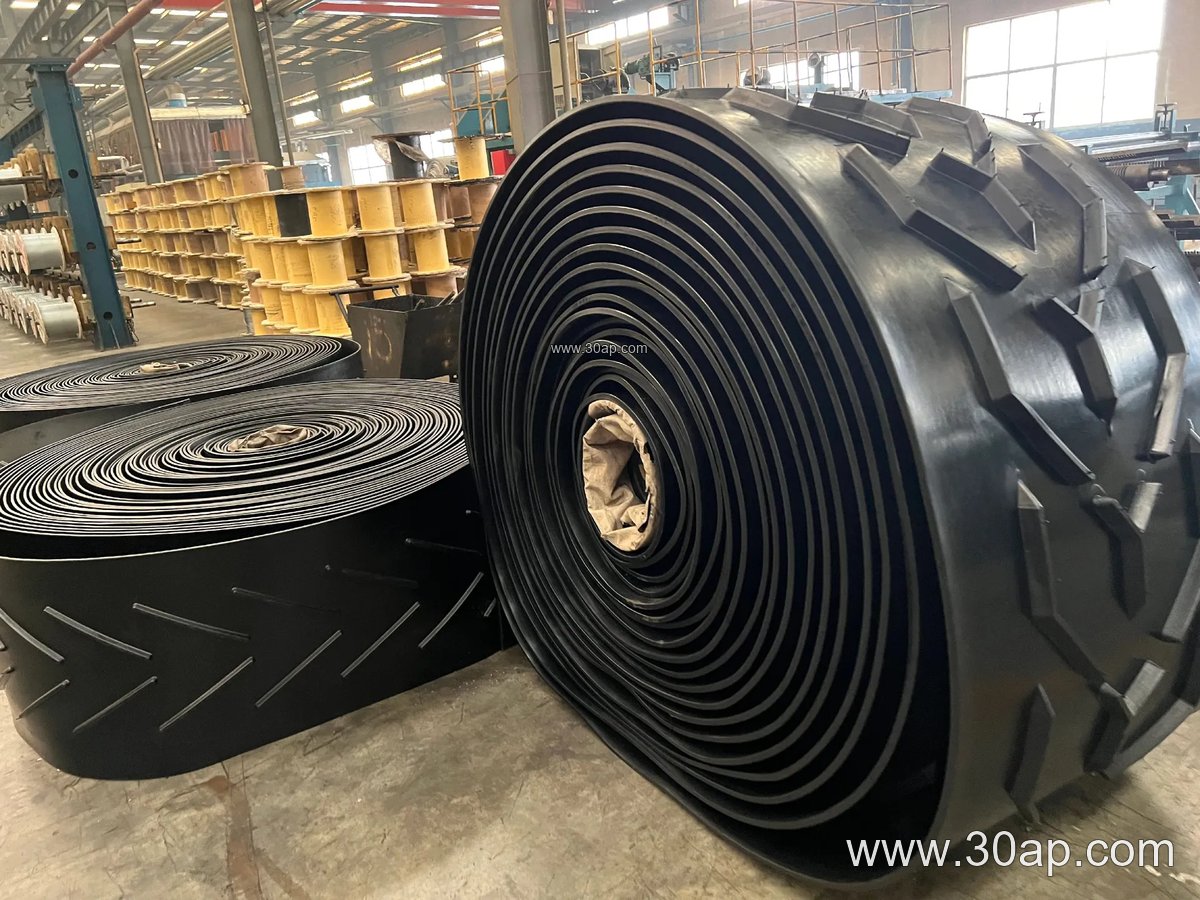
- Optional chevron ribs, corrugated sidewalls or skirting for steep or contained paths
- Spliced ends prepared for vulcanized or mechanical joining
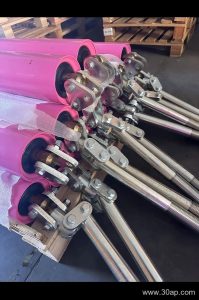
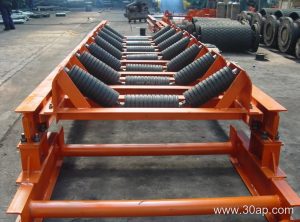
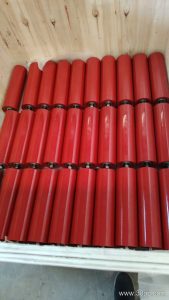
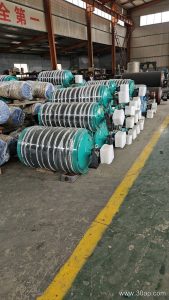
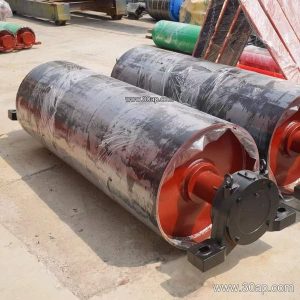
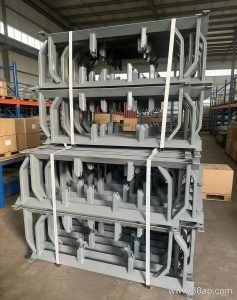
A well-made EP1500 belt keeps its length stable under load, which matters when take-up travel is limited. On the conveyor itself, the belt works with idler rollers, conveyor pulleys and conveyor brackets; drive, tail and bend pulleys each do a different job, so they should be specified separately rather than treated as one item.
Where It Fits in the Plant
Typical users include mines, coal preparation plants, cement works, power stations, quarries, sand and aggregate yards, steel plants, ports and recycling facilities. In a crushing circuit, an EP1500 conveyor belt often serves as the primary discharge or plant feed belt, carrying rock, ore or clinker at high capacity. Coal mining conveyor belts and underground mining conveyor belts may need flame retardant and anti-static grades, while cement and lime lines usually call for heat resistant conveyor belt constructions on the hot end.
Where material is wet, sticky or contains oil, an oil resistant conveyor belt or an abrasion resistant conveyor belt cover compound is worth discussing with the supplier. For steep inclines, a chevron conveyor belt profile or a corrugated sidewall conveyor belt can replace part of the transfer system, and enclosed routes may use a pipe conveyor belt. Each of these is a variant of the same base product, not a substitute for the EP1500 carcass grade.
Common Reference Sizes
The table below lists reference values only. Actual belt width, cover thickness and ply count are set by the conveyor design, the material lump size and the required tension.
Reference Data for EP1500 Belts
| Parameter | Common reference values |
|---|---|
| Belt width | B800, B1000, B1200, B1400, B1600, B1800, B2000 |
| Cover thickness | 4+2 mm, 5+2 mm, 6+2 mm, 8+3 mm |
| Carcass plies | 2 to 6, by design |
| Strength grade | EP1500, with EP1250 and EP1600 as neighbours |
Note that belt width does not fix pulley diameter or shaft size on its own; those follow from the calculated belt tension and the pulley manufacturer’s design. A 1200 mm wide belt and an 1800 mm wide belt may run on very different pulley sets.
Selection and Maintenance Notes
Buyers should confirm the material type, lump size, belt speed, incline, ambient temperature and any fire or oil exposure before choosing covers. Ask for the splice method, edge condition and roll length, and check that the delivered grade matches the nameplate tension. During operation, watch for edge damage, cover wear at the loading point and tracking drift; worn idler rollers and misaligned conveyor pulleys are frequent causes of premature belt failure. Keep impact cradles and skirt rubber in good condition to protect the top cover.
For matching components and belt options, see skcbers.com for conveyor belt, idler roller and conveyor pulley information. A correctly specified EP1500 conveyor belt, paired with sound pulleys and rollers, gives long, predictable service in demanding bulk handling work.