What a Parallel Return Idler Does
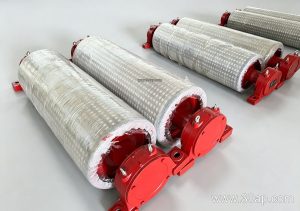
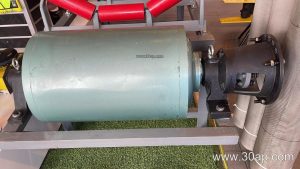
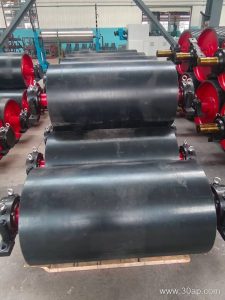
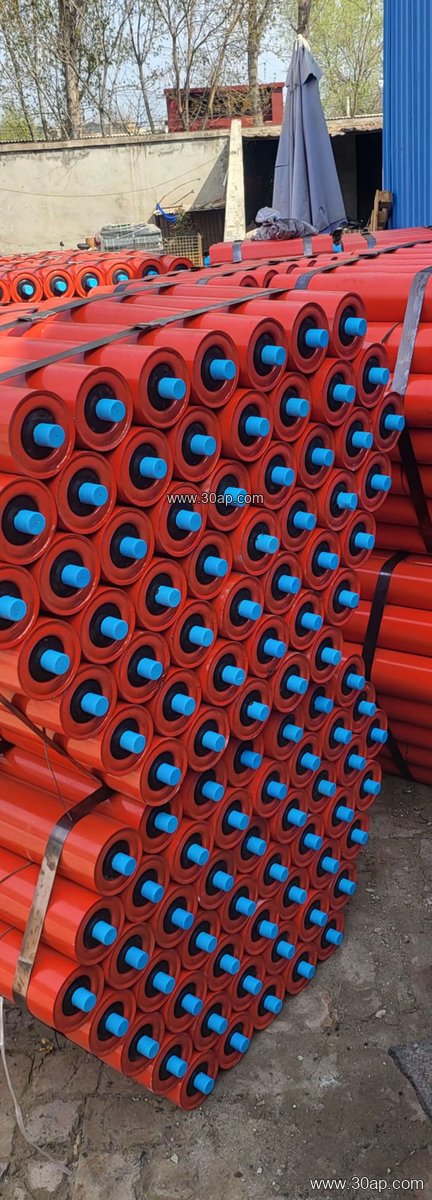
A parallel return idler, also called a flat return roller or plain return idler, is the component that supports the empty side of a conveyor belt on its way back to the tail pulley. Unlike the carrying side, which often uses three-roll troughing sets, the return side needs a simple, flat support that keeps the belt tracking straight and prevents sag between pulleys. In a quarry, a coal washing plant, or a power station coal yard, these idlers are mounted on conveyor brackets below the belt and rotate freely as the belt passes over them. Their position is straightforward: one roller, one shaft, two bearing housings, and a frame that bolts to the conveyor structure.
Construction and Common Materials
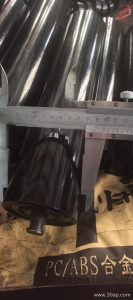
The body of a parallel return idler is usually a steel tube with machined ends that hold the bearing housings. Common roller diameters include Ø89, Ø102, Ø108, Ø127, and Ø133 mm, with larger sizes such as Ø159 and Ø178 mm used on wider or heavier belts. The shell may be plain steel, nylon-coated, or fitted with rubber rings for gentle contact. Bearing sizes are selected by load and speed; 6204, 6205, 6305, 6306, and 6308 are frequently seen, but the bearing should follow the idler manufacturer’s design rather than a fixed rule tied to belt width. Sealing is critical in dusty settings like a crusher discharge or a cement plant, where fine particles can shorten bearing life.
Where It Fits in a Conveyor System
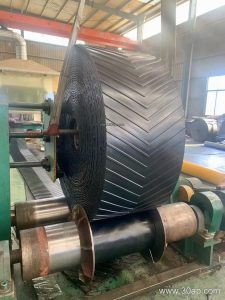
This idler belongs to the return strand, not to the carrying run. In a typical aggregate conveyor, you will find troughing idlers above and parallel return idlers below, spaced to control belt sag. The belt itself may be an EP conveyor belt, a steel cord conveyor belt, or a flame retardant conveyor belt in underground coal mining. Return idlers also work alongside the conveyor pulley at the tail and the drive pulley at the head, but they do not replace either pulley. A bend pulley changes belt direction; a return idler only supports it. The same distinction applies to V-shaped return idlers, which are a different subtype used for belt training in some installations. When compared with a V-return set, a parallel return idler offers a flat support surface and simpler maintenance.
Typical Sizes and Selection Notes
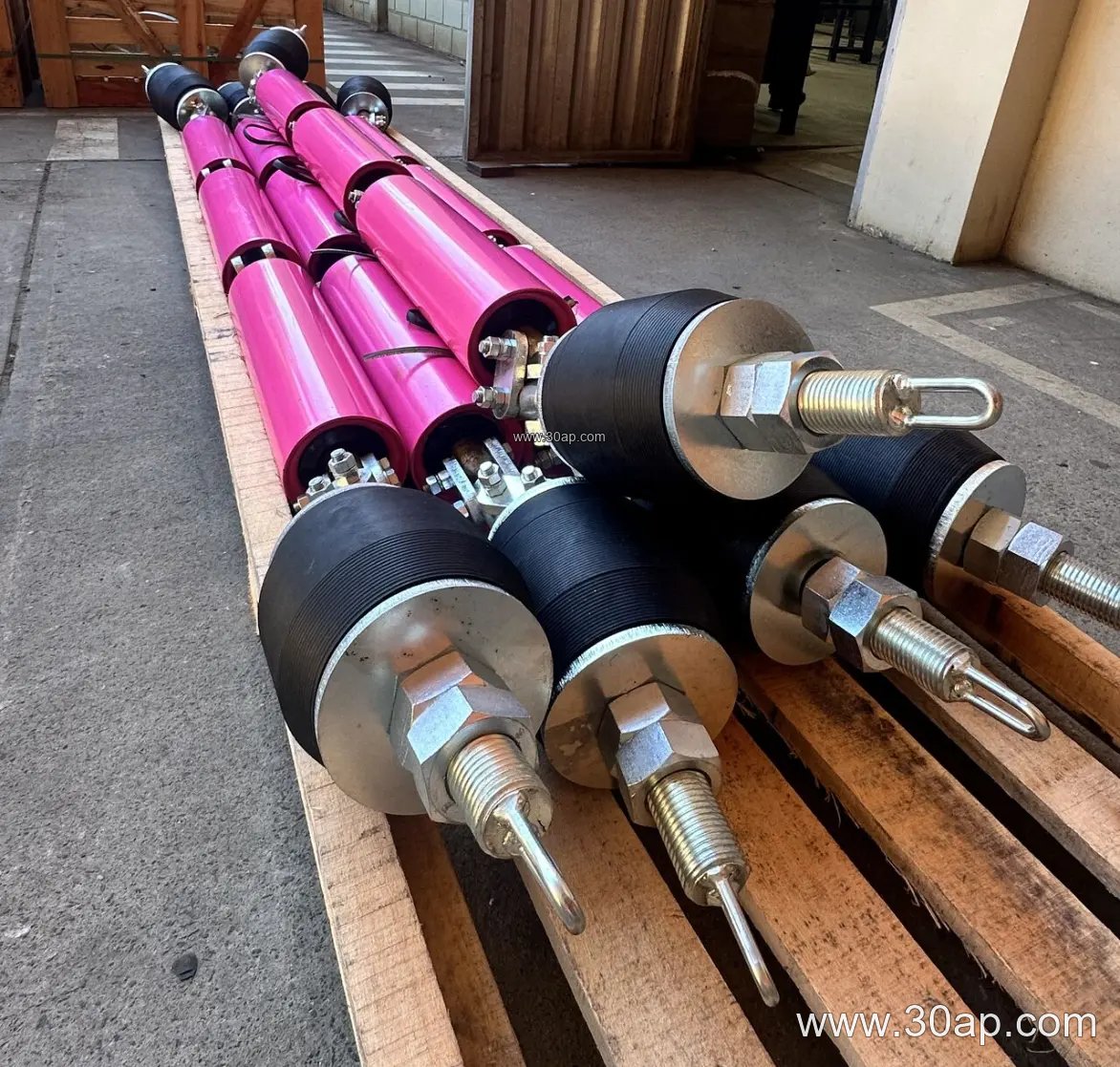
Belt width guides the roller length, but there is no single mandatory match. For reference, common roller lengths for parallel return idlers on standard belts are shown below. These are examples only, and side rollers on troughing sets can differ.
| Belt Width | Common Roller Length (mm) | Typical Roller Diameter (mm) |
|---|---|---|
| B500 | 200 | Ø89, Ø102 |
| B650 | 250 | Ø89, Ø108 |
| B800 | 315 | Ø102, Ø108, Ø127 |
| B1000 | 380 | Ø108, Ø127, Ø133 |
| B1200 | 465 | Ø127, Ø133, Ø159 |
| B1400 | 530 | Ø133, Ø159 |
| B1600 | 600 | Ø159, Ø178 |
| B1800 | 670 | Ø159, Ø178 |
| B2000 | 750 | Ø178, Ø194 |
Buyers should confirm shaft diameter, bearing type, and mounting dimensions with the supplier. A 1000 mm wide conveyor belt does not automatically dictate one shaft size, and a 1200 mm wide EP conveyor belt may use different return idlers depending on load and speed. The idler should be selected as part of the whole conveyor layout, together with the conveyor pulley, brackets, and belt type.
Buying and Maintenance Pointers
Check the seal design for dusty or wet conditions, especially in a limestone mine, a fertilizer plant, or a port unloading facility. Roller runout and balance affect belt wear; a poorly balanced parallel return idler can cause tracking problems and edge damage. Space return idlers according to the belt manufacturer’s recommendation, and inspect for seized bearings or worn shells during routine stops. In a steel plant or sinter plant, heat resistant conveyor belt grades may be used, but the return idler itself should be rated for the ambient temperature. For heavy-duty mining conveyor belts, thicker shells and larger bearings are common, yet the final choice remains a design decision based on load, speed, and environment.