What a Conveyor Welded Pulley Is
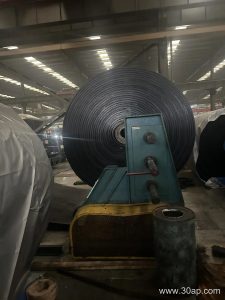
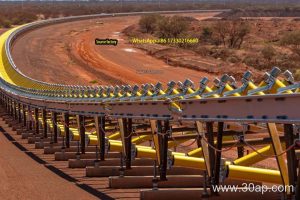
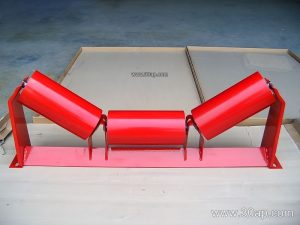
A conveyor welded pulley is a cylindrical drum built by welding steel end discs and a hub assembly to a rolled shell. This fabrication method gives the pulley its strength and rigidity, making it suitable for demanding conveyor systems in quarry, cement, and power plant applications. Unlike cast pulleys, welded construction allows for larger diameters and customized face widths without excessive weight. The pulley works together with the conveyor belt, idler rollers, and conveyor brackets to keep material moving efficiently.
Construction and Key Components
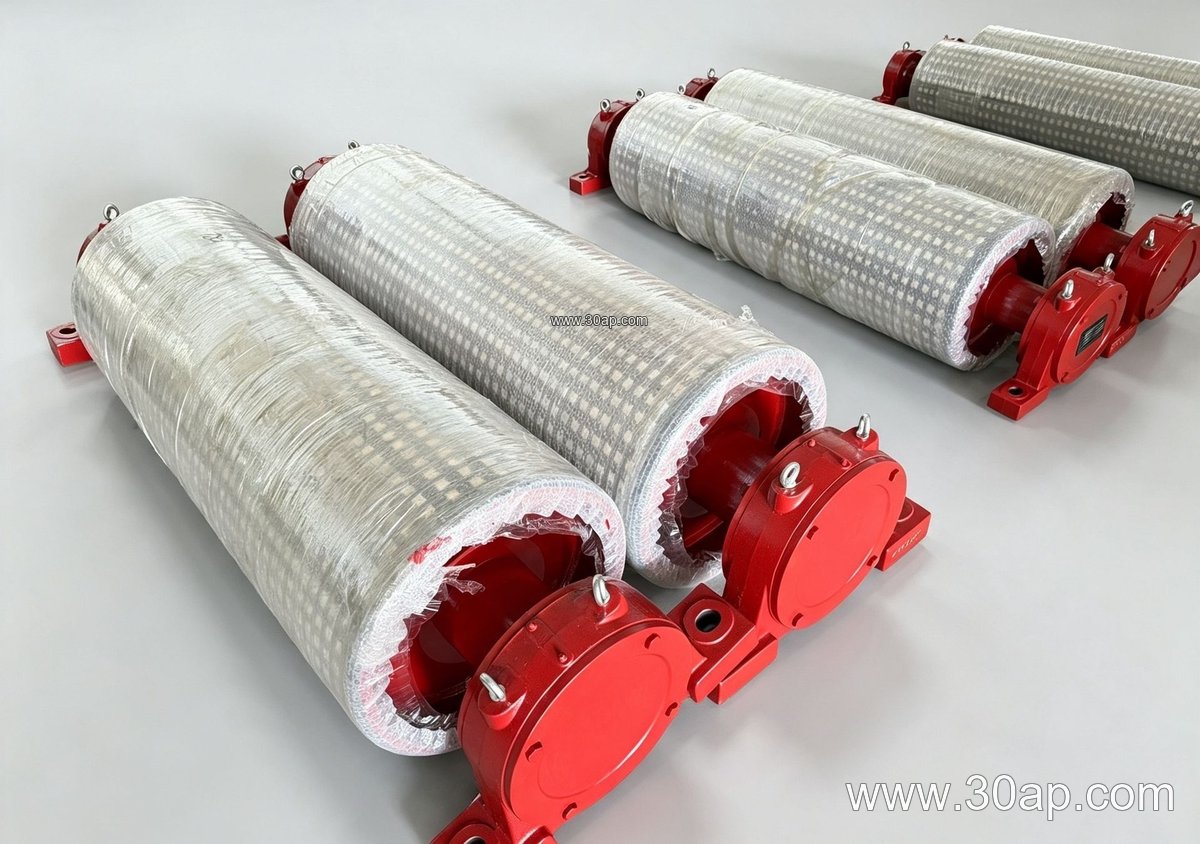
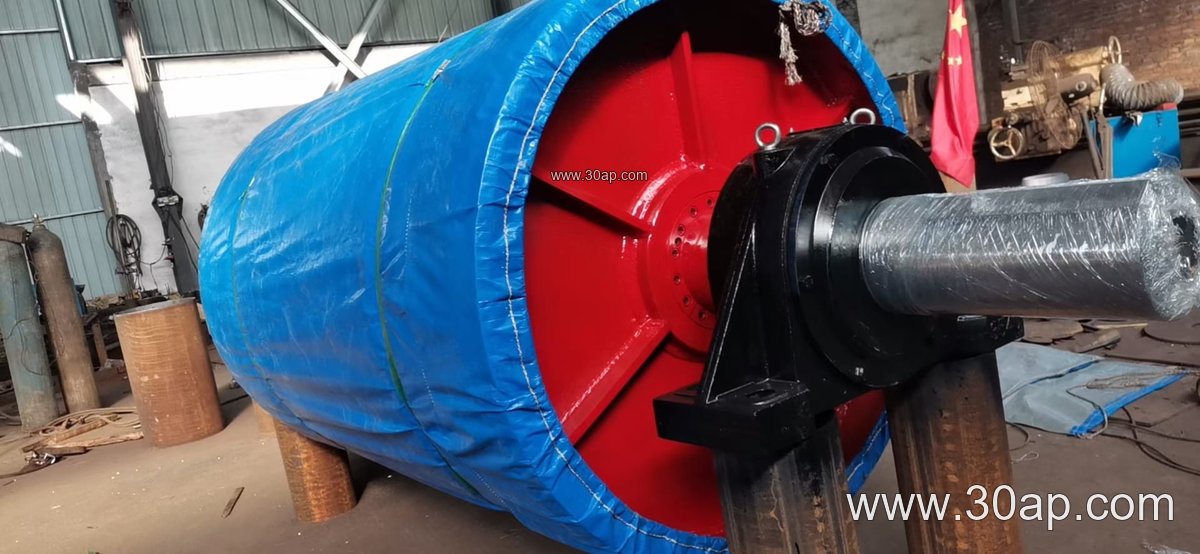
The typical welded pulley consists of a steel shell, two end discs, a shaft, and a hub. The shell is usually machined for concentricity, and the surface may be left plain or covered with rubber, ceramic, or other lagging. The shaft is sized according to torque and load requirements, not simply by belt width. Common shaft diameters include Ø50, Ø60, Ø70, Ø80, Ø90, Ø100, Ø120, Ø140, Ø160, Ø180, and Ø200 mm, but final selection depends on the drive power and tension. The pulley face width is normally slightly wider than the belt; for example, a B800 belt often uses a pulley face around 950 mm.
Where It Fits in a Conveyor System
Welded pulleys appear in several positions. Drive pulleys transmit power to the belt, while tail pulleys support the return side at the loading end. Bend pulleys change the belt direction, and take-up pulleys maintain tension. Each position imposes different loads, so the welded design must be matched to the duty. In a coal mining conveyor, a heavy-duty welded pulley with rubber lagging helps grip the belt under wet conditions. In a limestone quarry, a plain welded pulley may serve as a bend pulley where traction is not critical.
Common Sizes and Surface Options
Welded pulleys are available in a range of diameters and face widths to suit different belt widths. The table below shows typical combinations, but these are reference values, not fixed rules. Always confirm with the conveyor designer.
| Belt Width (mm) | Typical Pulley Face Width (mm) | Common Diameter Range (mm) |
|---|---|---|
| B400 | 500 | Ø200–Ø320 |
| B650 | 750 | Ø250–Ø500 |
| B800 | 950 | Ø315–Ø630 |
| B1000 | 1150 | Ø400–Ø800 |
| B1200 | 1400 | Ø500–Ø1000 |
| B1400 | 1600 | Ø630–Ø1250 |
| B1600 | 1800 | Ø800–Ø1400 |
| B1800 | 2000 | Ø1000–Ø1600 |
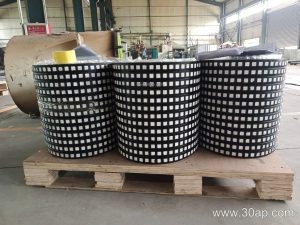
Surface options include plain, diamond lagging, herringbone lagging, ceramic lagging, and rubber lagging with thicknesses of 8, 10, 12, 15, or 20 mm. The choice depends on the material being conveyed and the required friction. For example, a chevron conveyor belt may need a matching pulley surface to avoid tracking issues.
Selection Tips for Buyers
When specifying a conveyor welded pulley, consider the belt width, the maximum tension, the shaft load, and the environment. In a cement plant, dust and heat may call for heat-resistant lagging. In a port handling bulk materials, corrosion resistance might be important. Do not assume that a given belt width dictates a single pulley diameter; the diameter should be chosen to provide adequate belt wrap and to suit the bearing size. Also, verify that the pulley is balanced for the intended speed. The pulley should be compatible with the conveyor belt type, whether it is an EP conveyor belt, steel cord conveyor belt, or flame retardant conveyor belt.
Maintenance and Longevity
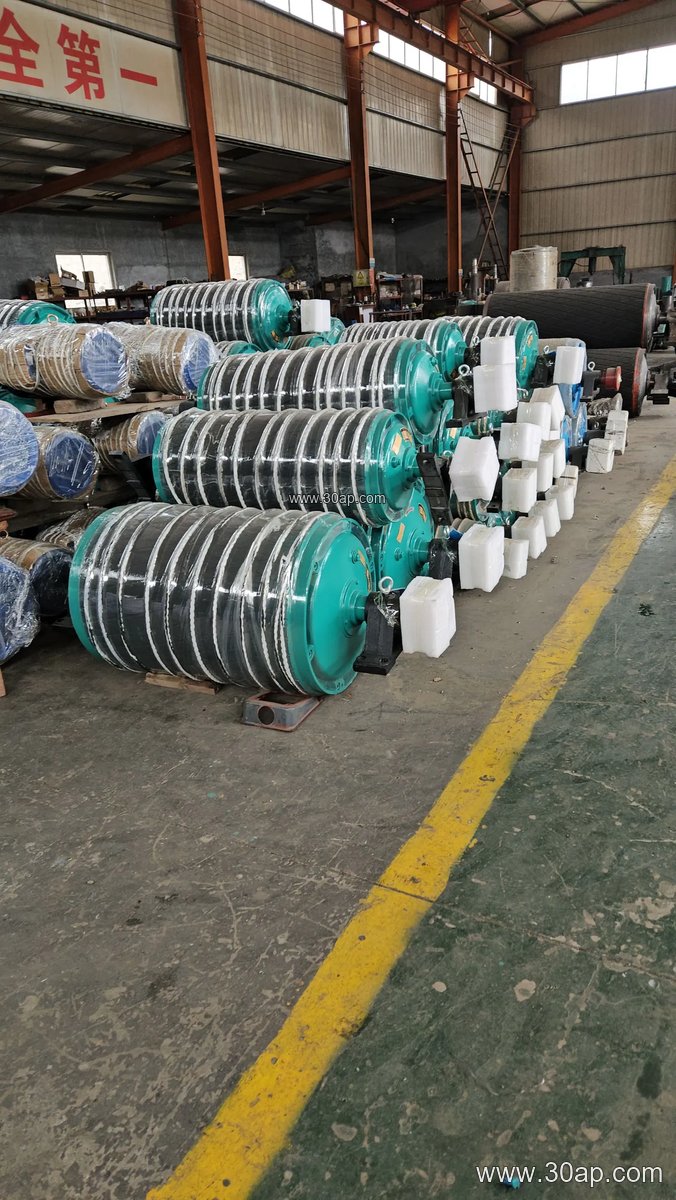
Regular inspection of the welded pulley helps prevent unplanned downtime. Check for cracks at weld seams, wear on the lagging, and shaft play. Lubricate bearings according to the manufacturer’s schedule. In abrasive environments such as a copper ore conveyor, ceramic lagging can extend service life. Keep the pulley aligned with the conveyor belt to avoid edge damage. If the lagging wears unevenly, resurface or replace it to maintain grip.
For more information on conveyor components, visit our site at www.example.com/conveyor-pulley or www.example.com/welded-pulley. Our range includes conveyor pulleys, idler rollers, and conveyor brackets to support your bulk material handling needs.