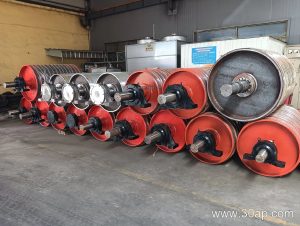
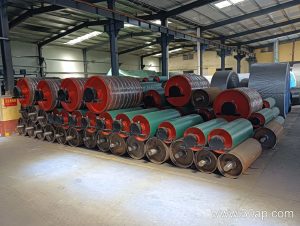
What a Conveyor Rubber Lagged Pulley Does
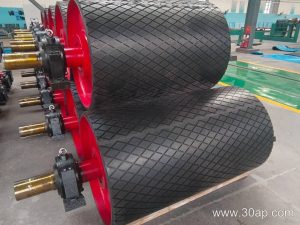
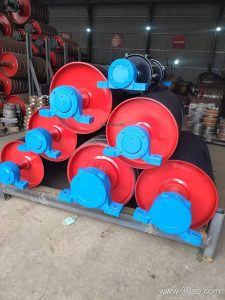
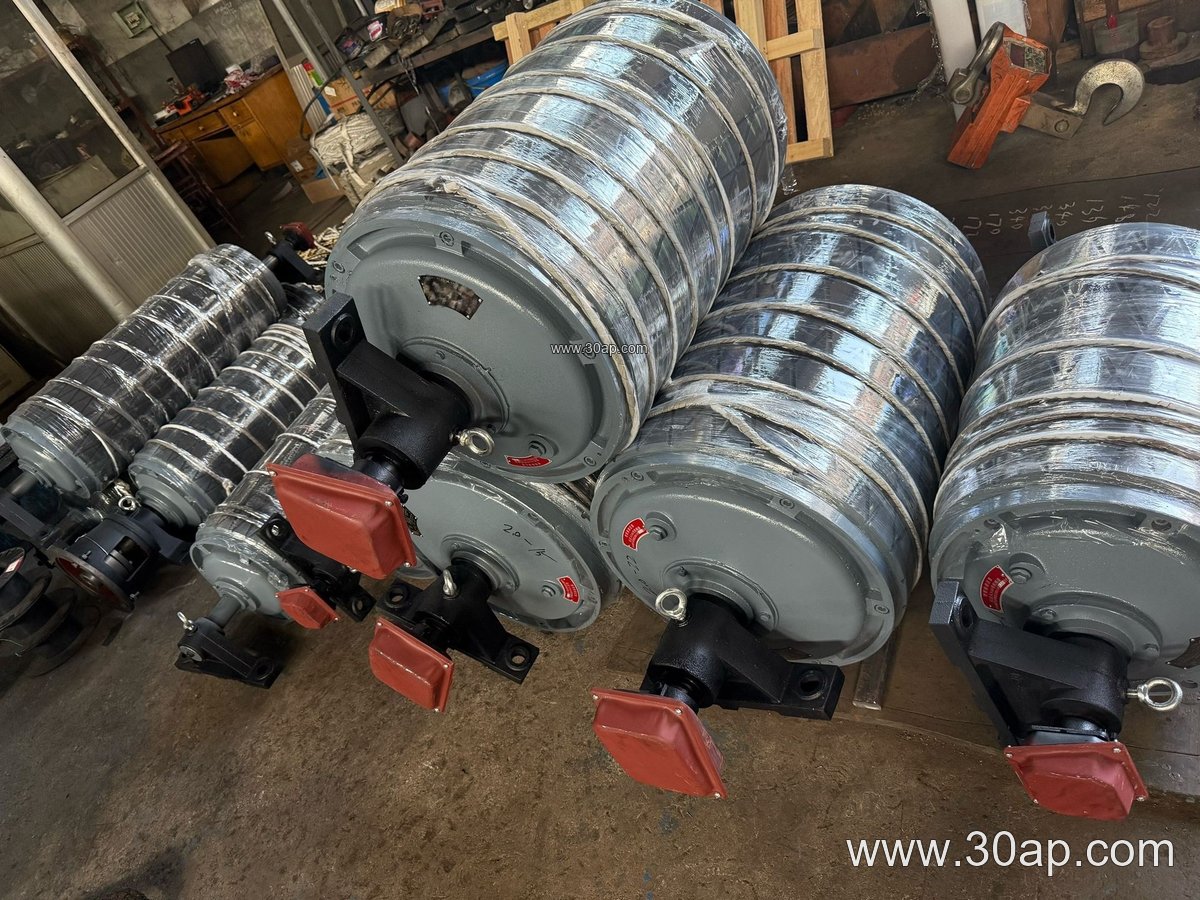
A conveyor rubber lagged pulley is a drum with a rubber layer bonded to its shell. The rubber covering raises friction between the drum and the conveyor belt, so the drive can transmit torque without slipping. It also shields the steel shell from abrasive dust and reduces the chance of belt damage at the contact point. In a quarry, a cement plant, or a power plant coal yard, this covering often decides whether a fully loaded belt starts cleanly or slips under load.
People also call this part a rubber-coated pulley or lagged drum. It is still a drum, not a roller. A conveyor pulley turns inside the belt loop at the head, tail, or bend position, while an idler roller supports the belt along the carrying run. The two work together, but they are not the same component.
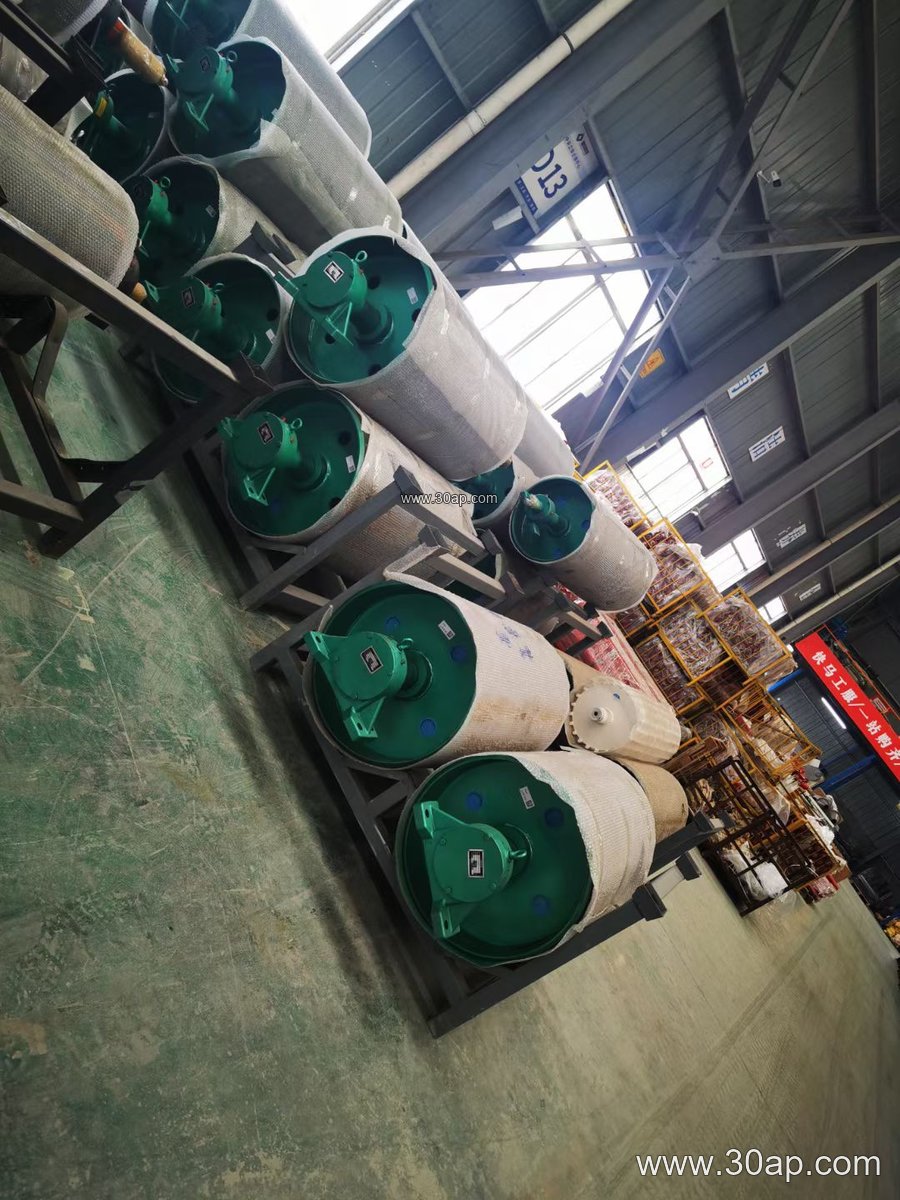
Construction and Surface Options
The body is usually a welded steel shell with end discs, a hub, and a shaft. Lagging is applied in several ways: hot vulcanized rubber, cold bonded rubber, or cast rubber. For high grip on wet or dusty belts, diamond lagging or herringbone lagging is common. Ceramic lagging is chosen where abrasive slurry or sharp aggregate attacks the surface. Plain rubber is often enough on lighter duties.
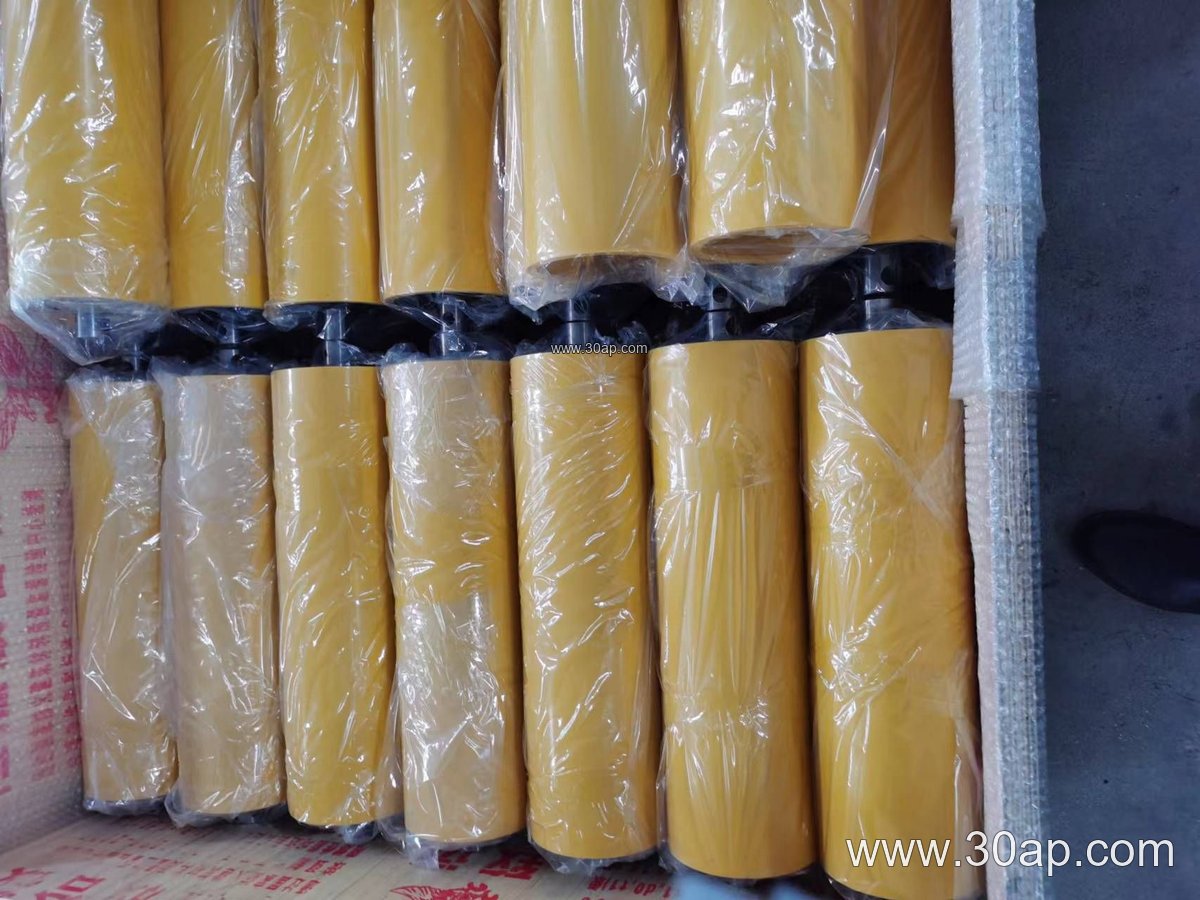
Lagging thickness commonly ranges from 8 mm to 20 mm, with 10 mm and 12 mm appearing often in general conveying. Thicker covers suit high-torque drives and harsh conditions. Surface pattern, hardness, and thickness should follow the duty, not a single rule for every conveyor.
Where It Fits on the Conveyor
A drive pulley, also called the head pulley, is the most common place to use rubber lagging. The tail pulley may be lagged to improve tracking and reduce material buildup. Bend pulleys and take-up pulleys can also carry a rubber cover, but their job differs from the drive drum. A bend pulley only changes belt direction, so it rarely needs the same grip level as a drive pulley. A snub pulley increases wrap angle and is another position where lagging helps.
Typical industries include limestone mines, iron ore plants, coal preparation plants, clinker lines in cement works, and bulk terminals. A heavy-duty mining conveyor belt and its pulley must match in both width and load capacity. On a long overland system with a steel cord conveyor belt, the drive pulley often runs at high tension, so lagging quality and bonding matter as much as drum diameter.
Sizing the Drum and the Shell Width
Drum diameter is selected from belt tension, shaft torque, belt speed, and the belt’s minimum pulley diameter requirement. A wider belt does not automatically mean one fixed diameter. The table below shows common combinations for reference only; final values come from the conveyor design.
| Belt width | Typical shell face width | Example diameter |
|---|---|---|
| B500 | about 600 mm | Ø400 |
| B650 | about 750 mm | Ø500 |
| B800 | about 950 mm | Ø500 |
| B1000 | about 1150 mm | Ø630 |
| B1200 | about 1400 mm | Ø1000 |
| B1400 | about 1600 mm | Ø800 |
| B1600 | about 1800 mm | Ø1000 |
| B1800 | about 2000 mm | Ø1250 |
Shaft diameter is calculated from torque and bearing load. Common shaft sizes include Ø80, Ø100, Ø120, Ø140, and Ø160, but the value must be checked against the actual duty. Never pick a shaft size from belt width alone.
Buyer Checklist
- Confirm the pulley position: drive, tail, bend, take-up, or snub.
- State belt width, belt type, and belt tension so the drum diameter can be verified.
- Choose lagging surface and thickness for the material: wet, oily, abrasive, or hot.
- Check bonding method and rubber hardness with the supplier.
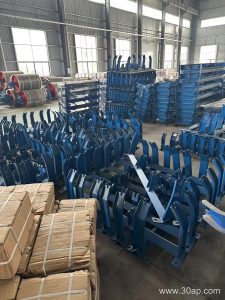
- Match the conveyor bracket and bearing housing to the shaft and load.
- Ask for balance and runout data for high-speed drives.
Maintenance is simple but important. Inspect the lagging for cuts, glazing, and loose edges. Worn diamond lagging loses grip and can allow belt slip, which heats the drum and shortens belt life. Keep the belt cleaner working and remove spilled material from the tail area, because buildup under a lagged pulley causes tracking faults. When replacing a drum, check pulley alignment and belt tension together rather than treating the drum as a standalone part.
For any project, describe the conveyor duty clearly and let the pulley be sized as a system component. A correctly specified conveyor rubber lagged pulley protects the belt, keeps torque transfer stable, and reduces downtime in demanding bulk handling work.