What a Three-Roll Idler Bracket Does
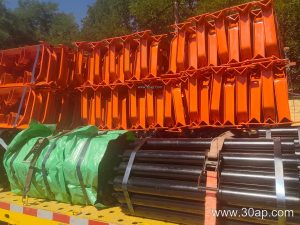
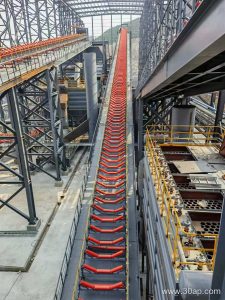
A three-roll idler bracket is the steel support that holds a set of three idler rollers in a trough shape under the carrying side of a conveyor belt. The two outer rollers sit at an angle, while the centre roller stays roughly horizontal. This arrangement lifts the belt edges and forms a channel that keeps bulk material centred during transport. In a quarry, cement plant or power plant coal yard, this bracket is often the most numerous structural component along the line.
The same item is also called a troughing idler bracket or a three-roller support frame. These names describe the same product. It should not be confused with a return bracket, a V-return bracket or a self-aligning bracket, which serve different positions on the conveyor.
How the Bracket Is Built
Most units are fabricated from angle steel, channel steel or folded steel plate. The frame carries three mounting positions, and the outer positions are set at a fixed or adjustable trough angle. Welded gussets and a continuous cross beam give the bracket stiffness so it does not twist when the belt is loaded.
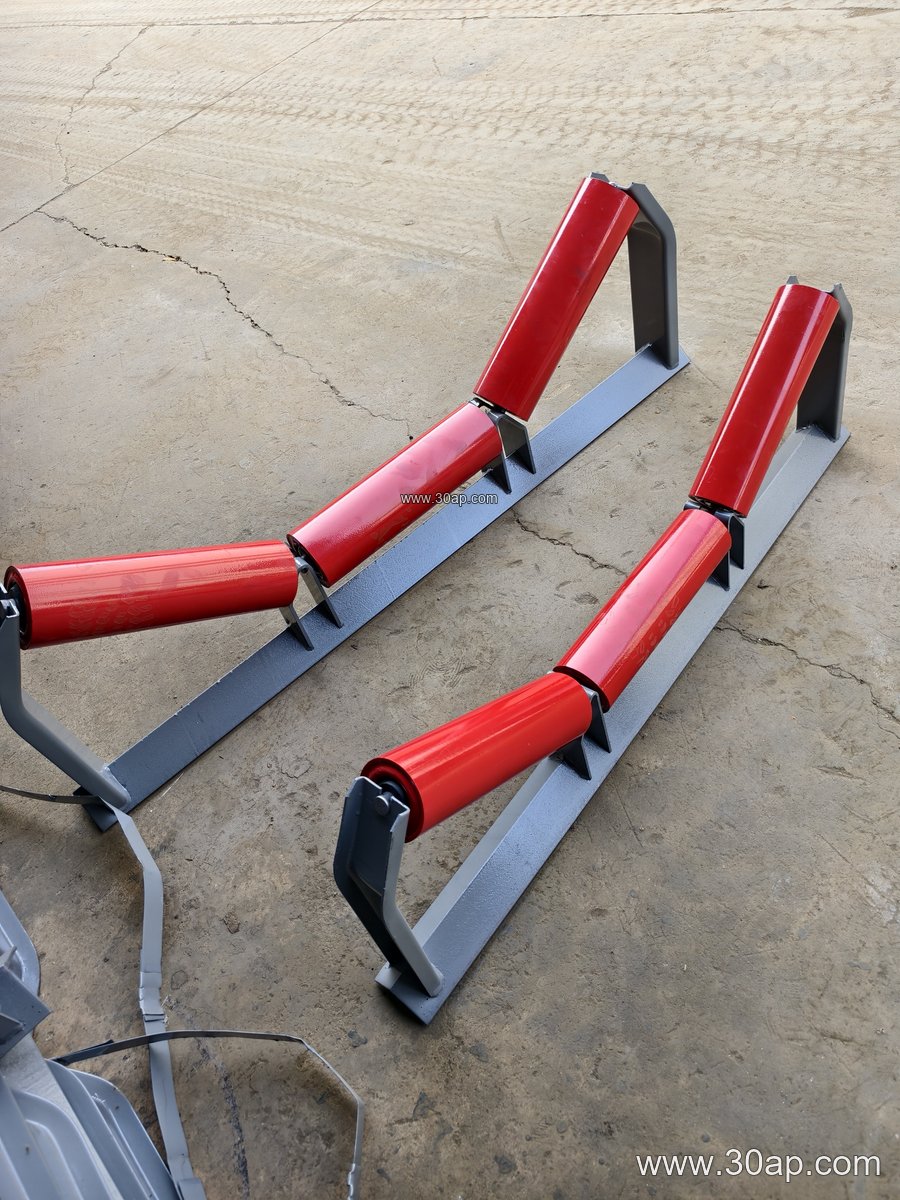
Typical builds include:
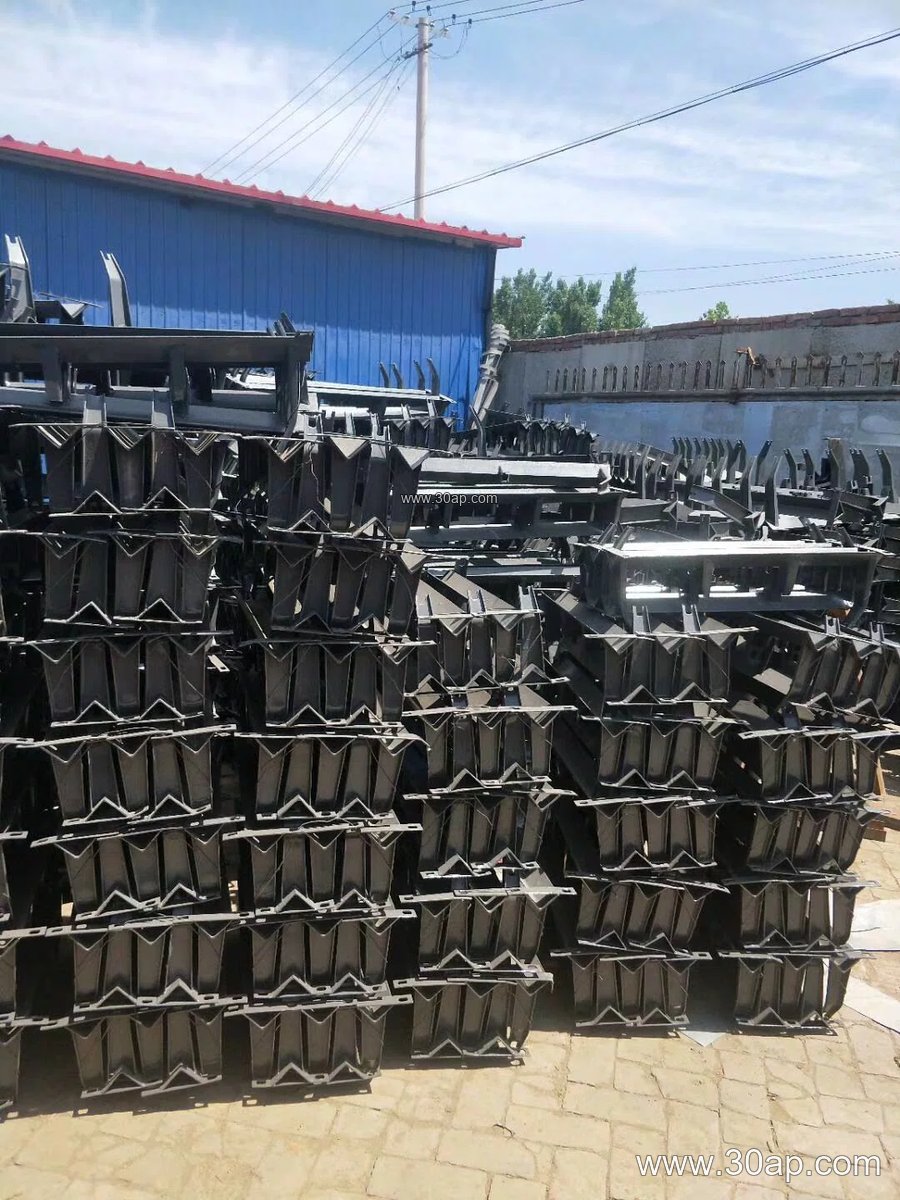
- Fixed troughing bracket with a set angle, usually 20, 30, 35 or 45 degrees
- Adjustable bracket that can be reset between these angles
- Transition bracket near the tail or head area, where the belt changes shape
- Impact bracket with a reinforced frame for loading points
Mounting hole spacing and beam length change with belt width, trough angle and roller diameter, so these dimensions are usually confirmed against the drawing rather than taken from a single standard number.
Matching Belt Width, Trough Angle and Roller Diameter
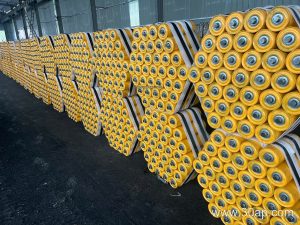
The bracket must suit the belt and the idler roller it carries. Common references used in design include B500 to B2200 belt widths and roller diameters of Ø89, Ø108, Ø133, Ø159 and Ø194. A few practical combinations are shown below, but they are reference examples only, not fixed rules.
| Belt width | Typical trough angle | Common roller diameter | Typical use |
|---|---|---|---|
| B650 | 30 degrees | Ø89 | Light aggregate or sand line |
| B800 | 35 degrees | Ø108 | General bulk handling |
| B1000 | 35 degrees | Ø133 | Cement plant and coal yard |
| B1200 | 45 degrees | Ø133 | High-capacity ore or rock duty |
| B1400 | 35 degrees | Ø159 | Port and steel plant lines |
A wider belt does not automatically require one specific angle or one roller size. The final choice depends on material lump size, belt speed and the load the conveyor carries. For heavy-duty mining conveyor belt duty, the frame is often heavier and the roller diameter larger, while a short in-plant line may use a lighter frame.
Where It Fits on the Conveyor
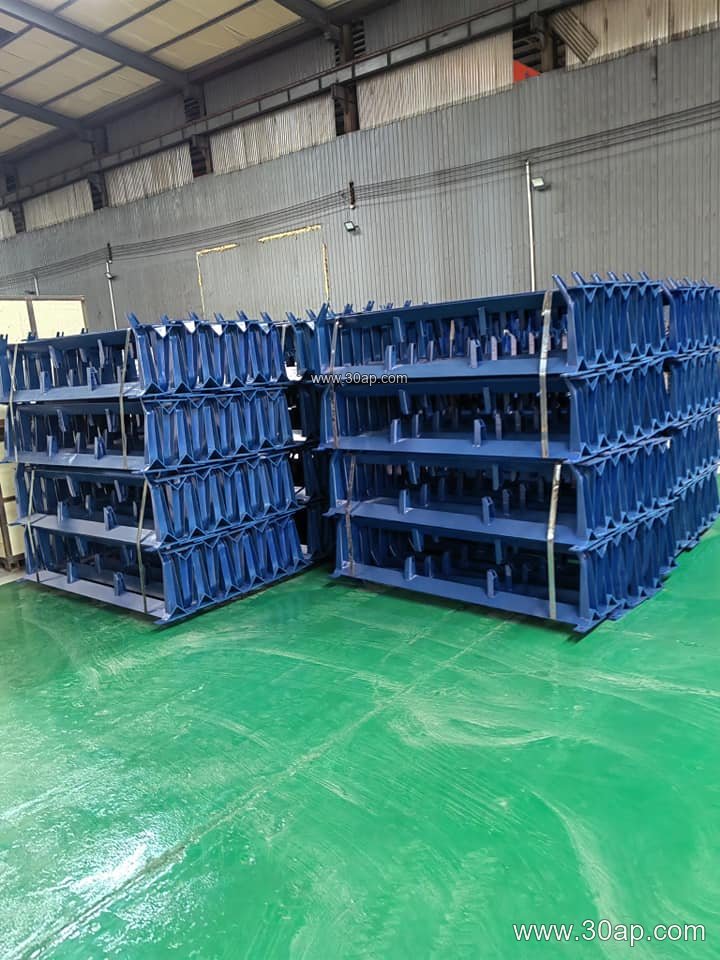
The bracket is installed on the carrying side, spaced along the stringer or frame at intervals set by the conveyor designer. It works together with the conveyor belt, the idler roller set and, at the ends of the line, the conveyor pulley. In a coal mining conveyor belt system, brackets are often placed closer together at transfer points, where impact loads are high.
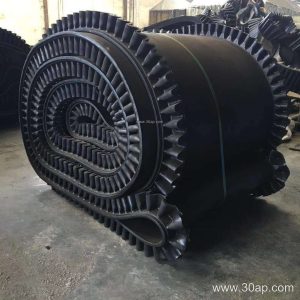
For a loading zone in an iron ore or limestone operation, an impact bracket with rubber rings or cushion rollers can reduce stress on both the frame and the belt. A skirted conveyor belt or corrugated sidewall conveyor belt may need a slightly different bracket position to clear the skirt rubber.
Buyer Checklist
- Confirm belt width and the required trough angle before ordering.
- State the roller diameter and the shaft end type used by the idler roller.
- Check the mounting hole spacing against the existing stringer.
- Ask whether the frame is fixed or adjustable if the line may change duty.
- For dusty or wet sites, confirm the surface treatment and drainage around the frame.
- For high-abrasion duty such as a crusher conveyor belt or quarry conveyor belt, specify a reinforced frame at the load point.
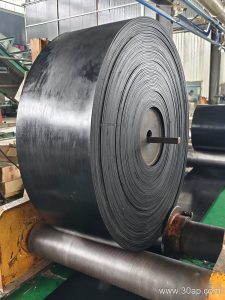
Correct selection keeps the belt tracking straight, reduces spillage and extends roller life. More conveyor bracket details and related components such as rubber conveyor belt, EP conveyor belt and fabric core conveyor belt can be reviewed together during layout planning.