What a Crusher Conveyor Belt Does
A crusher conveyor belt is the heavy-duty belt that carries crushed rock, ore, aggregate, or coal away from a primary or secondary crusher and feeds it to screens, stockpiles, or the next stage of processing. Because it sits directly downstream of the crusher, it often receives material with sharp edges, irregular lump sizes, and residual impact energy. The belt must therefore combine high tensile strength with a cut- and impact-resistant cover. In practice, the same product is often described as a rock conveyor belt or an ore conveyor belt, and in mining and quarry circuits it is simply treated as part of the plant’s bulk material conveyor belt system.
Construction of the Belt
Most crusher belts are fabric-core or steel-cord constructions. The carcass provides tensile strength and troughability, while the rubber covers protect the carcass from abrasion, moisture, and oil. A typical heavy-duty belt for a stone crushing line uses an abrasion resistant conveyor belt cover, often in a multi-ply fabric core conveyor belt design. Where the crusher discharge is very abrasive, an EP conveyor belt with a thick top cover is common; where conveyor spans are long and tensions are high, a steel cord conveyor belt may be specified instead.
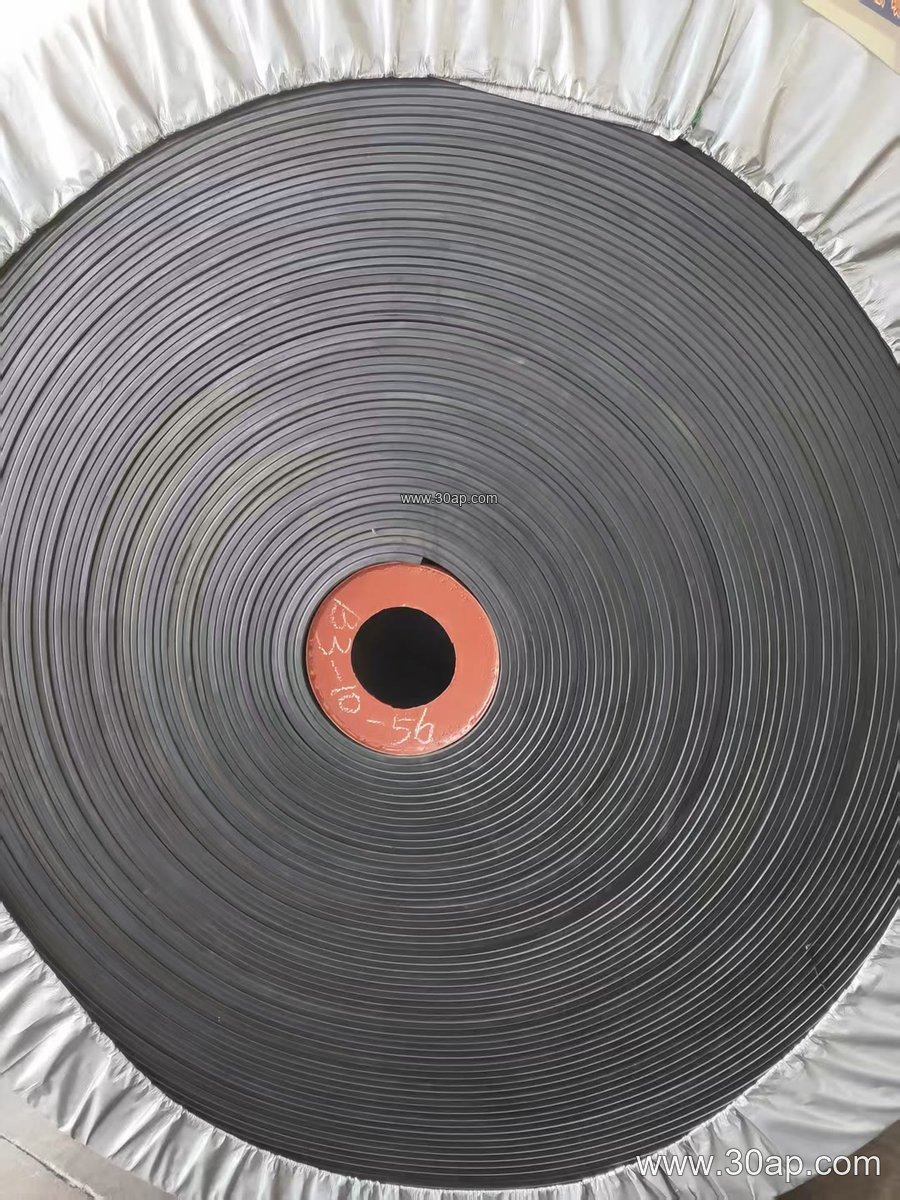
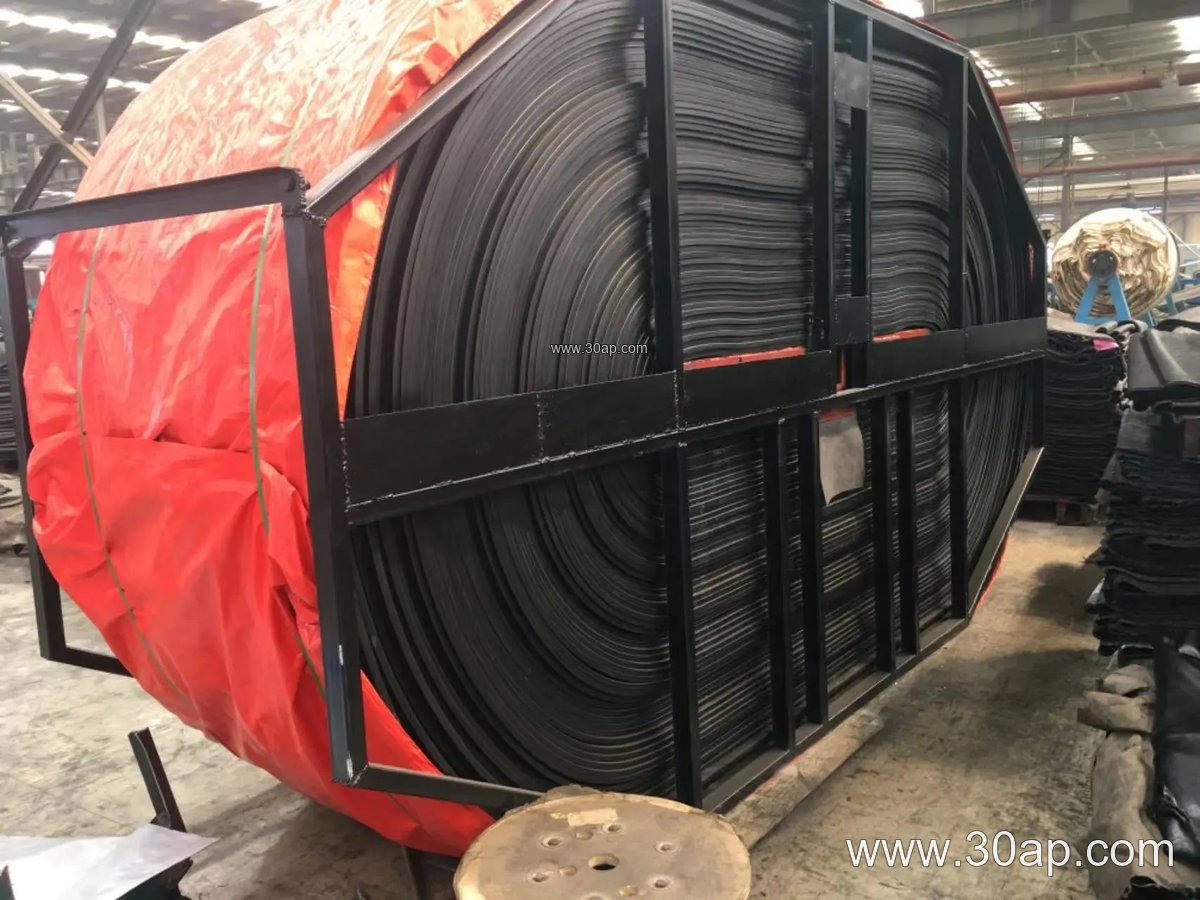
The main structural elements are:
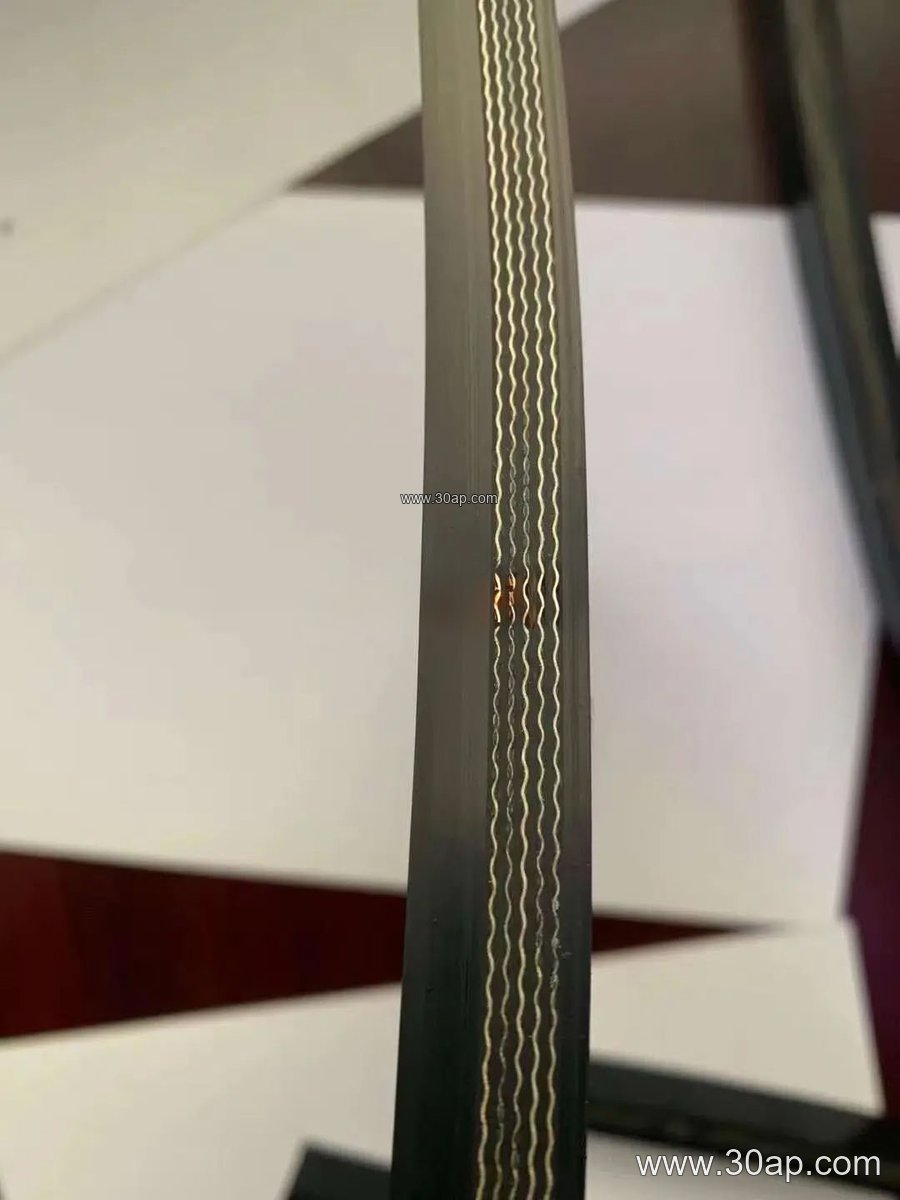
- Carcass – EP fabric, NN fabric, or steel cord, usually 2 to 6 plies for fabric belts.
- Top cover – abrasion, impact, or heat resistant rubber, commonly 4+2 mm to 8+3 mm for crusher duty.
- Bottom cover – usually thinner, protecting the pulley side.
- Edges – cut or moulded, sometimes with a skirted conveyor belt profile to contain material.
Common Specifications and Reference Data
The table below gives indicative ranges only. Actual values depend on the conveyor design, the material, and the manufacturer.
| Item | Typical reference values |
|---|---|
| Belt type | EP conveyor belt, NN conveyor belt, steel cord conveyor belt |
| Strength grades | EP200, EP315, EP400, EP500, EP630, EP800, EP1000, EP1250 |
| Belt width | B500, B650, B800, B1000, B1200, B1400, B1600, B1800 |
| Cover thickness | 3+1.5, 4+2, 5+2, 6+2, 8+3 mm |
| Ply count | 2 to 6 layers for fabric core |
| Special covers | Heat resistant, oil resistant, flame retardant, anti-static |
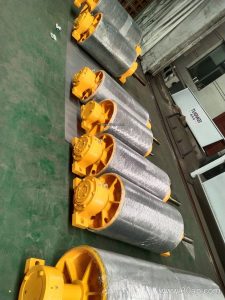
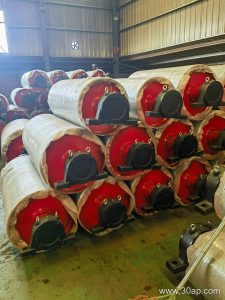
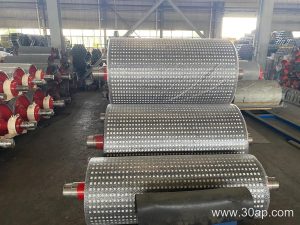
Belt width and pulley diameter are matched by conveyor design, not by a fixed rule, so a given width can work with more than one pulley size. The drive pulley, tail pulley, and bend pulley each have their own role in the take-up and traction system and are not interchangeable.
Where Crusher Belts Are Used
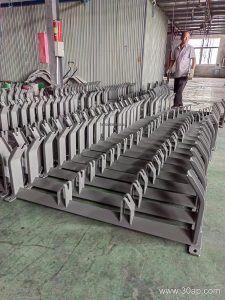
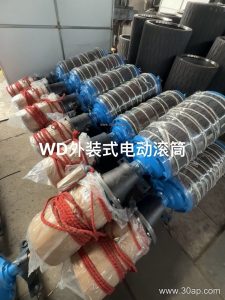
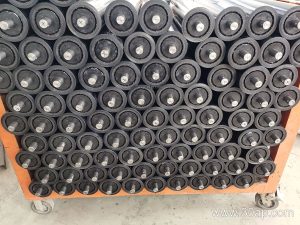
These belts appear across mining, quarrying, cement, power, and aggregate industries. In a quarry conveyor belt circuit, a belt may run from the jaw crusher to a scalping screen. In coal mining conveyor belt systems, flame retardant and anti-static grades are usually required underground, while a surface coal conveyor belt may use a standard abrasion resistant cover. Cement plants use them between clinker crushers and silos; power plants use them in coal handling; sand making plants and recycling lines use them for mixed and sharp feed. In each case the belt works alongside conveyor idler rollers, conveyor pulleys, and conveyor brackets that support and guide the running belt.
Buyer Checklist
- Confirm the maximum lump size and drop height at the crusher discharge, since impact resistance matters as much as tensile strength.
- Match the strength grade to the calculated belt tension, not to the crusher capacity alone.
- Choose the cover compound for the dominant wear mode: abrasion, heat, oil, or flame.
- Check whether a chevron conveyor belt or corrugated sidewall conveyor belt is needed for steep inclines.
- Verify belt width against the existing conveyor frame, idler roller spacing, and pulley face width.
- For underground work, confirm flame retardant and anti-static properties with the supplier.
Installation and Maintenance Notes
Correct splicing is critical on a crusher conveyor belt. A poorly aligned splice can fail quickly under impact load. Keep the belt tracking centred by checking idler roller alignment and pulley lagging. Inspect the top cover regularly for cuts and embedded rock, especially after the primary crusher. Store spare belts flat and away from sunlight and ozone sources. When replacing a belt, review the whole conveyor: worn conveyor brackets, seized idlers, and damaged pulleys can shorten the life of a new belt regardless of its strength grade. For a plant handling mixed rock types, keeping a spare abrasion resistant conveyor belt on site often reduces downtime more effectively than upgrading to a higher strength class.