What a Mining Conveyor Belt Is
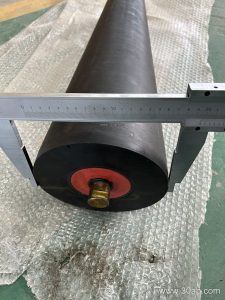
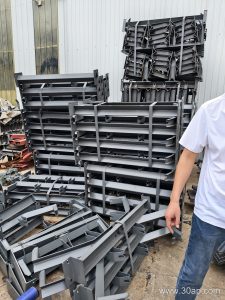
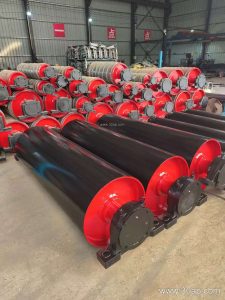
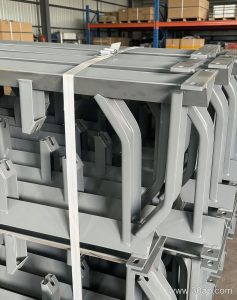
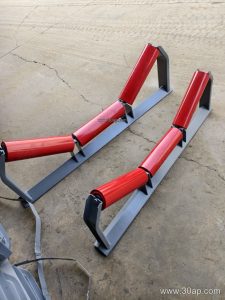
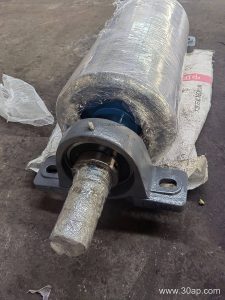
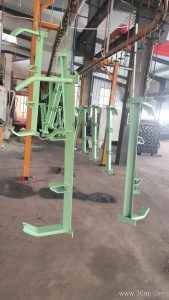
A mining conveyor belt is the load-carrying component of a continuous haulage system built for abrasive rock, ore, coal, and other bulk materials. It runs over a frame fitted with idler rollers, a conveyor pulley at the head and tail, and conveyor brackets that hold the structure together. The belt itself is a composite: a tension-bearing carcass wrapped in rubber covers that protect the core from cutting, impact, and moisture. In a quarry, coal mine, cement plant, power station, or sand and gravel yard, this component often determines how reliably the whole line runs.
The same product is also called a conveyor belt for mining duty, and buyers may see it described by carcass type, cover grade, or application. Those descriptions point to the same family of heavy-duty belting, not to different products.
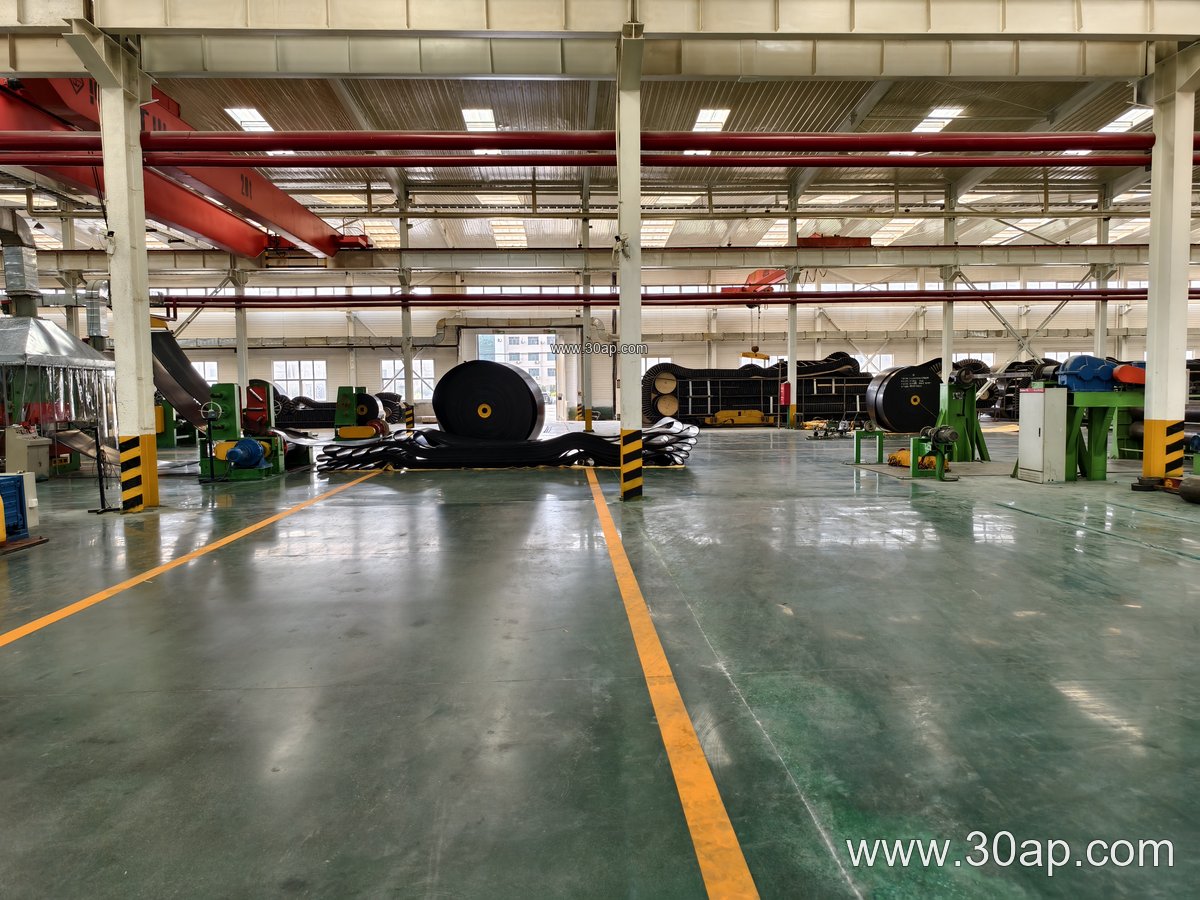
Construction and Carcass Options
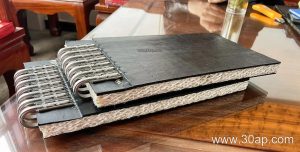
The carcass carries tension and resists elongation. Common constructions include EP conveyor belt (polyester warp, nylon weft), NN conveyor belt (nylon warp and weft), and steel cord conveyor belt for very long or high-tension runs. Fabric core conveyor belt is often built in multiple plies; a multi-ply fabric core belt distributes impact better than a thin single-layer design. Cover rubber is selected for the duty: abrasion resistant, heat resistant, oil resistant, flame retardant, anti-static, or cold resistant grades are typical.
Reference parameters (typical, not fixed supply commitments)
| Item | Common reference values |
|---|---|
| Carcass type | EP, NN, steel cord, PVC, PVG |
| Strength grades | EP200, EP400, EP630, EP800, EP1000, EP1250, EP1600, ST1000, ST1600, ST2000 |
| Belt width | B500, B650, B800, B1000, B1200, B1400, B1600, B1800, B2000 |
| Cover thickness | 3+1.5 mm, 4+2 mm, 5+2 mm, 6+2 mm, 8+3 mm |
| Ply count | Usually 2 to 6 layers for fabric cores |
Width and pulley diameter are matched by conveyor design, not by a single rule. A 1200mm wide belt may run on different pulley sizes depending on tension and troughing angle, so the drive pulley, tail pulley, and bend pulley should be specified from the actual conveyor layout.
Where It Works
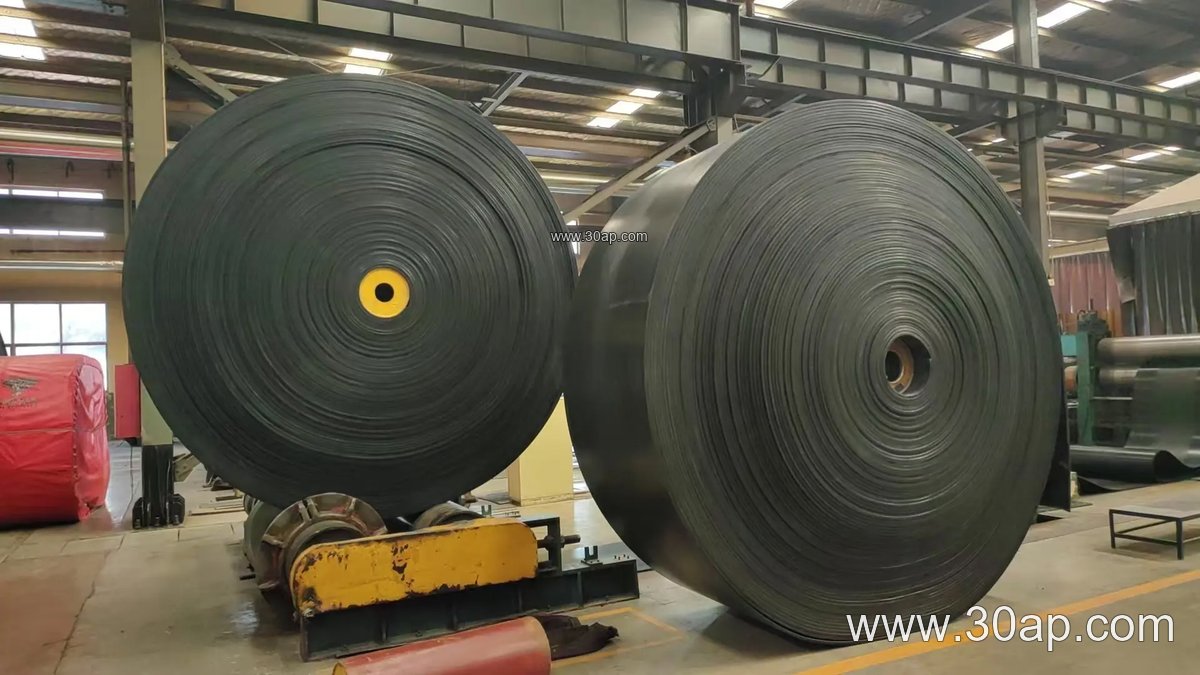
In an underground coal mining conveyor belt application, flame retardant and anti-static properties matter because the belt runs in confined spaces. A coal mining conveyor belt on the surface may prioritize abrasion resistance and impact strength instead. Quarry conveyor belts handle sharp blasted rock, while aggregate conveyor belts move screened stone and sand. Cement plants use heat resistant belting near kilns, and power plants rely on fire resistant grades in coal handling. Ports and ship loading systems use wide belts such as 1800mm or 2000mm to move large tonnages. A crusher conveyor belt must absorb surge loads and lump impact, and an ore conveyor belt in an iron ore or copper ore circuit needs covers that resist cutting and wear.
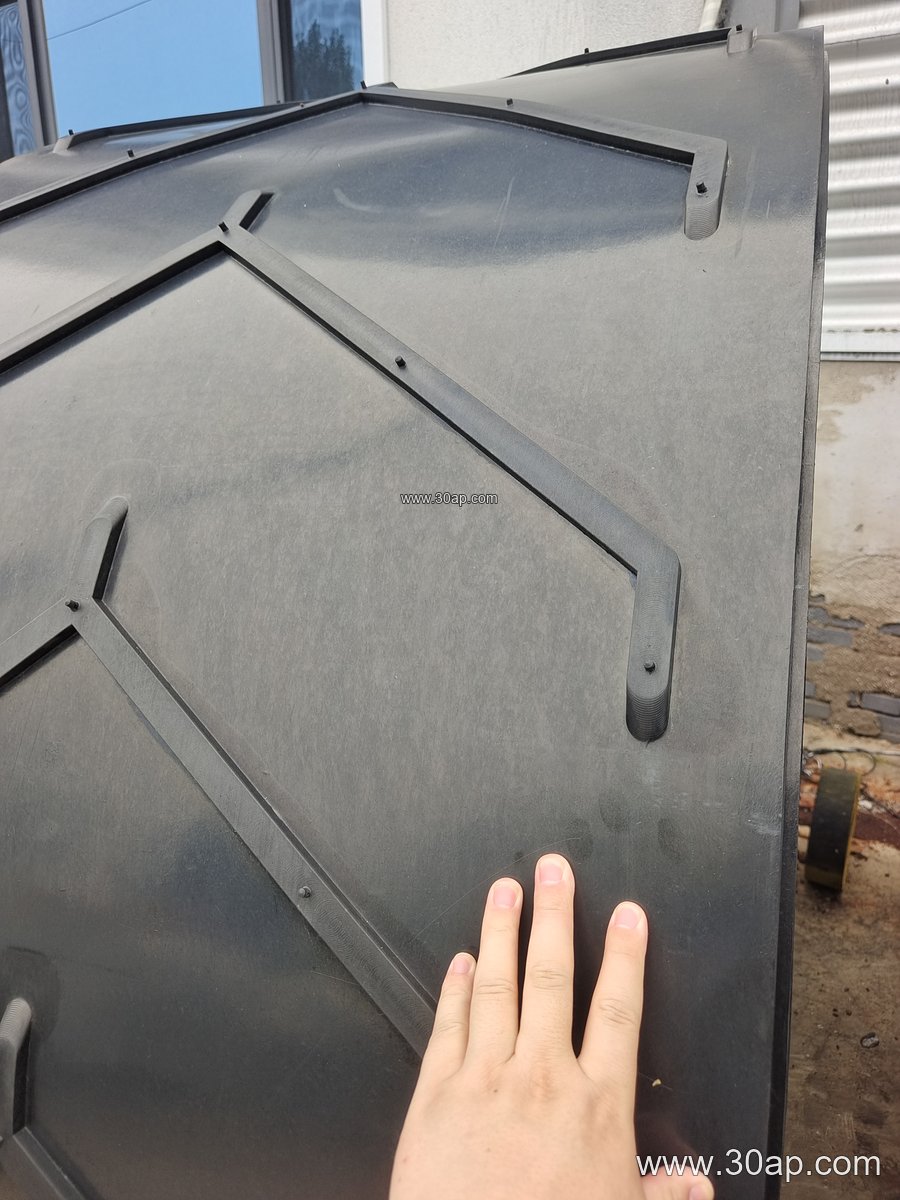
Specialty profiles solve specific problems. A chevron conveyor belt or corrugated sidewall belt handles steep inclines; a skirted conveyor belt contains material at transfer points; a pipe conveyor belt encloses the load for dust control. These are distinct designs, chosen only when the route demands them.
Buyer Checklist
- Define the material: lump size, moisture, temperature, oil content, and abrasiveness.
- Confirm the carcass grade from the conveyor’s tension calculation, not from habit.
- Match cover thickness to impact and wear points; transfer chutes may need extra protection.
- Check pulley diameters, idler roller spacing, and bracket dimensions against the belt width and stiffness.
- For underground work, verify flame retardant and anti-static performance with the supplier.
- Ask about splice method and whether an endless conveyor belt is required for the installation.
Maintenance and Long Life
Most premature failures start at edges, splices, and loading points. Keep skirts and chutes aligned so material does not jam against the belt, inspect idler rollers for seizure, and check pulley lagging for wear. Track alignment regularly; a belt that mistracks rubs the frame and loses cover rubber quickly. Store spare belting flat and away from sunlight and ozone sources. For a high abrasion resistant conveyor belt, edge wear is still the usual limit, so edge protection and correct transition distances are worth attention. A well-matched mining conveyor belt, supported by sound pulleys and rollers, usually delivers the lowest cost per ton moved.