What a Steel Idler Does on a Conveyor
A steel idler is the rotating support that carries the conveyor belt along its path. In a quarry or a power plant coal yard, these rollers keep the belt from sagging between the head and tail pulleys, reduce friction, and help the belt track straight. The idler roller is usually made of a steel tube with bearing housings at each end, fitted with a shaft that mounts to the conveyor bracket. While the belt itself may be a heavy-duty mining conveyor belt or an abrasion resistant conveyor belt, the idlers underneath must match the load and environment.
Construction and Common Configurations
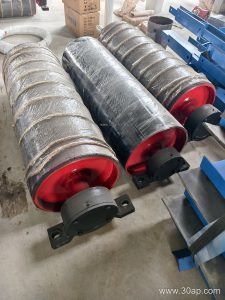
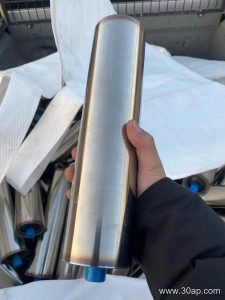
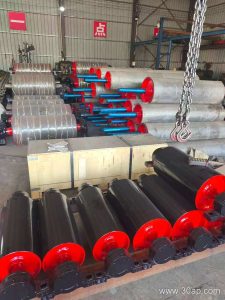
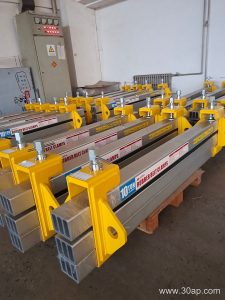
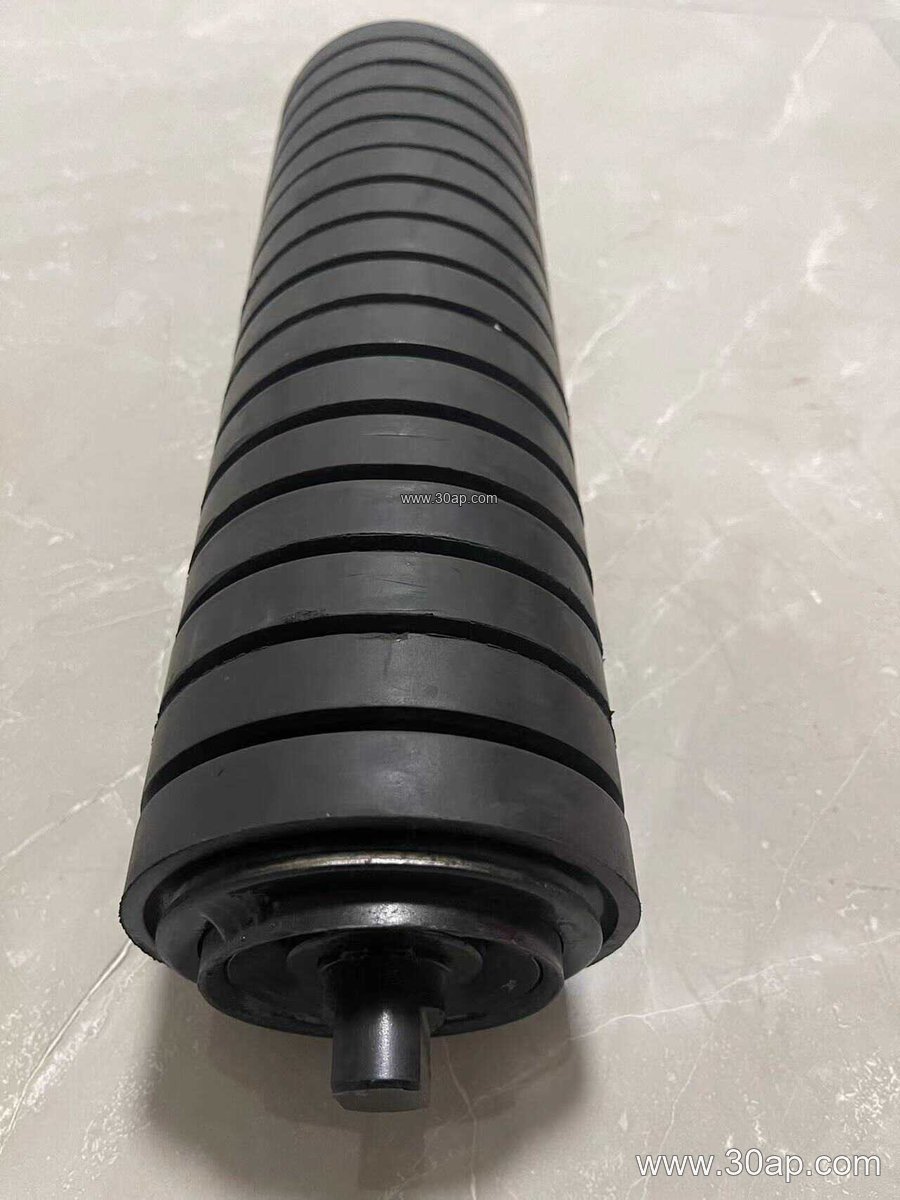
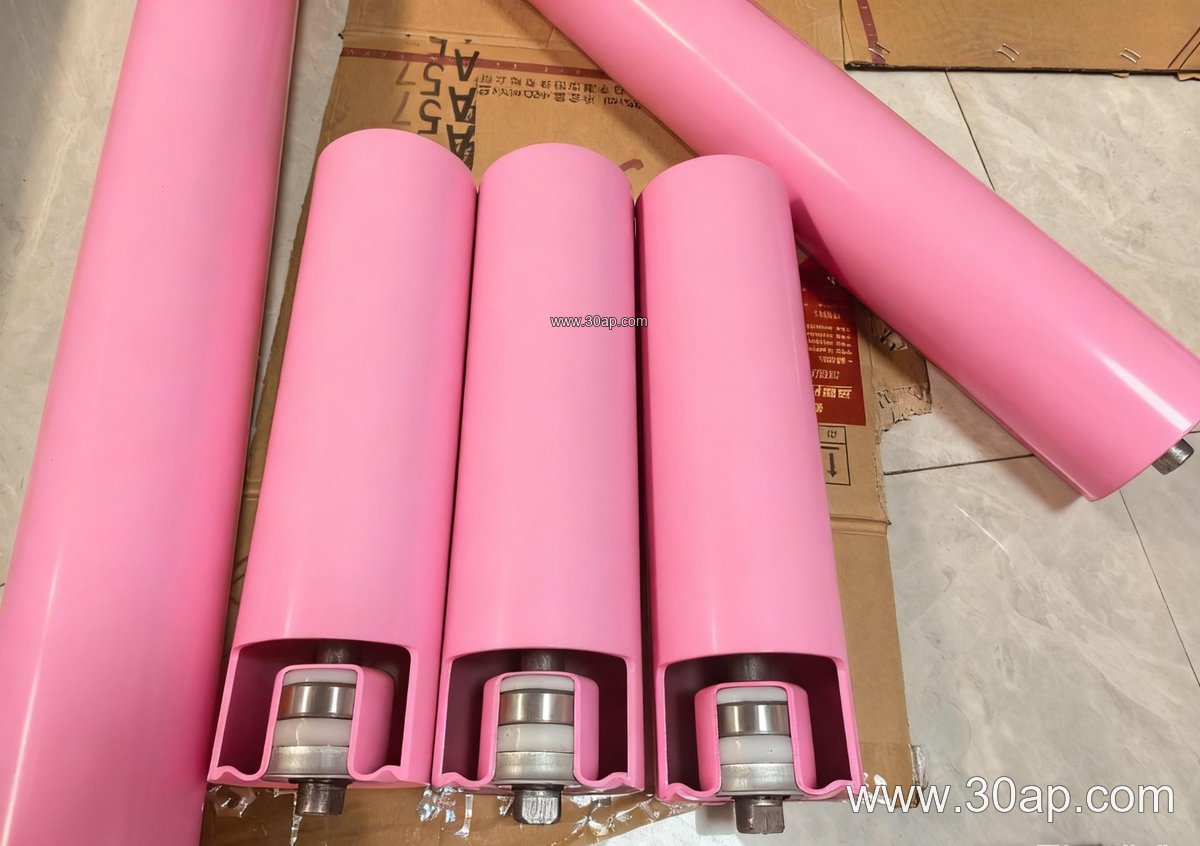
A typical steel idler uses a seamless or welded steel pipe, machined end caps, and sealed ball bearings. The roller surface can be plain steel, nylon-coated, ceramic-lined, or fitted with rubber rings for impact absorption. Bearing sizes such as 6204, 6205, 6305, 6306, 6308, and 6310 are common, but the choice depends on load and speed, not on a fixed rule tied to belt width. Idler diameter often ranges from Ø63 mm up to Ø219 mm, with Ø89, Ø108, Ø127, and Ø159 being frequent in bulk handling. The idler length varies with belt width and trough angle; for a three-roll trough set, common roll lengths are roughly 200 mm for B500, 315 mm for B800, 465 mm for B1200, and 600 mm for B1600, though side rolls and center rolls can differ.
Trough Angles and Belt Support
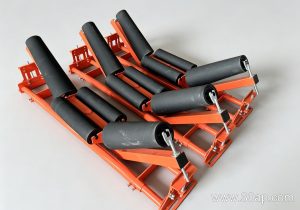
Trough angles of 20°, 30°, 35°, and 45° are used to shape the belt into a trough for carrying bulk material. A 35° trough is common in quarry and aggregate lines, while a 45° angle may suit higher capacity needs. The transition idler helps the belt move from flat to troughed without stressing the edges. For alignment, a self-aligning idler with a slight forward tilt of about 1.5° to 2° can help correct belt drift. In cement plants and sand making plants, the combination of proper trough angle and idler spacing keeps the belt stable under variable loads.
Where Steel Idlers Are Used
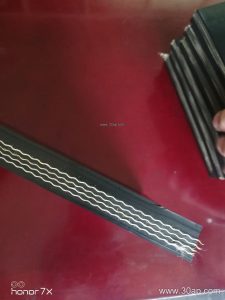
These rollers appear in many bulk material handling settings. In a limestone quarry or iron ore mine, they support a rock conveyor belt or ore conveyor belt through crushing and screening circuits. In a power plant, they carry coal on a coal mining conveyor belt or a flame retardant conveyor belt into the boiler feed system. Aggregate operations use them under an EP conveyor belt or a multi-ply fabric core conveyor belt. Port facilities rely on them for ship loading conveyors, and steel plants use them in sinter and coke transport. Even a food grade conveyor belt line may use stainless or coated idlers, though the steel idler remains the structural core.
Selection Points for Buyers
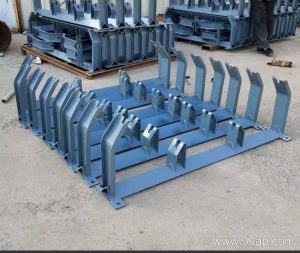
Buyers should consider the belt width, expected load, belt speed, and environmental conditions. A heavy-duty mining conveyor belt may require larger diameter idlers and heavier bearings than a lighter aggregate line. Impact zones under a crusher discharge benefit from impact idlers with rubber rings. Return idlers, including flat and V-type, should be selected to support the empty belt without trapping material. Corrosive or wet conditions call for sealed bearings and coated surfaces. The conveyor bracket and frame must match the idler shaft and mounting dimensions. It is also wise to check that the idler fits the actual belt width rather than assuming one size fits all; a 1200mm wide conveyor belt does not automatically dictate a single idler diameter or shaft size.
Maintenance and Longevity
Regular inspection of idler rotation, bearing noise, and surface wear helps prevent belt damage. Seized idlers can cause belt mistracking and increase power draw. In dusty environments such as a cement plant or coal yard, keeping the idler seals clean extends service life. Lubrication practices depend on the bearing type; many modern idlers are sealed for life. Replacing worn idlers in sets helps maintain uniform belt support. Proper alignment of the conveyor bracket and frame also reduces premature wear.
For more information on conveyor components and belt selection, visit steel idler and conveyor belt resources.