What a Q235 Conveyor Bracket Does on the Line
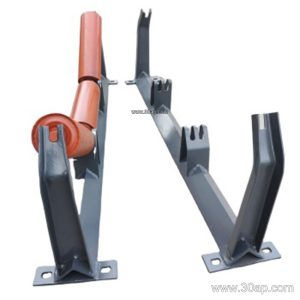
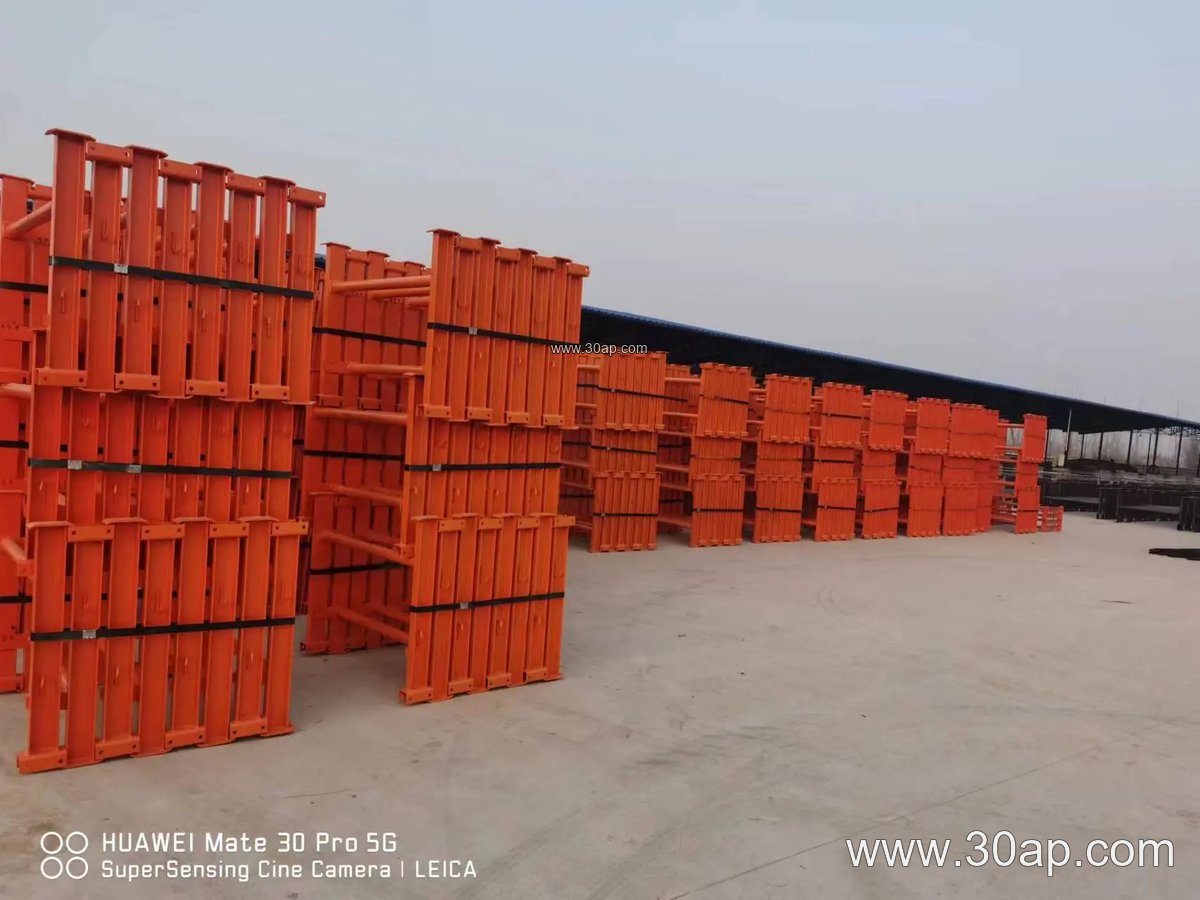
A Q235 conveyor bracket is the steel support that holds idlers in position under and along a conveyor belt. In many plants it is simply called a Q235 idler bracket or a Q235 roller support frame, and it sits between the conveyor structure and the moving belt. The bracket keeps the idler roller at the correct height, angle and spacing so the belt runs smoothly and the load is carried without excessive sag. Because the frame is made from Q235 mild steel, it offers a practical balance of strength, weldability and cost for bulk handling duties.
Whether the line moves crushed stone at a quarry, coal at a power plant, clinker at a cement works or ore at an iron ore mine, the bracket is a small but important part of the whole conveyor assembly. A weak or poorly aligned bracket can shorten idler life and disturb belt tracking, so the choice deserves more attention than it often gets.
How the Bracket Is Built
Most Q235 conveyor brackets are fabricated from angle steel, channel steel or bent steel plate. The material is cut, drilled and welded into a frame that matches the belt width and the required trough angle. Common surface treatments include painting or galvanizing, depending on the environment. In dusty or damp locations, a coated bracket is easier to maintain and less prone to corrosion.
The bracket does not work alone. It supports a conveyor idler roller, which in turn carries the conveyor belt. The assembly usually includes mounting holes or slots so the idler can be fixed or adjusted. For heavy-duty mining conveyor belts and abrasive aggregate loads, the bracket should be stiff enough to resist vibration and impact without distorting.
Typical Forms and Where They Fit
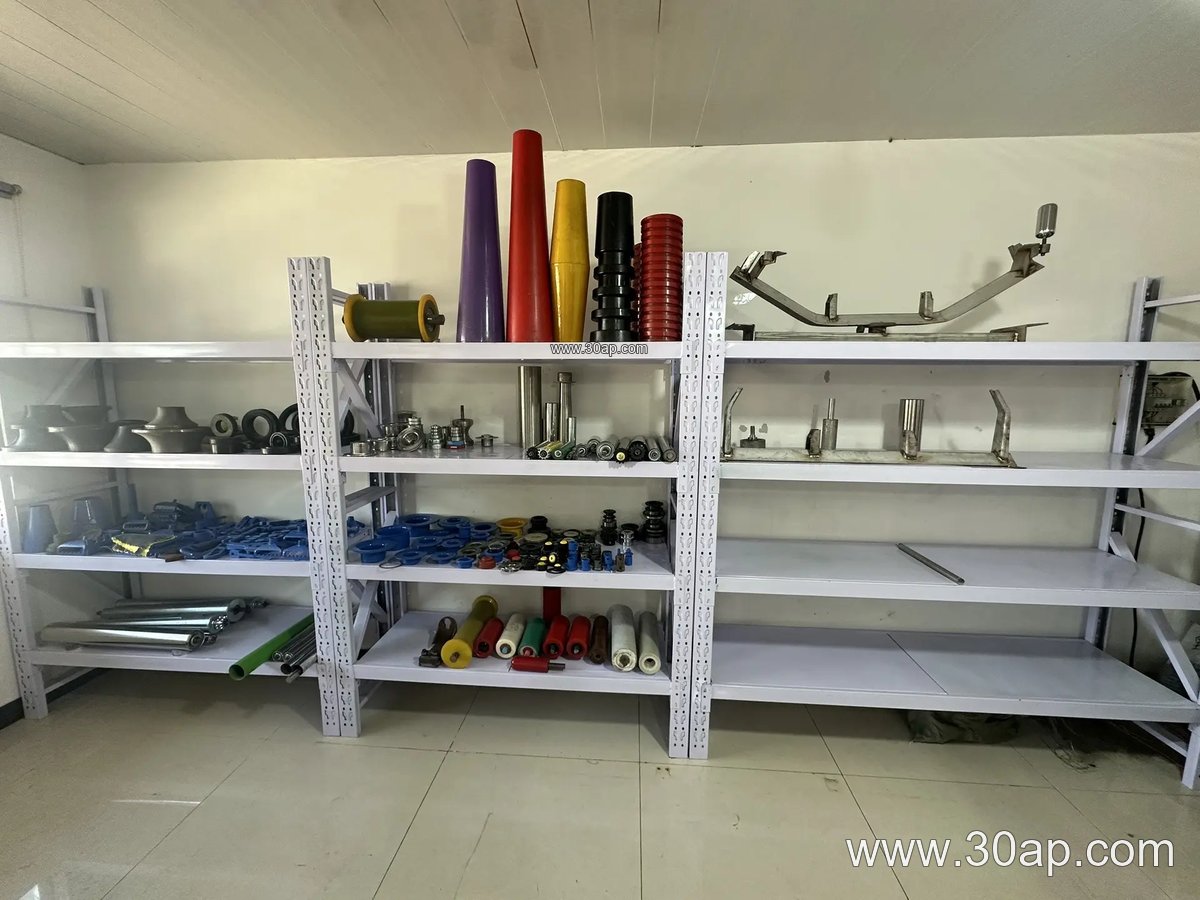
The same Q235 frame can be produced in several forms, and each has a different job. The table below shows common examples; actual dimensions follow the conveyor design.
| Bracket form | Typical position | Common use |
|---|---|---|
| Trough bracket | Carrying side | Supports three idlers at 20, 30, 35 or 45 degrees |
| Transition bracket | Near pulleys | Guides the belt from flat to troughed profile |
| Return bracket | Return side | Holds flat or V-return idlers |
| Impact bracket | Load point | Carries buffer idlers under falling material |
| Self-aligning bracket | Long runs | Helps correct belt drift |
| Adjustable bracket | Variable duty | Allows trough angle changes on site |
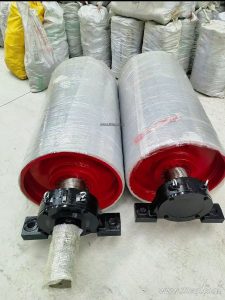
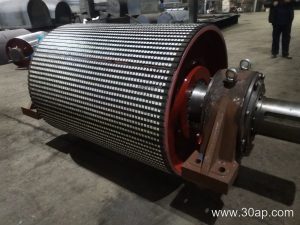
An adjustable bracket can be set between common trough angles, while a fixed bracket is welded or bolted at one angle. Forward-leaning brackets, often about 1.5 to 2 degrees, are used to assist belt tracking. These are different components from a conveyor pulley, and a drive pulley, tail pulley or bend pulley should not be confused with an idler bracket.
Matching Belt Width, Trough Angle and Roller Diameter
Selection starts with the belt width. Common widths include B500, B650, B800, B1000, B1200, B1400, B1600, B1800, B2000, B2200 and wider. The trough angle is usually 20, 30, 35 or 45 degrees, and roller diameters such as Ø89, Ø108, Ø133, Ø159 and Ø194 are common. These values are reference points, not fixed combinations; a B800 belt may suit different trough angles and roller sizes depending on load, speed and design.
The bracket length, mounting hole spacing and crossbeam size change with belt width and trough angle, so they should be confirmed from the conveyor drawing. For a belt carrying abrasive rock or ore, a heavier bracket and a high abrasion resistant conveyor belt are often considered together. In coal mining, a flame retardant conveyor belt may be required, while a heat resistant conveyor belt suits hot clinker or sinter duties.
Installation and Maintenance Notes
- Check that brackets are square to the conveyor centreline before tightening idlers.
- Keep mounting bolts tight; loose brackets allow idlers to shift and the belt to wander.
- Inspect for bent frames after impact or jam events, especially at transfer points.
- Repaint damaged areas on painted Q235 brackets to limit rust.
Good alignment between bracket, idler roller and belt reduces wear on all three. At a sand and gravel line or a crushing and screening plant, a few minutes of checking after installation can prevent repeated tracking problems.
Buyer Checklist
Before ordering, confirm the belt width, trough angle, roller diameter, bracket type, material thickness and surface finish. Ask for a drawing that shows mounting hole spacing and overall height rather than relying on a single size. State the working environment, such as a limestone mine, a coal washing plant or a port conveyor, so the supplier can recommend a suitable finish. A Q235 conveyor bracket is a simple part, but matching it correctly to the conveyor belt, idler roller and pulley layout keeps the whole system running with fewer stoppages.