What a Three-Roll Trough Idler Does
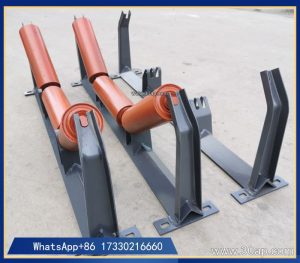
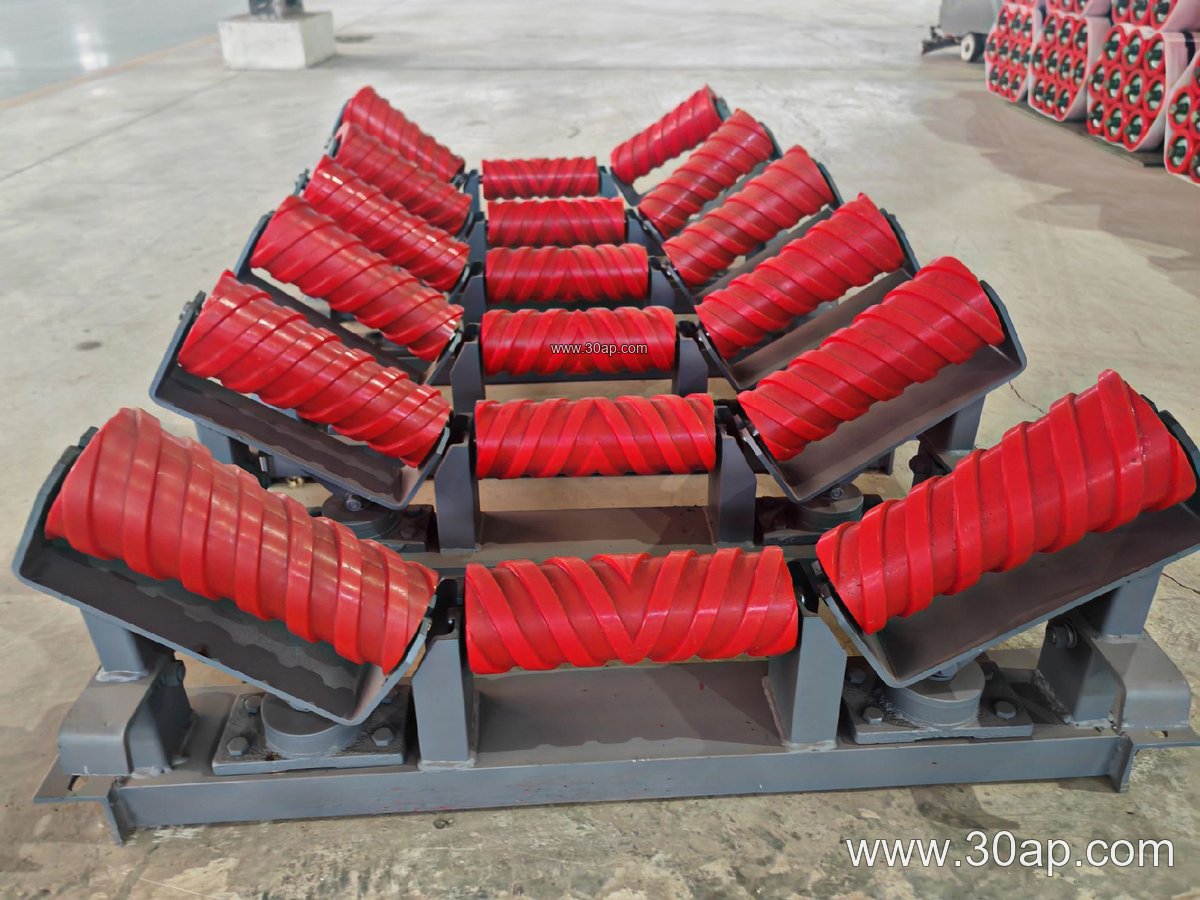
A three-roll trough idler is the assembly that shapes a conveyor belt into a trough so bulk material stays centered and does not spill. It sits on the carrying side of the conveyor and supports the loaded belt between the tail pulley and the head pulley. In a typical mining conveyor or quarry conveyor, these idlers are the most numerous rotating parts, and their condition directly affects belt life and energy use. Unlike a single-roll flat idler, the three-roll arrangement uses two side rollers set at an angle and one center roller, forming a stable cradle for the conveyor belt.
Construction and Naming
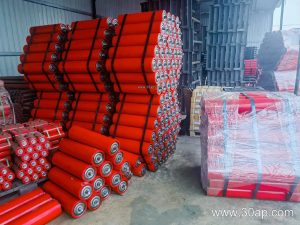
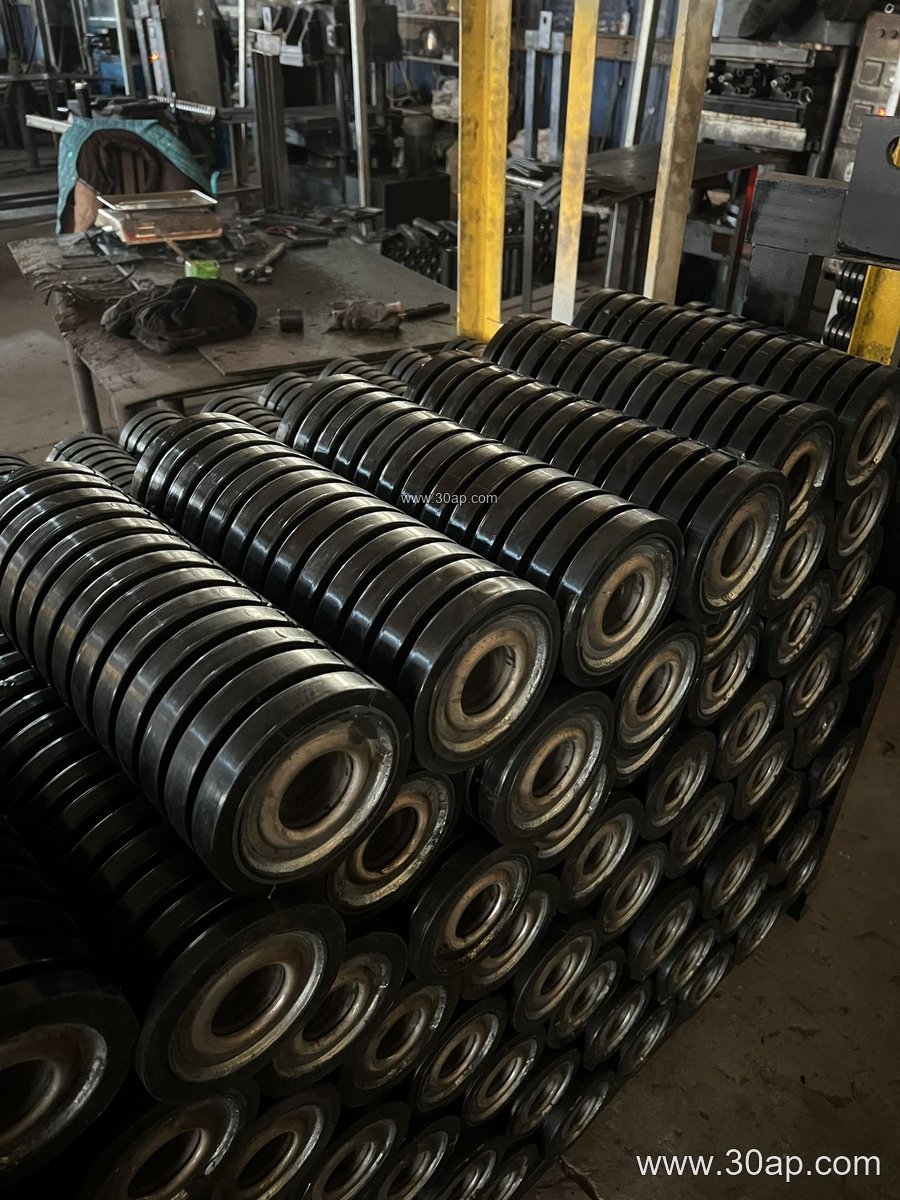
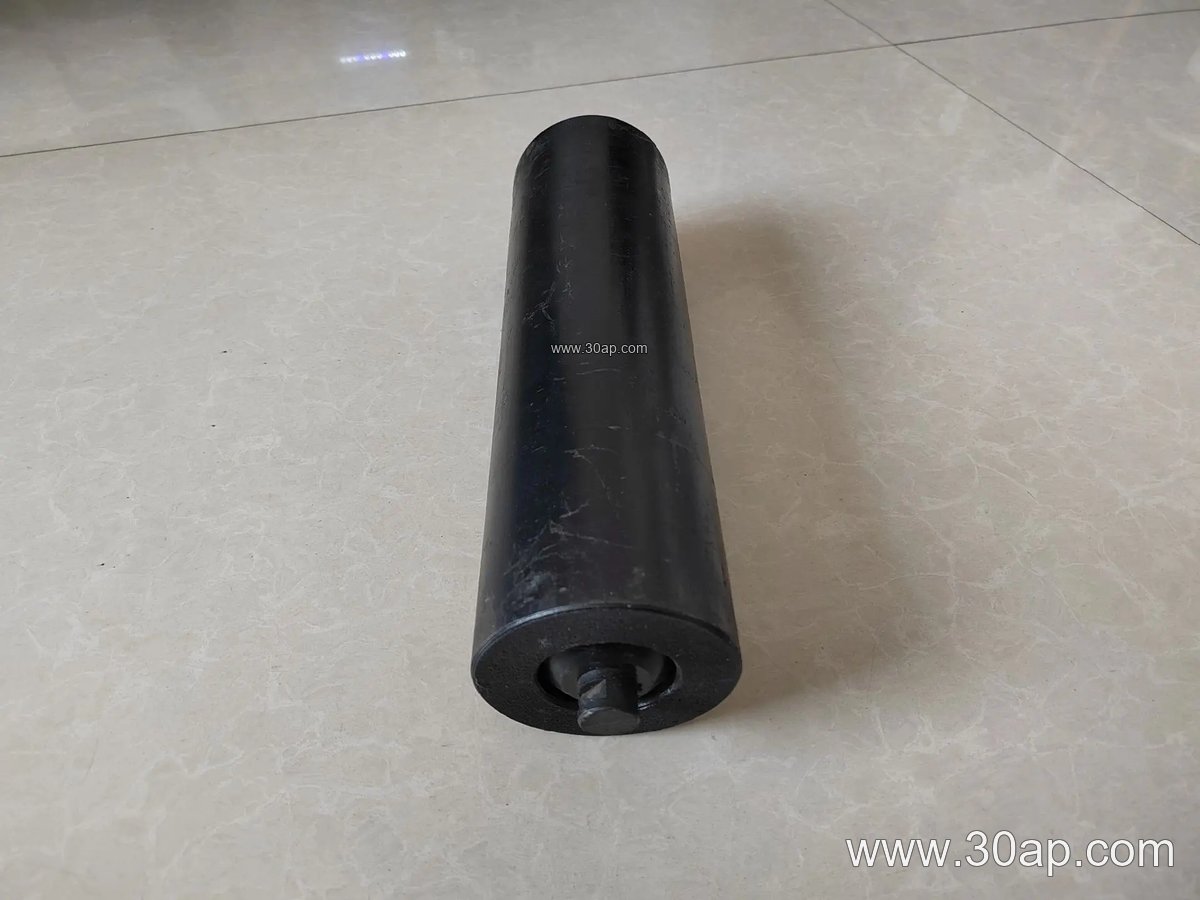
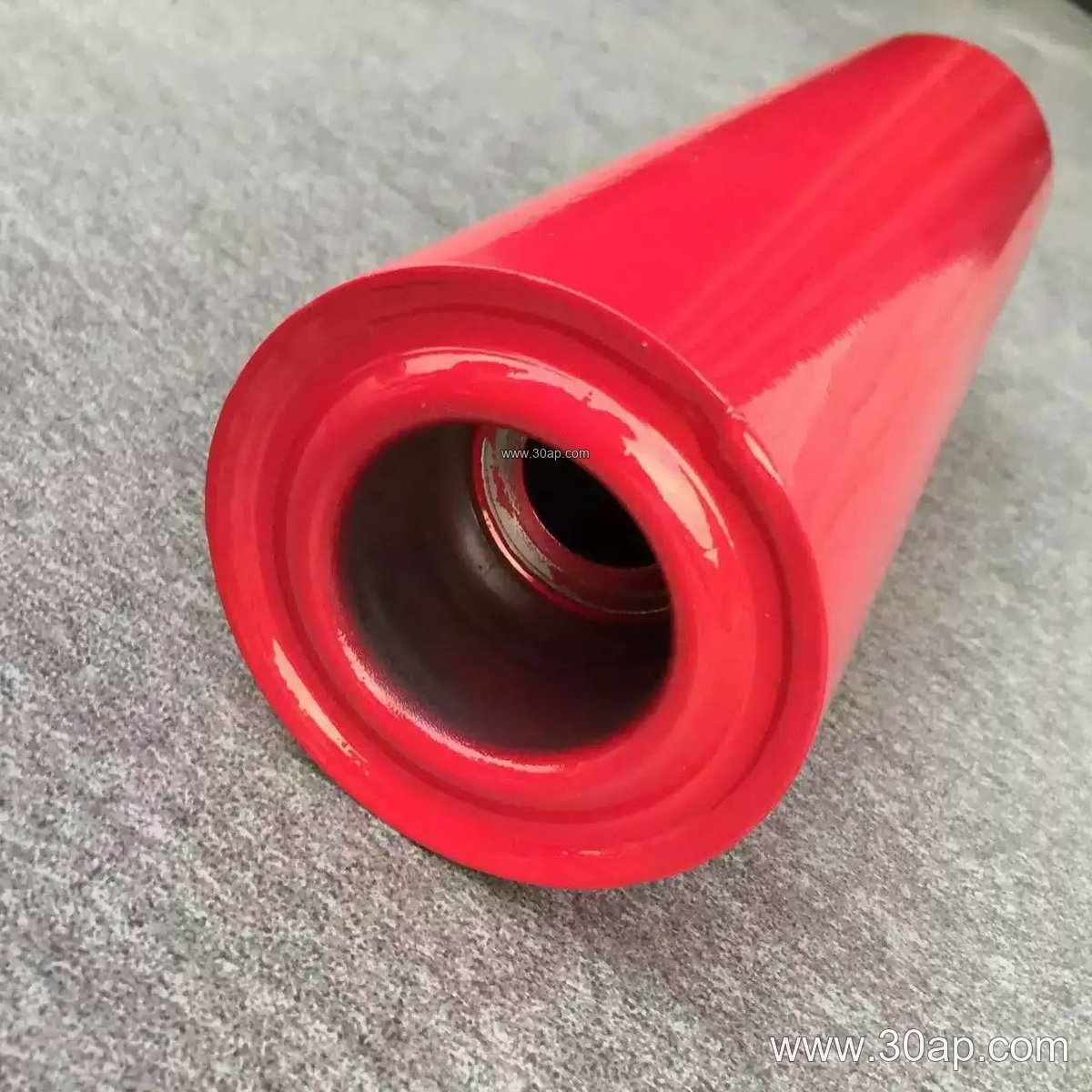
The product is also called a three-roll troughing idler or a three-roll carrying idler. Each roll usually has a steel tube shell, a shaft, bearing housings, and a sealing system. Common roller diameters include Ø89, Ø108, Ø127, Ø133, and Ø159 mm, while larger installations may use Ø178 or Ø219 mm. Bearings such as 6205, 6305, or 6308 are common, but the bearing size is matched to the load and shaft design, not to belt width alone. Roll length changes with belt width, trough angle, and frame type. For reference, a three-roll trough idler on a B800 belt often uses rolls around 315 mm long, while a B1200 belt may use rolls near 465 mm. These are typical examples, not fixed rules, and side rolls can differ from the center roll.
Trough Angle and Material Handling
The trough angle is the angle of the side rolls relative to horizontal. Common angles are 20, 30, 35, and 45 degrees. A deeper trough helps contain material on a fast-moving conveyor belt, while a shallower angle suits wider belts or materials that are less free-flowing. For comparison, a two-roll trough idler may be used on smaller conveyors, but the three-roll design generally gives better belt support across the full width. The choice of angle should follow the conveyor design and the characteristics of the bulk material, such as lump size and moisture.
Where Three-Roll Trough Idlers Are Used
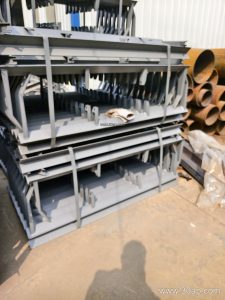
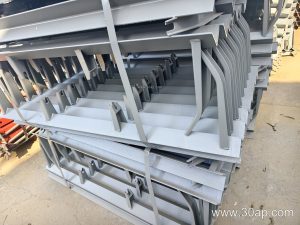
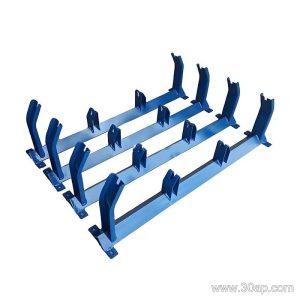
These idlers appear in limestone mines, iron ore plants, coal washing plants, cement plants, power plant coal handling, and aggregate crushing lines. In a sand and gravel plant, they carry the conveyor belt under crusher discharge and screening feed. In a port or ship loading system, they support long overland conveyors that move bulk material at high tonnage. The idler frame mounts to the conveyor bracket, and the whole assembly must align with the conveyor pulley centers to avoid belt misalignment.
Selection and Maintenance Notes
Buyers should confirm the belt width, the trough angle, the roll diameter, and the shaft and bearing arrangement required by the conveyor frame. The idler roller shell material matters: steel is standard, while rubber discs or ceramic covers may be used for impact or abrasion resistance. Sealing quality is critical in dusty environments such as a coal mining conveyor or a cement plant, where fine particles can destroy bearings. Regular inspection of roll rotation, frame alignment, and belt tracking helps prevent premature wear. A worn idler can damage the conveyor belt and increase power demand, so spare rolls should be kept for critical conveyors.
Reference Dimensions
The table below gives common examples only. Actual roll length and diameter are determined by the conveyor design, belt width, and idler frame.
| Belt Width | Typical Roll Length (center roll) | Common Roll Diameter |
|---|---|---|
| B500 | 200 mm | Ø89 mm |
| B650 | 250 mm | Ø89–Ø108 mm |
| B800 | 315 mm | Ø108–Ø127 mm |
| B1000 | 380 mm | Ø108–Ø133 mm |
| B1200 | 465 mm | Ø127–Ø159 mm |
| B1400 | 530 mm | Ø133–Ø159 mm |
| B1600 | 600 mm | Ø159–Ø178 mm |
| B1800 | 670 mm | Ø159–Ø194 mm |
| B2000 | 750 mm | Ø178–Ø219 mm |
For more information on compatible conveyor components, visit our site at www.example.com/conveyor-idler or www.example.com/three-roll-trough-idler. When specifying a three-roll trough idler, match it to the conveyor belt type, whether an EP conveyor belt, a steel cord conveyor belt, or a heat resistant conveyor belt, and to the operating environment. Properly selected idlers help keep a conveyor pulley, conveyor bracket, and belt working together as a reliable system.