What a Belt Guide Roller Does on a Conveyor
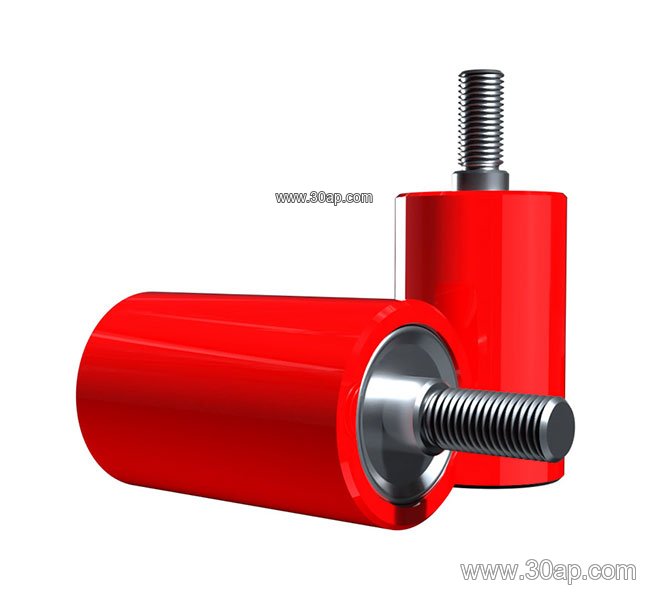
A belt guide roller is a small-diameter roller mounted near the edges of a conveyor belt to keep it tracking straight. It does not carry the main material load; that job belongs to the troughing and return idlers. Instead, the guide roller acts as a lateral stop, gently correcting drift before the belt edge rubs against the frame. In a quarry, limestone mine, or sand and aggregate line, a few well-placed guide rollers can prevent edge damage and reduce spillage, which is often cheaper than replacing a full conveyor belt earlier than necessary.
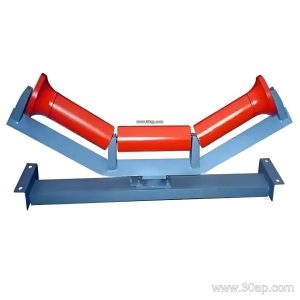
The same component is also called a belt alignment roller or edge guide roller. These are accurate equivalents, not different products. Do not confuse it with a training idler, which pivots to steer the belt, or with a conveyor pulley such as a drive pulley, tail pulley, or bend pulley. Those pulleys transmit power and change belt direction, and they are not interchangeable with guide rollers.
How the Roller Is Built
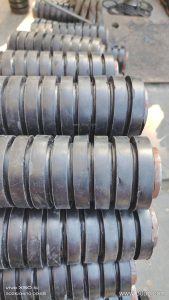
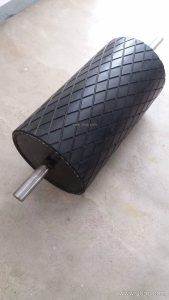
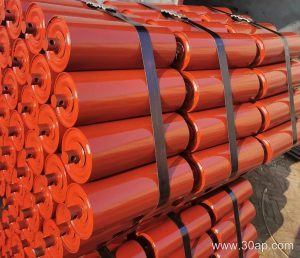
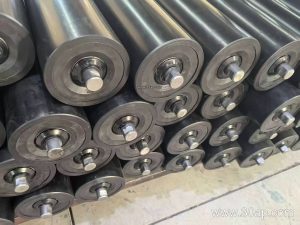
A typical unit is compact and simple. The shell is usually a steel tube, sometimes fitted with a nylon or rubber sleeve to reduce friction and noise at the belt edge. Inside, a sealed bearing runs on a fixed shaft, and the ends are capped to keep out dust and water. Common bearing sizes include 6204, 6205, and 6305, though the correct bearing depends on the shaft and load, not on roller diameter alone.
Mounting is handled by a bracket or a small adjustable arm welded or bolted to the conveyor frame. The adjustment slot lets maintenance staff set the roller close to the belt edge without pinching it. A small clearance is normal; the roller should touch the belt only when tracking drifts.
Where It Fits in the Conveyor Layout
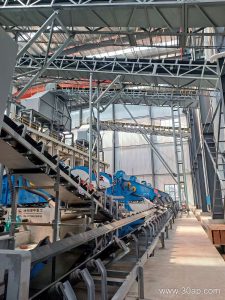
Guide rollers are common on the carrying side just ahead of the loading point and on the return side near transition zones. They are also used along long overland runs in power plant coal handling, cement plant clinker lines, and port ship loading systems, where wind and off-center loading tend to push the belt sideways. On a steel cord conveyor belt running at high tension, a guide roller is a low-cost safeguard for the belt edges; on a fabric core conveyor belt such as an EP conveyor belt or NN conveyor belt, it helps protect the splice area from edge stress.
They are not a substitute for a crowned pulley or a self-aligning idler group. If the whole belt is misaligned, check pulley alignment, idler framing, and loading first.
Common Reference Dimensions
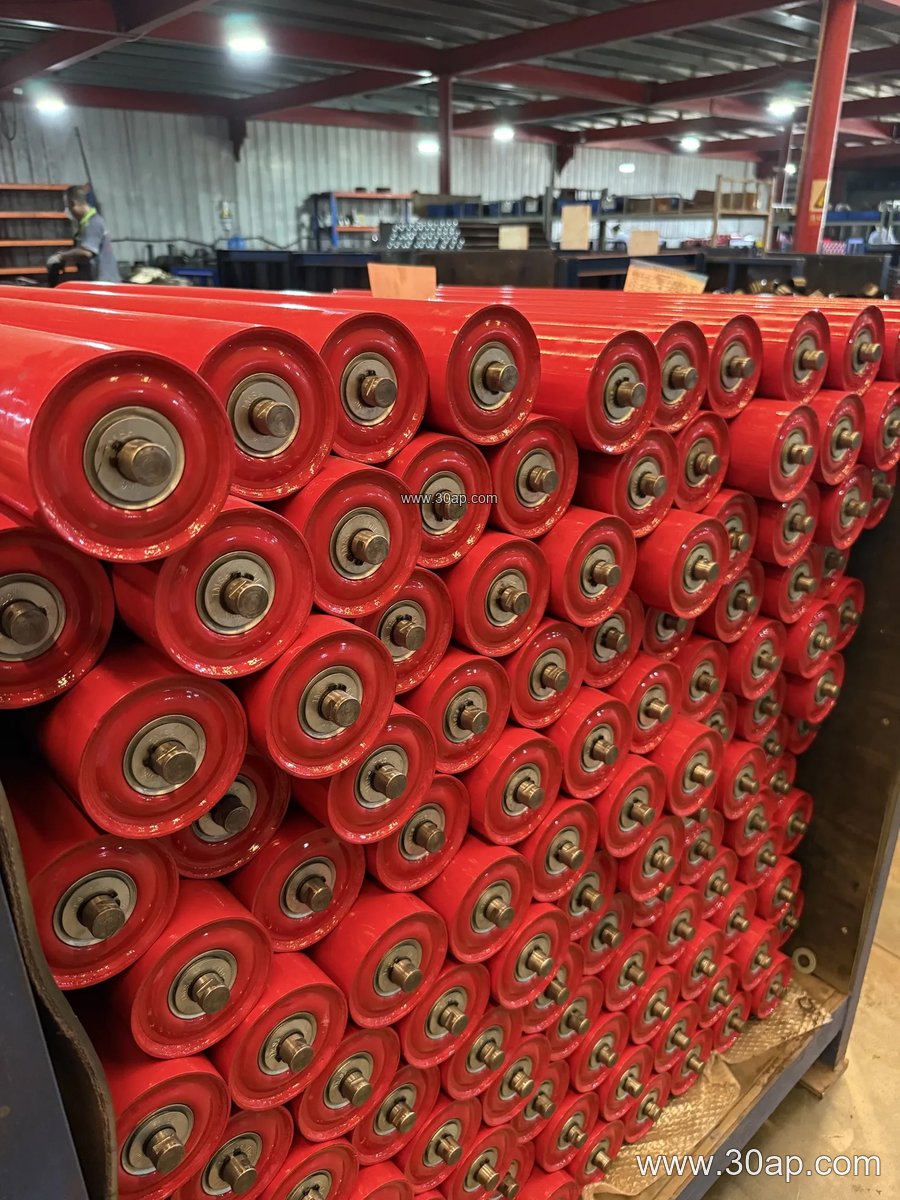
The table below gives typical reference values, not fixed rules. Final sizes depend on belt width, frame design, and the space available. A wider belt does not automatically require a larger roller diameter, and the shaft size is set by the bracket design.
| Item | Common Reference Range |
|---|---|
| Roller diameter | Ø63, Ø76, Ø89, Ø102, Ø108 mm |
| Roller face length | 100 to 300 mm, depending on frame |
| Belt width served | B500 to B2400 |
| Bearing options | 6204, 6205, 6305 |
| Surface form | Plain steel, nylon sleeve, rubber sleeve |
| Mounting | Bracket with adjustable slot |
For reference, a B800 belt in a crusher discharge area often uses a guide roller in the Ø76 to Ø89 mm range, while a B1400 or B1600 belt on a heavy-duty mining conveyor belt may use Ø102 or Ø108 mm. These are examples, not mandatory pairings.
Buying Checklist
- Confirm the belt width and the actual frame gap before ordering; measure the mounting hole spacing.
- Choose the sleeve material by environment: rubber for dusty quarry and aggregate duty, nylon for cleaner food or light bulk service.
- Check the sealing class for washdown, coal dust, or coastal humidity.
- Ask for the bearing code and shaft material so spare parts stay consistent across the plant.
- Order guide rollers together with conveyor brackets and idler roller sets to avoid mismatch during installation.
Inspect guide rollers during routine idler checks. A worn sleeve or a rough bearing will score the belt edge quickly. Replace the unit when the sleeve is flat or the roller no longer spins freely. Keep a small stock on hand for coal mining, cement, and power plant conveyors, where downtime costs more than the part.
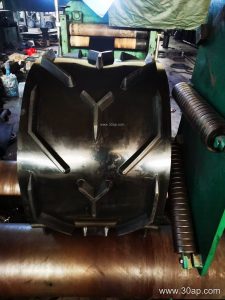
For plants running chevron, corrugated sidewall, or pipe conveyor belt designs, confirm clearance with the belt profile before fitting any edge guide. The same caution applies near skirted conveyor belt loading zones, where a guide roller must sit clear of the skirt rubber.