What a Conveyor Belt Support Frame Does
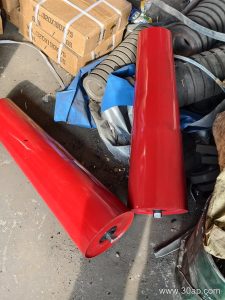
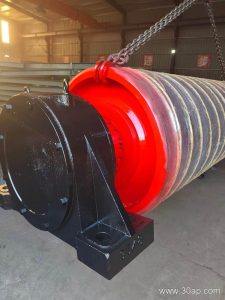
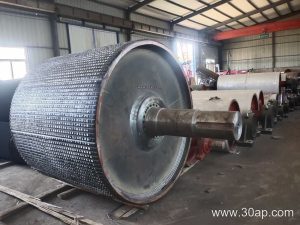
A conveyor belt support frame is the steel structure that holds the idlers in position under and over the belt, keeping the belt in a stable trough or flat profile along the whole run. In a quarry, a cement plant, or a power plant coal yard, the frame is the quiet workhorse: it carries the conveyor belt, positions each idler roller at the correct angle, and transfers the load from the belt into the conveyor stringers and foundations. The frame itself does not drive anything — that job belongs to the drive pulley, while the tail pulley and bend pulley only redirect the belt — so a support frame is judged by stiffness, alignment, and how easily it can be installed and serviced.
How the Frame Is Built
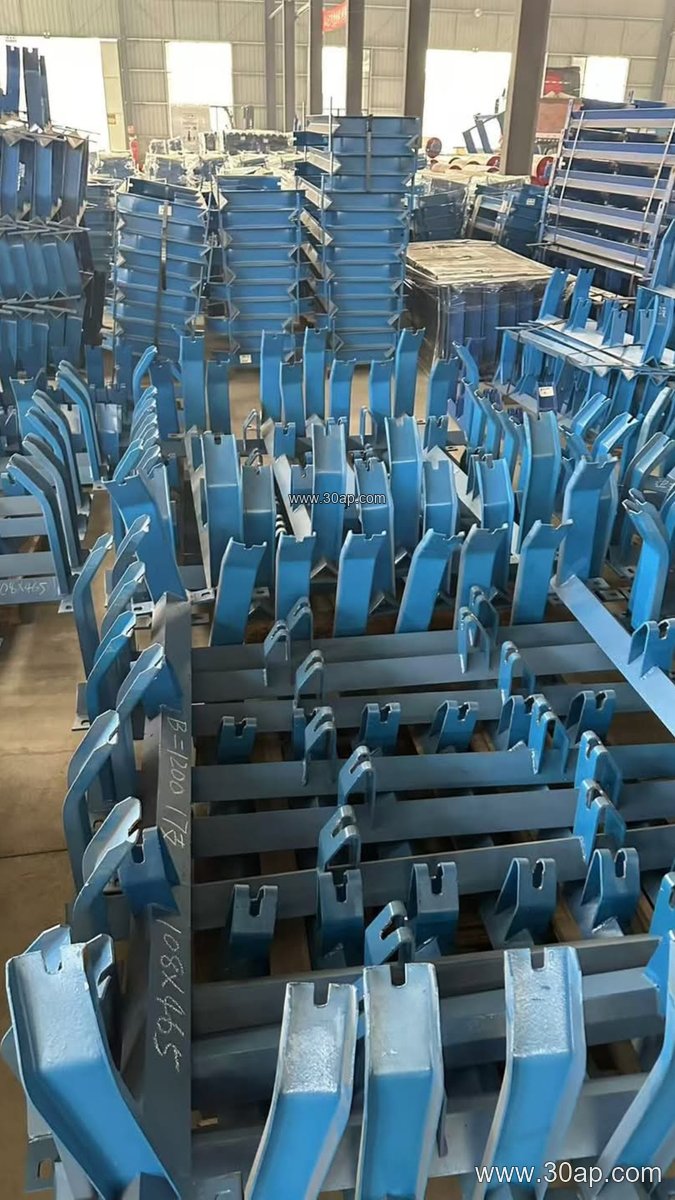
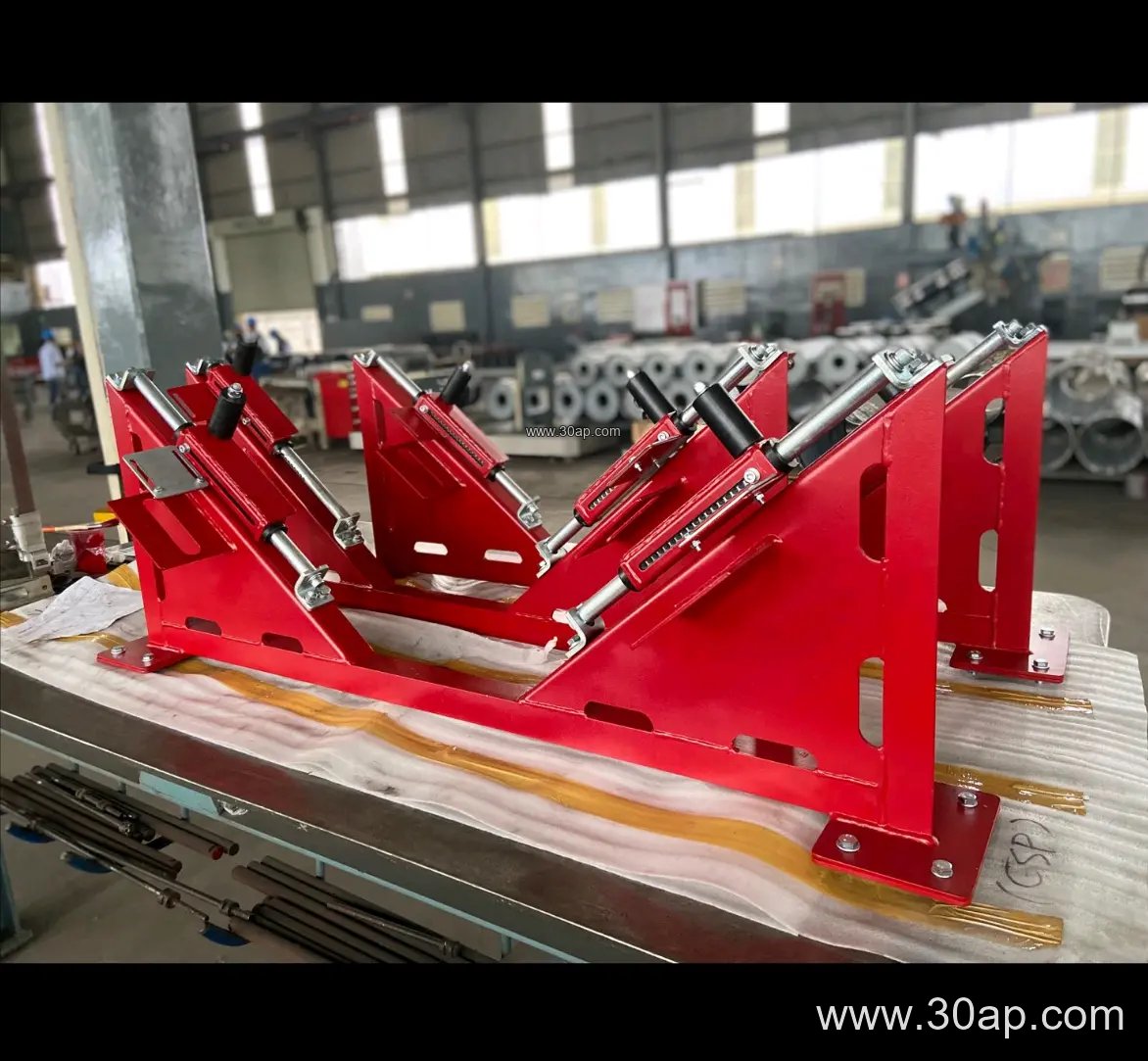
Most frames are fabricated from angle steel, channel steel, or folded steel plate, then drilled or punched for idler mounting. A typical assembly includes the cross beam, the end brackets that bolt to the stringer, and, on troughed sections, inclined supports that set the trough angle. Common forms include:
- Troughing and upper trough frames carrying three or five idlers
- Transition frames placed near pulleys to ease the belt from flat to troughed
- Return frames and V-return frames supporting the lower belt run
- Impact frames with cushion idlers under loading points
- Self-aligning and forward-leaning frames for belt training
- Suspended frames hung from a gantry or roof structure
- Adjustable frames that allow the trough angle to be changed on site
Welds should be continuous at load points, and holes should be jig-drilled so that idlers sit square to the belt centerline. A twisted or mis-drilled conveyor bracket is one of the most common causes of belt mistracking.
Trough Angle, Belt Width and Idler Diameter
These three values are selected together, but they are not locked to each other. A B800 belt may run at 30 or 35 degrees with Ø108 idlers in one plant and at 45 degrees with Ø133 idlers in another, depending on capacity, material lump size, and belt stiffness. The table below shows typical reference combinations, not fixed rules:
| Belt width | Common trough angle | Typical idler diameter | Typical frame use |
|---|---|---|---|
| B500 / B650 | 20° or 30° | Ø89 | Small transfer, sand and aggregate lines |
| B800 / B1000 | 30° or 35° | Ø108 | General bulk handling, cement and crushing plants |
| B1200 / B1400 | 35° or 45° | Ø133 | Main haulage, coal yards, port systems |
| B1600 / B1800 | 35° or 45° | Ø159 | Heavy-duty mining and ore transport |
| B2000 / B2200 | 35° or 45° | Ø194 | High-capacity bulk terminals |
Adjustable frames usually allow setting between 20, 30, 35, and 45 degrees. Forward-leaning frames are commonly set at about 1.5 to 2 degrees to help center the belt. Mounting hole spacing and beam length vary with belt width and trough angle, so they are determined by design rather than taken as a fixed number.
Matching the Frame to the Belt and the Job
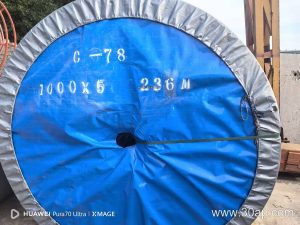
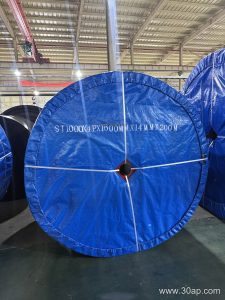
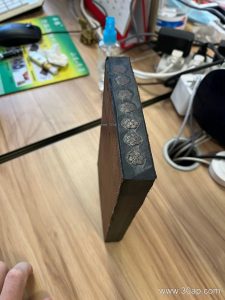
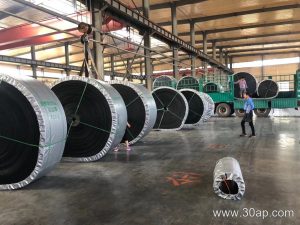
The frame must suit the belt it carries. A heavy steel cord conveyor belt on an iron ore line needs a stiffer frame with closer idler spacing than a lightweight EP conveyor belt on a packing line. Where a rubber conveyor belt runs at high speed in a coal mining conveyor system, impact frames with cushion idlers under the chute reduce shock loading. Abrasion resistant conveyor belts handling sinter or clinker still need properly aligned frames, because wear accelerates quickly when idlers are skewed. In food or fertilizer plants, frames are often galvanized or painted to resist corrosion; in cold climates, frames should allow for belt shrinkage and thermal movement.
What Buyers Should Check
- Confirm belt width, trough angle, and idler diameter as a set, and ask for the drilling layout drawing.
- Check steel grade, plate thickness, and whether the frame is welded or bolted; bolted frames are easier to ship and replace.
- Verify that the frame fits the existing stringer spacing and pulley positions, including transition distances.
- Ask how the frame handles belt training — self-aligning or forward-leaning frames may reduce maintenance calls.
- For corrosive or outdoor sites, specify surface treatment rather than assuming standard paint is enough.
For more on matching frames with conveyor belt, idler roller and conveyor pulley selections, visit www.example.com/conveyor-belt-support-frame and review the drawings before ordering.