What a Cement Conveyor Belt Has to Handle
A cement conveyor belt is a heavy-duty rubber belt built to move clinker, limestone, gypsum, raw meal, and finished cement across long plant lines. The duty is rarely gentle. Material arrives hot from the kiln, dust settles on every frame member, and sharp clinker edges work against the cover. A belt that performs well in a clean warehouse may fail quickly here, so the specification has to match the actual working face.
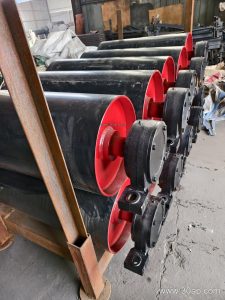
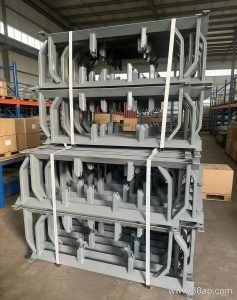
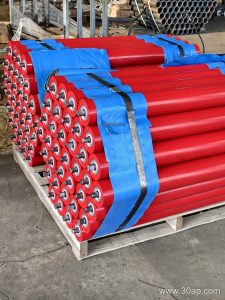
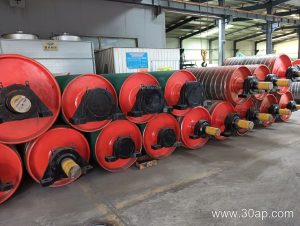
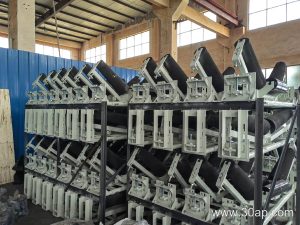
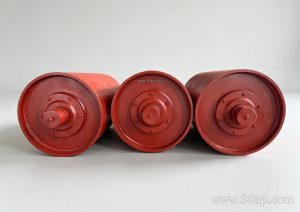
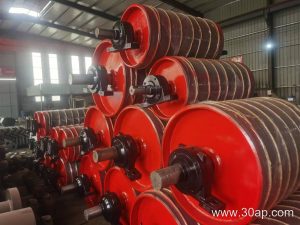
The belt sits on a troughed frame supported by idler rollers, driven by a head pulley, and kept in line by bend pulleys and a tail pulley. Each of those parts does a different job, and none should be treated as a substitute for another during selection or maintenance.
Construction and Common Belt Types
Most cement lines use a fabric-core or steel-cord carcass with rubber covers. The carcass carries tension, while the cover resists abrasion, heat, and impact. Buyers can choose from several constructions depending on the conveyor profile and the material temperature.
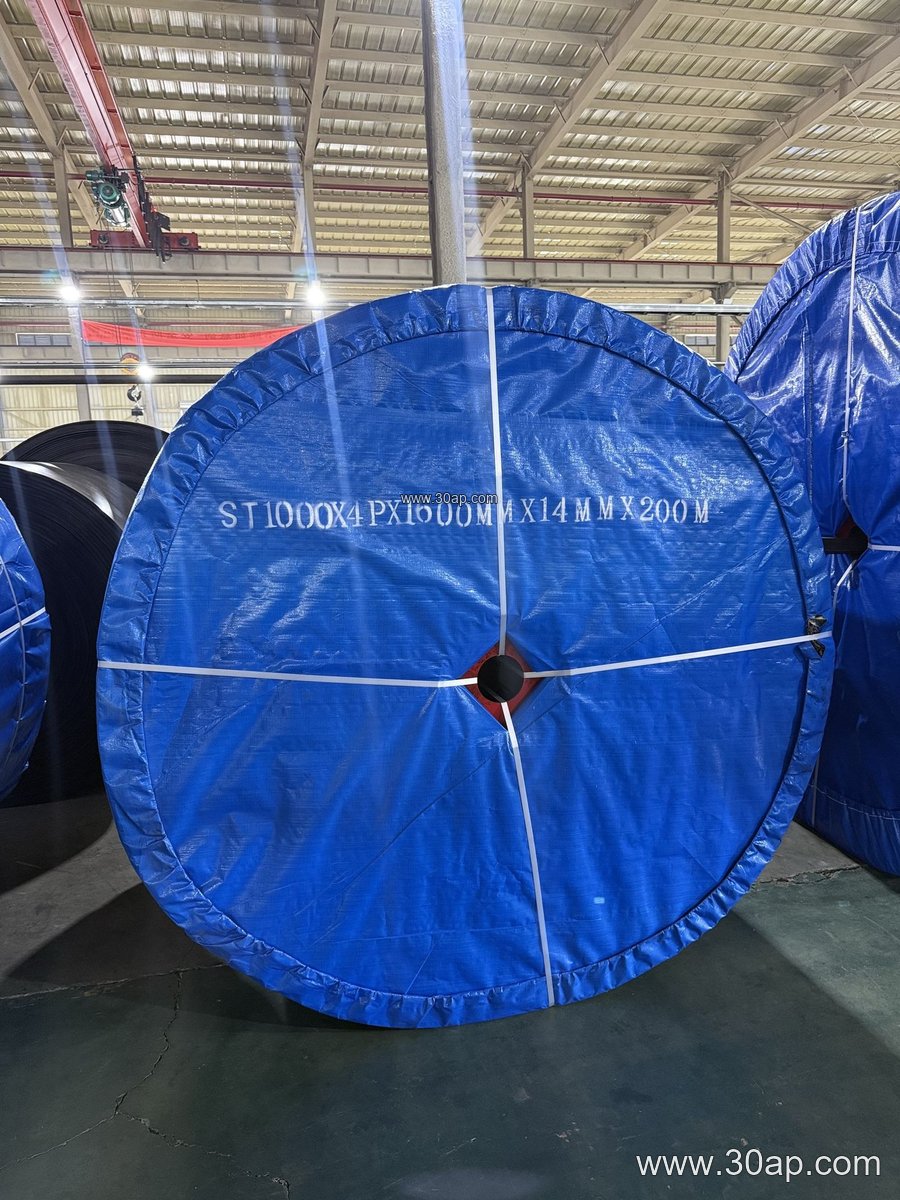
- EP conveyor belt with polyester-nylon fabric, common in main transfer and clinker lines.
- NN conveyor belt with nylon-nylon fabric, often chosen where flexibility around smaller pulleys matters.
- Steel cord conveyor belt for long overland runs and high tension.
- Heat resistant conveyor belt for clinker and hot raw material.
- Abrasion resistant conveyor belt for limestone and crushed stone.
- Flame retardant conveyor belt where fire safety rules apply.
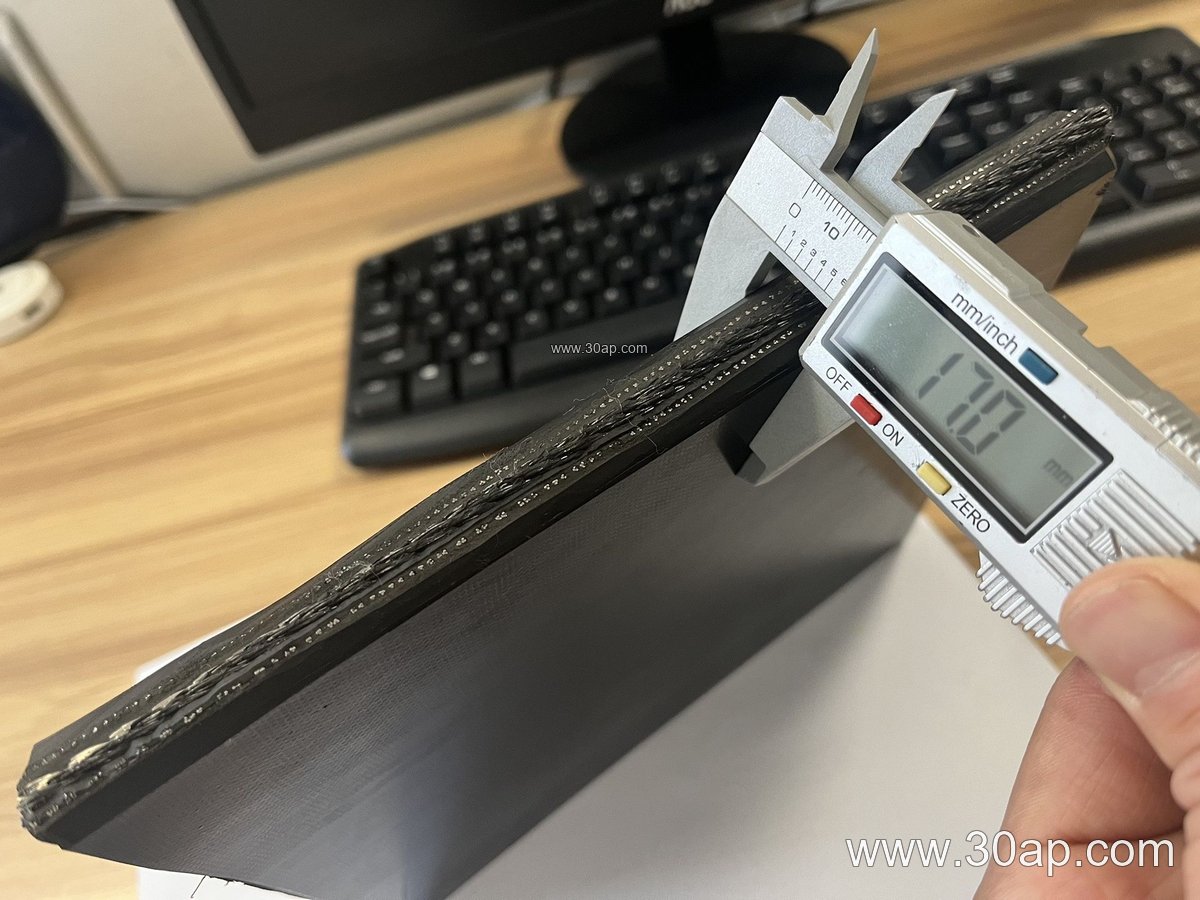
Cover thickness is usually quoted as top plus bottom, for example 4+2 mm or 6+2 mm, and the number of fabric plies typically ranges from two to six. These are common references, not universal guarantees, and final values follow the conveyor design.
Reference Data for Early Planning
The table below shows typical strength and width ranges that appear in cement plant inquiries. Treat them as starting points for discussion with a supplier.
| Item | Common Reference Values |
|---|---|
| Fabric core grades | EP200, EP315, EP400, EP500, EP630, EP800, EP1000, EP1250 |
| Steel cord grades | ST1000, ST1250, ST1600, ST2000 |
| Belt width | B500, B650, B800, B1000, B1200, B1400, B1600, B1800 |
| Cover thickness | 3+1.5 mm, 4+2 mm, 5+2 mm, 6+2 mm, 8+3 mm |
| Carcass plies | 2 to 6 layers, per design |
Where It Fits in the Plant
Cement plants are not the only users. The same family of belts appears in quarries feeding crushers, in power plants handling coal, in ports loading ships, and in sand and aggregate yards. A quarry conveyor belt or crusher conveyor belt may need extra impact resistance at the loading point, while a coal mining conveyor belt often needs flame retardant and anti-static properties. A heavy-duty mining conveyor belt used underground has different safety requirements from an above-ground cement line.
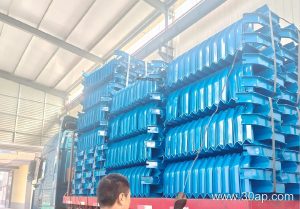
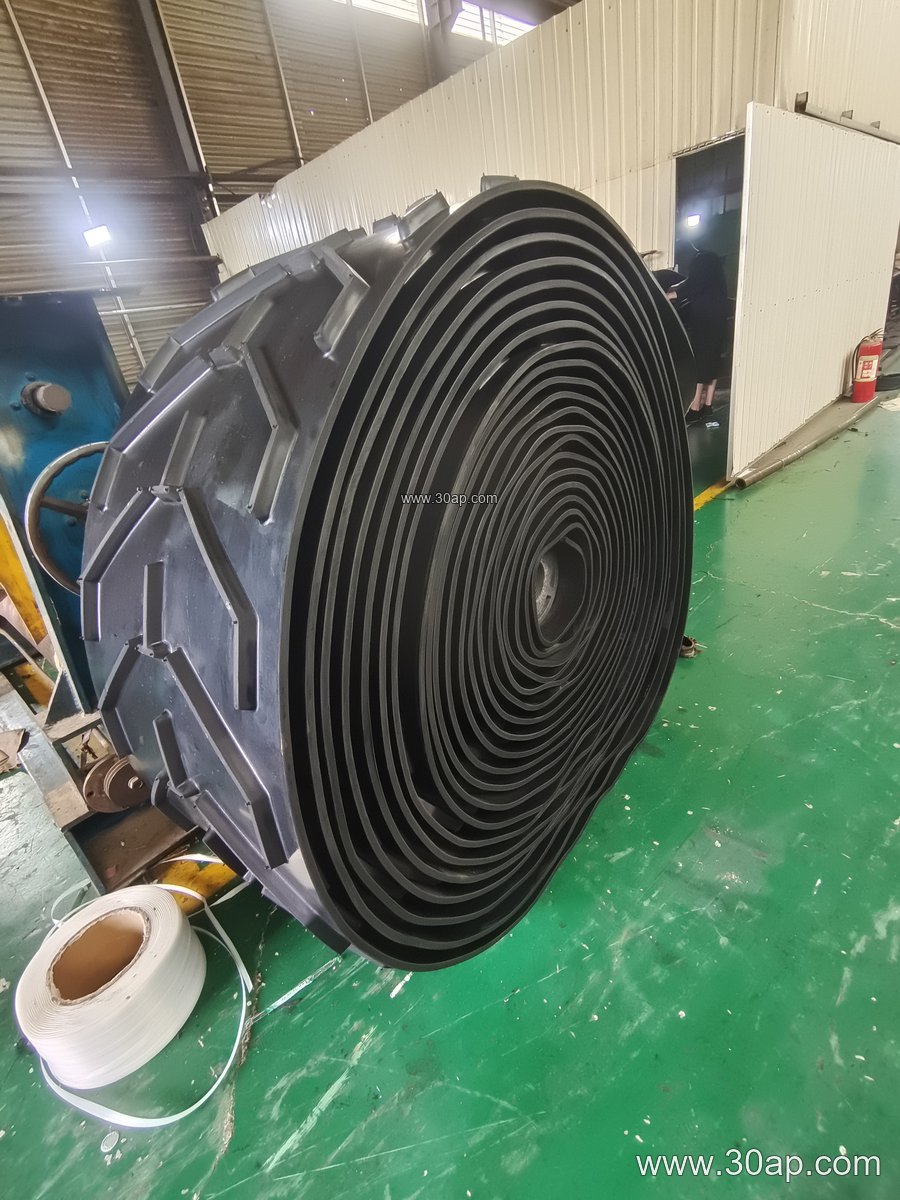
For dusty cement service, a skirted conveyor belt or corrugated sidewall conveyor belt can help contain material on steep or confined routes. A chevron conveyor belt is another option when the incline is too steep for a smooth cover. These are separate designs, not replacements for a standard cement belt.
Buyer Checklist Before Ordering
Start with the material: lump size, temperature, moisture, and abrasiveness. Then confirm the conveyor geometry, including incline, transition distance, and pulley diameters. Belt width and carcass grade should be set by the tension calculation, not by habit. A 1200mm wide belt is not automatically paired with one pulley size, and shaft diameter must come from the drive design rather than from width alone.
Ask for cover grade, ply count, and edge condition in writing. For hot clinker, confirm the heat resistant conveyor belt rating. For dusty coal or underground work, confirm flame retardant and anti-static performance. Also review the conveyor bracket and frame condition, because a new belt on a worn frame will track poorly.
Installation and Maintenance Notes
Store belts away from sunlight and moisture, and support coils so they do not deform. During installation, check that idler rollers turn freely and that the tail pulley and bend pulleys are square to the frame. Keep the skirt rubber from pressing too hard on the cover. Track misalignment early, before edge damage spreads.
Inspect covers for cuts and exposed carcass, especially after the loading point. Small repairs are cheaper than a full replacement, and an endless conveyor belt splice should be checked for uniformity. For any cement conveyor belt project, share the duty, width, and temperature with the supplier so the recommendation fits the line rather than a catalogue page.