What a Cement Conveyor Belt Is
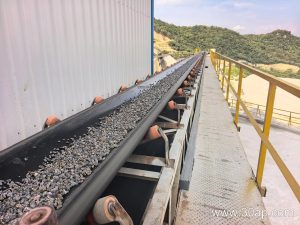
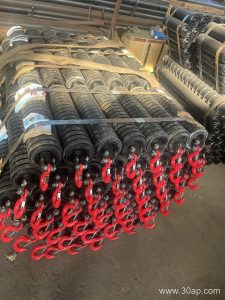
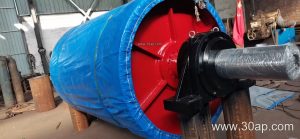
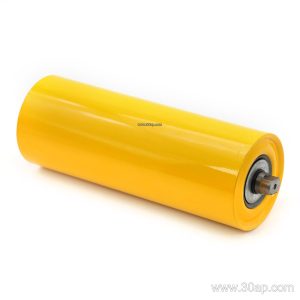
A cement conveyor belt is the load-carrying element of a belt conveyor used to move limestone, clay, raw meal, clinker, gypsum, and finished cement between crushers, silos, preheater towers, and packing lines. In cement plants the belt usually runs on a troughed idler roller set, is trained by a conveyor pulley at the head and tail, and is supported by a conveyor bracket frame. Because the material is fine, hot in places, and highly abrasive, the belt construction matters more than in light-duty conveying.
The same product is also described as a cement plant conveyor belt or a rubber belt for cement handling. These are equivalent names for the same item, not different products.
Construction and Common Specifications
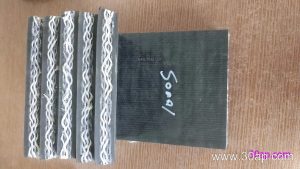
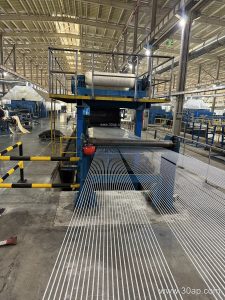
Most cement belts are fabric-cored rubber belts. A multi-ply fabric core provides tensile strength, while top and bottom cover rubber protects the carcass from abrasion, heat, and oil. EP fabric (polyester warp, nylon weft) is a frequent choice because it stretches less than nylon and keeps good fatigue resistance. NN nylon belts are also used where impact absorption is needed. For long overland lines and high tonnage, a steel cord conveyor belt may be selected instead of fabric plies.
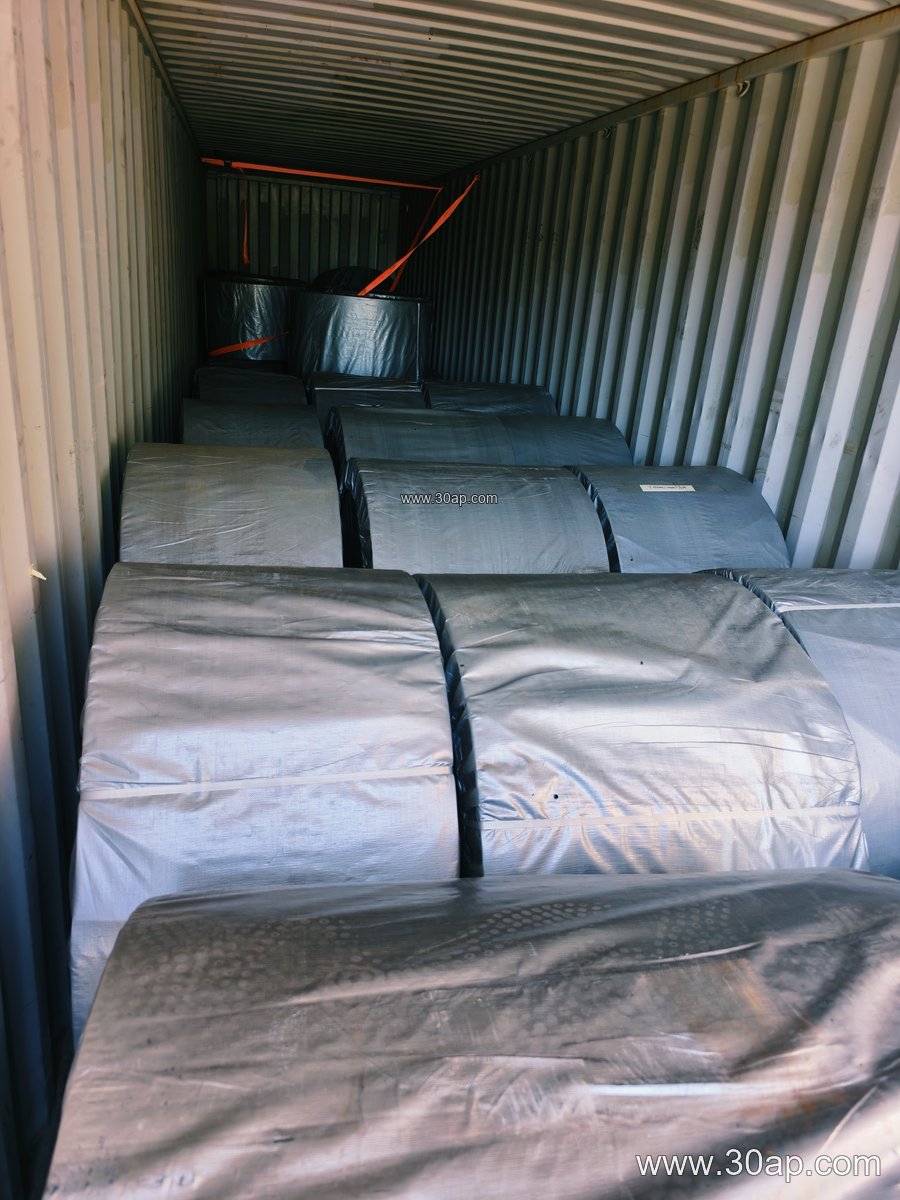
| Element | Typical options |
|---|---|
| Core type | EP fabric, NN fabric, steel cord |
| Strength grade | EP200, EP315, EP400, EP500, EP630, EP800, EP1000, EP1250 |
| Belt width | B500, B650, B800, B1000, B1200, B1400, B1600, B1800 |
| Cover thickness | 4+2 mm, 5+2 mm, 6+2 mm, 8+3 mm |
| Ply count | Usually 2 to 6 layers |
Cover grades are chosen by duty. An abrasion resistant conveyor belt suits clinker and limestone; a heat resistant conveyor belt handles hot clinker near the cooler; a flame retardant or fire resistant grade is used where local rules require it. Oil resistant, acid resistant, and anti-static versions exist for special zones. Belt width and pulley diameter are matched by conveyor design, not by a fixed rule, so a 1200mm belt does not automatically dictate one pulley size.
Where It Runs in a Cement Plant
- Quarry and crusher feed lines moving limestone and clay
- Raw mill and blending silo circuits carrying raw meal
- Clinker transport from the cooler to storage
- Gypsum and additive dosing belts
- Cement mill feed and packing plant transfer points
- Ship loading and port terminals for bulk cement
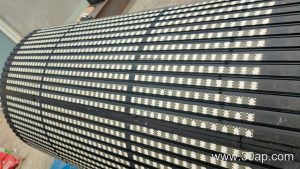
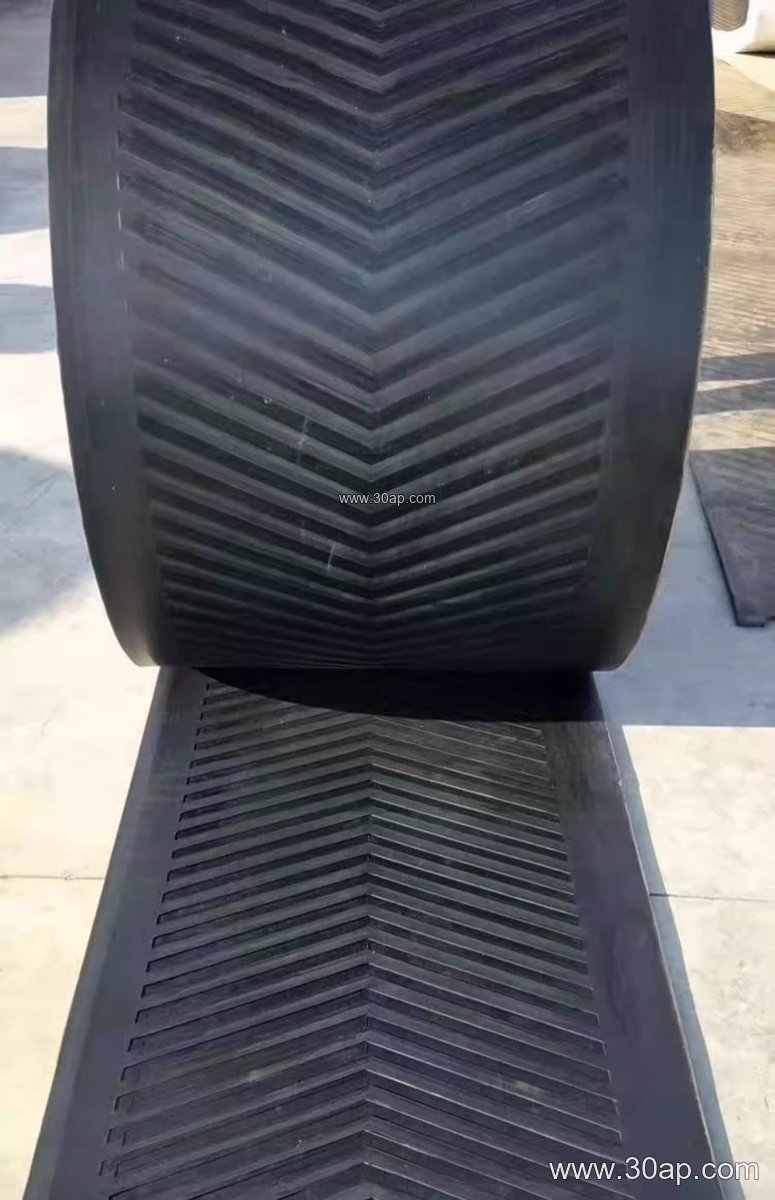
Similar heavy-duty belts appear in power plants, coal mining, and aggregate operations, but the cement duty is defined by fine abrasive dust and moderate-to-high temperature at the clinker stage. Chevron or corrugated sidewall belts may appear on steep inclines, and a pipe conveyor belt may be used where dust control and route flexibility are priorities.
Buyer Checklist Before Ordering
Start with the material: lump size, temperature, moisture, and oil or chemical exposure. Then confirm the conveyor geometry, including trough angle, incline, and transfer chute impact. Check the existing conveyor pulley and idler roller dimensions so the new belt fits the frame without rework. Ask for the carcass type, ply count, cover thickness, and strength grade in writing, and confirm whether the belt is supplied endless or open length for field splicing.
At transfer points, impact resistant covers and adequate idler roller spacing reduce damage. Misalignment is often traced to a worn conveyor pulley or an uneven conveyor bracket rather than the belt itself, so inspect the whole line during replacement. For more on matching belts to frames and rollers, see cdxindu.com and the cement conveyor belt pages at cdxindu.com.
Installation and Care Notes
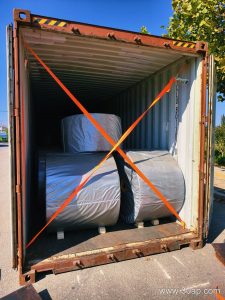
Store belts flat and dry, avoid sharp bends, and keep splices clean during installation. Track the belt after the first few hours of running, re-tension gradually, and check cover wear at the load point. A worn cover that exposes the fabric core shortens service life quickly in cement dust. Keep a spare length of the same grade so a repair does not force a mismatched belt onto the line.