What a Ceramic Lagged Drive Pulley Does
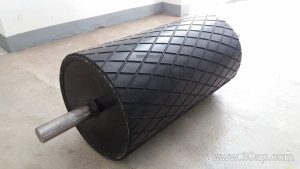
A ceramic lagged drive pulley is the head-end conveyor pulley that transmits motion to the belt. Its ceramic lagging—small alumina tiles embedded in a rubber matrix—raises the friction coefficient between pulley and belt, which helps prevent slip under high torque or wet, dusty conditions. In a quarry, limestone mine, or cement clinker line, this pulley often works with an abrasion resistant conveyor belt and a set of idler rollers to keep material moving without stoppage. Unlike a tail pulley, which mainly guides and tensions the belt return, the drive pulley carries the full driving load, so its lagging choice directly affects start-up reliability and belt life.
Construction and Surface Options
The pulley body is usually a welded steel drum with a machined face, mounted on a shaft sized by torque and load—common shaft diameters range from Ø50 to Ø200 mm, but the exact value is determined by design, not by belt width alone. The ceramic lagging is applied in tiles or strips, often 8–20 mm thick, and can be flat or patterned. For comparison, a bend pulley may use plain rubber lagging because it only changes belt direction; the drive pulley needs the higher grip that ceramic provides, especially when the conveyor belt is wet or coated with fines.
Typical surface forms for a drive pulley include:
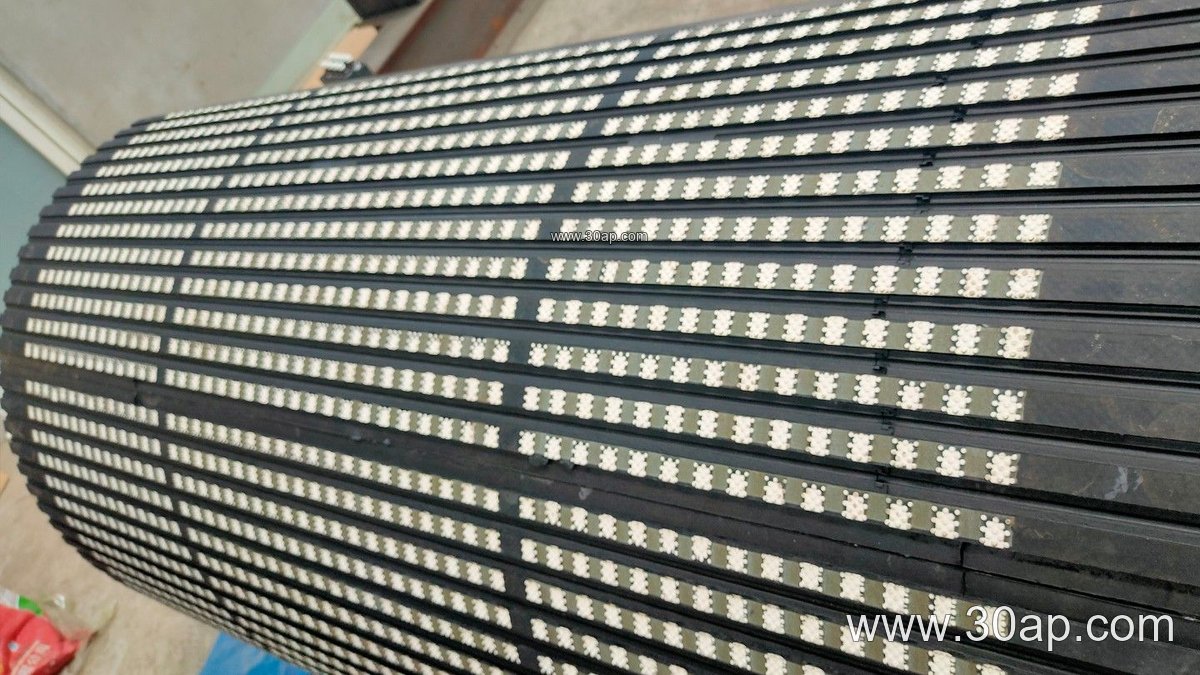
- Ceramic lagging with raised tiles for wet or oily conditions
- Diamond or herringbone rubber lagging for general dry service
- Plain rubber lagging for lighter duties
Ceramic tiles are harder than rubber and resist wear from abrasive material that may carry over on the belt. However, they are not a substitute for correct belt tracking or adequate take-up tension.
Where It Fits in the Conveyor
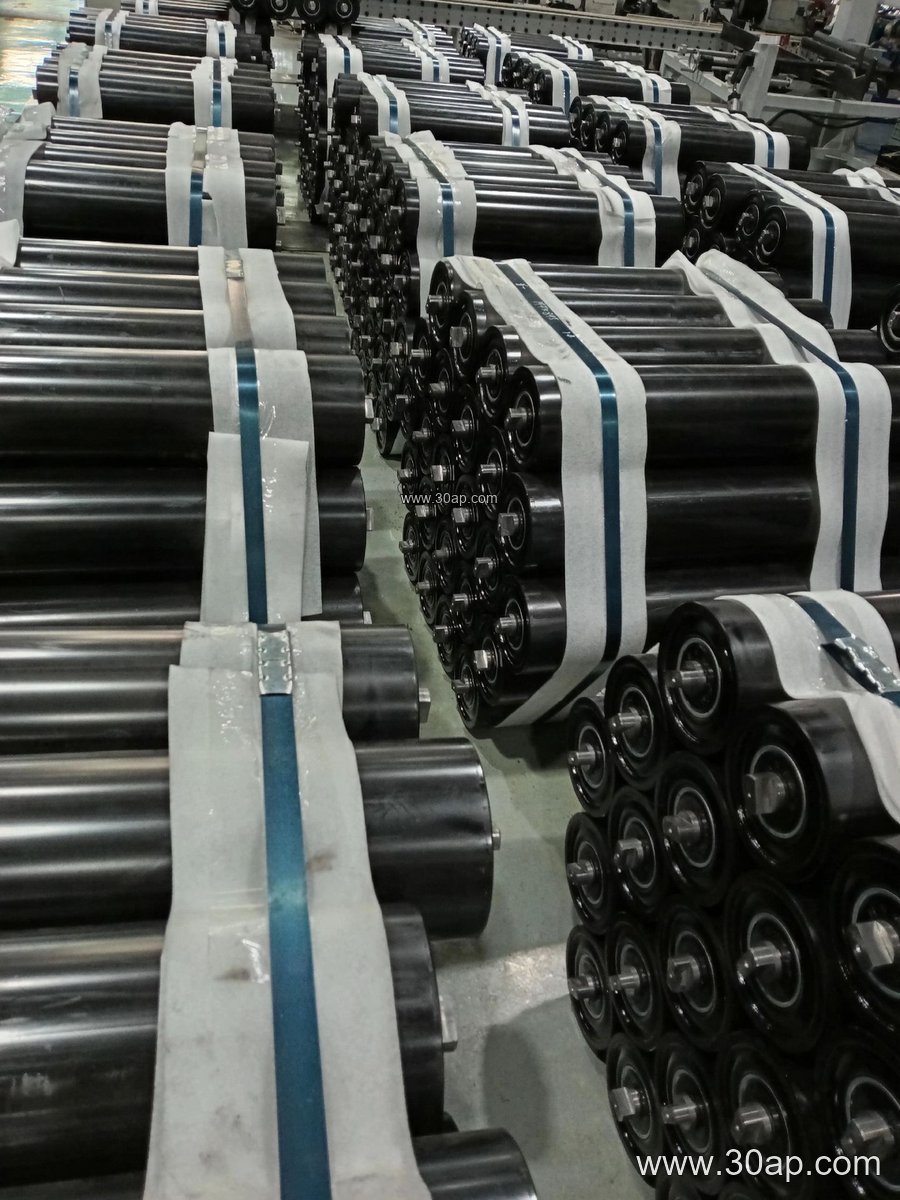
This pulley is most often installed at the head of a conveyor in a stone crushing plant, a coal washing facility, or a power plant coal handling system. It may be paired with a heavy-duty mining conveyor belt or a flame retardant conveyor belt in underground coal mining, where slip and spark risk must be controlled. The ceramic lagging helps maintain grip when the belt is damp from groundwater or dust suppression sprays. In aggregate lines, a ceramic lagged drive pulley on a B800 or B1000 conveyor can run alongside a rubber conveyor belt and impact idler rollers without needing frequent lagging replacement.
Matching Belt Width and Pulley Dimensions
Pulley face width is normally wider than the belt. For reference, a B650 belt often matches a pulley face around 750 mm, and a B1200 belt around 1400 mm. Diameter is selected from torque, belt speed, and space; common drive pulley diameters include Ø500, Ø630, Ø800, and Ø1000 mm. A B800 × Ø500 or B1200 × Ø1000 combination is seen in practice, but no single belt width requires one fixed diameter. Shaft diameter must be calculated from actual load and torque—never assumed from belt width alone.
| Belt width (B) | Typical pulley face width | Common diameter range |
|---|---|---|
| B500 | ≈600 mm | Ø250–Ø400 |
| B650 | ≈750 mm | Ø315–Ø500 |
| B800 | ≈950 mm | Ø400–Ø630 |
| B1000 | ≈1150 mm | Ø500–Ø800 |
| B1200 | ≈1400 mm | Ø630–Ø1000 |
These are reference ranges only; final dimensions depend on conveyor design, belt tension, and drive arrangement.
Buyer Checklist
- Confirm the pulley is a drive pulley, not a tail or bend pulley—they are not interchangeable.
- Specify belt width and expected maximum torque so the shaft and lagging thickness can be checked.
- Choose ceramic lagging when wet, oily, or abrasive carry-back is expected; otherwise rubber lagging may be sufficient.
- Check that the conveyor bracket and take-up system allow proper belt wrap on the drive pulley.
- Ask for lagging thickness and tile pattern details, and verify that the pulley face width exceeds belt width.
For a reliable drive station, pair the ceramic lagged drive pulley with properly rated idler rollers, a compatible conveyor belt, and a sturdy conveyor bracket. Whether the site is a copper ore terminal, a fertilizer plant, or a tunnel spoil handling line, the goal is the same: maintain friction without over-tensioning the belt.