What a Custom Conveyor Bracket Really Does
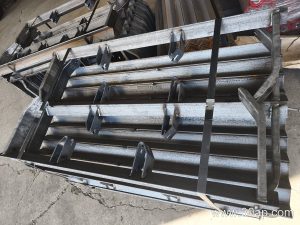
A custom conveyor bracket is the fabricated support that holds idler rollers at the correct position and angle under a conveyor belt. It is not a catalog afterthought. On a quarry conveyor or a cement plant transfer point, the bracket determines whether the belt trains smoothly or wanders, whether the roller sits square to the frame, and whether maintenance can be done without cutting and re-welding. Because every conveyor frame has its own hole pattern, stringer spacing and loading profile, a made-to-order bracket is often the practical answer rather than forcing a standard part into a frame that was never designed for it.
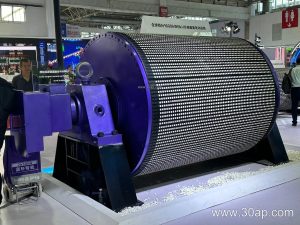
The same fabricated support is sometimes called a custom roller bracket or a made-to-order idler bracket. These names describe the same item; they are not a different product category. Drive pulleys, tail pulleys and bend pulleys are separate components and are never interchangeable with a bracket.
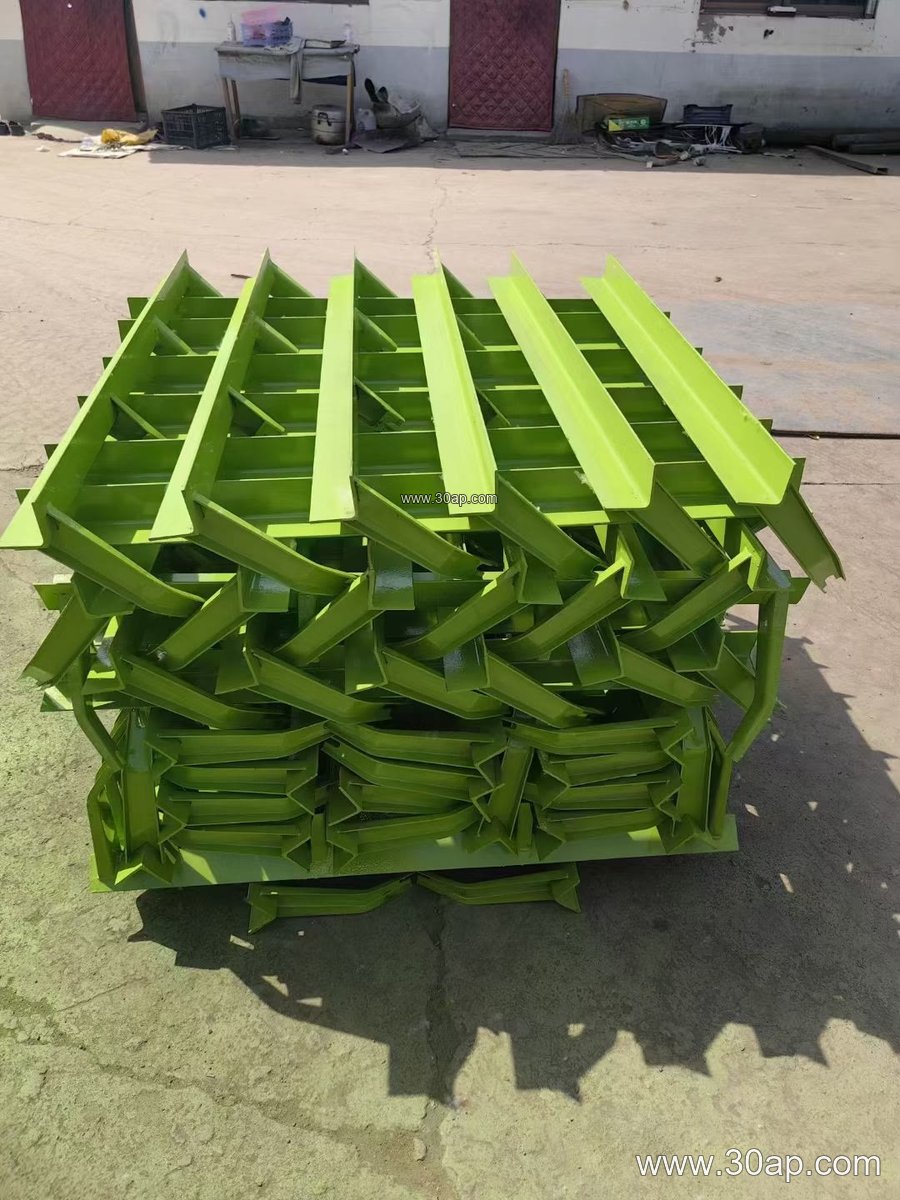
How the Bracket Is Built
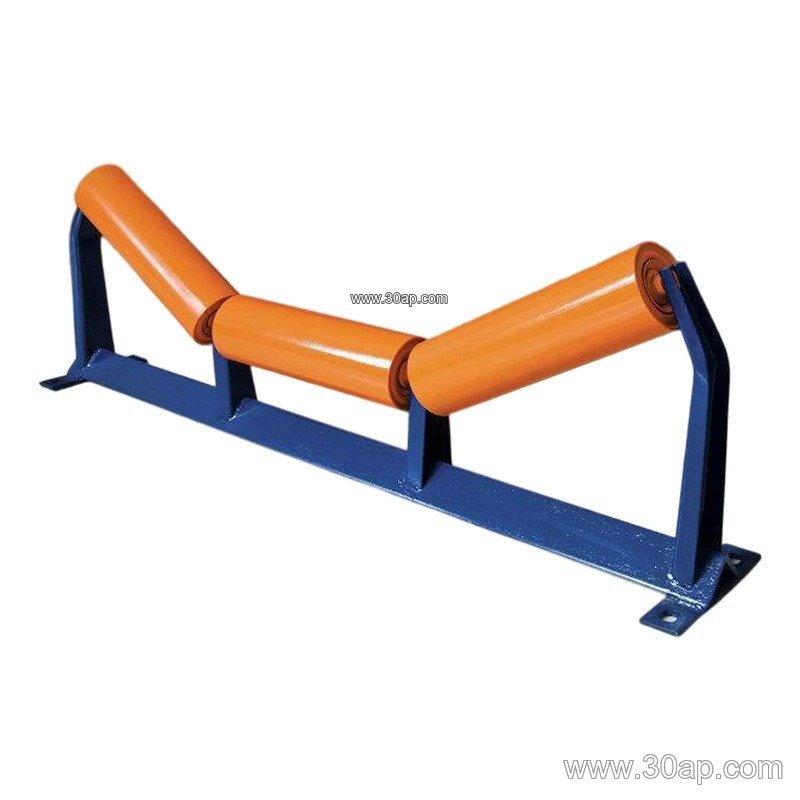
Most units are welded or bolted assemblies made from angle steel, channel steel, or folded steel plate. A typical troughing bracket carries three rollers in a fixed or adjustable trough angle, while a return bracket supports a single roller or a V-shaped return set. The fabrication details matter more than the steel grade on paper: slot positions, weld quality, squareness of the roller seats, and the corrosion protection applied before dispatch.
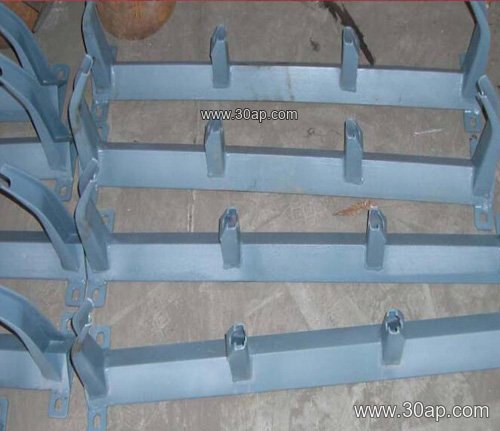
- Material: angle steel, channel steel, folded plate
- Trough angles commonly 20, 30, 35 or 45 degrees
- Adjustable versions allow the angle to be changed on site
- Forward tilt around 1.5 to 2 degrees where belt training needs it
- Hole spacing and beam length set by belt width and frame design
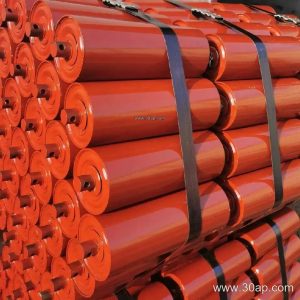
Roller diameters such as Ø89, Ø108, Ø133, Ø159 and Ø194 are usually matched to the belt width and load, but there is no fixed rule that ties one belt width to one roller diameter. A B800 frame may carry Ø108 rollers in one plant and Ø133 in another, depending on tonnage and belt speed.
Matching Brackets to Belt Width and Roller Size
Belt width is the starting point, not the whole answer. A support for a 650mm belt needs a shorter beam than one for a 1400mm belt, and the trough angle changes the geometry of the roller seats again. The table below shows how reference combinations are usually discussed during selection; the values are common examples, not mandatory pairings.
| Belt width | Typical bracket form | Common roller diameter | Common trough angle |
|---|---|---|---|
| B500 | Troughing, return | Ø89 | 20–30 degrees |
| B650 | Troughing, transition | Ø89–Ø108 | 30 degrees |
| B800 | Troughing, impact | Ø108–Ø133 | 30–35 degrees |
| B1000 | Troughing, self-aligning | Ø108–Ø133 | 35 degrees |
| B1200 | Troughing, V-return | Ø133–Ø159 | 35–45 degrees |
| B1400 | Troughing, transition | Ø133–Ø159 | 35–45 degrees |
| B1600 | Heavy troughing, impact | Ø159–Ø194 | 35–45 degrees |
| B1800–B2200 | Wide troughing, special frames | Ø159–Ø194 | 35–45 degrees |
An adjustable bracket is useful where the same frame line runs different products, or where belt training needs fine tuning after commissioning. Fixed brackets are simpler and cheaper but leave no room for correction. Neither is universally better.
Where These Supports Are Used
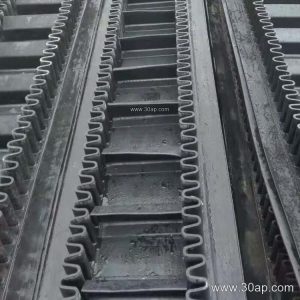
You will find them in a limestone quarry feeding a crusher, in a coal washing plant where fines and moisture attack steel, and along belt lines that carry abrasive ore. They also appear at power plant coal handling systems and in aggregate yards where a crusher conveyor belt runs at high tonnage. In these settings the bracket works together with the conveyor belt, idler roller and conveyor pulley to keep the line tracking and to spread load evenly.
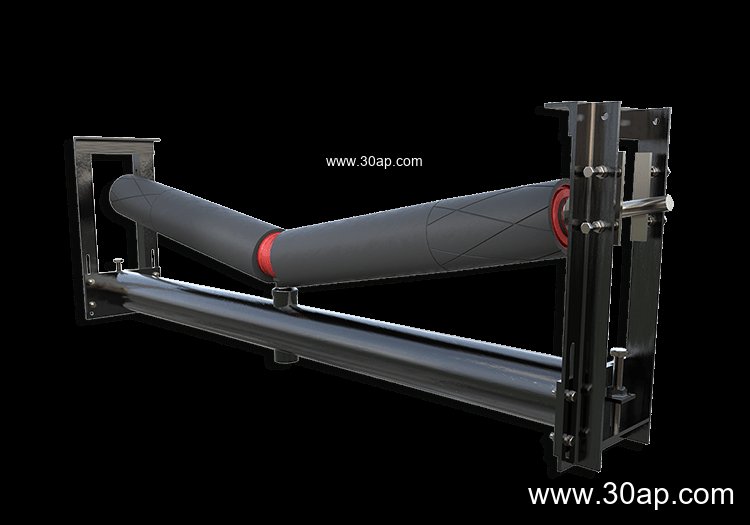
Heavy-duty mining conveyor belt installations often specify thicker frames and wider roller seats, while a food grade conveyor belt line may need stainless or coated brackets to suit washdown. The bracket itself does not decide belt selection, but it must suit the belt and roller it carries. On a line running an EP conveyor belt or a steel cord conveyor belt, the bracket spacing and roller diameter are normally confirmed against the belt tension and load, not guessed.
Buyer Checklist Before Ordering
- Belt width and frame stringer spacing, measured on site
- Roller diameter and the exact hole centres required
- Trough angle, fixed or adjustable
- Mounting method: bolted, welded or clamped
- Surface protection for the environment, such as wet coal or dusty cement
- Quantity per line and any spare sets for planned shutdowns
Ask for a drawing before fabrication. A bracket that is 10mm out on hole centres can stop a whole conveyor line, and correcting it after delivery costs far more than checking the frame drawing first. For a smooth-running line, the custom conveyor bracket is a small part that earns its place every shift.