What an Idler Bearing Does on a Conveyor
An idler bearing is the small rolling element inside each idler roller that lets the roller shell spin freely under the conveyor belt. It carries radial loads from the belt and material, keeps friction low, and helps the belt track smoothly. In a quarry or sand and gravel line, a failed idler bearing can stop a whole transfer point, so understanding how it is built and selected matters.
Construction and Common Bearing Sizes
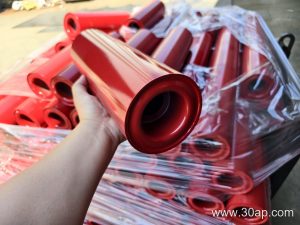
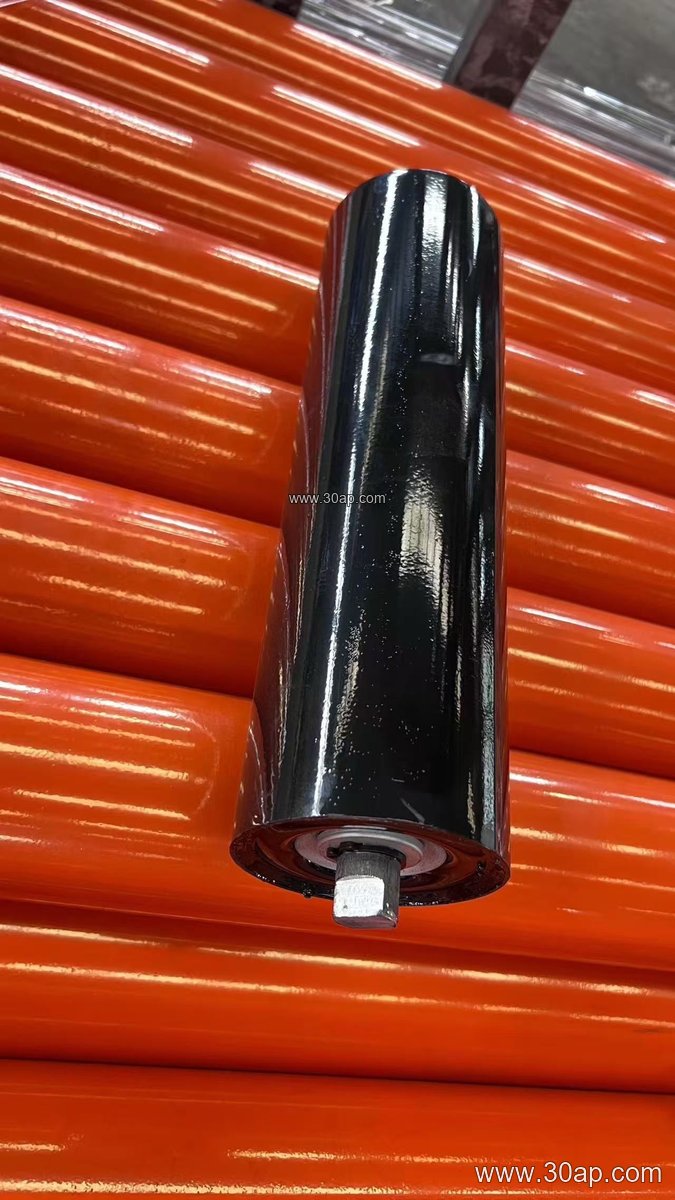
Most idler bearings are deep-groove ball bearings, protected by seals or shields. The bearing sits in a housing at each end of the roller, often with a labyrinth seal or felt seal to keep out dust and water. Common bearing numbers include 6204, 6205, 6305, 6306, 6308, and 6310. These are not tied to one roller diameter; a Ø89 roller and a Ø133 roller may use different bearings depending on load and speed. The roller shell material also affects bearing life: steel, nylon, ceramic, and rubber-disc rollers each behave differently under impact and abrasion.
Where Idler Bearings Are Used
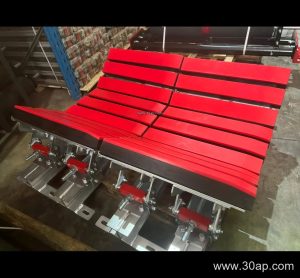
Idler bearings appear in carrying idlers, return idlers, impact idlers, and self-aligning idlers. In a coal mining conveyor or a power plant coal handling system, they run under heavy loads and must resist fine dust. In a cement plant or limestone quarry, abrasive dust is the main enemy. On a port conveyor handling bulk material, moisture and salt air can attack seals. The bearing itself is the same basic component, but the seal, grease, and housing design change with the duty.
Matching Bearings to Roller and Belt Width
Bearing choice follows the idler diameter, shaft size, belt speed, and load. Roller diameters commonly range from Ø63 to Ø219, and belt widths from B400 to B2400. A wider belt such as B1200 or B1400 usually carries more material, so the idler bearing must handle higher radial load. The table below shows common reference points, not fixed rules.
| Roller diameter (mm) | Common bearing | Typical belt width range |
|---|---|---|
| Ø63–Ø89 | 6204, 6205 | B400–B800 |
| Ø102–Ø133 | 6305, 6306 | B650–B1400 |
| Ø159–Ø219 | 6308, 6310 | B1000–B2400 |
These pairings are examples only. A B800 belt may use a Ø89 roller with 6205 bearings on a light-duty line, while a B800 crusher conveyor might use a Ø133 roller with 6306 bearings for impact. Always confirm shaft diameter and load rating with the idler manufacturer.
Sealing and Lubrication Matter
The best bearing fails early if dust enters. In a stone crushing plant or aggregate conveyor, a triple-labyrinth seal is often preferred. In a fertilizer or grain facility, chemical resistance and cleanability may matter more. Grease type should match temperature: a heat resistant conveyor belt in a sinter plant may expose idlers to radiant heat, so high-temperature grease helps. Never mix incompatible greases, and follow the idler maker’s relubrication interval if the bearing is greaseable.
Buyer Checklist
- Confirm roller diameter and shaft size before ordering bearings.
- Check the seal type for your dust and moisture conditions.
- Match bearing load rating to belt width and material weight.
- Consider the conveyor belt type: an abrasion resistant conveyor belt may carry sharp rock that increases vibration and bearing load.
- Ask for bearing brand and clearance class if the line runs continuously.
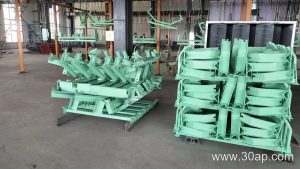
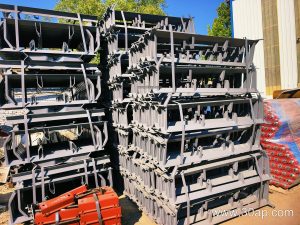
For more on idler rollers, conveyor pulleys, and conveyor brackets, visit example.com/idler-bearing. A well-chosen idler bearing keeps the belt moving and the plant running.