What Drives Conveyor Idler Price
When maintainers at a quarry, cement plant, or coal yard ask about conveyor idler price, the answer rarely fits in a single figure. An idler roller is a small assembly, yet its cost depends on shell material, bearing class, sealing arrangement, roll diameter, and how many pieces a troughing set contains. A three-roll 35-degree troughing station for a 1200 mm belt will not carry the same price tag as a single return roll for a 650 mm line. Buyers comparing quotes should look at the full specification behind each number rather than the shortest lead time alone.
How an Idler Is Built and Why the Build Matters
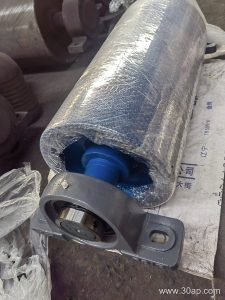
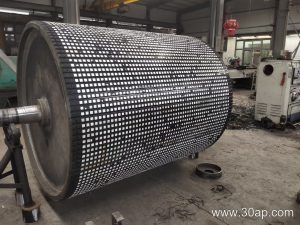
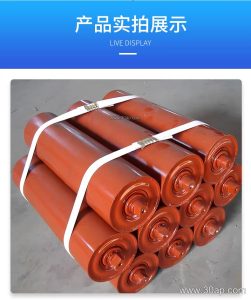
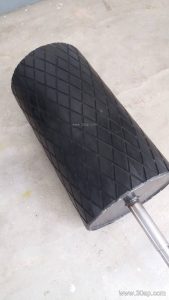
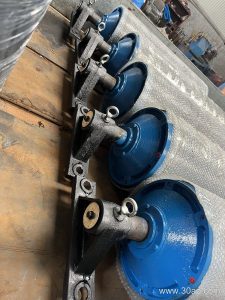
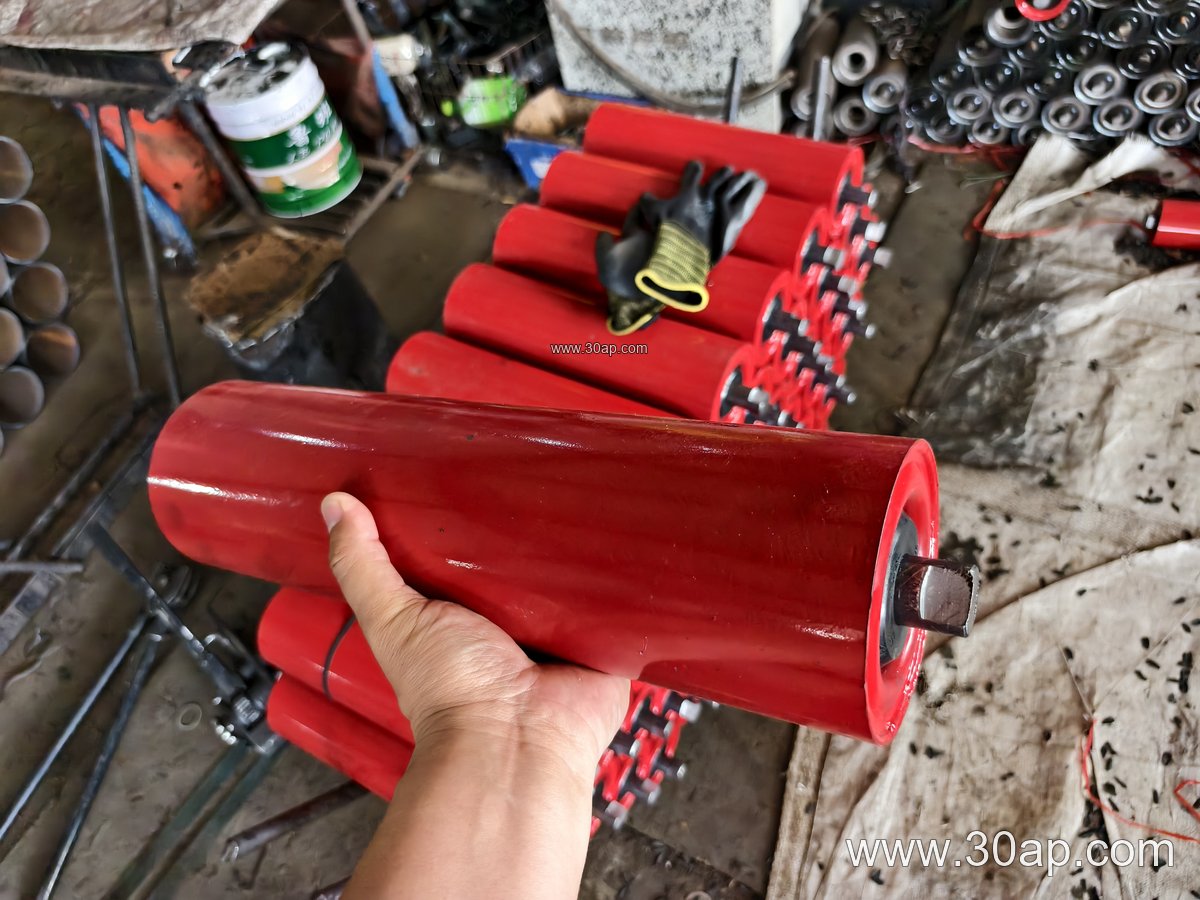
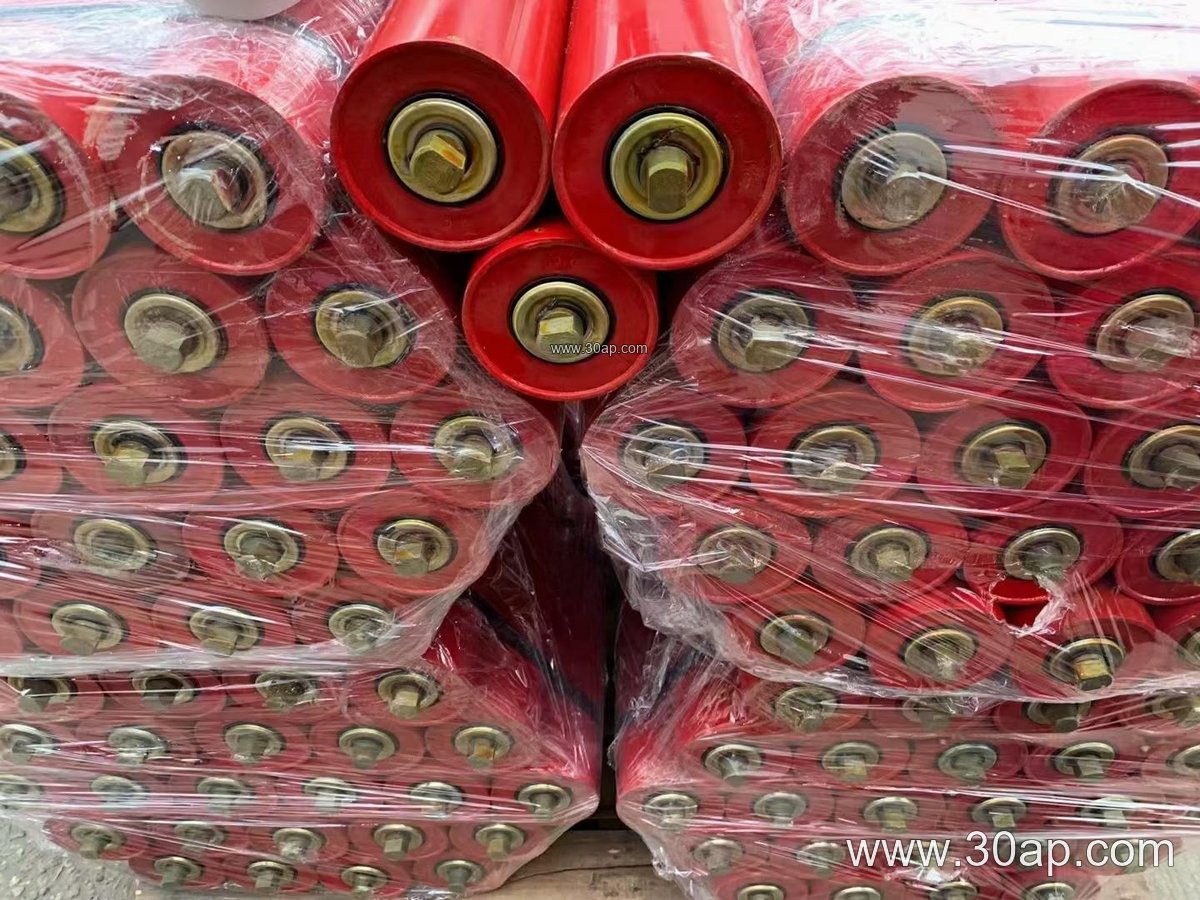
A typical idler roller is a steel tube with pressed end caps, a shaft, bearing housings, and a sealing system. The roller surface may be plain steel, nylon-coated, ceramic-covered, or fitted with rubber rings for impact absorption. Bearings such as 6204, 6205, 6305, 6308, or 6310 appear across different roll sizes, and no single bearing number belongs to one diameter only. The seal design separates dust from the bearing cavity, and in a stone crushing line or a power plant coal handling system that detail often explains a price gap between two otherwise similar rolls.
Common Roller Diameters and Belt Widths
Roll diameters usually run from about Ø63 mm up to Ø219 mm, while belt widths commonly range from B400 to B2400. A small B500 conveyor may use Ø76 or Ø89 rolls, and a heavy B1800 line may call for Ø159 or Ø178. These are reference examples, not fixed rules. The idler length also changes with belt width and trough angle. For a three-roll troughing set, common roll lengths are roughly 200 mm for B500, 250 mm for B650, 315 mm for B800, 380 mm for B1000, 465 mm for B1200, 530 mm for B1400, 600 mm for B1600, and 670 mm for B1800. Side rolls and center rolls can differ, so the drawing or station layout should be confirmed before ordering.
Where Idlers Sit on the Conveyor
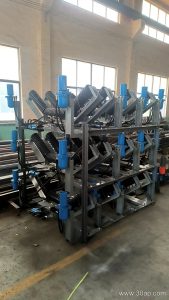
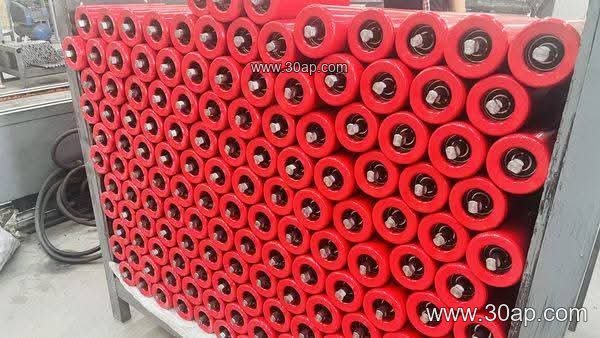
Troughing idlers support the loaded side of the conveyor belt, and return idlers carry the empty strand. Transition idlers ease the belt from flat to troughed profile, while impact idlers with rubber rings absorb shock at transfer points. Self-aligning idlers help correct belt tracking on long overland runs or in tunnels. A conveyor pulley at the drive or tail end is a separate component, and a bend pulley is not a substitute for an idler. Buyers should keep this distinction clear when reviewing a quotation that lists rollers, pulleys, and conveyor brackets together.
Applications That Influence Selection
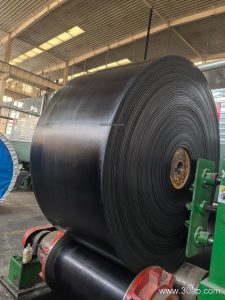
In an iron ore or copper ore operation, abrasive dust and heavy loads push buyers toward thicker shells and robust seals. A coal mining conveyor may require flame retardant and anti-static properties in the belt, while the idlers themselves must handle fines and moisture. Cement plants and aggregate lines often accept standard steel rolls, but a fertilizer or food-grade facility may need different surface treatment. Port ship loading systems and steel plant sinter lines add their own duty cycles. The conveyor belt type, whether an EP conveyor belt, NN conveyor belt, or steel cord conveyor belt, affects the load per idler and therefore the specification and price.
Buyer Checklist Before Comparing Prices
- Confirm roll diameter, wall thickness, and shaft diameter from the conveyor drawing.
- State the belt width and trough angle, and whether the set is two-roll or three-roll.
- Specify bearing class and seal type for dusty or wet conditions.
- Note whether rubber rings, ceramic sleeves, or nylon covers are needed.
- Ask for the applicable conveyor bracket dimensions so the station fits the frame.
- Check that the offer separates idler rollers from conveyor pulleys and other equipment.
At www.sdtopv.com, buyers can review roller and belt data before requesting a quotation. A well-defined specification for a conveyor idler price comparison saves time and avoids mismatched parts on site.