What a High-Strength Pulley Is
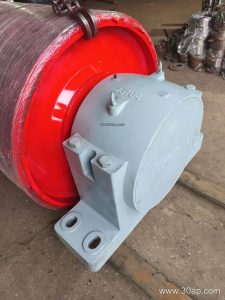
A High-Strength Pulley is a heavy-duty conveyor pulley engineered to carry high belt tensions and shock loads without premature fatigue. Often referred to as a heavy-duty conveyor pulley, it serves as the rotating drum that drives, tensions, or redirects the conveyor belt. Unlike standard pulleys, this class uses thicker shells, reinforced end discs, and larger shafts to handle the stress found in primary crushing circuits, long overland lines, and high-tonnage bulk handling.
Construction and Key Components
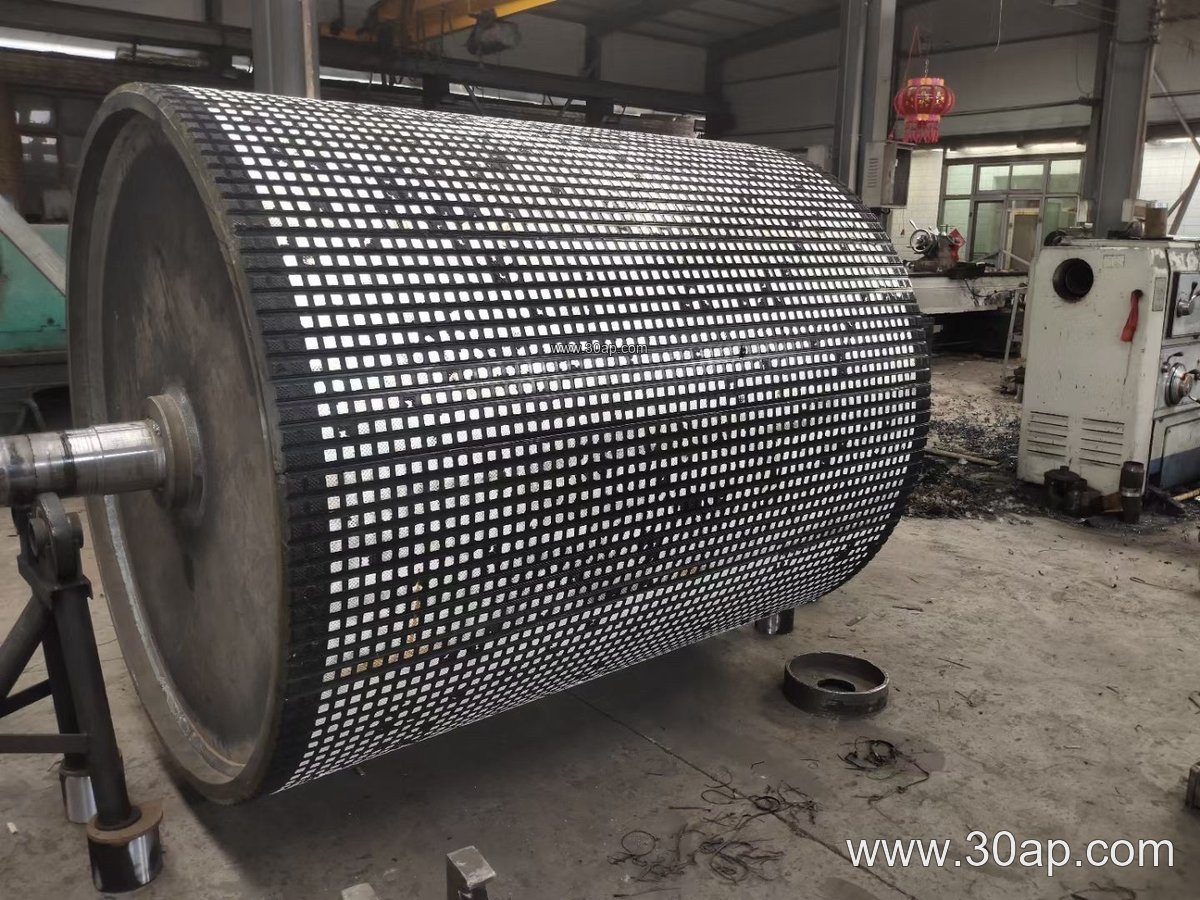
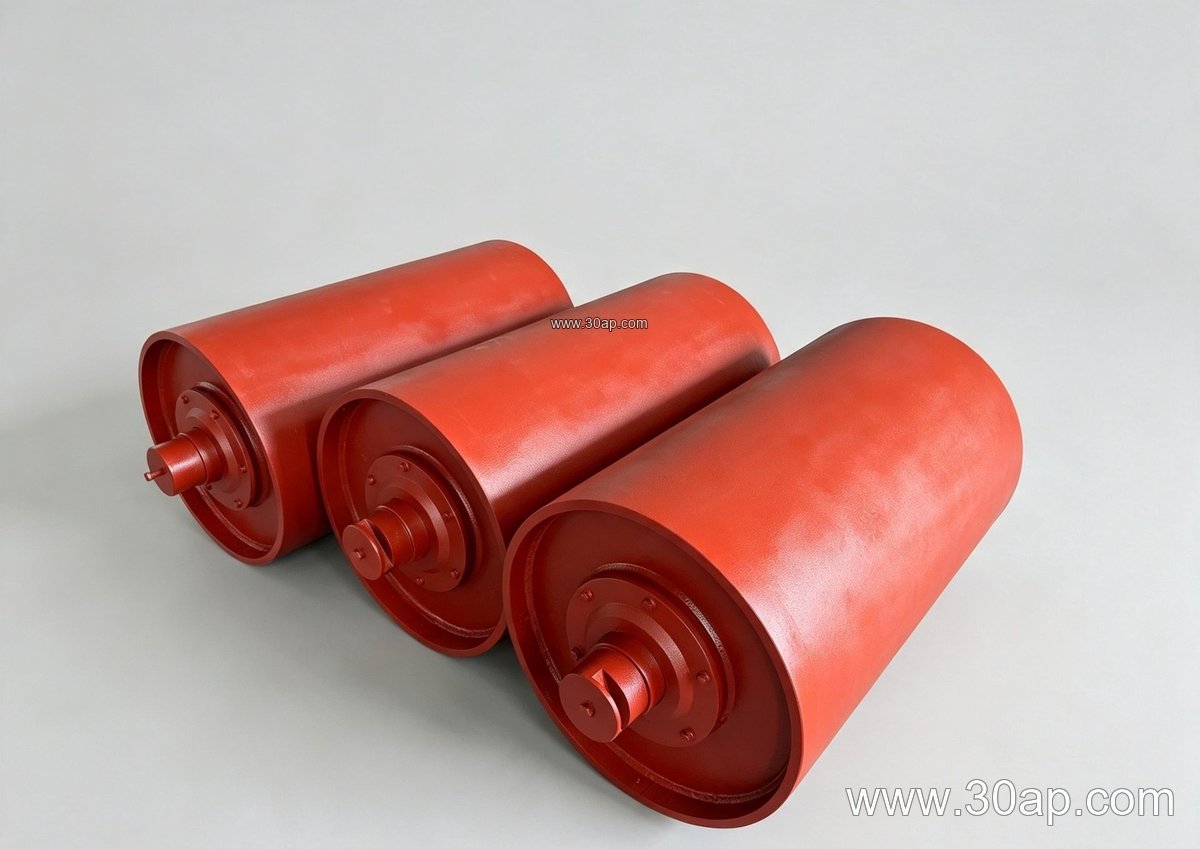
The core is a rolled steel shell, typically machined for balance and fitted with welded or bolted end discs. Shafts are sized by torque and bending load, not by belt width alone; common shaft diameters range from Ø50 to Ø200 mm depending on the duty. Bearings are selected for the resultant radial load, and the pulley face width usually exceeds the belt width to prevent edge damage. For example, a B1200 belt may run on a pulley face of about 1400 mm. Surface options include plain, cast rubber, cold-bonded rubber, hot-vulcanized rubber, diamond grooving, chevron grooving, and ceramic lagging, with lagging thicknesses commonly 8, 10, 12, 15, or 20 mm.
Where It Fits in the Conveyor
Drive pulleys transmit motion and are often the largest diameter in the system, while tail pulleys handle belt return and bend pulleys change direction. A High-Strength Pulley can be specified for any of these positions when tensions are high. In a limestone quarry, a drive pulley at the head end may need a Ø1000 mm shell with B1400 face width to match a 1400 mm belt. In a coal preparation plant, a tail pulley with diamond lagging helps shed fines and maintain tracking. The same pulley family also appears in cement clinker lines, power plant coal handling, and port bulk terminals.
Matching the Pulley to the Belt and Duty
Selection starts with the conveyor belt type and tension. A steel cord conveyor belt or a high-strength fabric core belt such as EP1000 or NN300 will transfer higher loads to the pulley, so the shaft, bearings, and lagging must be rated accordingly. Abrasion resistant conveyor belts in a crusher discharge require ceramic or thick rubber lagging to resist wear. Heat resistant conveyor belts near a kiln discharge call for heat-tolerant lagging compounds. The pulley diameter should be large enough to limit belt bending stress, but no single diameter is mandatory for a given belt width; B800 may work with Ø500 in one layout and Ø630 in another. Face width, lagging pattern, and shaft size are all design decisions, not catalog defaults.
Buyer Checklist
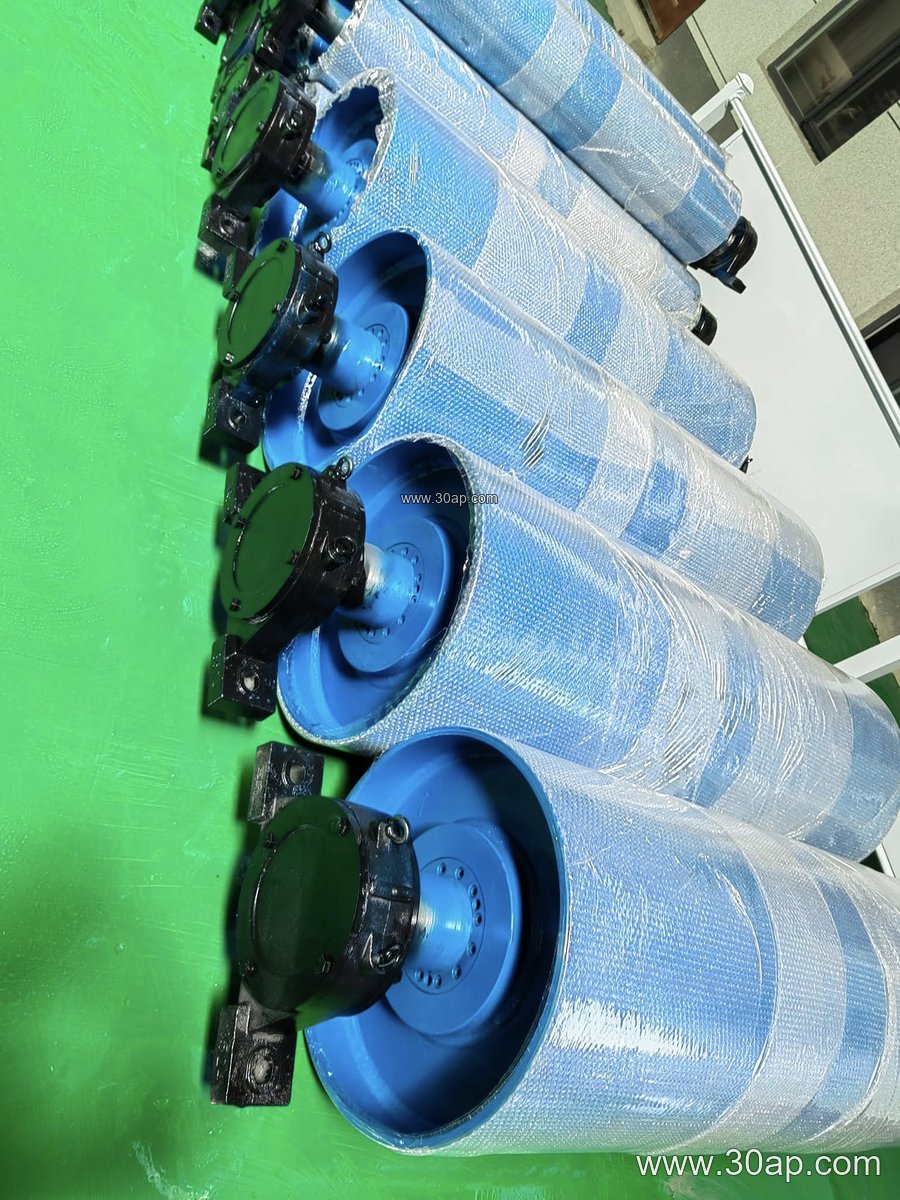
- Confirm the actual belt tension and starting torque, not just the motor power.
- Specify the pulley position: drive, tail, bend, take-up, or snub.
- State the conveyor belt width and required face width separately.
- Choose lagging by material: plain for clean dry belts, diamond or chevron for wet or dusty service, ceramic for high abrasion.
- Ask for the shaft diameter calculation basis; do not assume a fixed shaft size from belt width.
- Check bearing type and lubrication method for the planned maintenance schedule.
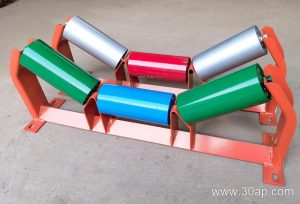
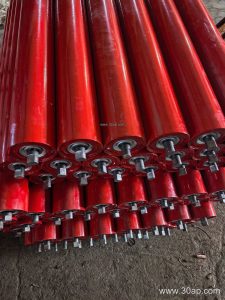
Related components such as the idler roller, conveyor bracket, and conveyor belt interface should be reviewed together so the pulley does not become the weak point. A High-Strength Pulley is only as good as its integration with the rest of the conveyor.
Maintenance Notes
Inspect lagging wear at each shutdown, check bolt torque on bolted end discs, and monitor bearing temperature. In dusty environments such as a sand and gravel plant, keep the pulley face clean to avoid material buildup that causes belt misalignment. Store spare pulleys on a flat surface with shaft protection to prevent bending. When replacing a pulley, verify that the new unit matches the original face width, shaft keyway, and bearing center distance.
For more information on conveyor components, visit our site at www.example.com/high-strength-pulley or search for high-strength pulley, conveyor pulley, and conveyor belt to find compatible parts.