What Conveyor Bracket Fabrication Involves
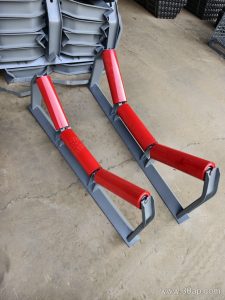
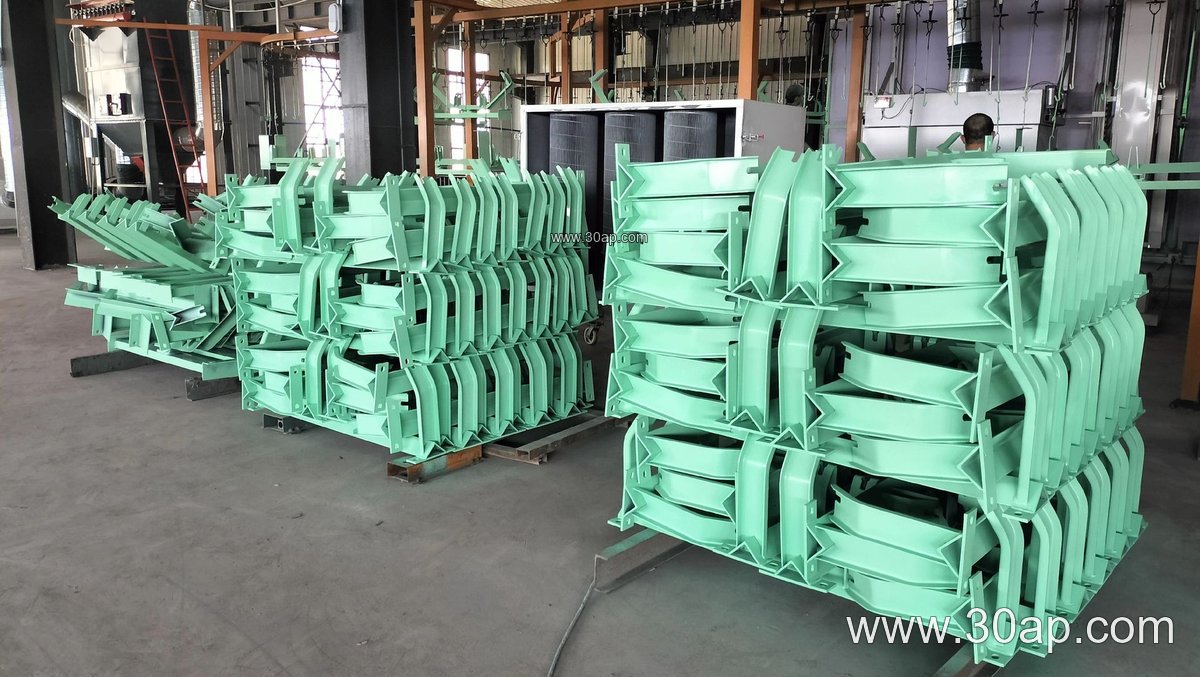
Conveyor bracket fabrication is the process of cutting, bending, welding, and finishing the structural components that hold and position conveyor rollers and pulleys. These brackets, often called conveyor support brackets or roller brackets, form the backbone of the idler assembly, keeping the belt properly aligned and supported along the entire conveyor route. In a quarry or a cement plant, a well-fabricated bracket set can mean the difference between steady material flow and constant belt misalignment.
Fabrication starts with raw steel. Common materials include angle iron, channel steel, and bent steel plate. The choice depends on the load, the belt width, and the environment. For a B1200 conveyor carrying heavy aggregate, a fabricator might use 8 mm bent plate for the main frame, while a smaller B650 line in a sand and gravel operation could use lighter angle steel. The goal is a rigid, square structure that holds rollers at the correct trough angle without flexing under load.
Key Structural Elements and Build Details
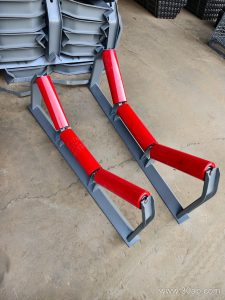
A typical fabricated bracket assembly consists of a crossbeam, end brackets, and mounting plates. The crossbeam supports the idler roller and must be straight and strong. End brackets attach the assembly to the conveyor stringer. Mounting holes are drilled or punched to match the roller shaft diameter, whether that is Ø89, Ø108, Ø133, or Ø159. Hole spacing and beam length are not fixed; they change with belt width and trough angle, so each fabrication job is usually made to order.
Welding quality matters. Poor welds can crack under vibration, especially in a coal mining conveyor or a primary crusher discharge point. After welding, brackets are often cleaned and painted or galvanized to resist corrosion. In dusty environments like a power plant coal yard, a simple primer coat helps extend service life.
Trough Angle and Roller Diameter Considerations
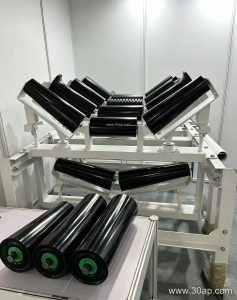
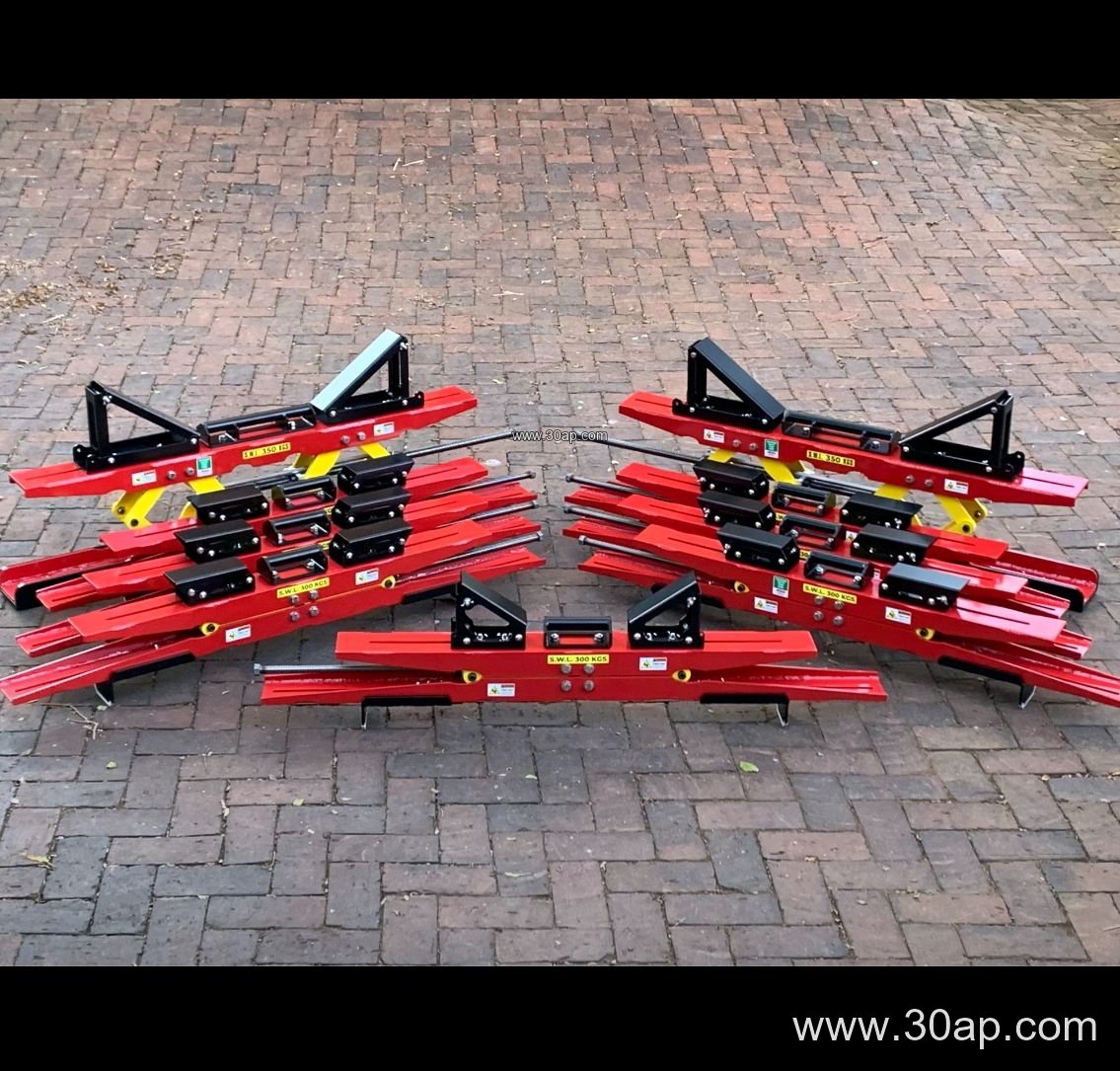
The trough angle determines how deeply the belt sits in the idler set. Common angles are 20, 30, 35, and 45 degrees. A 35-degree trough is widely used for bulk materials, while a 45-degree angle suits higher capacities. Adjustable brackets allow the maintenance team to change the trough angle on site, which is useful when belt loading conditions vary. Fixed brackets are simpler and more rigid but offer no adjustment.
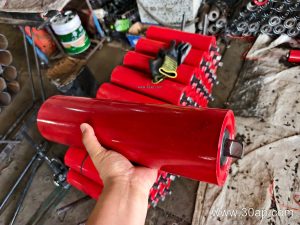
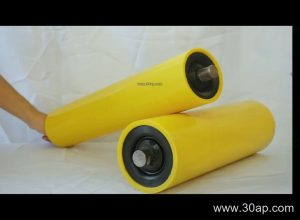
Roller diameter must match the bracket design. A B800 conveyor with a 35-degree trough might use Ø108 rollers, while a B1400 line could use Ø133 or Ø159. There is no universal rule that a given belt width requires one specific roller diameter. The bracket fabrication should follow the roller manufacturer’s shaft and mounting dimensions, not the other way around.
Applications Across Industries
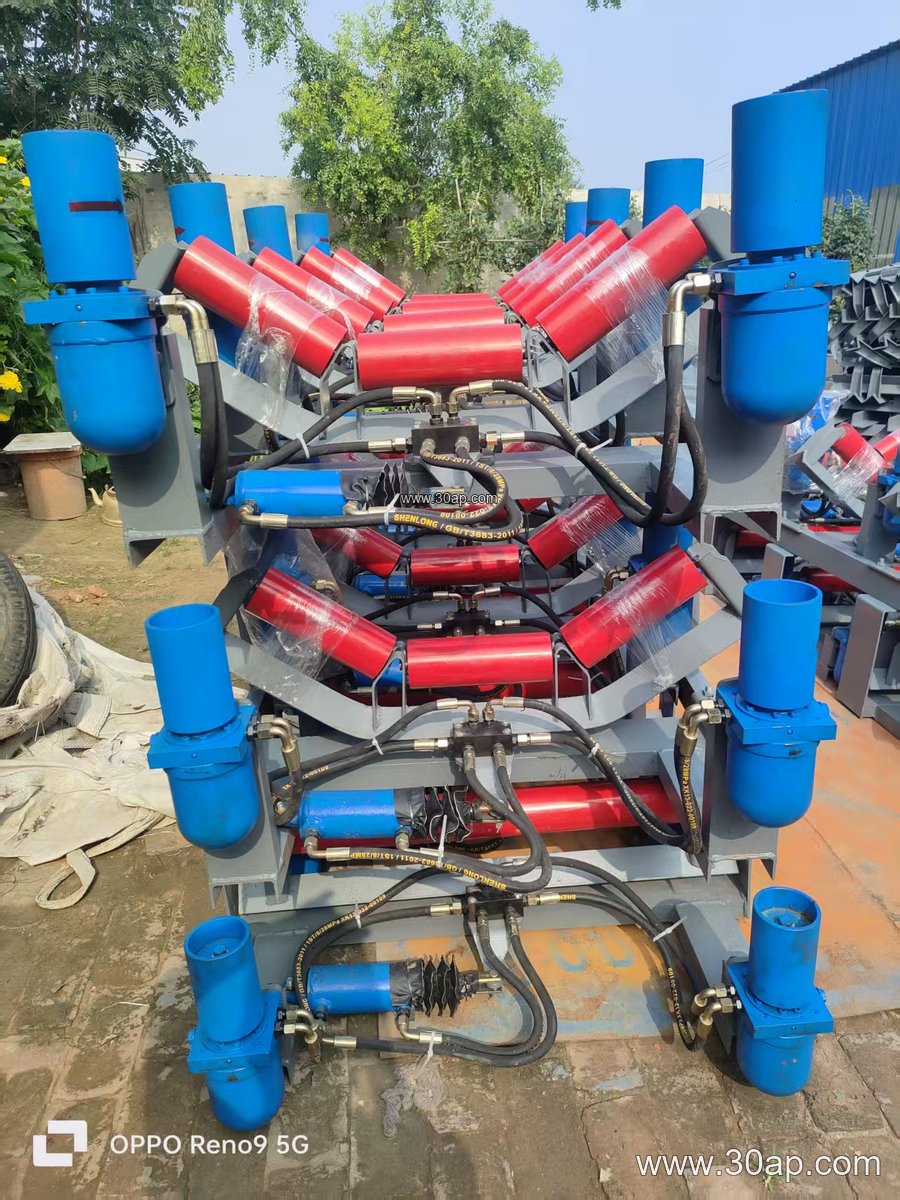
Fabricated conveyor brackets appear wherever bulk material moves on a belt. In an iron ore mine, heavy-duty brackets support impact rollers at transfer points. In a limestone quarry, troughing brackets keep the belt centered through long inclines. Cement plants use them on clinker and raw meal conveyors. Port terminals rely on sturdy bracket sets for ship loading conveyors. Even a small recycling line uses fabricated brackets to hold return rollers and keep the belt tracking.
For abrasive materials, the brackets must resist dust and grit. For a coal mining conveyor, flame retardant properties may be relevant for the belt, but the steel bracket itself mainly needs strength and corrosion resistance. In a fertilizer plant, acid-resistant coatings on brackets can help, though the belt might be a chemical resistant conveyor belt. The bracket and the belt work as a system.
Buyer Checklist for Bracket Fabrication
- Confirm belt width (e.g., B500, B650, B800, B1000, B1200, B1400, B1600, B1800, B2000) and the required trough angle.
- Specify roller shaft diameter and mounting hole spacing, or provide the roller drawing.
- State the material and finish: angle steel, channel, or bent plate, with paint or galvanizing.
- Decide between fixed and adjustable brackets, and consider transition or impact bracket needs.
- Check that the fabrication drawing matches the conveyor stringer bolt pattern.
Well-executed conveyor bracket fabrication supports the entire beltline, from the head pulley to the tail pulley. Whether the plant handles EP conveyor belt, steel cord conveyor belt, or a fabric core conveyor belt, the brackets must hold the rollers true. A small investment in accurate fabrication reduces downtime and belt edge damage. For more information on conveyor components, visit www.example.com/conveyor-bracket or www.example.com/roller.