What an Automatic Belt Tracking Idler Does
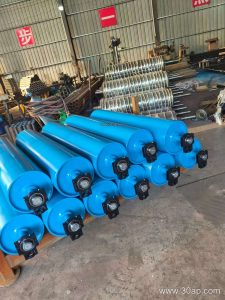
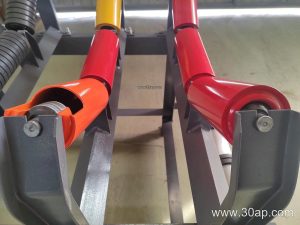
An automatic belt tracking idler is a self-correcting roller assembly mounted on a conveyor to keep the belt centred as it travels. Instead of relying on an operator to adjust a frame, this idler senses a drifting belt through the geometry of its rollers and swings or tilts slightly to guide the belt back. On a long overland line or a short transfer in a cement plant, the goal is the same: reduce edge damage, spillage and downtime caused by a misaligned conveyor belt.
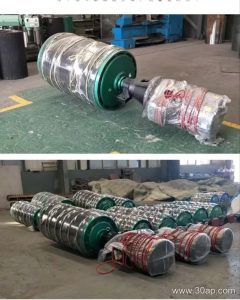
The device is often called a self-aligning idler or self-tracking roller, and these are accurate equivalent names for the same product. It should not be confused with a drive pulley, tail pulley or bend pulley, which transmit power or change belt direction rather than correct tracking.
How the Assembly Is Built
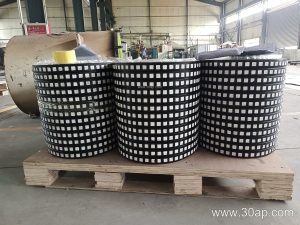
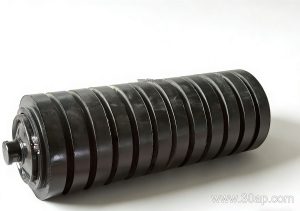
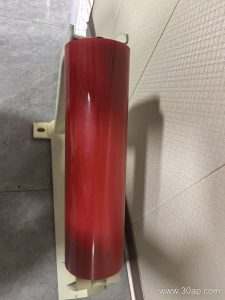
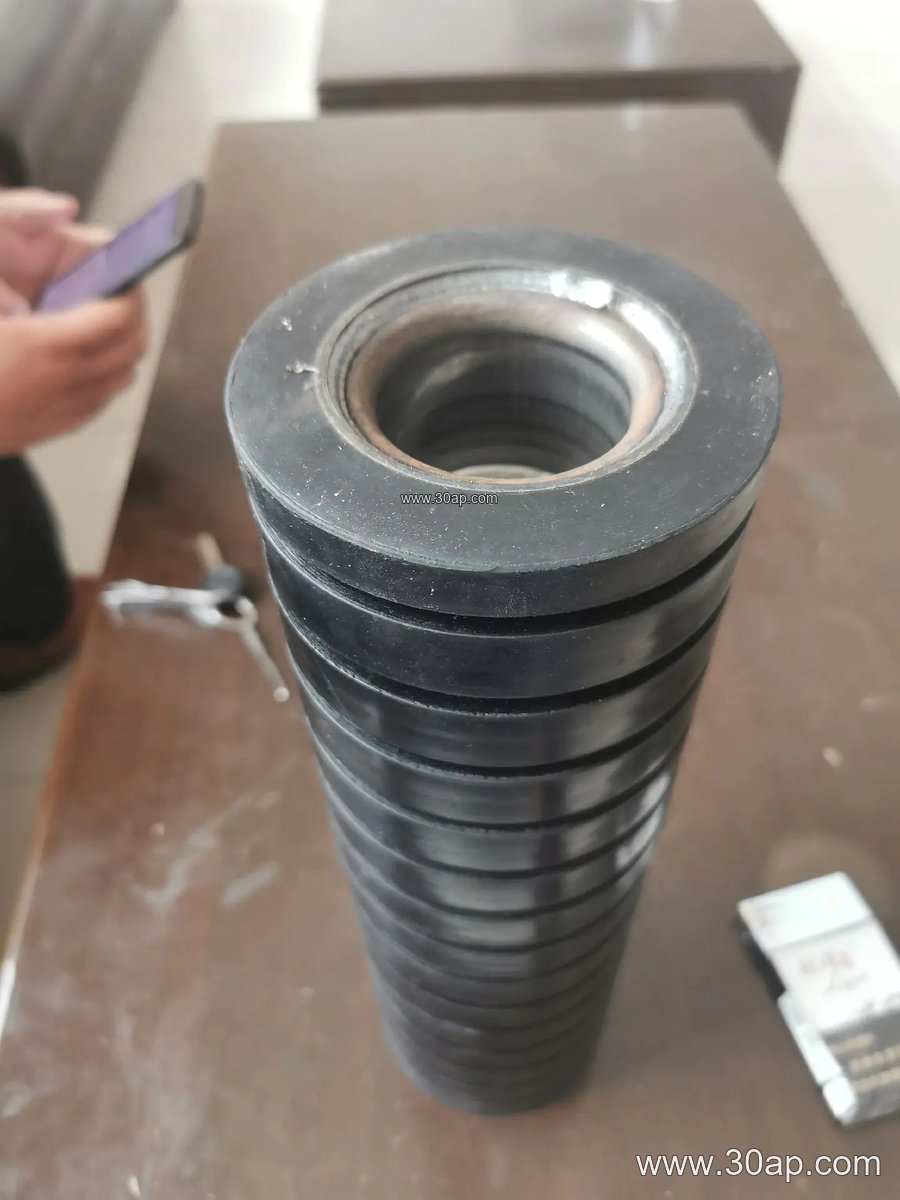
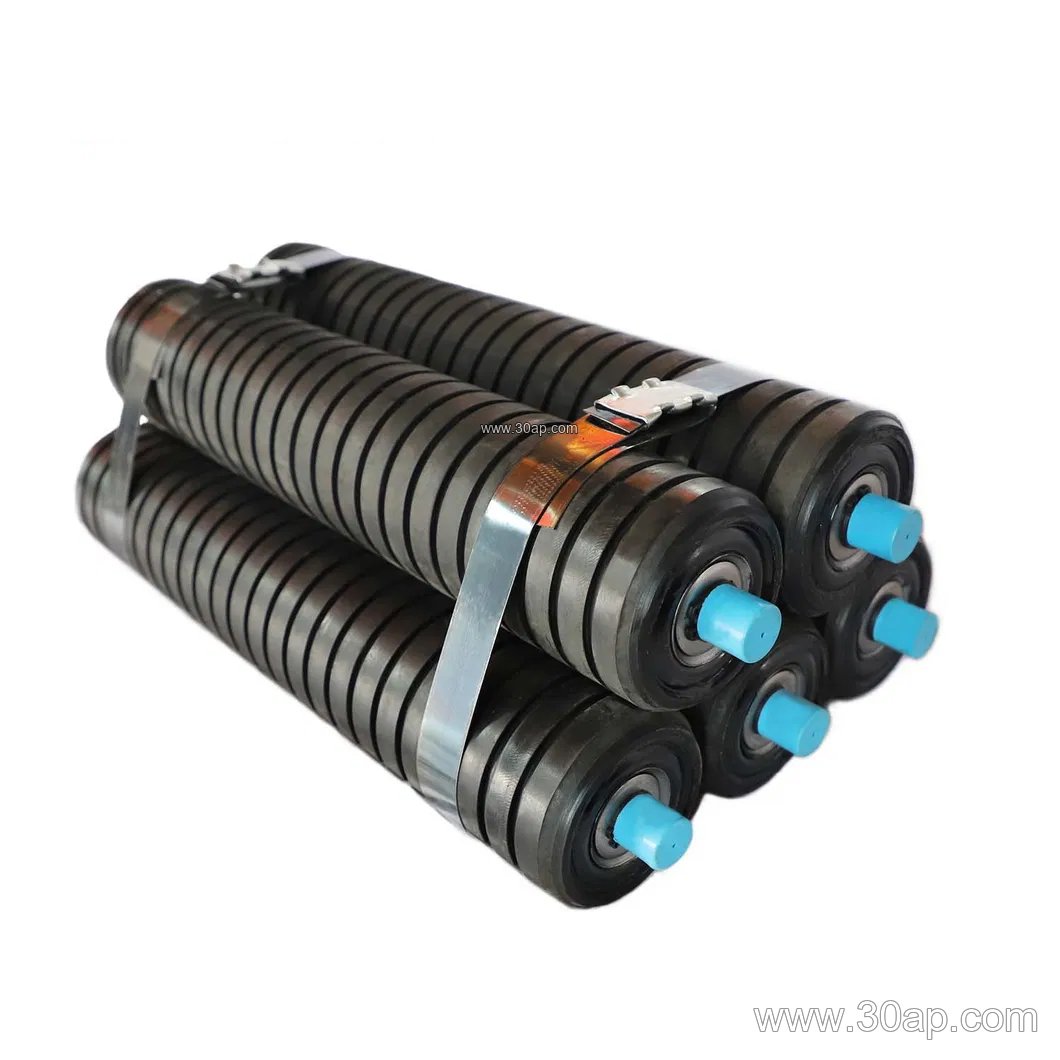
A typical unit combines two or three rollers set in a pivoting frame. The frame rests on a central pivot, and the rollers are usually angled forward by roughly 1.5 to 2 degrees. When the belt touches a side roller, friction pushes the frame to rotate, and the resulting skew steers the belt back toward the centre line. Common roller surfaces include steel tube, nylon, ceramic and rubber rings, and the roller diameter may be Ø89, Ø108, Ø127, Ø133 or larger depending on belt width and load.
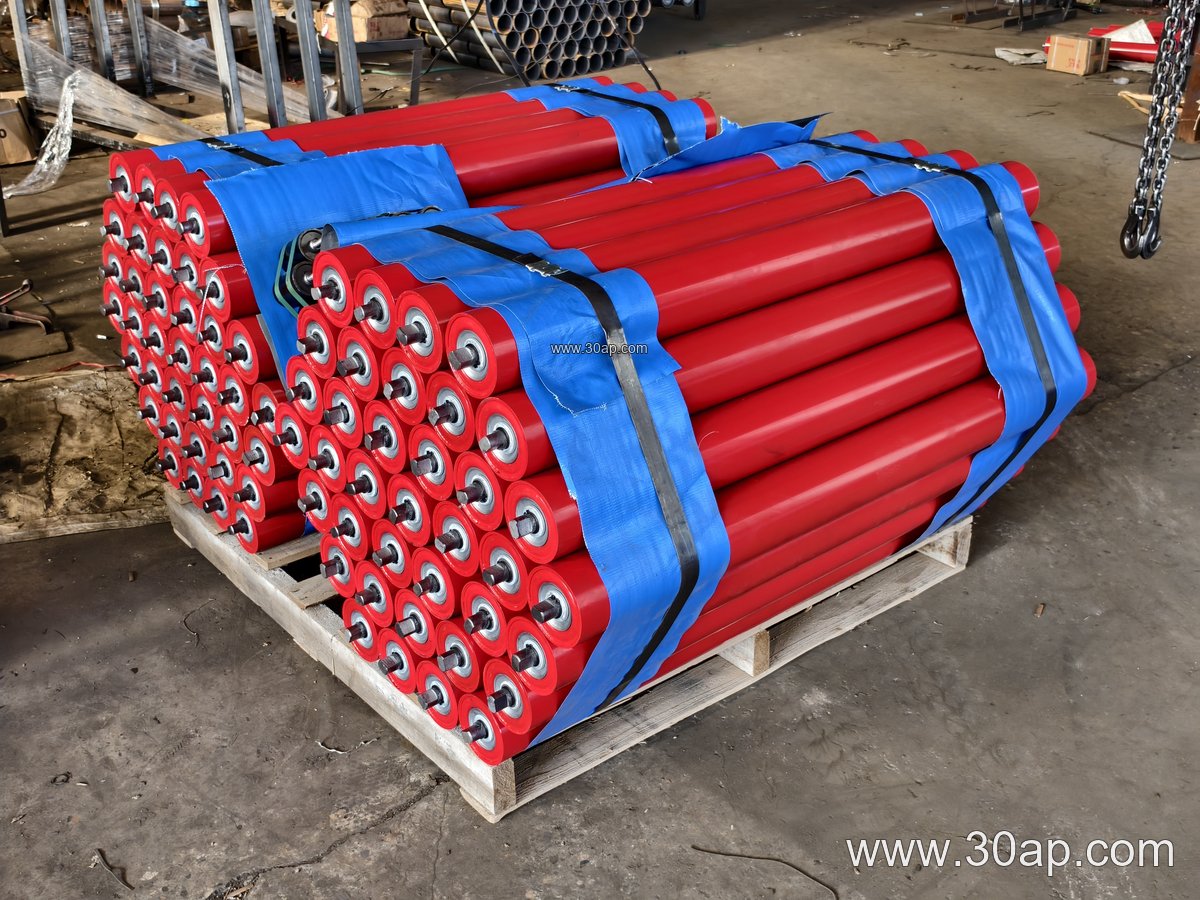
Bearings are commonly 6204, 6205, 6305, 6306 or 6308, sealed against dust and water. The frame is fixed to the conveyor bracket or stringer, so the pivot and mounting height must match the existing structure. A robust seal matters in a quarry or coal handling plant, where fine dust and moisture shorten bearing life.
Where It Fits on the Conveyor
Tracking idlers are usually installed on the carrying side, often just after the loading point and before the head pulley, and sometimes on the return strand. In a coal mining conveyor or a power plant coal yard, a misaligned belt can rub the frame and create a fire risk, so self-aligning rollers are a practical safeguard. In a limestone quarry or aggregate line, they help keep a heavy abrasion resistant conveyor belt running true despite uneven loading from a crusher.
They are also useful on pipe conveyor belt systems and on lines carrying a chevron conveyor belt, where raised cleats can interact with rollers. The same principle applies on a steel cord conveyor belt hauling iron ore, though the idler must be sized for the higher tension and weight.
Common Sizes and Matching to the Belt
Selection starts with belt width and the existing roller diameter. The table below shows typical reference values; actual roller length and diameter are set by the conveyor design, not by a single fixed rule.
| Belt width | Typical three-roll idler roller length (example) | Common roller diameters |
|---|---|---|
| B500 | about 200 mm | Ø63, Ø76, Ø89 |
| B650 | about 250 mm | Ø89, Ø102, Ø108 |
| B800 | about 315 mm | Ø89, Ø108, Ø127 |
| B1000 | about 380 mm | Ø108, Ø127, Ø133 |
| B1200 | about 465 mm | Ø108, Ø133, Ø159 |
| B1400 | about 530 mm | Ø127, Ø159, Ø178 |
| B1600 | about 600 mm | Ø133, Ø159, Ø178 |
| B1800 | about 670 mm | Ø159, Ø178, Ø194 |
Side rollers and centre rollers may differ in length, and trough angles of 20, 30, 35 or 45 degrees change the geometry. A 1200mm wide conveyor belt does not automatically match one pulley diameter or one shaft size; the frame, load and belt speed all matter.
Buyer Notes Before Ordering
- Confirm belt width, trough angle and existing roller diameter so the pivot frame fits the conveyor bracket.
- Check the belt type: a flame retardant conveyor belt in an underground coal mine needs idlers with suitable sealing and, where required, anti-static properties.
- For hot material such as cement clinker, allow clearance and consider heat-resistant roller surfaces.
- Ask for the pivot bearing and seal specification, since these determine service life in dusty plants.
- Plan inspection intervals; a worn pivot or seized roller defeats the self-correcting action.
Used correctly, an automatic belt tracking idler reduces edge wear on an EP conveyor belt or a multi-ply fabric core conveyor belt and keeps material flowing in mines, ports and processing plants. Buyers who match the idler to the belt and frame, rather than to a catalogue number alone, get the longest service life. Learn more about compatible rollers and belts at www.example.com/conveyor-idler and www.example.com/conveyor-belt.