What a Mining Fire Resistant Conveyor Belt Is
A Mining Fire Resistant Conveyor Belt is a heavy-duty belt built to carry coal, ore, aggregate and other bulk materials while limiting the risk of flame spread along the conveyor line. In practice, it is a flame retardant conveyor belt designed for underground and surface mining duty, where sparks, friction heat or electrical faults can create ignition sources. The belt does not make a conveyor fireproof, but it is formulated and constructed to resist ignition and to slow flame propagation, which supports safer evacuation and firefighting response in tunnels, transfer towers and processing plants.
The same product is often called a fire resistant conveyor belt or a mining flame retardant conveyor belt. Those names describe the same belt family, not a different item. Buyers in coal mining, cement, power generation, steel plants and quarry operations should confirm the required flame performance with the belt supplier and the site safety engineer before ordering.
Construction and Materials
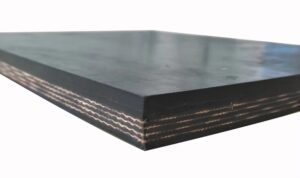
Most belts in this category use a fabric core or a steel cord carcass, covered on both faces with rubber compounds. The carcass carries tension; the covers resist abrasion, impact and heat. Common carcass options include EP conveyor belt fabric (polyester and nylon), NN conveyor belt fabric (nylon and nylon), multi-ply fabric core conveyor belt constructions and steel cord conveyor belt designs for long, high-tension runs. Cover compounds are adjusted for flame resistance, anti-static behavior and, where needed, oil or heat exposure.
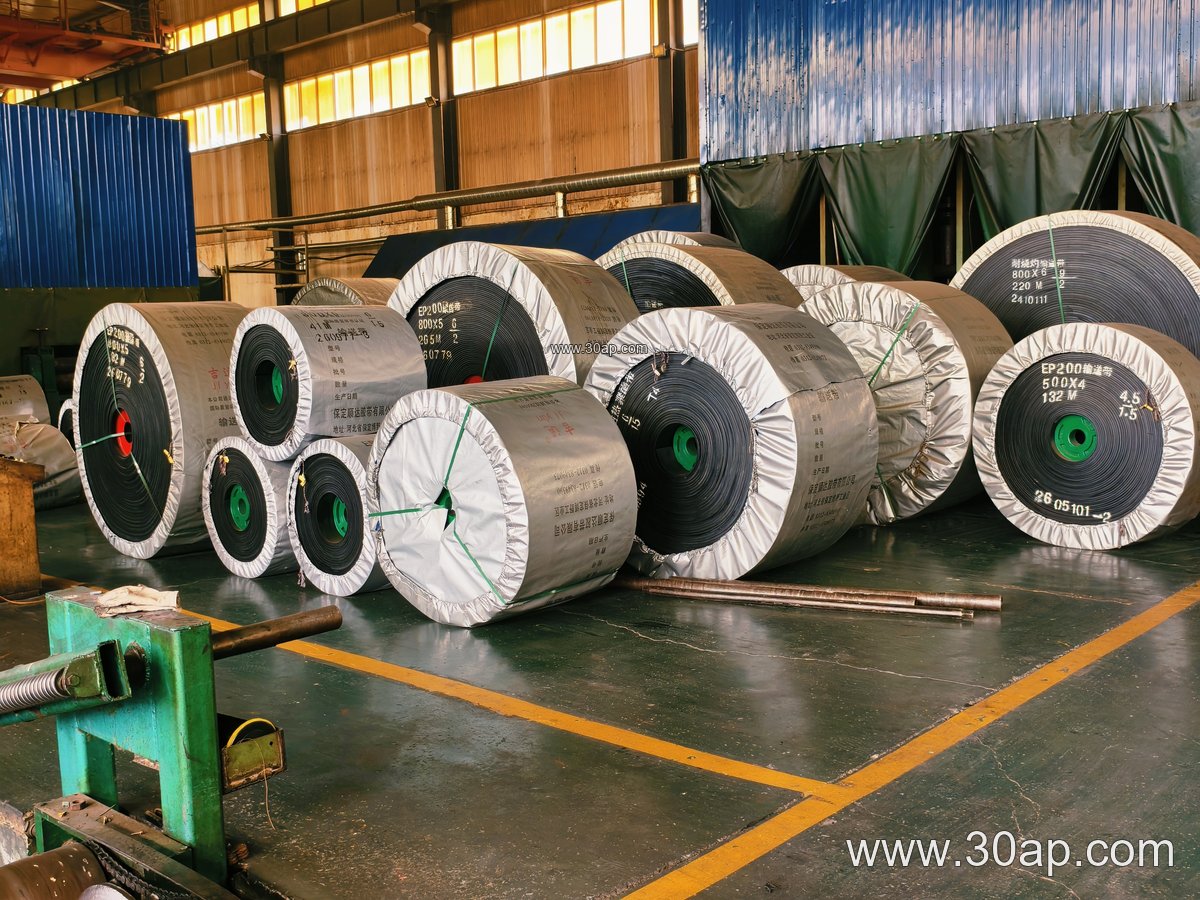
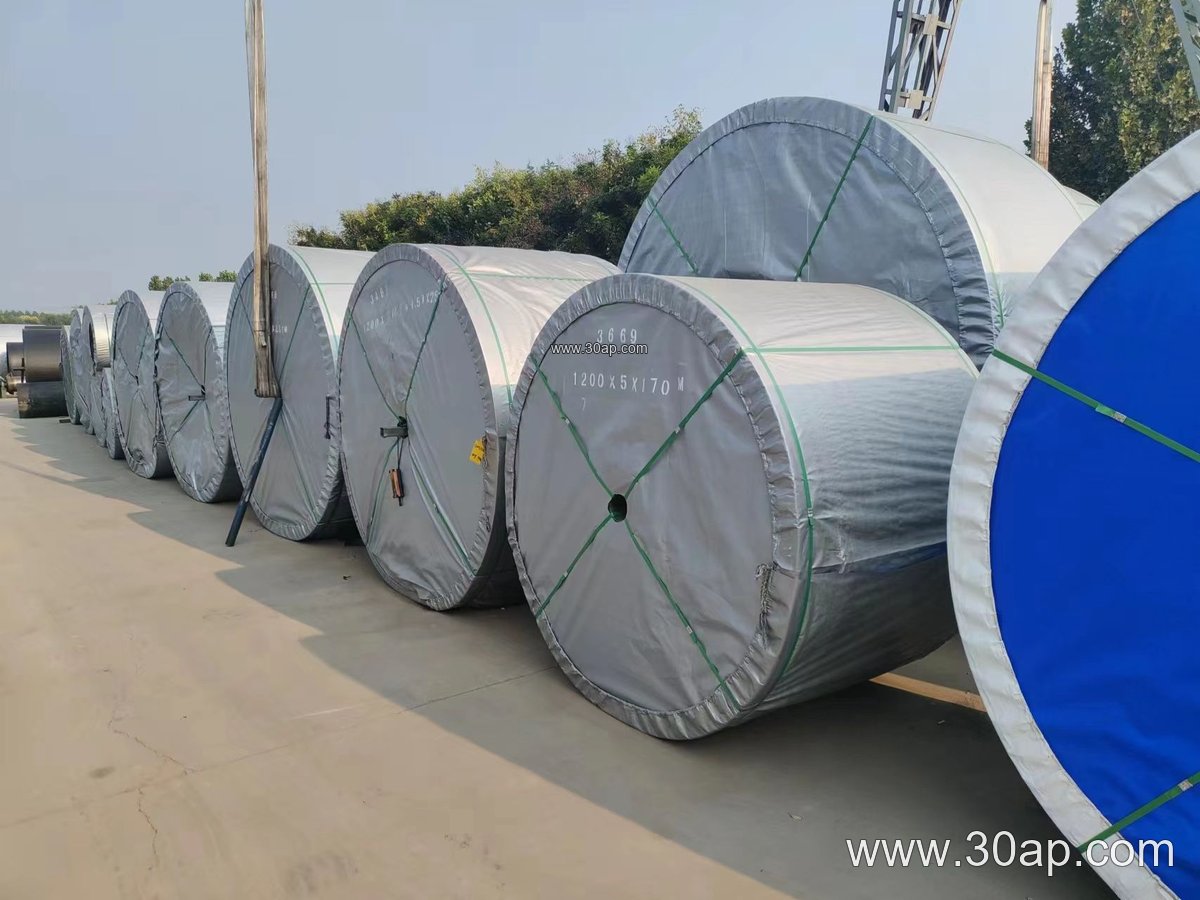
Typical reference values, to be confirmed per design, are shown below. They are not universal specifications and should not be read as a fixed supply promise.
| Item | Common reference range |
|---|---|
| Belt width | B500, B650, B800, B1000, B1200, B1400, B1600, B1800, B2000 |
| Fabric strength grades | EP200, EP315, EP400, EP500, EP630, EP800, EP1000, EP1250, EP1600, EP2000 |
| Cover thickness | 3+1.5, 4+2, 5+2, 6+2, 8+3 mm |
| Carcass plies | Usually 2 to 6 layers for fabric core belts |
| Steel cord grades | ST1000, ST1250, ST1600, ST2000, ST2500, ST3150 |
For underground coal work, PVG conveyor belt and PVC conveyor belt grades are widely used because their covers combine flame resistance with anti-static properties. PVG800 and PVG800S are common references in that discussion. Surface operations handling abrasive rock may prefer a high abrasion resistant conveyor belt cover, while hot clinker or sinter duty calls for a heat resistant conveyor belt compound.
Where It Fits in the Plant
These belts appear on main haulage conveyors, panel belts, drift belts and transfer conveyors in underground coal mining conveyor systems. On the surface they serve coal preparation plants, cement plant raw-material and clinker lines, power plant coal yards, steel plant stockyards, quarry conveyor belts, aggregate conveyor belts and crusher conveyor belts. Port and ship loading conveyors also use flame retardant grades where dust and enclosed galleries raise the risk profile.
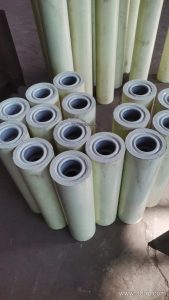
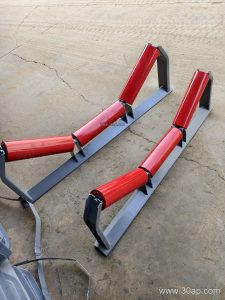
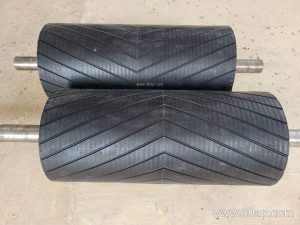
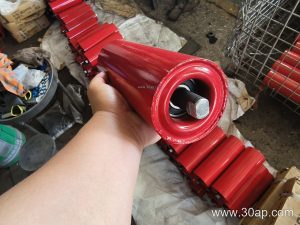
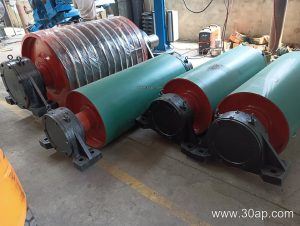
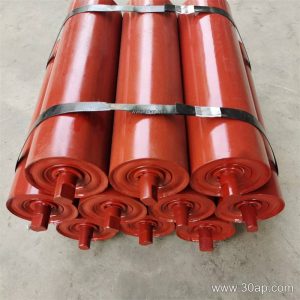
Belt selection must match the whole conveyor, not only the belt. The drive pulley, tail pulley and bend pulleys set the tension and wrap angles; idler roller spacing affects sag and belt stress; conveyor bracket condition influences alignment. A belt that is correct on paper can still track poorly if the conveyor pulley faces are worn or the idler rollers are seized. When replacing a belt, check pulley lagging, roller rotation and frame alignment before tensioning the new belt.
Selection Points for Buyers
- Confirm the flame and anti-static requirement in writing, including the test method the site accepts.
- Match belt strength to the actual tension, incline and starting conditions, not to the widest belt the plant has used before.
- Choose cover thickness for the abrasion and impact duty; a thicker cover is not automatically better if pulley diameters are small.
- For long lifts or high tonnage, compare fabric core belts with a steel cord conveyor belt option.
- Check that belt width suits the existing conveyor pulley and frame; do not assume one belt width corresponds to one pulley diameter.
- Ask for the splice method, edge condition and roll length needed for the installation plan.
Related equipment such as conveyor belt cleaners, impact beds and skirt rubber should be reviewed at the same time. A skirted conveyor belt or corrugated sidewall conveyor belt may suit steep inclines, but these are different belt types and should not be substituted for a flat fire resistant belt without a new conveyor design check.
Installation and Maintenance Notes
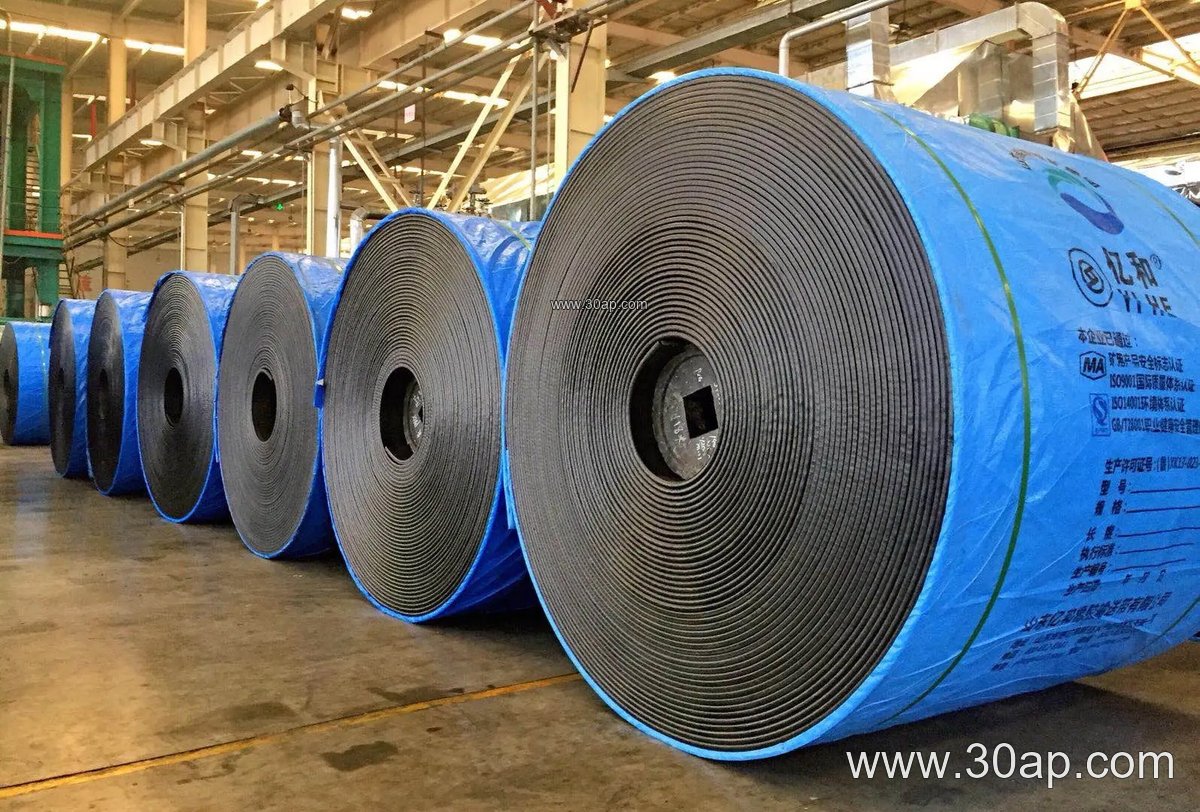
Store belts on a clean, dry surface away from ozone sources and direct sunlight. During installation, keep the belt free of sharp edges and avoid excessive impact at the loading point. After tensioning, run the empty conveyor and watch for edge rubbing, mistracking and hot spots at the drive pulley. Inspect idler rollers, pulley lagging and brackets regularly; a dragging roller or misaligned bracket can overheat the belt edge and shorten service life. Record cover wear and splice condition, and plan replacement before the carcass is exposed.
For site-specific questions about a Mining Fire Resistant Conveyor Belt, share the conveyor layout, material, tonnage and required flame performance with the supplier so the belt, pulley and idler roller package can be reviewed together.