What a Mining Belt Conveyor Pulley Does
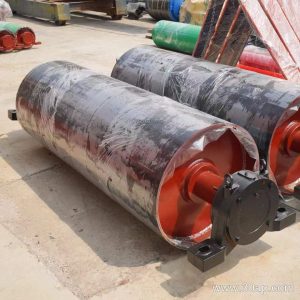
A mining belt conveyor pulley is the rotating drum that turns the conveyor belt, carries its tension, and sets the path of the belt through a crushing or screening circuit. In a quarry or an iron ore plant, the drive pulley at the head transmits torque from the gearbox into the belt, while a tail pulley at the loading end returns the belt and keeps it tracking. The same component family also covers bend, take-up, and snub positions, but those roles are not interchangeable with the drive or tail function. Each position has its own load profile, and a pulley chosen for one place should not simply be moved to another.
How the Pulley Is Built
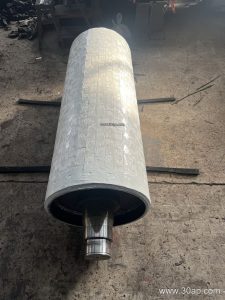
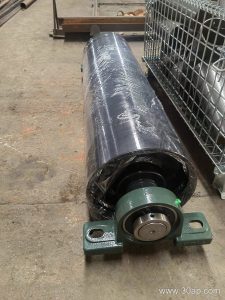
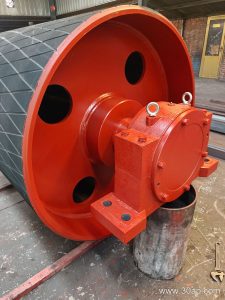
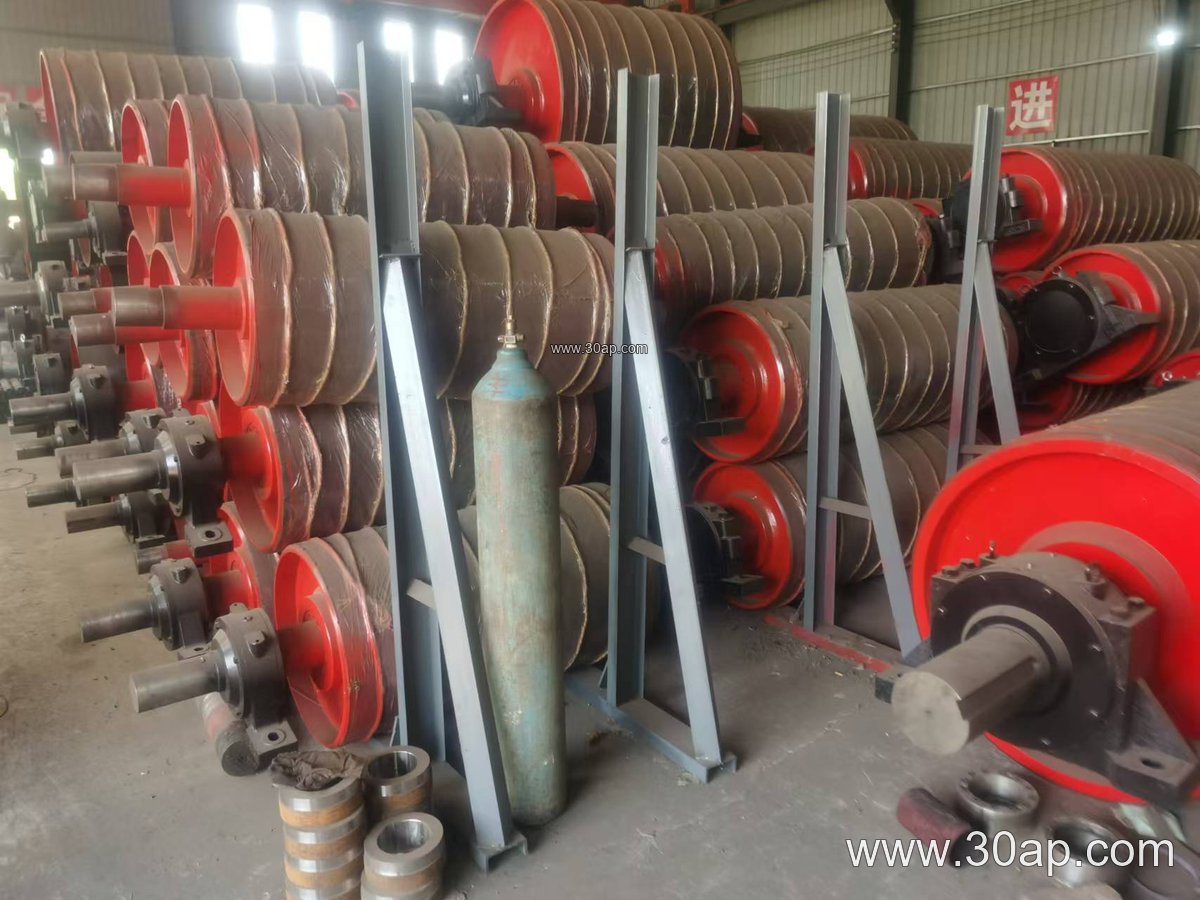
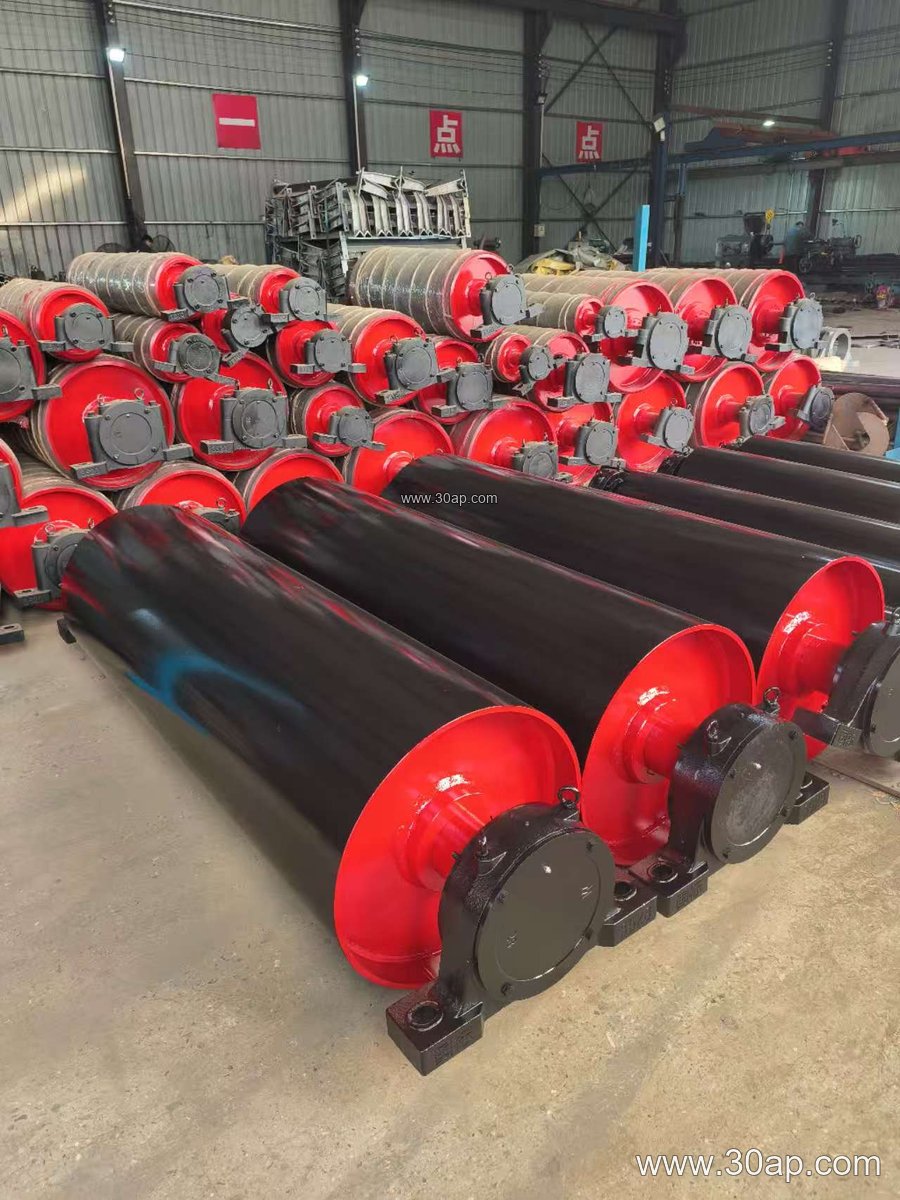
The shell is usually a rolled steel cylinder, machined at the ends and welded to dished or flat end plates. A shaft passes through the hub assembly, and the connection may be keyed, shrink-fitted, or locked with a ringfeder-style clamp. Bearings sit in housings bolted to the conveyor bracket, and the whole assembly is aligned to the belt line. Shell thickness, shaft diameter, and bearing size are determined by the torque and radial load at that station, not by belt width alone. For dusty quarry duty, labyrinth seals and grease retention matter as much as the steel grade.
Common reference dimensions
The figures below are typical reference values, not a fixed specification for every project.
- Belt width range: B400 to B2400
- Pulley diameter range: Ø200 to Ø1800
- Face width: normally slightly wider than the belt, for example B800 about 950 mm, B1200 about 1400 mm, B1600 about 1800 mm
- Shaft diameter: Ø50 to Ø200, set by torque and load
- Lagging thickness: 8, 10, 12, 15, or 20 mm
A combination such as B1200 × Ø1000 or B800 × Ø500 is common in aggregate lines, but a given belt width can be matched with more than one diameter depending on belt tension and wrap angle.
Surface Forms and Grip
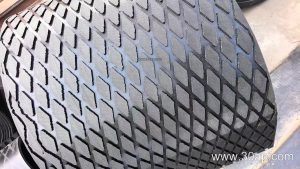
Plain shells suit light duty and some bend positions. Rubber lagging improves friction at the drive pulley and reduces belt slip in wet or muddy conditions. Diamond lagging sheds water, while herringbone grooving moves water outward and is often seen on drives in wash plants. Ceramic lagging is chosen where abrasive grit would quickly wear plain rubber. Cold-bonded and hot-vulcanized rubber differ in bond strength and site repairability, and the choice should follow the duty rather than habit. The lagging also protects the shell from wear caused by abrasive material carried on the belt.
Matching the Pulley to the Belt
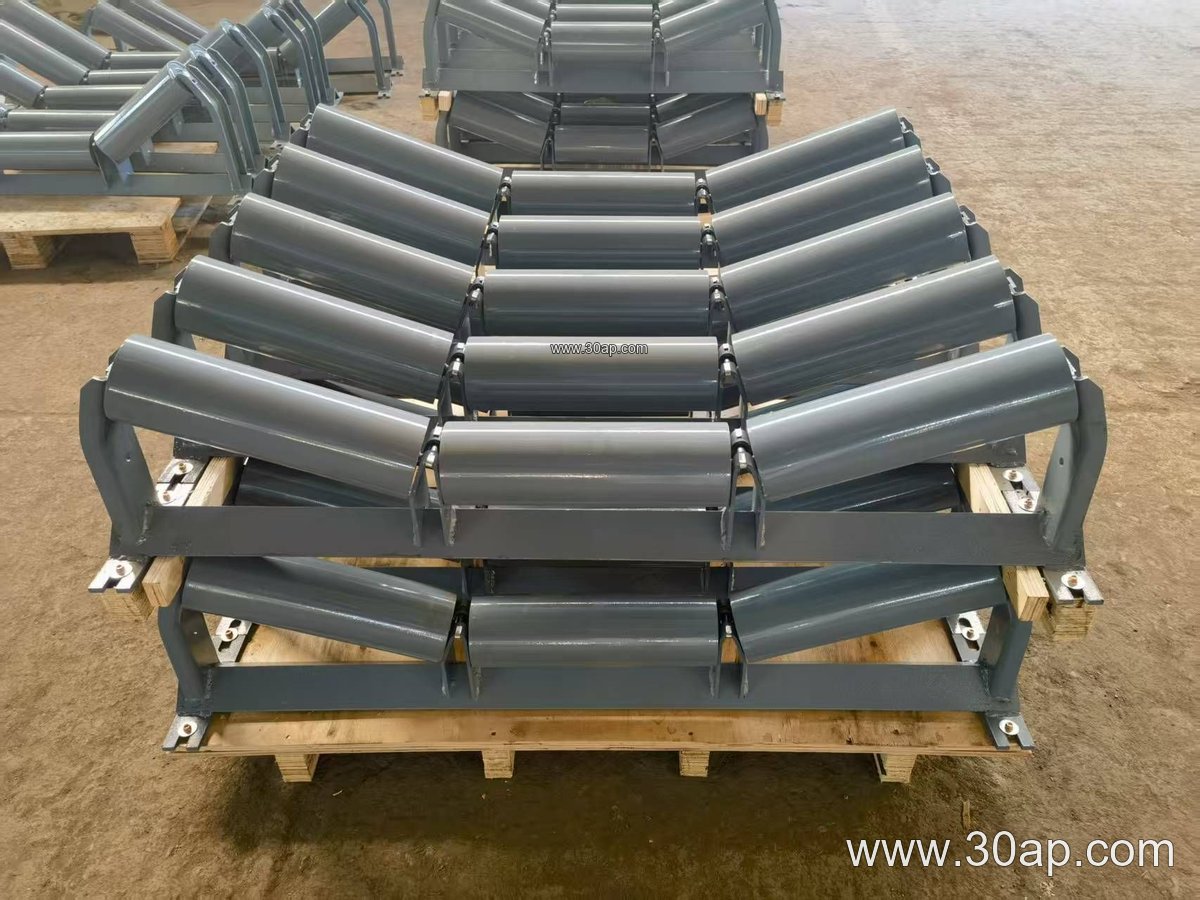
In a sand and gravel line, the pulley works with the conveyor belt, idler roller, and frame to keep material moving. A heavy EP Conveyor Belt or a Steel Cord Conveyor Belt carries higher tension, so the drive pulley shell, hub, and shaft must be sized for that tension. Flame Retardant Conveyor Belt is common in coal handling, and the pulley surface should not create a slip point that overheats. Abrasion Resistant Conveyor Belt in a stone crushing plant sends grit onto the return side, so lagging wear and seal protection deserve attention. The pulley diameter also affects belt fatigue; a larger diameter generally reduces bending stress in the carcass, which matters with thick multi-ply or steel cord belting.
Installation and Maintenance Notes
Alignment of the pulley to the belt line, squareness of the shaft to the frame, and bearing preload all influence tracking. Check lagging wear at the drive first, since a polished or glazed surface loses grip. Grease bearings on the schedule set for the duty, and inspect seals after washdown or heavy dust periods. A pulley that runs hot or vibrates may have a loose bearing, a bent shaft, or a worn lagging edge. Keep a spare tail pulley for critical circuits, and record shell and shaft dimensions so a replacement fits the existing conveyor bracket without modification.