What a Large-Diameter Pulley Does
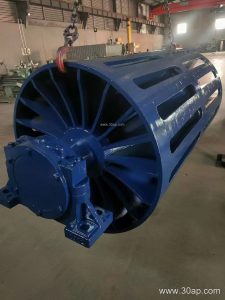
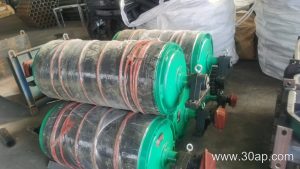
A large-diameter pulley is a conveyor pulley whose shell diameter is sized well above the minimum needed to carry the belt. In heavy-duty conveying, the pulley diameter is chosen to reduce belt bending stress, improve traction, and extend the service life of the conveyor belt. This type of pulley is often the drive pulley at the head of the conveyor, but it can also serve as a tail or bend pulley when the belt path and tension require a generous curve. Unlike a tail pulley or a bend pulley, which are defined by their position and function, the large-diameter pulley is defined by its size relative to the belt and load. For example, a B1200 conveyor might use a Ø1000 drive pulley, while a B800 system could run a Ø500 tail pulley; the diameter is not fixed by belt width alone.
Construction and Surface Options
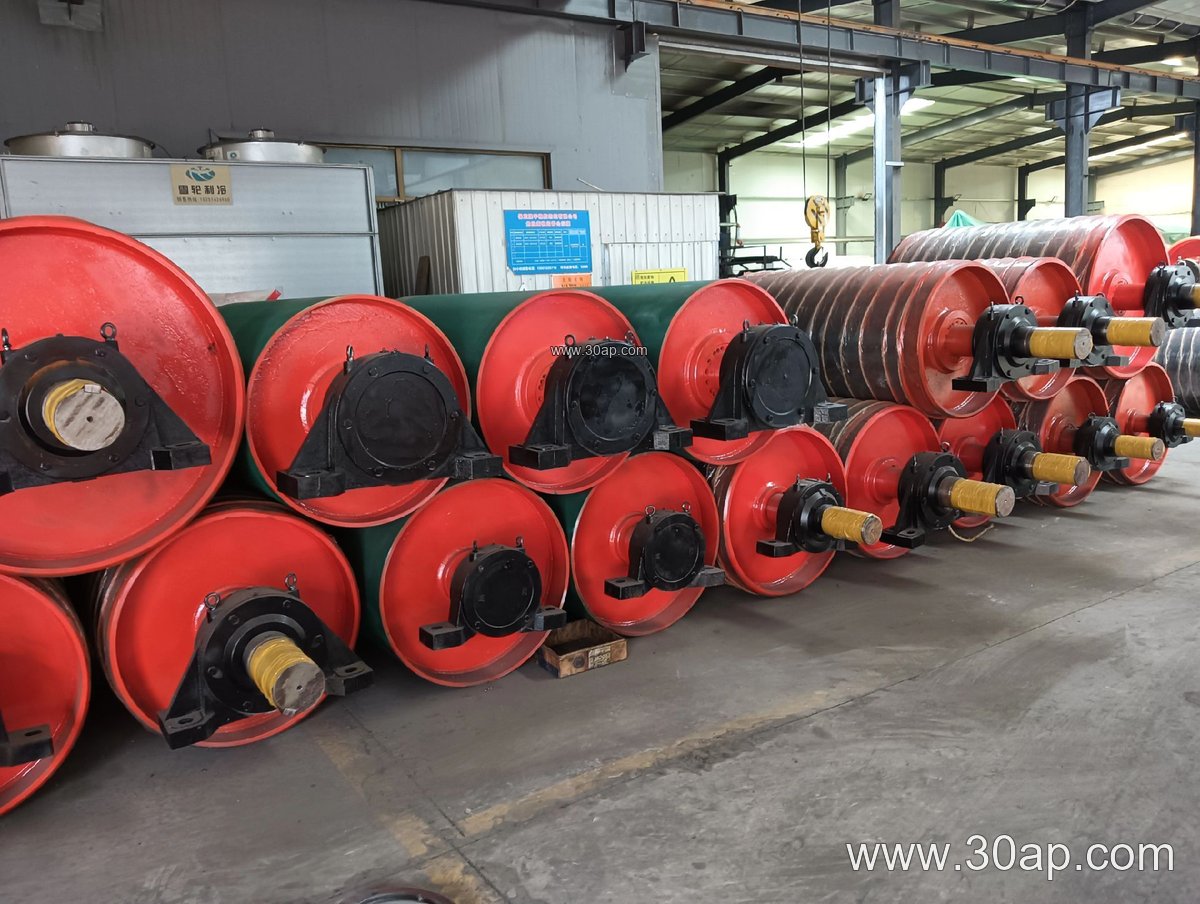
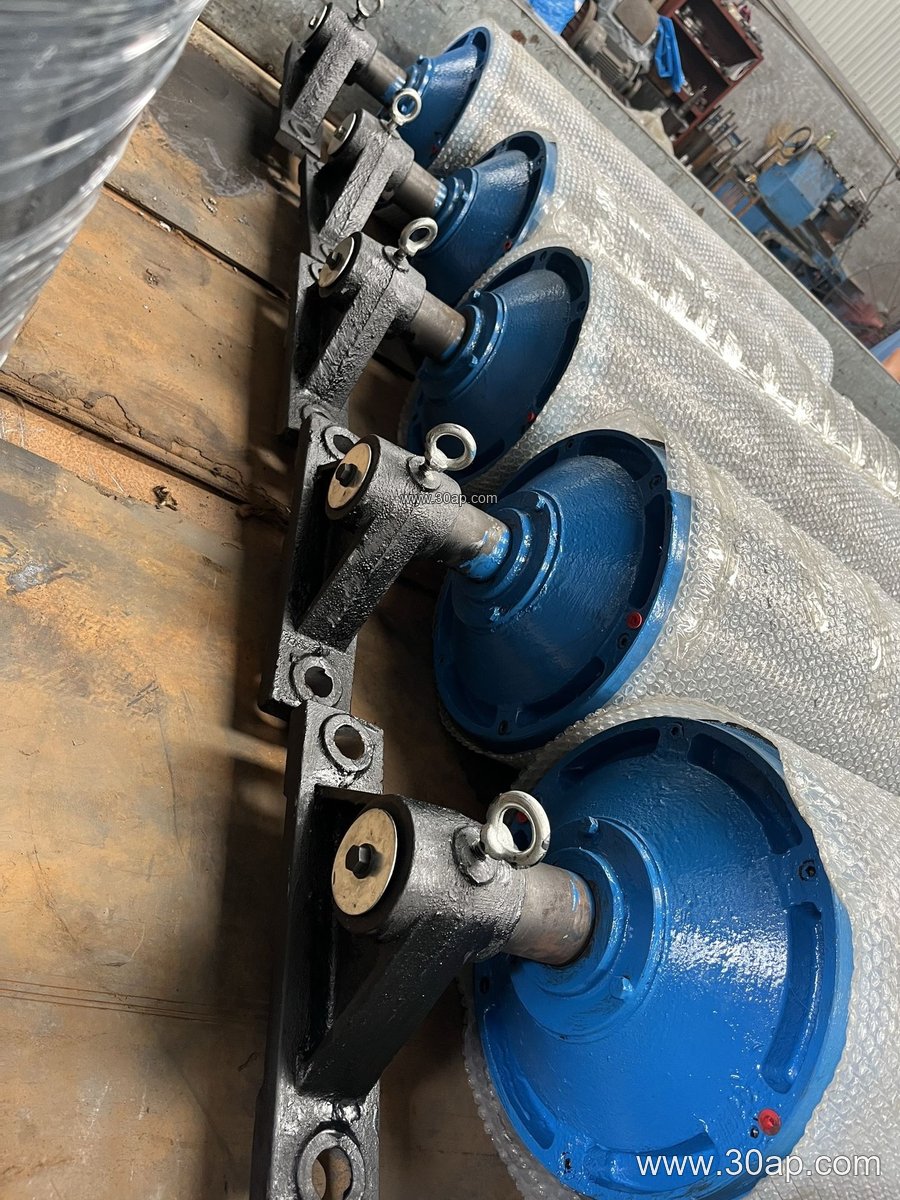
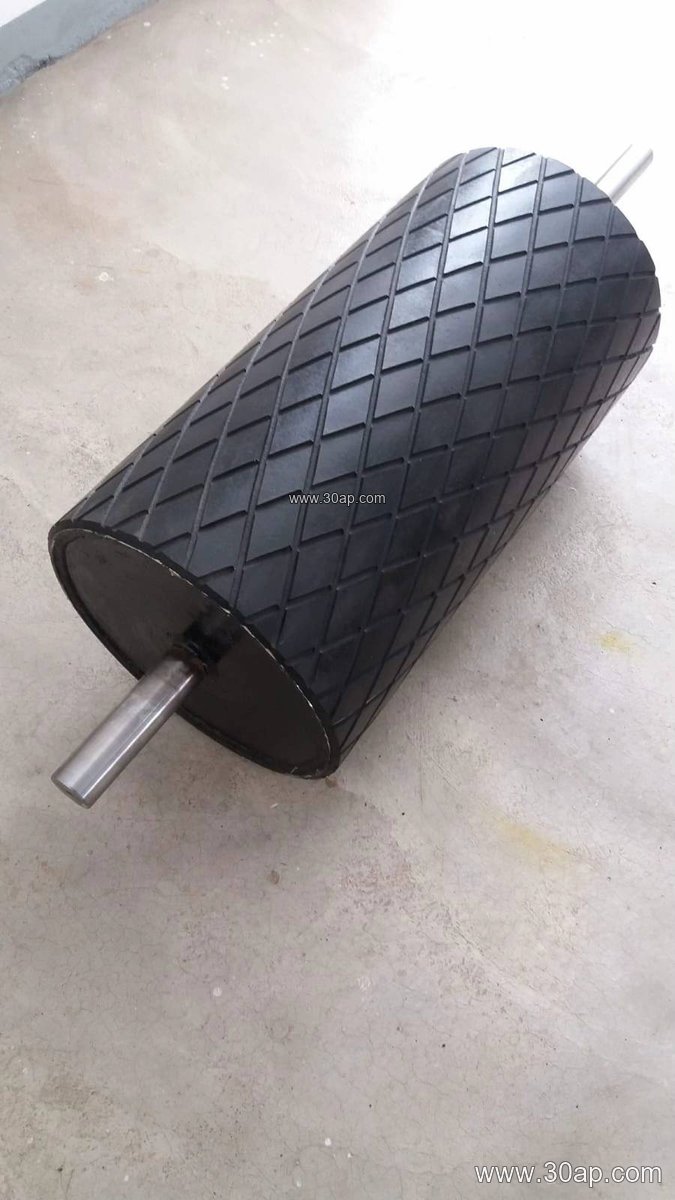
The shell is usually fabricated from rolled steel plate and machined to a true cylinder. End discs, hubs, and a shaft are welded or shrink-fitted according to the torque and radial load. Common shaft diameters include Ø80, Ø100, Ø120, Ø140, Ø160, and Ø180, but the final shaft size is determined by torque and bearing load, not by belt width. Surface treatment matters for grip and wear: plain, cold-bonded rubber, hot-vulcanized rubber, diamond grooving, chevron grooving, ceramic lagging, and flat rubber are all available. Lagging thickness often falls in the 8–20 mm range. For abrasive conditions such as a quarry conveyor or a cement plant, a rubber lagging helps protect the shell and improve friction. In coal mining or underground coal mining, flame retardant and anti-static properties of the belt and lagging are important considerations.
Where Large-Diameter Pulleys Are Used
These pulleys appear in bulk material handling where belts are wide and loads are heavy. Typical sites include a limestone mine, an iron ore concentrator, a coal washing plant, a power plant coal yard, and a port bulk terminal. In a crusher conveyor or a rock conveyor, the drive pulley must handle shock loads and high tension, so a larger diameter reduces the bending fatigue on the belt carcass. In a cement plant, a large-diameter bend pulley may guide a heat resistant conveyor belt around an elevated transfer point. In a sand and aggregate line, a Ø800 pulley with diamond lagging can keep a 1200mm wide conveyor belt tracking well under wet conditions. The same principle applies in a steel plant or sinter plant, where a heavy-duty conveyor belt carries hot or abrasive material.
Matching Belt and Pulley
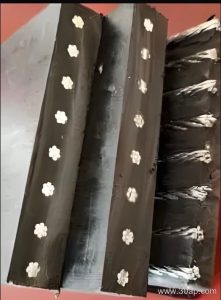
A large-diameter pulley is not a universal match for every belt. The belt type influences the choice: an EP conveyor belt or a multi-ply fabric core conveyor belt has different flexibility than a steel cord conveyor belt. A steel cord belt usually needs a larger pulley diameter to avoid excessive cord stress, while a fabric core belt can often run on a smaller pulley. The table below shows common reference combinations, not mandatory pairings.
| Belt Width | Typical Pulley Face Width | Example Diameter Range |
|---|---|---|
| B800 | About 950 mm | Ø500–Ø800 |
| B1000 | About 1150 mm | Ø630–Ø1000 |
| B1200 | About 1400 mm | Ø800–Ø1250 |
| B1400 | About 1600 mm | Ø1000–Ø1400 |
| B1600 | About 1800 mm | Ø1250–Ø1600 |
Face width is usually a little wider than the belt to allow for tracking. The values above are common references; actual dimensions are set by the conveyor design.
Buyer Checklist
- Confirm the belt type and tension: an abrasion resistant conveyor belt, a heat resistant conveyor belt, or a flame retardant conveyor belt may require different lagging and diameter choices.
- Check the pulley position: a drive pulley needs traction and torque capacity, while a bend pulley needs a smooth radius and low rotating resistance.
- Review the lagging: ceramic lagging suits high-wear areas, while plain or flat rubber may be enough for a light-duty tail pulley.
- Verify shaft and bearing size from the actual load, not from belt width alone.
- Consider the environment: a cold resistant conveyor belt in a cold climate or an oil resistant conveyor belt in a recycling plant may call for specific rubber compounds.
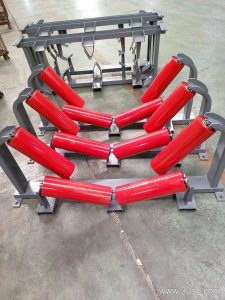
Whether the application is a quarry conveyor, a power plant coal line, or a port ship loading system, a large-diameter pulley should be selected as part of the whole conveyor package. The conveyor belt, idler roller, conveyor bracket, and pulley all interact, and the pulley diameter is one of the main factors that determine belt life and system reliability.