What a High-Speed Conveyor Idler Does on a Fast Belt
On a high-speed conveyor, the idler roller spends every hour spinning far faster than it would on a slow feeder line. That changes the design brief. Heat builds up in the bearing housing, grease is worked harder, and any imbalance in the roller shell becomes a vibration source. A high-speed conveyor idler is therefore built around smooth rotation and stable sealing rather than sheer wall thickness alone. It is still a carrying or return roller, but the tolerances, bearing fit and dynamic balance matter more than on a low-speed installation.
Whether the belt moves coal at a power plant, limestone at a cement plant or ore at a copper mine, the same rule applies: the faster the belt, the less tolerance there is for a rough-running roller.
Construction Details That Matter at Speed
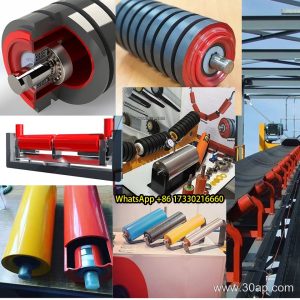
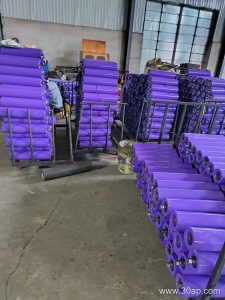
A typical high-speed conveyor idler uses a steel tube shell, pressed end caps, a through shaft and a sealed bearing housing. Common roller diameters include Ø89, Ø108, Ø127, Ø133 and Ø159 mm, with larger sizes such as Ø178, Ø194 and Ø219 mm used where belt loads are heavy. Shell roundness and shaft straightness are critical, because a small runout multiplies into noticeable vibration as rotational speed rises.
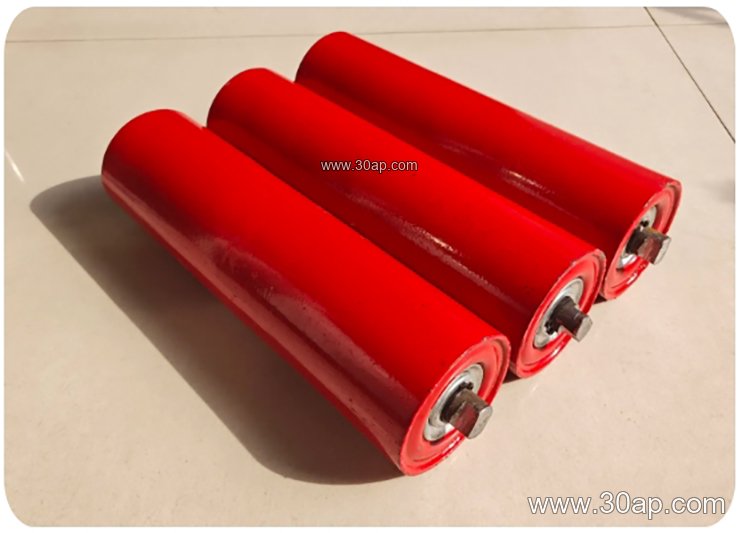
Bearing selection is usually matched to the load and speed rather than to the tube alone. Bearings such as 6205, 6305, 6306, 6308 or 6310 appear across many idler sizes, and the same bearing number may serve more than one roller diameter depending on the duty. Sealing is equally important: a labyrinth or multi-lip arrangement keeps fine dust out of the bearing cavity, which is what usually decides service life in a quarry or coal handling plant.
Matching the Idler to Belt Width and Trough Angle
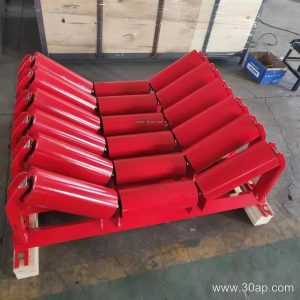
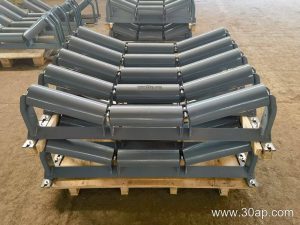
Troughing idlers are normally supplied as single-roller, two-roller or three-roller sets. For three-roller troughing sets, roller length changes with belt width and trough angle. The table below gives common examples; side rollers and centre rollers can differ, so these are references rather than fixed combinations.
| Belt width | Common roller length (three-roller troughing) | Typical trough angle |
|---|---|---|
| B500 | about 200 mm | 20°–35° |
| B650 | about 250 mm | 20°–35° |
| B800 | about 315 mm | 30°–35° |
| B1000 | about 380 mm | 30°–35° |
| B1200 | about 465 mm | 30°–45° |
| B1400 | about 530 mm | 35°–45° |
| B1600 | about 600 mm | 35°–45° |
| B1800 | about 670 mm | 35°–45° |
| B2000 | about 750 mm | 35°–45° |
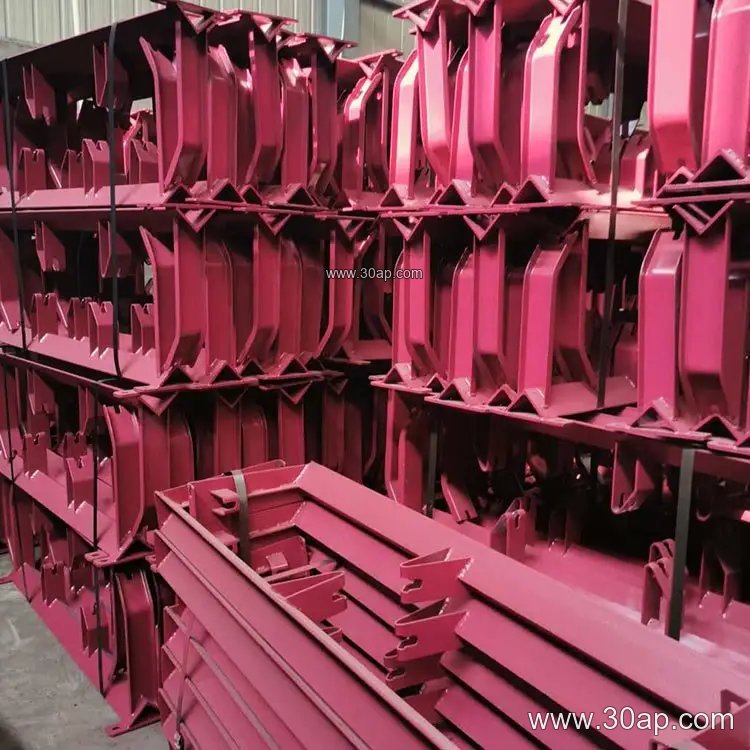
Return idlers are usually flat or V-shaped and run under the belt. On a fast conveyor, a V-return roller helps centre the belt and shed loose material. Transition idlers near the head and tail keep the belt from kinking as it opens from the trough.
Where High-Speed Idlers Are Used
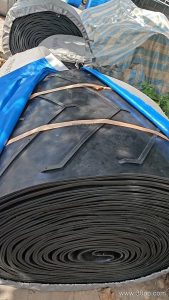
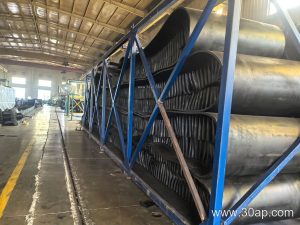
High-speed belts are common in power plant coal handling, cement plant raw material lines and quarry aggregate conveyors. In these plants the belt may run alongside an EP conveyor belt or a steel cord conveyor belt, and the idler must suit the belt’s stiffness as well as its speed. A heavy steel cord belt needs stable roller support to avoid edge damage, while a fabric core belt on a shorter run may use lighter troughing sets. The same idler range also appears in sand and gravel lines and in port bulk terminals.
In dusty service, such as a coal mining conveyor or a crushing circuit, the sealing quality of the idler roller often matters more than the nominal load rating. Abrasion resistant conveyor belt covers protect the belt itself, but the rollers still face the same grit.
Buyer Checklist
- Confirm belt speed and calculate expected bearing speed before choosing a roller diameter.
- Check that the shaft, bearing and seal are specified for continuous duty, not intermittent use.
- Match trough angle to material behaviour: 20°–30° for easy-flowing material, 35°–45° for higher capacity.
- Ask for roller runout and dynamic balance data where the belt is fast.
- Verify that the conveyor bracket and frame spacing suit the selected idler group.
- Plan a lubrication and inspection interval based on dust level and operating hours.
For a fast line, a balanced, well-sealed high-speed conveyor idler is cheaper to own than a heavier but poorly sealed roller. Buyers should treat diameter, bearing number and seal type as a package, and confirm the final selection against the actual belt width, speed and material.