What a Gold Mining Conveyor Belt Does Underground and on Surface
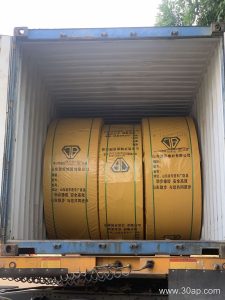
A gold mining conveyor belt is the load-carrying element in a continuous haulage system that moves broken ore, waste rock, and mill feed between the mining face, crushing station, stockpile, and processing plant. In a hard-rock gold operation, the belt often works under severe conditions: sharp quartz and granite lumps, wet and abrasive slurry, dust, and sometimes heat from nearby processing equipment. The belt must therefore combine high tensile strength with a cover compound that resists cutting, gouging, and abrasion.
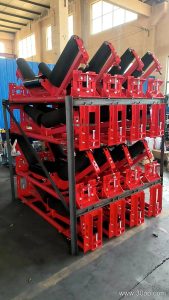
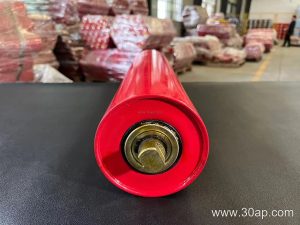
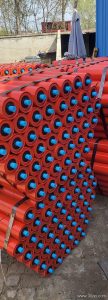
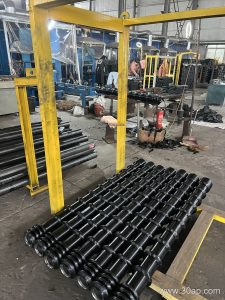
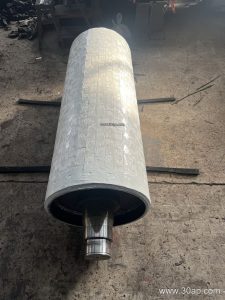
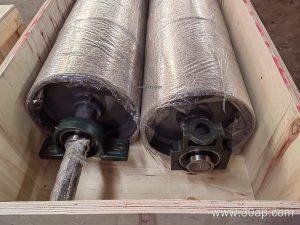
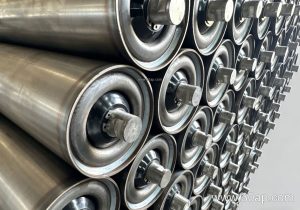
The same product is often simply called a gold mine conveyor belt, and in practice it may be supplied as an EP conveyor belt, an NN conveyor belt, or a steel cord conveyor belt depending on the duty. The belt is not a standalone item. It runs on a frame with idler rollers, a head or drive pulley, a tail pulley, bend pulleys, and conveyor brackets, and the whole system must be matched to the belt’s tension and tracking behavior.
Construction of a Gold Mining Conveyor Belt
The belt body usually consists of a fabric or steel cord carcass, a top cover, a bottom cover, and sometimes edge protection. For gold ore haulage, common carcass options include:
- Multi-ply EP fabric core, often specified from EP200 to EP1000, for medium-duty surface and underground lines.
- NN fabric core, such as NN200 or NN300, where good flexibility and impact absorption are needed.
- Steel cord construction, from ST1000 to ST2500, for long overland or high-tonnage trunk conveyors.
Cover thickness is commonly expressed as top plus bottom, for example 6+2 mm or 8+3 mm on heavy-duty mining conveyor belts. The cover compound may be abrasion resistant, cut and gouge resistant, heat resistant, oil resistant, or flame retardant for underground use. A gold mining conveyor belt that handles wet ore may also need anti-static properties and good resistance to hydrolysis, especially in humid underground drifts.
Where the Belt Is Used in a Gold Operation
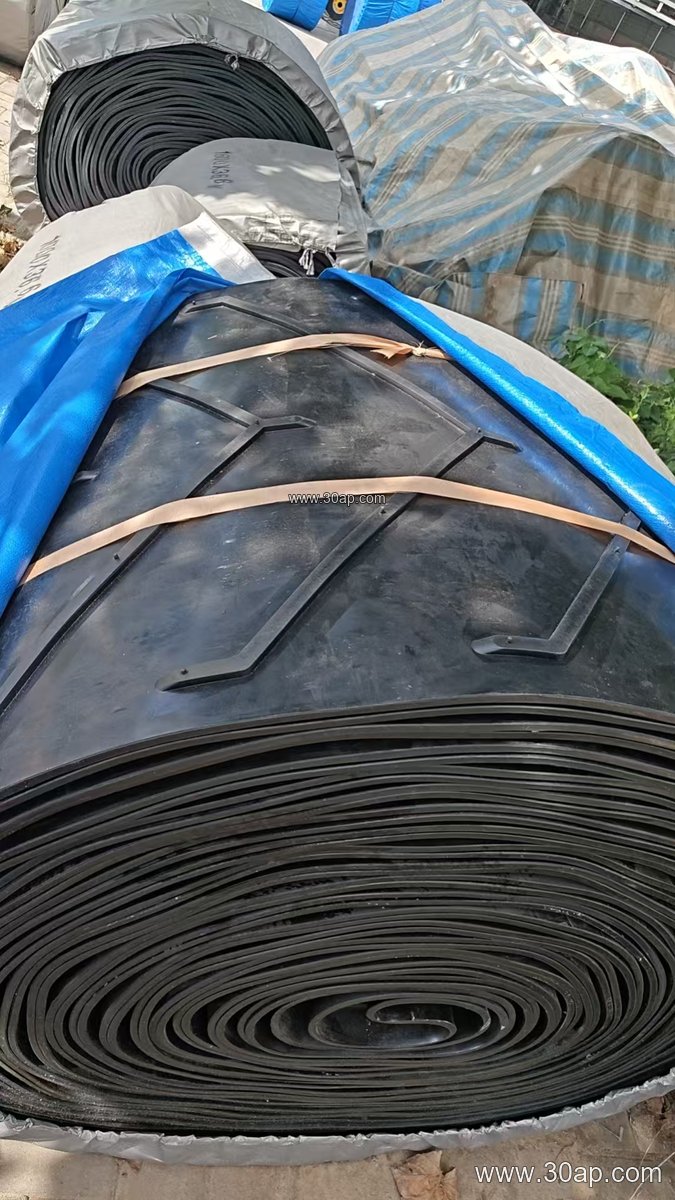
Gold flows through several stages, and the belt requirements change along the way. At the primary crushing station, a heavy-duty mining conveyor belt with impact-resistant covers carries run-of-mine ore. On surface stockpile and mill feed lines, an abrasion resistant conveyor belt is common because the rock is sharp and dry. In underground mining conveyor belt systems, flame retardant conveyor belt grades are normally required, and the belt may be a PVG conveyor belt or a PVC mining conveyor belt for fire safety. Where the route climbs steeply, a chevron conveyor belt or a corrugated sidewall conveyor belt can help retain material, while a pipe conveyor belt may be chosen for dusty or environmentally sensitive routes.
The same plant may also use a quarry conveyor belt for limestone reagent, an aggregate conveyor belt for construction stone, or a cement conveyor belt on the backfill side. Belt width is chosen from the lump size and tonnage, with common widths including B650, B800, B1000, B1200, B1400, and B1600. A 1200mm wide conveyor belt is a frequent choice for main ore lines, while 1800mm wide belts appear on high-capacity trunk systems. The pulley diameter is set by the belt carcass and tension, not by width alone, so a 1200mm belt may run on different pulley sizes in different plants.
Specifications Buyers Should Confirm
When specifying a gold mining conveyor belt, buyers should confirm the carcass type, strength grade, number of plies, cover thickness, cover compound, and belt width. A typical specification table might look like this:
| Parameter | Typical Options |
|---|---|
| Belt type | EP, NN, steel cord, PVG, PVC |
| Strength grade | EP200, EP400, EP630, EP800, EP1000; ST1000, ST1600, ST2000 |
| Belt width | B500, B650, B800, B1000, B1200, B1400, B1600, B1800 |
| Cover thickness | 4+2 mm, 5+2 mm, 6+2 mm, 8+3 mm |
| Carcass plies | 2 to 6 plies for fabric cores |
| Special properties | Abrasion resistant, heat resistant, oil resistant, flame retardant, anti-static, cold resistant |
These values are reference data, not a fixed supply promise. Different manufacturers rate belts differently, and the final selection should follow the conveyor design, the lump size, the drop height, and the ambient temperature.
Selection and Maintenance Notes
For a gold mine, the most common failure points are impact damage at the loading point, edge wear, and cover gouging from sharp ore. A high abrasion resistant conveyor belt with a thicker top cover often pays off at the crusher discharge, while a heat resistant conveyor belt may be needed near dryers or roasters. Keep the idler roller set aligned and the drive pulley, tail pulley, and bend pulleys in good condition; a worn pulley lagging or a seized idler can shorten belt life quickly. Track belt tracking, splice condition, and cover wear at regular intervals, and keep spare conveyor brackets and rollers on site to reduce downtime.
Because gold ore is heavy and abrasive, do not oversize the belt width without checking the pulley and shaft design, and do not assume one belt grade fits every line. A well-matched combination of carcass, cover, and conveyor components gives the longest service life in both underground and surface gold operations.