What a Custom Conveyor Bracket Actually Does
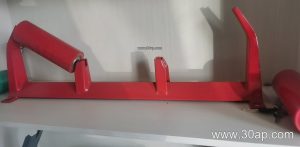
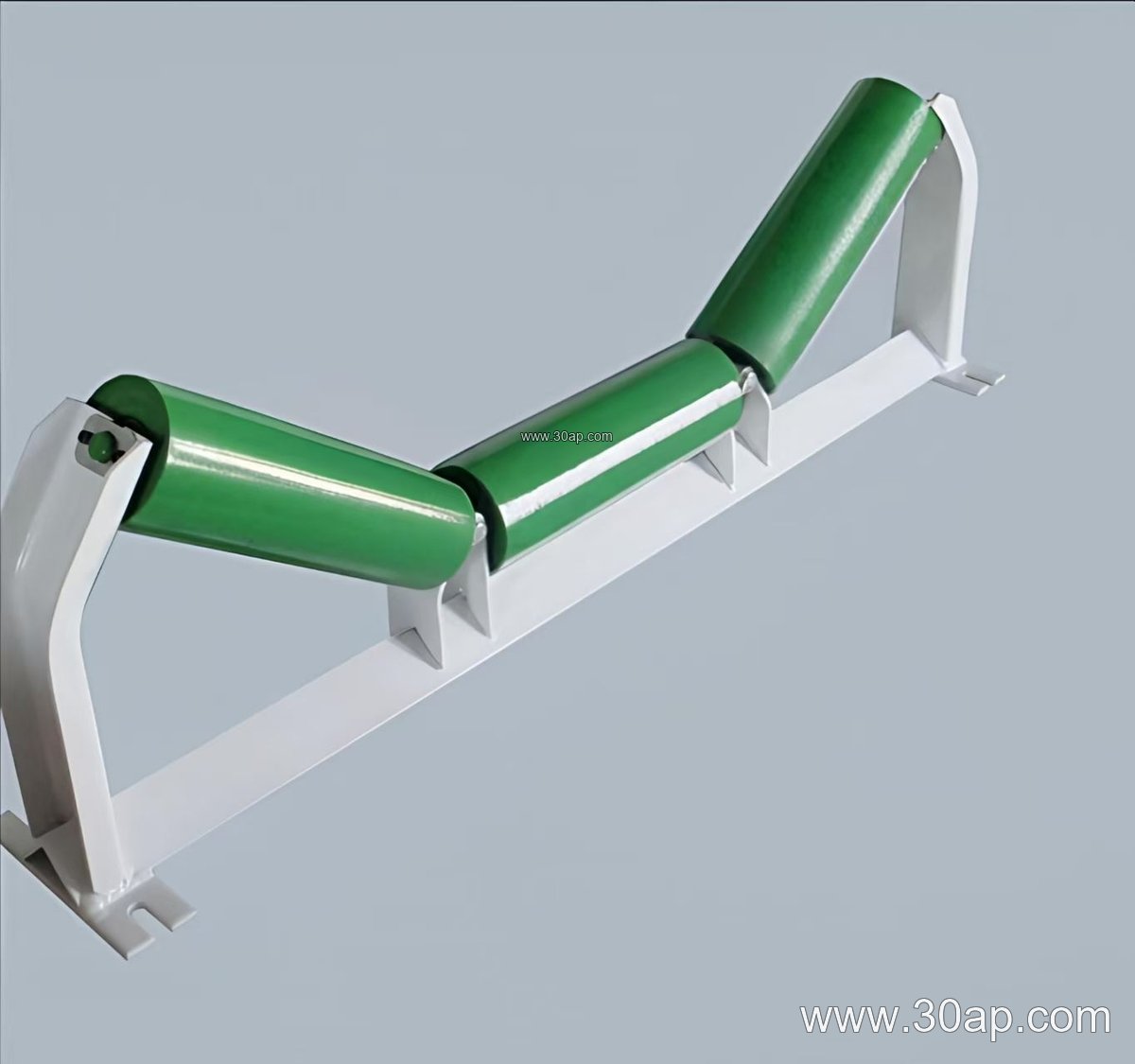
A custom conveyor bracket is the fabricated steel support that holds the idler roller in the correct position under or over the conveyor belt. On a troughed carrying run, this bracket sets the trough angle and keeps the three-roll arrangement aligned; on the return run it supports the belt after discharge. Because every conveyor line has its own frame geometry, bolt pattern and loading profile, a made-to-fit bracket is often the practical choice rather than forcing a standard part onto an existing stringer.
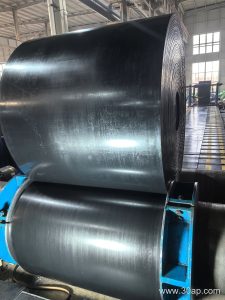
In a quarry or a crusher discharge line, a poorly fitted bracket shows up quickly as belt wander, edge wear or a noisy idler. That is why buyers increasingly order the support to match the frame, not the frame to match a catalogue bracket. If the belt is a heavy-duty mining conveyor belt carrying coarse rock, the bracket and its mounting must be stiff enough to hold the roll set steady under impact.
How the Bracket Is Built
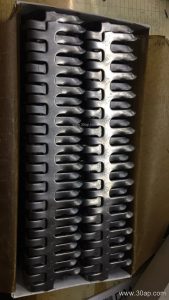
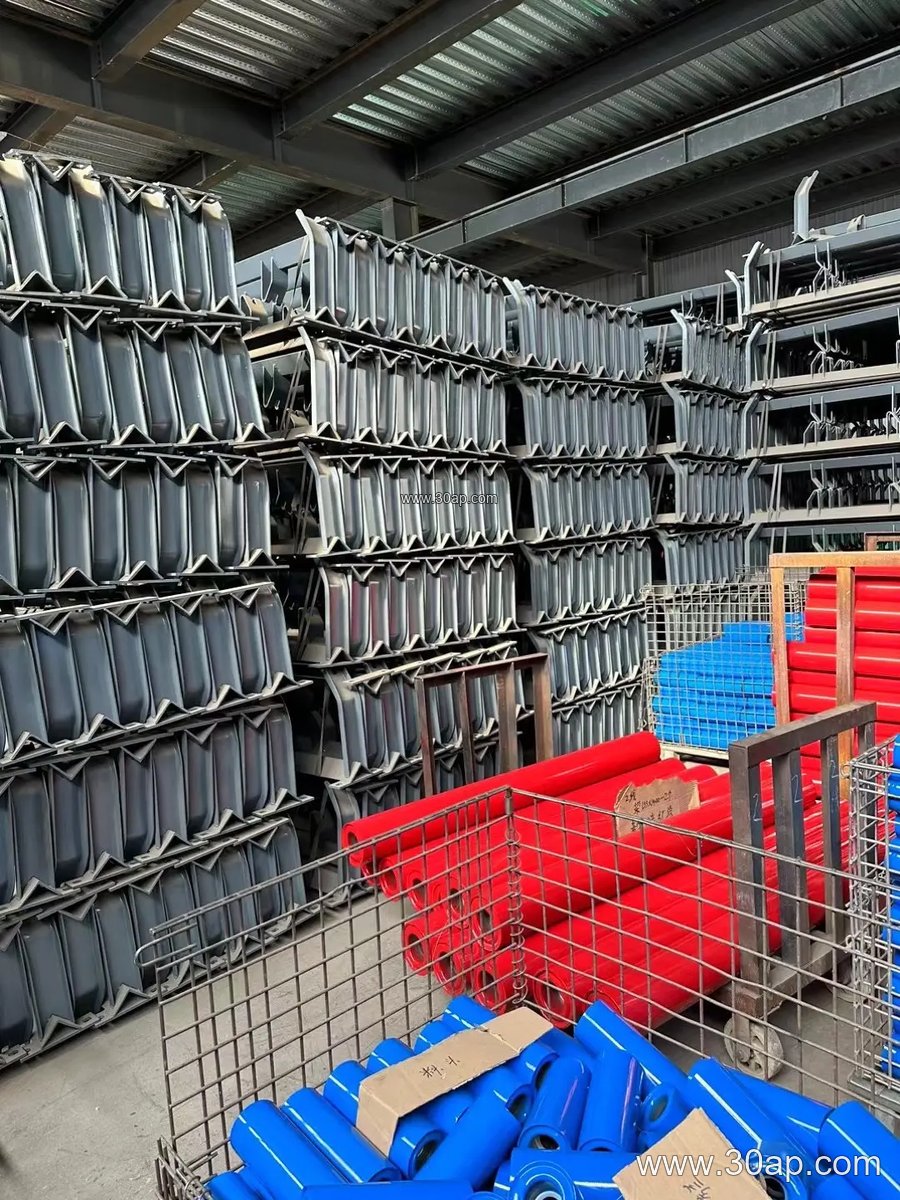
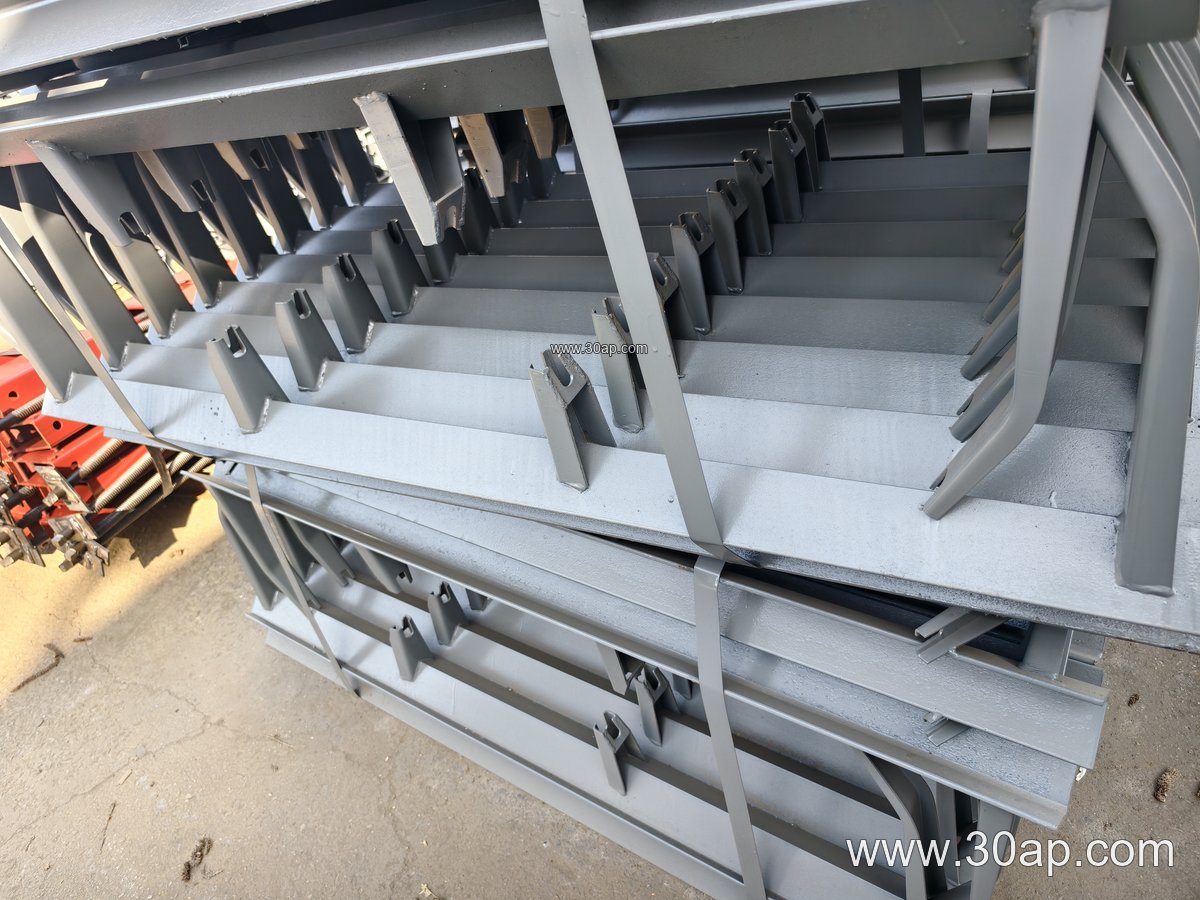
Most custom conveyor brackets are formed from angle steel, channel steel or folded steel plate, then drilled or punched for the idler shaft and the frame bolts. Welded gussets are common where the bracket cantilevers from the stringer. A powder-coated or galvanised finish is often specified for wet or dusty service, though the right coating depends on the site.
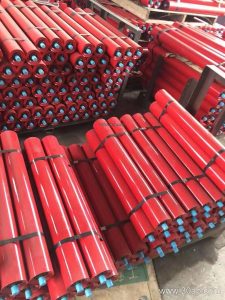
The bracket is only one part of the assembly. It works with the conveyor pulley at the head and tail, the conveyor belt itself, and the idler roller it carries. A bracket that flexes will let the roll set tilt, and a tilted roll set steers the belt sideways. For that reason, bracket thickness and weld quality matter as much as the hole spacing.
Typical bracket forms
- Troughing bracket for the carrying side, usually set to 20, 30, 35 or 45 degrees
- Transition bracket near the head and tail pulleys, where the belt changes shape
- Return bracket or V-return bracket for the empty strand
- Impact bracket under a loading point, paired with impact idlers
- Self-aligning bracket that allows a small steering movement
- Adjustable bracket that can be reset between trough angles
Where These Brackets Are Used
You will find custom conveyor brackets in cement plants on clinker and raw meal lines, in power plant coal handling, in iron ore and copper ore operations, and in aggregate plants feeding a crusher. A sand and gravel line running an abrasion resistant conveyor belt often needs brackets that hold the trough shape firmly through constant vibration. In a coal mining conveyor belt installation, flame retardant conveyor belt and fire resistant conveyor belt specifications usually come with strict support requirements, and the bracket must not create rubbing points.
Port and ship loading conveyors use wide belts, sometimes a 1200mm wide conveyor belt or a 1500mm wide conveyor belt, and the bracket span grows accordingly. The same logic applies to a pipe conveyor belt or a corrugated sidewall conveyor belt, where the support geometry follows the belt profile rather than a simple three-roll trough.
Matching Bracket to Belt Width and Roll Diameter
Belt width and roll diameter are starting points, not a fixed formula. A B800 line may run a 30 degree trough with Ø108 rolls, while a B1200 line might use 35 or 45 degrees with Ø133 rolls. Larger plants often move to Ø159 or Ø194 rolls on main haulage. The bracket drawing should state the actual centre distances and crossbeam length, because these change with width, trough angle and frame design.
| Reference item | Common range | Note |
|---|---|---|
| Belt width | B500 to B2200 | Wider belts need longer crossbeams |
| Trough angle | 20, 30, 35, 45 degrees | Adjustable brackets allow resetting |
| Idler diameter | Ø89, Ø108, Ø133, Ø159, Ø194 | Choose by load and belt speed |
| Forward tilt | About 1.5 to 2 degrees | Used on leading idler rolls |
| Material | Angle, channel, folded plate | Finish by site condition |
Do not assume a given belt width locks in one trough angle or one roll size. A B650 conveyor with a 30 degree bracket and Ø89 rolls is normal in a small aggregate line, but the same width can be built differently for a different duty. Always confirm against the actual conveyor drawing.
What to Confirm Before Ordering
- Frame hole pattern, crossbeam length and mounting height
- Trough angle and whether it must be adjustable
- Idler shaft diameter and the roll set the bracket will carry
- Loading conditions, especially at impact and transition zones
- Surface finish and material thickness for the site environment
A bracket that suits a rubber conveyor belt line in a dry cement plant may not suit a wet tunnel muck conveyor. Getting the drawing right at the start is cheaper than correcting belt misalignment later. For a quick check, compare the proposed bracket against the existing idler roller and conveyor pulley positions before the order is released.