What an Impact Idler Bracket Does at the Load Point
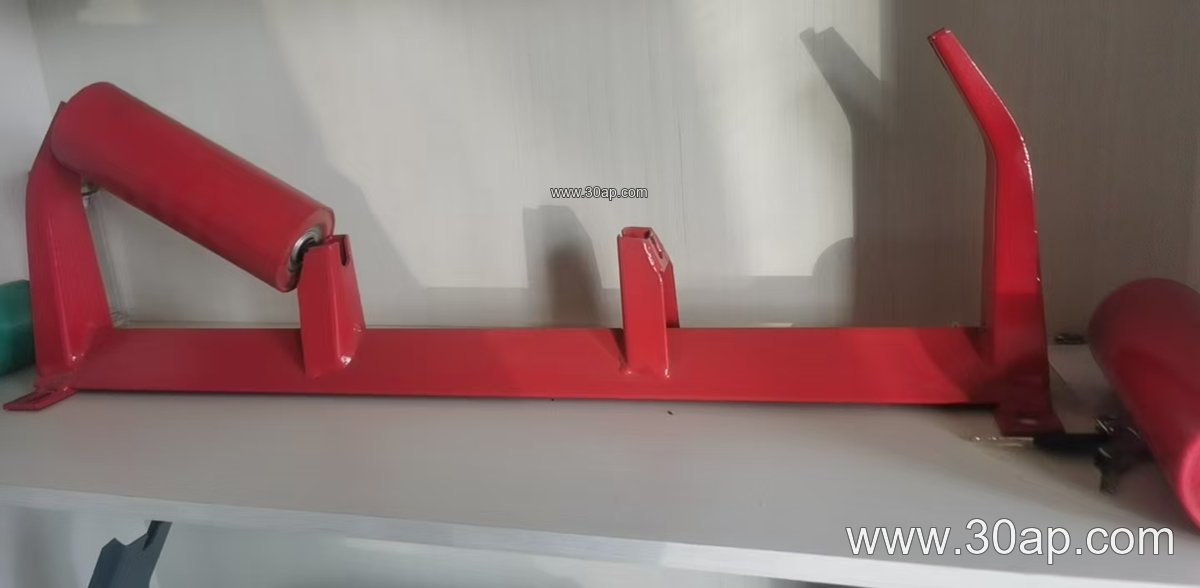
An impact idler bracket is the support structure that holds the impact idlers directly beneath a conveyor loading point. Its job is to keep the impact rollers at the correct height and trough angle while they absorb the energy of falling material. In a crusher discharge line, a quarry transfer tower, or a power plant coal bunker feed, the bracket takes repeated shock loads that would quickly damage a standard frame. The bracket is therefore treated as a distinct component, not as a general-purpose conveyor bracket.
Because the impact idlers sit in rubber rings or cushion mounts, the bracket must provide a stable base that does not flex under each hit. A rigid, well-aligned support keeps the belt line true and protects the belt cover from pinching between roller and frame.
Construction and Mounting Position
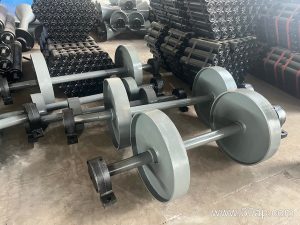
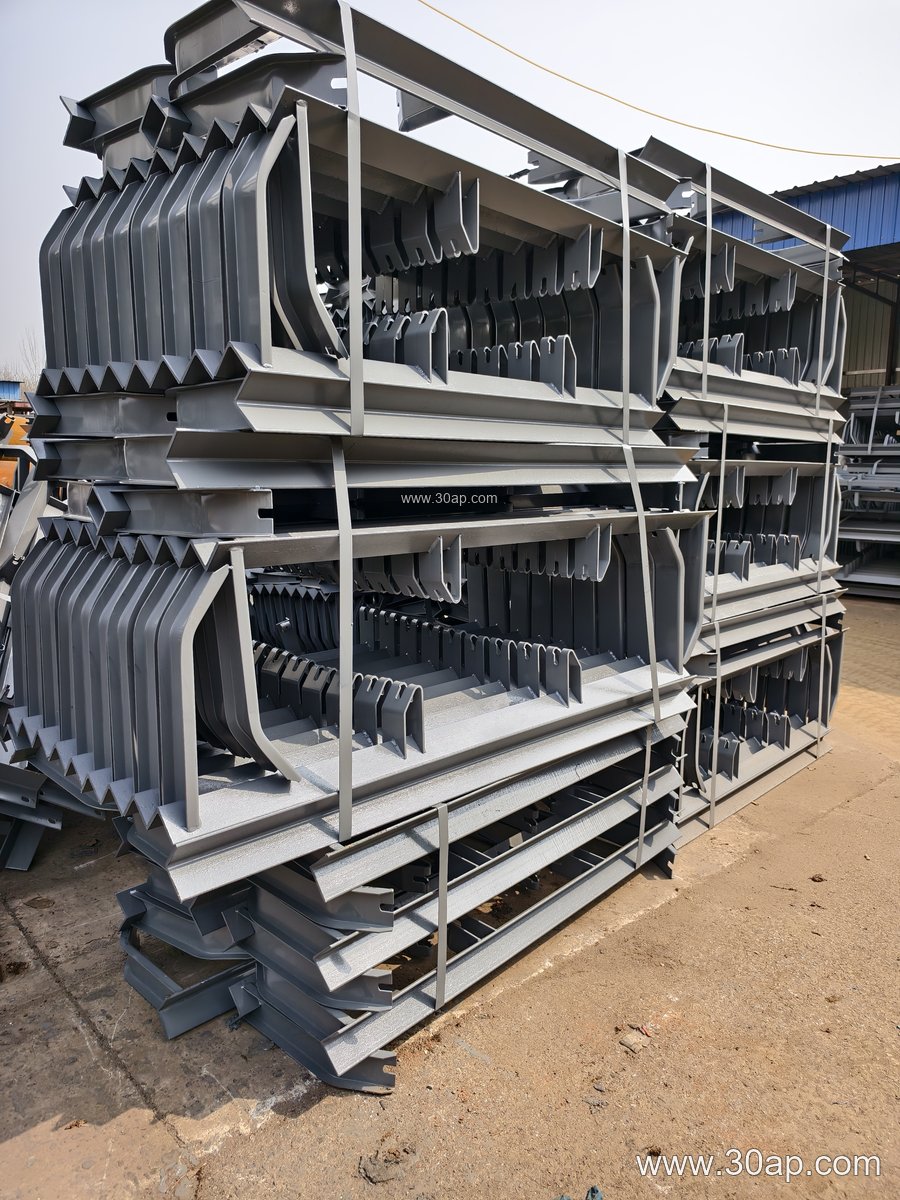
Most impact idler brackets are fabricated from angle steel, channel steel, or folded steel plate. The two side rails carry the idler shafts, and a cross beam ties them together. Slotted holes are common so the trough angle can be set on site.
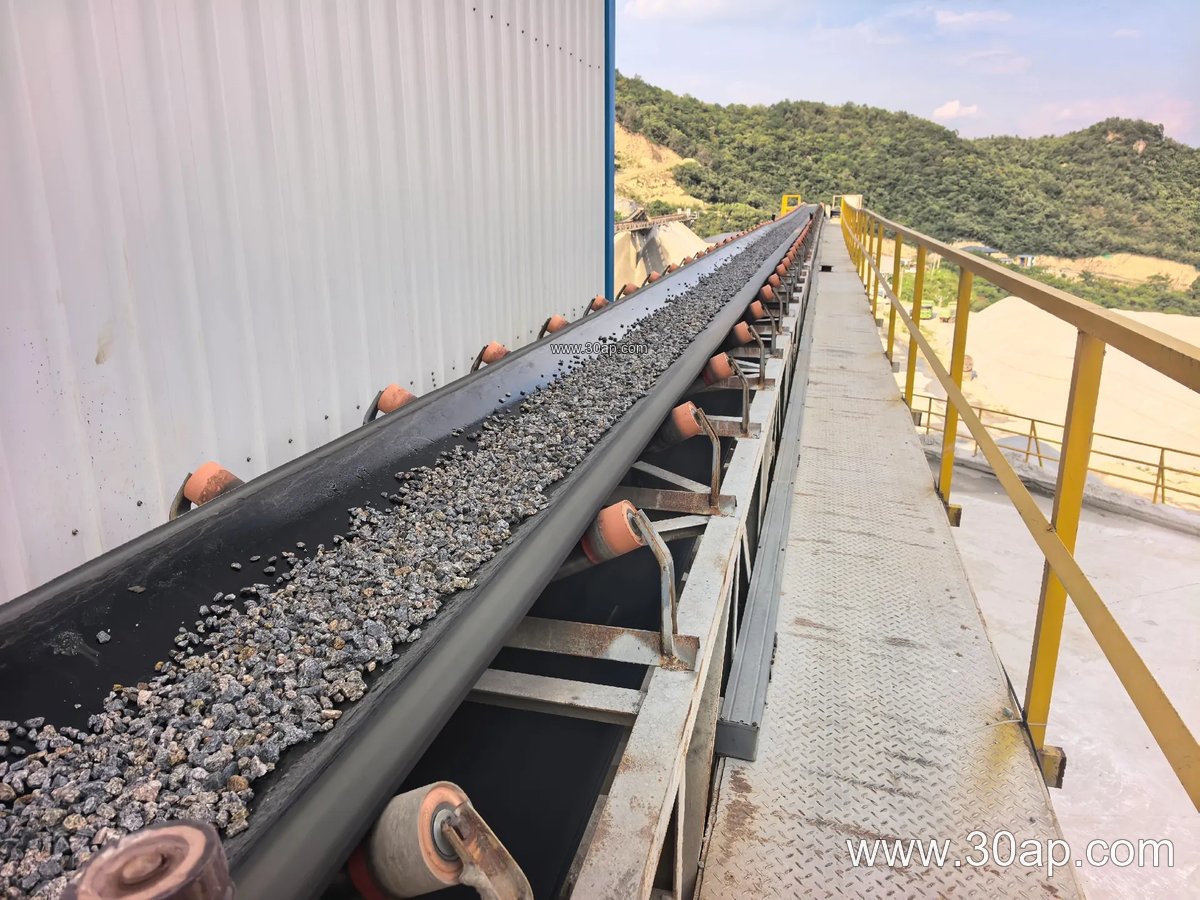
Installation is normally a short distance after the discharge chute, where the material stream first meets the belt. In a stone crushing plant the bracket may sit under a hopper outlet; in a cement plant it may follow a clinker transfer chute. The frame is bolted to the conveyor stringers, and the mounting hole spacing and cross beam length are determined by belt width and trough angle rather than fixed for all conveyors.
Typical reference combinations
The values below are common examples for orientation only. They are not universal matches, and final dimensions follow the conveyor design.
- B650, 30 degree, Ø89
- B800, 35 degree, Ø108
- B1000, 35 degree, Ø133
- B1200, 45 degree, Ø133
- B1400, 45 degree, Ø159
Bracket Types That Share the Load Zone
Impact idler brackets are part of a wider family. Troughing idler brackets carry the normal carrying run, transition brackets ease the belt from flat to troughed, and return brackets support the empty side. V-return and flat return brackets are separate designs and should not be substituted for an impact bracket. Self-aligning and forward-leaning brackets correct belt tracking, while suspended brackets serve special structures. The impact bracket remains the correct choice where falling material energy is the dominant concern.
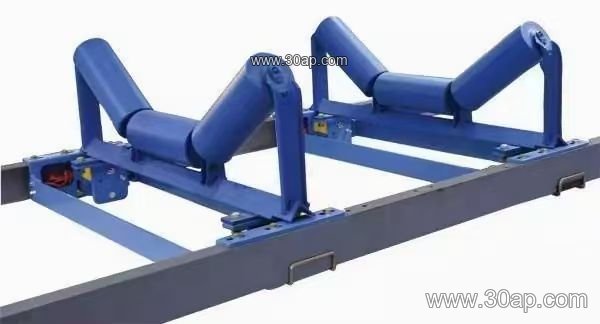
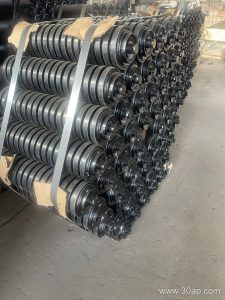
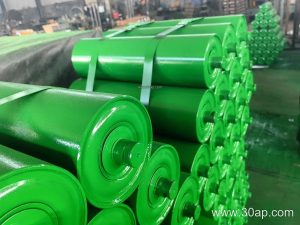
The trough angle is usually 20, 30, 35, or 45 degrees. Adjustable brackets can be reset between these angles, and forward-leaning designs commonly use about 1.5 to 2 degrees of lead. Roller diameters such as Ø89, Ø108, Ø133, Ø159, and Ø194 are selected with belt width and load in mind, but no single belt width is tied to one roller diameter.
Where Buyers Should Focus
When specifying an impact idler bracket, confirm the belt width, the required trough angle, the idler diameter, and the mounting hole pattern on the stringers. Check the steel thickness and weld quality, since a light frame will deform under repeated impact. Ask whether the bracket is fixed or adjustable, and confirm that the impact idlers used with it have the correct shaft ends.
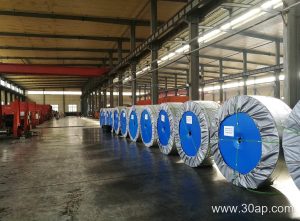
The belt itself matters too. A high abrasion resistant conveyor belt or impact resistant conveyor belt tolerates load-point shock better, and a heavy-duty mining conveyor belt is often paired with reinforced brackets in iron ore or coal mining conveyor lines. In dusty or wet plants, a flame retardant conveyor belt or anti-static conveyor belt may be required, and the bracket finish should suit the environment.
Maintenance Notes
Inspect the bracket after the first weeks of operation and then at routine stops. Look for bent side rails, elongated bolt holes, loose fasteners, and worn cushion mounts. Material buildup under the frame can lift the idlers and misalign the belt. Keep the load point centered so impact falls on the idler rings rather than the bracket edges. Replacing a deformed bracket early is cheaper than repairing a damaged belt.
For matching conveyor components, see the idler roller and conveyor pulley ranges, and review conveyor belt options before finalizing the load zone layout.