What the ST2000 Conveyor Belt Is
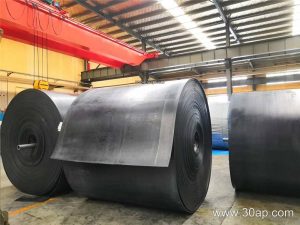
The ST2000 Conveyor Belt is a steel cord conveyor belt with a nominal tensile strength of 2000 N/mm. In the ST series, the number after the letters indicates belt strength, so this grade sits above ST1000, ST1250 and ST1600 but below ST2500 and ST3150. It is a heavy-duty product built for long conveying lines that must move large tonnages of bulk material at high tension. Buyers often refer to it simply as an ST2000 steel cord belt or a high strength conveyor belt.
Because the load is carried by steel cords rather than fabric plies, this belt suits main haulage lines in mining, coal preparation, cement plants, power stations, ports and large quarry or aggregate operations. It is not a general-purpose replacement for every conveyor; it belongs on drives where the calculated tension actually calls for this strength class.
Construction and Materials
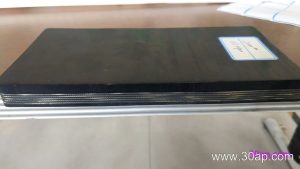
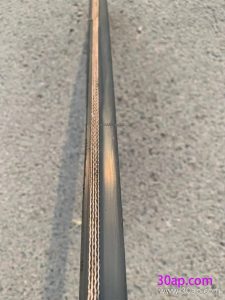
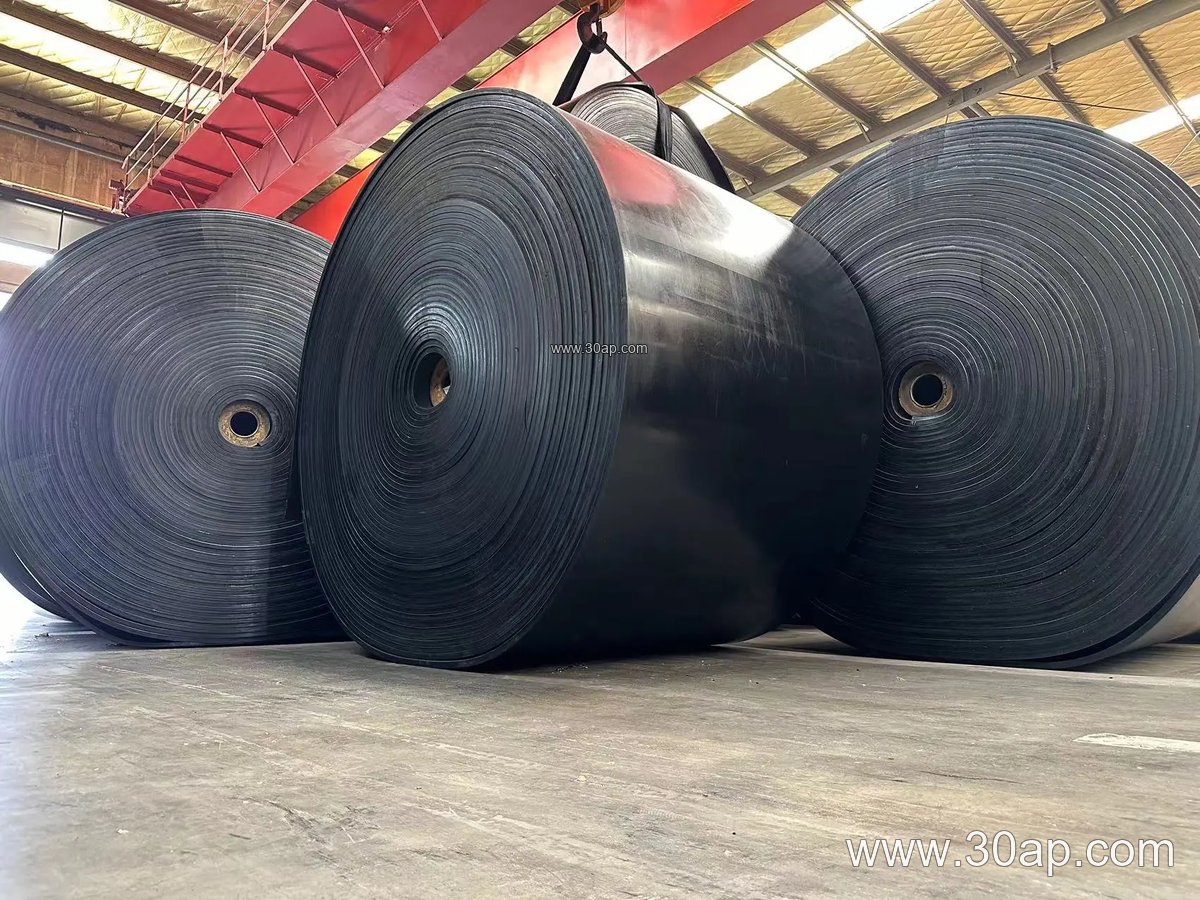
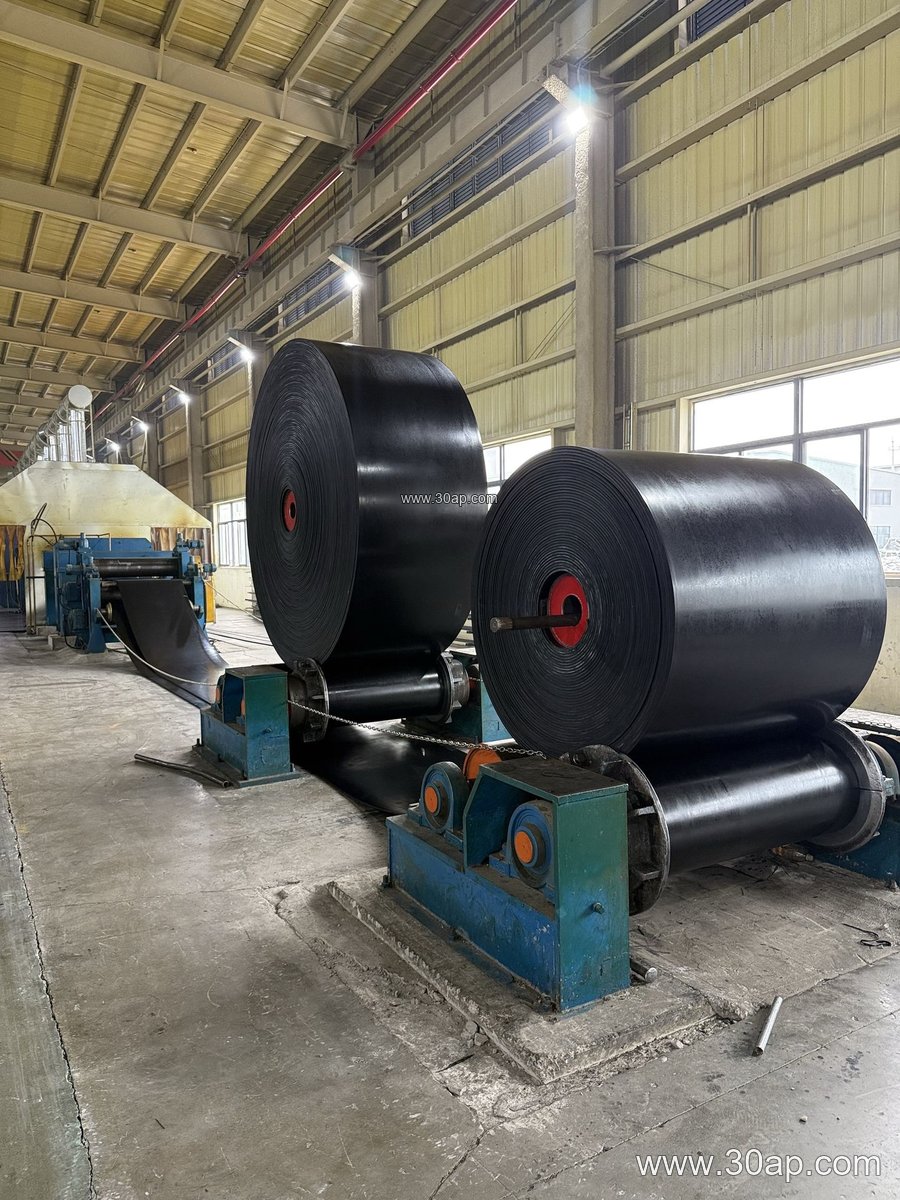
The carcass consists of parallel steel cords embedded in a rubber core compound. The cords run longitudinally and carry the working tension, while the rubber between them holds the cords in position and protects them from moisture and mechanical damage. Top and bottom cover rubber are bonded to the carcass. Cover grade is selected for the duty: abrasion resistant rubber for ore and crushed stone, heat resistant rubber for clinker or sinter, flame retardant and anti-static grades for underground coal mining, and oil resistant compounds where lubricants or oily cargo are present.
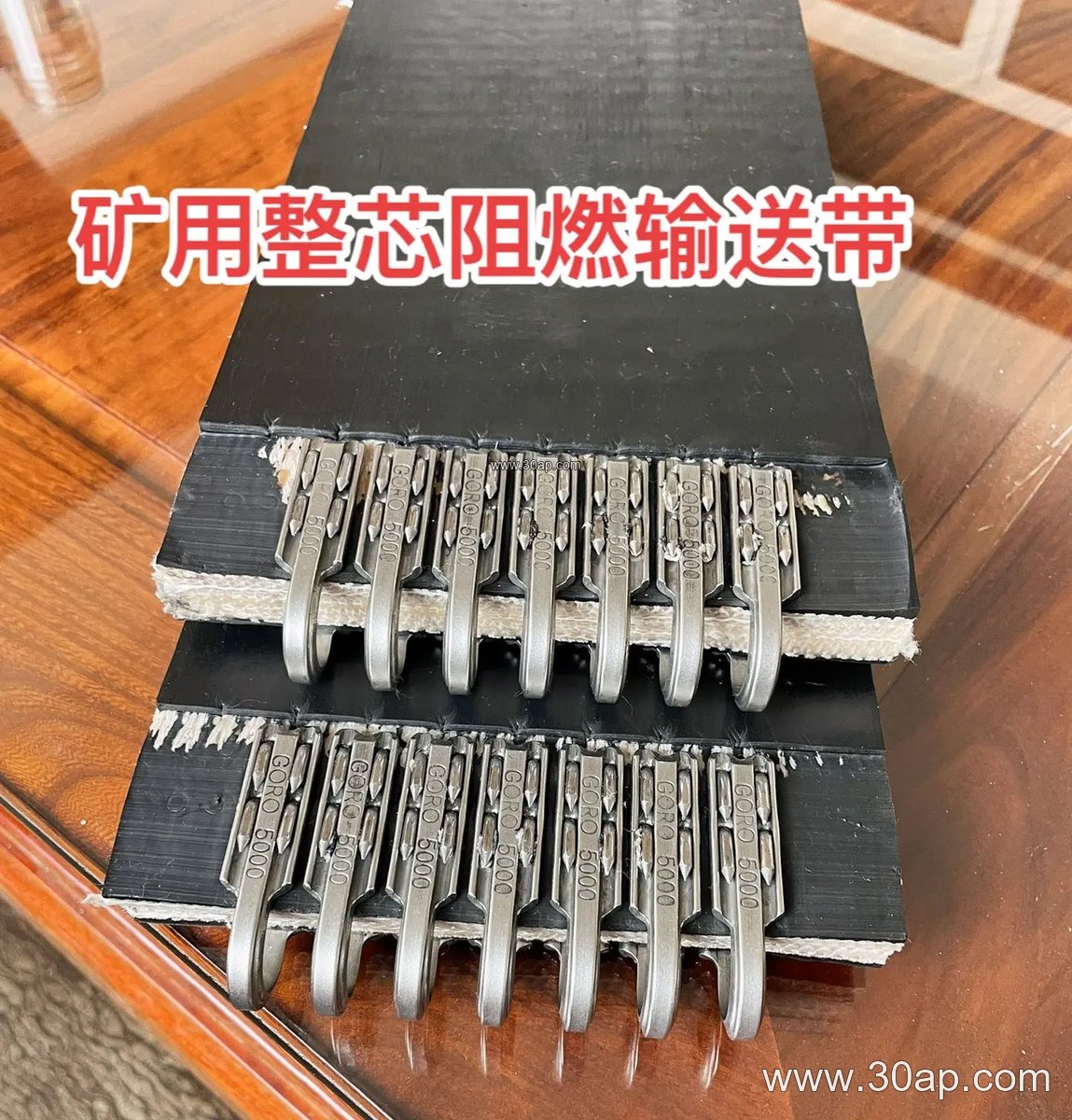
Typical cover thicknesses follow the same conventions used across steel cord belts, for example 6+2 mm, 8+3 mm or heavier combinations, with the exact figure set by the conveyor designer. Belt width usually ranges from about 800 mm up to 2000 mm or more on large installations. A steel cord belt is normally spliced on site with a hot vulcanized joint, and the splice quality has a major influence on service life.
Where It Fits in a Conveyor
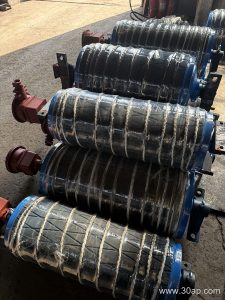
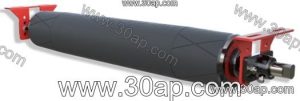
An ST2000 belt runs over a head or drive pulley, returns over tail and bend pulleys, and is supported on the carrying side by idler rollers. Impact zones under crushers usually need impact idlers and sufficient cover thickness. The belt also interacts with the conveyor bracket and frame, skirt rubber, and any transition idlers near the pulleys. Drive, tail and bend pulleys are separate components with different duties and are not interchangeable, so pulley selection should be confirmed against the belt tension and wrap angle rather than assumed from belt width alone.
Common Applications
- Main haulage in underground coal mining, where flame retardant and anti-static properties are usually required.
- Iron ore, copper ore and gold mining lines handling abrasive, heavy rock.
- Cement plants moving limestone, clinker and raw meal.
- Power plant coal handling and ship loading at ports.
- Large quarry and aggregate conveyor systems feeding crushers and screens.
In these duties, a steel cord belt is chosen for tensile capacity and low elongation. Where the tension is modest, an EP conveyor belt or NN conveyor belt with multiple fabric plies may be more economical; the ST2000 grade is not mandatory for every line.
Specifications Buyers Should Confirm
| Item | Typical reference |
|---|---|
| Belt type | Steel cord, ST2000 |
| Nominal strength | 2000 N/mm |
| Belt width | 800 mm to 2000 mm, wider by design |
| Cover thickness | 6+2 mm, 8+3 mm or as specified |
| Cover grade | Abrasion, heat, oil, flame retardant, anti-static, cold resistant |
| Joint | Hot vulcanized splice |
These values are common references, not a fixed supply promise. Actual cord pitch, cover compound and belt weight should come from the manufacturer’s data sheet and the conveyor design calculation.
Selection and Maintenance Notes
Confirm the maximum operating tension with a safety factor, check pulley diameters against the cord construction, and review the transition distance so the belt is not over-stressed at the tail. Keep idler rollers turning freely, maintain skirt clearance and inspect the splice regularly. For more information on matching belts, idlers and pulleys, visit conveyorbeltkd.com and review the steel cord belt pages before ordering.